Published: 06 July 2026. The English Chronicle Desk. The English Chronicle Online.
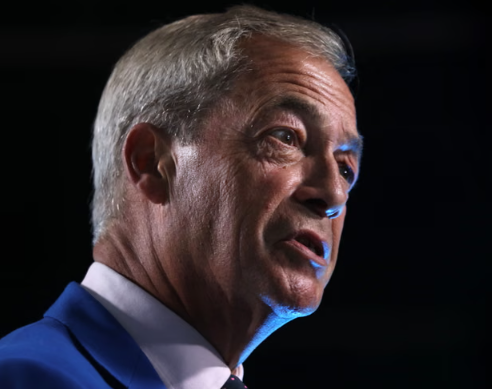
The British government will launch a significant crackdown on large political donations this coming Monday. Ministers are moving to address widespread concerns regarding the integrity of political funding in the United Kingdom. This legislative action follows mounting pressure to tighten existing rules surrounding financial transparency in democratic elections. The announcement arrives as Reform UK leader Nigel Farage faces potential investigation regarding undisclosed gifts. These benefits were allegedly received from a convicted fraudster before he became a serving member of parliament.
The proposed government measures aim to bring much-needed clarity to the murky world of political financing. A primary focus involves placing strict limitations on donations coming from individuals based in foreign countries. Communities secretary Steve Reed declared that British democracy is certainly not for sale to the highest bidder. He emphasized that these tough new rules will effectively shut down all forms of dodgy funding streams. These regulations will stop foreign money from unfairly influencing our national elections and keep our democracy strong.
Darren Jones, who serves as the prime minister’s chief secretary, reinforced the government’s firm stance on this issue. He noted that they are cracking down on those trying to buy and sell our precious democracy. The government remains committed to putting the interests of the British people first in all decisions. These changes will introduce a strict one hundred thousand pound donation cap on any new arrivals. This restriction applies for one full year to anyone moving to the United Kingdom from abroad.
Officials believe this specific rule prevents donors from circumventing existing restrictions on foreign funds by registering to vote. The government will also implement new checks to assess if businesses making political donations are truly legitimate. These audits will measure both profit and revenue to ensure the companies are operating in good faith. This policy effectively prevents donors from registering shell companies simply to qualify under current British electoral law. It stops individuals from funnelling profits abroad while attempting to influence outcomes here in the United Kingdom.
Ministers are also planning to introduce mandatory disclosure requirements for political candidates for the very first time. These rules will apply to the period immediately before they officially became a candidate for public office. Candidates must declare any donation above two thousand two hundred and thirty pounds to the electoral commission. Personal gifts will continue to remain exempt from these specific requirements for the time being. Members of parliament currently must declare donations above five hundred pounds for a year before their election.
However, unsuccessful candidates are not currently required to follow the same stringent rules as their elected peers. This new package will be introduced as formal amendments to the representation of the people bill soon. The legislative process is expected to begin later this month to expedite these necessary regulatory changes. The announcement comes amid heightened scrutiny concerning the personal finances of the Reform UK party leader. The Sunday Times revealed that Farage accepted multiple undisclosed benefits from a controversial figure named George Cottrell.
Cottrell spent significant time in a United States prison following a conviction for serious wire fraud offences. These benefits allegedly included the donation of staff members to manage a professional social media team. He also reportedly provided security services and use of a mansion located near Buckingham Palace itself. Farage did register some donations from Cottrell for specific travel expenses incurred during his political campaign. However, he did not declare the other previous benefits provided by the crypto businessman to his team.
Cottrell was charged with twenty-one different offences in 2016 for his role in a money laundering scheme. He pleaded guilty to wire fraud and served time in a prison located in Arizona state. He is currently seeking a formal pardon from the former American president Donald Trump for those past actions. Reform UK acknowledged on Sunday that these gifts had indeed been received by the party leader. They claimed the items were strictly personal gifts and were unconnected with his formal political activities.
Consequently, they argued that these gifts did not require any formal disclosure under the current legal framework. Robert Jenrick, a senior party figure, defended the acceptance of these gifts during a recent interview. He stated that you are allowed to accept support from a friend before you enter parliament. He suggested this was done in a purely personal capacity before Farage held any elected office. He argued that the activities were related to media appearances rather than his later parliamentary work.
However, James Murray, the health secretary, sharply criticized the Reform leader for his overall financial transparency record. He stated that the party leader seems to have a flexible relationship with the truth and transparency. These claims that the gifts were purely personal were challenged after recent revelations came to light. Reports indicated that Cottrell distributed business cards featuring official party branding and the personal email address.
The Liberal Democrats have now officially written to the parliamentary standards commissioner regarding these new allegations. They are urging him to investigate these donations alongside the separate inquiry currently ongoing in London. The commissioner is already reviewing a five million pound donation to Farage from billionaire Christopher Harborne. He is preparing to publish findings on this specific donation within the next two weeks. This development could potentially prompt a by-election in the Clacton seat currently held by Farage.
Alistair Graham, who once chaired the independent committee on standards in public life, provided his expert view. He believes the commissioner should investigate both sets of allegations together to ensure a fair process. He told the Financial Times that these matters raise serious doubts about the integrity of Nigel Farage. Meanwhile, various Labour members of parliament are pushing the government to go even further today. They are calling for an outright cap on all political donations regardless of the source involved.
Stella Creasy, the member for Walthamstow, has promised to bring an amendment to the new government bill. She wants to cap all individual donations at one hundred thousand pounds for every calendar year. The government remains concerned that such a move might inadvertently damage the overall national political process. Creasy told the Guardian that every week brings more evidence regarding the need to act now. She warned that we must prevent the notion that any British politician has a set price tag.
She argued that current systems are currently decimating public confidence in all members of the political establishment. Capping donations at this level would stop the idea that any millionaire’s voice matters more. She concluded that we need to protect those who support causes they care about on all sides. Every political party is currently chasing large donations to fund their expensive election campaign operations. If we want to defend our democracy, we need to step in before it is too late.
Related News:
 Green Party Surges Past Labour in Latest UK Poll
 Trump’s UK Ambassador Urges North Sea Drilling to Strengthen US Ties
 French Taxi Driver Cleared in David Lammy Theft Case After Fare Dispute
 Millionaires group urge Reeves to introduce wealth tax to ‘lift kids out of poverty’
 Starmer Faces Growing Dissent as Labour MPs Weigh Leadership Challenge
 Reeves rejects £1bn plea for NHS redundancy payouts
 PM Condemns Leaks, Vows Loyalty to Ministers and Stability
 Major Rent Reform Ends No-Fault Evictions in England
 Peers Flood Assisted Dying Bill with 942 Amendments
 Most Tories Expect to Support a Farage-Led Government
 Labour MP claims devolution bill is ‘blatant discrimination’ against Cornwall
 Millions Face Higher Taxes Under Reeves New Budget
 Starmer Says Labour’s Economic Plan Needs Years to Deliver
 Culture secretary to review Telegraph takeover by Daily Mail owner
 UK Government Borrowing Drops to £11.6bn in December
 Labour Blocks Burnham as Party Rift Deepens Ahead of Polls
 Andy Burnham and the Labour Rift Over Power and Leadership
 Huge mistake: Labour blocks Burnham from byelection bid
 Artificial intelligence will cost jobs, admits Liz Kendall
 Labour targets Greens on drugs in Gorton Denton byelection
 Greens nominate Hannah Spencer for Gorton and Denton byelection
 Mandelson Faces Police Inquiry Over Epstein Leak
 Starmer Condemns ‘Depraved’ Russian Strikes on Ukraine
 Labour Thinktank Row Deepens Over Journalist Probe Claims
 Morgan McSweeney downfall shocks Labour leadership
 Cabinet Secretary Shake-Up Triggers Due Diligence Warning
 Starmer Faces Inquiry Calls Over Thinktank Probe
 Royal Mail Delivery Crisis Deepens Amid Weather Chaos
 UK shelves £110m border project amid trade strain
 Farage Unveils Reform UK Frontbench Team
 California Democrats Vow Trump Reckoning
 Trump Tariffs Threat Spark UK and EU Alarm
 Wales Approves Assisted Dying Bill Consent
 UK EU Trade Reset Gains Public Backing
 Green Party Stuns Labour in Gorton and Denton Byelection
 Corbyn Leads Your Party in Coordinated Left-Flank Strategy
 Labour Together scandal sparks clean break vow
 Asylum Seekers to Work After Year-Long Wait
 Starmer Row as Greens Demand Apology
 Proposed Law Leaves Gap for Children of Convicted Paedophiles
 Gordon Brown urges court for crimes against children
 Starmer Praised for Stance on Trump and Iran Conflict
 Inquiry into HMRC child benefit errors launched by NAO
 NHS Plans to Cut Overseas Workers Labeled Overambitious
 Farage Faces Backlash Over Crypto Cameo Endorsements
 Army Probes Apache Flyover at Kid Rock’s Nashville Estate
 Relationship with Trump may be beyond repair, Starmer warned
 Unions Raise Concerns Over Doctors’ Pay Dispute
 UK Government Poised to Revive Stalled Hillsborough Law
 Starmer Faces Commons Test Over Mandelson Scandal
 UK Stands Firm on Falklands Amid US Rift
 Crackdown Backfires on UK Climate Protesters
 Welsh Labour Faces Potential Historic Election Defeat
 Starmer Survives Mandelson Rebellion
 Silent Tracks: Rail Line Without Passengers
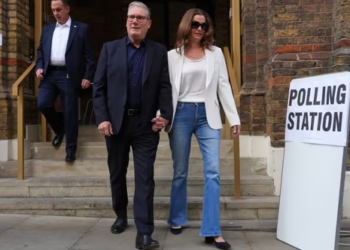 Major test for Labour as polls open in Great Britain
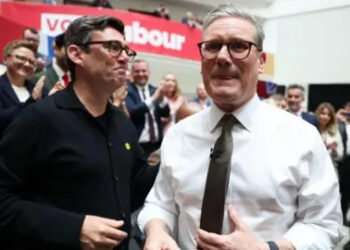 Labour Members Doubt Starmer Future as Burnham Leads Poll
 Reform UK Faces Crisis as Newly Elected Councillors Resign
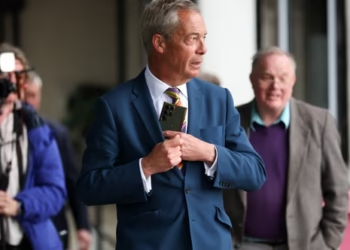 Farage Faces New Questions Over Private Helicopter Use
 Keir Starmer Struggles to Secure His Grip on Downing Street
 Farage Faces Standards Probe Over Cash Property Purchase
 Green Party Makerfield Candidate Resigns Over Posts
 Secret Role of UK Security Services in Troubles Amnesty Law
 Farage and Reform UK Reshape British Politics
 Starmer Leadership Under Pressure After Setbacks
 Minister Criticises Police Guidance Amid Southampton Protests
 Makerfield Voters Demand Real Change as Election Looms
 The Hidden Crisis Eroding Trust in British Communities
 Deepfake Abuse on X Sparks Safety Concerns for Dissidents
 UK Ministers Lobby Trump Over Under-16s Social Media Ban
 Labour MP Revives Blocked Assisted Dying Bill in Commons
 Starmer Resolves to Fight Burnham in Leadership Battle
 Starmer Set to Announce Exit Plan as Burnham Eyes No 10
 Hollie Ridley to Step Down as Labour General Secretary
 Jarvis Urges Burnham to Secure 3.5% Defence Spending
 Farage Warns Sky News Following Financial Inquiry
 Reform UK Finances Face Deep NCA Probe
 Ann Widdecombe, Formidable Political Figure, Dies at 78
 Treasury Reform Urged After Tragic Loss
 Sadiq Khan Backs Call for Maximum UK Work Heat Limit