Published: 06 July 2026. The English Chronicle Desk. The English Chronicle Online.
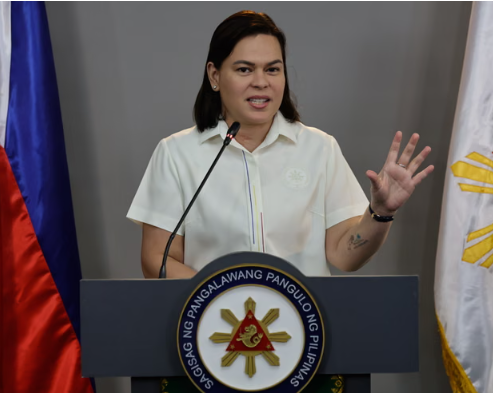
The Philippine Senate officially began the historic impeachment trial of Vice President Sara Duterte this Monday. This significant constitutional proceeding aims to determine if the country’s second-highest official should be removed from her post. The Senate chamber transformed into an official impeachment court to hear four grave articles of impeachment brought against her. Vice President Duterte was notably absent from the opening session but remained represented by her dedicated legal team throughout the day. Senator-judges voted to elect Senator Francis Escudero as the presiding officer following an intense debate over procedural rules. The atmosphere inside the Senate was marked by heavy security as thousands of police officers maintained order outside the building. Proponents and opponents of the Vice President gathered in the vicinity to express their passionate views during this high-stakes moment.
The impeachment trial holds massive implications for the future of the nation and the upcoming presidential election cycle of 2028. A guilty verdict would result in her removal from office and a permanent disqualification from holding any future public position. Current polls and political analysts often describe her as a leading contender for the next presidential race in the country. Observers frequently frame this legal battle within the context of a deepening political rift between the powerful Duterte and Marcos families. These two dynasties originally joined forces during the 2022 elections to secure a sweeping victory that reshaped the national landscape. Since then, significant tensions have surfaced, notably involving the international legal standing of former President Rodrigo Duterte. Many analysts suggest that the current administration is actively working to dismantle the influence of the Duterte family before the next election.
The articles of impeachment detail a series of serious allegations regarding the conduct of the Vice President during her term. Prosecutors from the House of Representatives have leveled four distinct charges that form the foundation of their case against her. These charges include the alleged misuse of over 600 million pesos in confidential funds designated for her office and education departments. Additional articles focus on claims of unexplained wealth, discrepancies in financial statements, and failures to truthfully disclose assets as required by law. The prosecution also included allegations of bribery and procurement irregularities involving various officials within the Department of Education under her previous leadership. Perhaps most controversially, one article accuses the Vice President of making grave threats against President Ferdinand Marcos Jr. and the First Lady. She has consistently denied all these allegations while her legal team argues that the proceedings are politically motivated and lack substantial evidence.
The logistical framework for this trial is extensive, with the Senate approving a schedule spanning over 90 days to hear the case. House prosecutors have been granted 62 trial dates to present their witnesses, documents, and other critical evidence to the court. The defense team will have 30 scheduled trial dates to respond to the allegations and present their own roster of witnesses. The court has already begun to exercise its authority by issuing subpoenas to several banks to review financial records connected to the Vice President. These records are expected to play a central role in proving or disproving the allegations concerning her personal wealth and the usage of government funds. The presiding officer clarified that a conviction requires a two-thirds majority vote from the sitting senator-judges to successfully remove her from office. With a limited number of senators participating, this threshold for conviction remains a critical focus for both the prosecution and the defense.
Public reaction to the trial has been deeply divided, reflecting a broader sense of political polarization currently gripping the Philippine population at large. Many citizens are expressing growing frustration with what they perceive as widespread corruption and a lack of accountability among the highest levels of government. Protest groups calling for conviction argue that the Vice President must be held to the same standards of integrity expected of any civil servant. Conversely, supporters of the Vice President have organized their own demonstrations to voice their belief that she is a victim of a targeted political persecution campaign. They maintain that the charges are part of a coordinated effort by the current administration to eliminate a formidable political rival before the next election. Academic experts note that the public mood is increasingly impatient, as citizens demand transparency and a fair resolution to the ongoing national crisis. The trial is now expected to continue for several months as both sides prepare for a prolonged and highly complex legal confrontation.
Check our latest news
Related News:
 UK Banks Granted Reprieve as BoE Delays Basel III Capital Rules Until 2028
 Singapore Corruption Scandal: Details Emerge on Iswaran’s Luxury Flight and Ties to Tycoon Ong Beng Seng
 Corfu Beyond the Crowds: Discovering Serenity in Southern Villages and Hidden Taverns
 Zelenskyy Signs Fighter Jet Deal Amid Russian Drone Attacks
 Sundar Pichai Cautions on AI Hype and Market Risks
 Shadow Fleet at Sea: Europe’s Battle Against Illicit Oil Shipping
 Snow and Ice Cause Travel Chaos in North Yorkshire
 Director Michael Caton-Jones Reflects on Career and Beginnings
 Inside the Helpline Protecting Missing Children in the UK
 PlayStation PS5 Deals Hit Lowest Prices Ahead of Black Friday
 US Suspends Afghan Immigration After White House Shooting
 Five-Year-Old Dies After Rare Tonsil Surgery Complication
 Starmer Says Labour’s Economic Plan Needs Years to Deliver
 ‘Extinct’ Antelope Returns to Sahara, Bringing Hope
 IndiGo Cancels Hundreds of Flights Amid Pilot Shortages
 Young Britons Face Heaviest Burden from Ageing Population, Lords Warn
 U‑Turn on Farmers’ Inheritance Tax Sparks Political Firestorm
 Aston Villa Remain Arsenal’s Key Obstacle in Title Pursuit
 Irish Beach Tragedy: Irish Drown at Whitehaven Beach in Australia
 Starmer Faces Parliamentary Battles Over UK-EU ‘Reset’ Plan
 Met Police Vetting Failures Let Serial Rapists Remain
 Federal Immigration Shift: Officers Leave Louisiana for Minneapolis
 Fatal Bolton Taxi Crash Claims Three Teens and Driver
 Australia grants Asio powers to designate hate groups under new laws
 Friedman Uninvited From 2024 Adelaide Writers’ Week
 ScottishPower Tops List of Worst UK Energy Suppliers
 Judi Dench Champions Fight to Save London’s Green Spaces
 Crowborough Camp Welcomes First Asylum Seekers
 BBC Funding Crisis: Tim Davie Warns of Jeopardy Ahead
 ABC Facebook Page Briefly Hacked, Adult Photos Posted
 Artificial intelligence will cost jobs, admits Liz Kendall
 Older Women Vanish from BBC Screens, Review Confirms Bias
 Meta trial over child exploitation claims begins
 Streeting moves on doctor pay to end strike dispute
 Ben Stokes injury joke after brutal ball strike
 UK and US Drop in Global Corruption Index Rankings
 Send spending gap leaves deprived areas behind
 Hidden Crisis: Domestic Abuse Suicide Toll in UK
 UK Unemployment Rate Climbs to 5.2% Peak
 Canberra Poster Seizure Sparks Free Speech Row
 BBC World Cup Presenting Duties Shared Among Trio
 Wales Approves Assisted Dying Bill Consent
 CPS Updates Guidance on Honour-Based and Dowry Abuse
 Stewart Brand on Musk, Bezos and a Life of Long Thinking
 English Cricket Faces Moral Crisis Over Indian Investment
 Wes Streeting faces narrow road to Labour members’ favour
 Keir Starmer Struggles to Secure His Grip on Downing Street
 Trump and Xi Convene in Beijing for Historic High-Stakes Summit
 Farage Faces Standards Probe Over Cash Property Purchase
 Closing the Gap: UK Pensions Commission Demands Action
 Reality TV Under Scrutiny Following Serious Allegations
 UK Eases Russian Oil Sanctions as Fuel Costs Soar
 Alice Capsey Sparks England Win With Brilliant Fifty
 Maldives Cave Diving Tragedy Raises Safety Alarm
 Russian Electronic Attack Targets UK Defence Chief Jet
 UK Shoppers Face Prolonged Price Rises At Tills
 Tube Strike Brings Capital to a Standstill Over Shift Disputes
 Makerfield Voters Demand Real Change as Election Looms
 Man City Threaten Legal Action Over Haaland Real Madrid Shirt
 Celestial Waltz: Venus and Jupiter Meet at Twilight
 Abbott Signals Bold Strategy Change For Australian Right
 Ryanair Faces Probe Over Mandatory Family Seating Fees
 Britain’s Crowning Butterfly Takes the Nation by Storm
 Fifa Official Under Investigation Over Hand Gesture Controversy
 US Trafficking Arrest Exposes Shocking Exploitation
 Trump Signs Landmark Iran Accord in Versailles
 Grief and Devotion Amidst the Rubble of Nabatieh
 Stirchley Community Housing Scheme Faces Crisis
 Watchdog Warns Ministers to Pause Impending HS2 Reset
 EU Slashes Steel Quotas But Grants UK Favourable Rates
 Trump Faces Backlash Over $2bn Earnings Since Return
 Starling Bank Trims Jobs for AI Future
 England Triumph in Azteca World Cup Thriller
 US Airman Avoids British Court in Indecent Exposure Case
 Britain’s Mini Fan Craze Sparks Major Waste Crisis
 Trump Swaps Planes Amid Iran Tensions
 Ann Widdecombe, Formidable Political Figure, Dies at 78
 UK Schools Struggle as Classrooms Top 40C
 Yemen Accuses Iran of Violating National Sovereignty
 Houthis Strike Saudi Arabia as Middle East Tensions Rise