Published: 6 July 2026 | The English Chronicle Desk | The English Chronicle Online
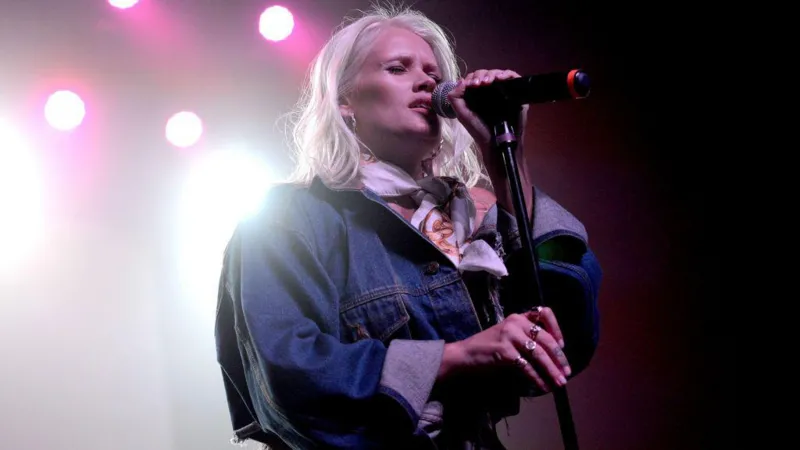
British singer Lauren Bennett, best known for lending her vocals to LMFAO’s global chart-topping hit Party Rock Anthem, has died at the age of 37, prompting an outpouring of grief from fellow musicians, fans and colleagues who remembered her as a gifted performer with a vibrant personality and a lasting impact on pop music.
The news of Bennett’s death was announced by her former pop group G.R.L. through an emotional statement shared on social media. While the group confirmed her passing, no cause of death was disclosed, and representatives for the singer did not immediately provide additional details.
“It is with great sadness that we share the passing of our beloved Lauren,” G.R.L. wrote in a heartfelt Instagram post. “Our hearts are broken, and we cannot begin to express how much she meant to us.”
The announcement quickly spread across the music industry, with tributes pouring in from fans around the world who remembered Bennett for her unmistakable voice and her contribution to one of the defining pop songs of the early 2010s.

Although she enjoyed success across several musical projects, Lauren Bennett became internationally recognised through her performance on LMFAO’s Party Rock Anthem, released in 2011. The energetic dance-pop anthem became a worldwide sensation, dominating charts in dozens of countries and establishing itself as one of the biggest-selling singles of the decade.
The song topped the Billboard Hot 100 chart in the United States for six consecutive weeks and reached number one in numerous international markets, including the United Kingdom, Australia, Canada and several European countries.
More than a decade after its release, Party Rock Anthem remains one of the most commercially successful songs in modern pop history. Billboard has ranked it among the most successful singles ever to appear on the Hot 100, reflecting its remarkable chart longevity and global popularity.
Bennett’s vocal contribution became an integral part of the song’s identity. Her soaring chorus contrasted perfectly with the energetic rap verses performed by LMFAO members Redfoo and SkyBlu, helping create a crossover hit that appealed to audiences across genres.
She also appeared prominently in the music video accompanying the single, which has accumulated more than 2.5 billion views on YouTube and remains one of the platform’s most-watched music videos.
For millions of listeners, Bennett’s voice became synonymous with an era defined by dance-pop, electronic music and festival culture.
Despite the overwhelming success of Party Rock Anthem, Bennett continued pursuing new musical opportunities rather than relying solely on that achievement.
She later joined G.R.L., a girl group formed in 2014 as a revival project inspired by The Pussycat Dolls. Alongside fellow members Paula Van Oppen, Natasha Slayton, Simone Battle and Emmalyn Estrada, Bennett sought to establish the group as a fresh force within contemporary pop music.
G.R.L. quickly gained attention with energetic performances and polished vocal harmonies.
Their breakout single, Ugly Heart, became a commercial success in several countries, earning praise for its catchy melody and empowering lyrics. The group also collaborated with rapper Pitbull on the single Wild Wild Love, further increasing its international profile.
Music critics viewed G.R.L. as one of the promising emerging female pop groups of the mid-2010s.
However, tragedy struck later that same year when group member Simone Battle died by suicide at the age of 25.
Her death deeply affected both the remaining members and the wider music community.
The emotional impact ultimately contributed to G.R.L.’s decision to disband in 2015, bringing an abrupt end to a project that many believed had significant long-term potential.
Following the group’s dissolution, Bennett continued working within the music industry, contributing vocals to film soundtracks and various recording projects.
Among her notable work were performances featured in the soundtracks for the films Date Night and 21 Jump Street, demonstrating her versatility as both a studio vocalist and performer.
Although she maintained a lower public profile than during the height of Party Rock Anthem’s success, Bennett remained respected within the industry for her vocal talent and professionalism.
Those who worked alongside her frequently described her as warm, generous and dedicated to her craft.
Following confirmation of her death, tributes emerged from fans across social media platforms, many recalling how her music formed part of the soundtrack to their youth.
For countless listeners, Party Rock Anthem represented more than simply a chart hit.
Released during the rapid expansion of digital music streaming and social media, the song became an international cultural phenomenon. It dominated parties, festivals, sporting events and celebrations, helping define popular music during the early 2010s.
Its influence extended well beyond commercial success.
The track inspired countless dance videos, internet memes and viral performances, becoming one of the most recognisable pop songs of its generation.
Bennett’s contribution, though sometimes overshadowed by the song’s headline performers, remained central to its enduring appeal.
Music historians often note that memorable choruses frequently determine whether dance records achieve lasting popularity, and Bennett’s powerful vocal performance undoubtedly played a significant role in transforming the track into a global anthem.
The emotional statement released by G.R.L. reflected not only professional admiration but also deep personal affection.
“We will forever cherish the love, laughter, and countless memories she gave us,” the group wrote.
“Her beautiful spirit touched so many lives, and she will be deeply missed and forever loved.”
The tribute resonated with fans who remembered Bennett as someone whose positivity extended beyond the stage.
Industry observers have also reflected upon the unique nature of Bennett’s career.
While she may not have enjoyed prolonged solo superstardom, her voice became permanently associated with one of the defining songs of an entire generation.
Few performers contribute to recordings that achieve such extraordinary commercial and cultural longevity.
Music executives point out that global hits of Party Rock Anthem’s scale are exceptionally rare, with only a small number of songs maintaining widespread recognition more than a decade after release.
As news of her death spread, radio stations and streaming platforms saw renewed interest in Bennett’s catalogue, with listeners revisiting both her work with LMFAO and her later recordings with G.R.L.
The renewed attention serves as a reminder of the lasting influence artists can have through even a relatively small body of work.
Beyond commercial statistics and chart records, Lauren Bennett leaves behind a legacy rooted in music that brought joy to millions.
Her performances helped define celebrations, weddings, festivals and countless personal memories around the world.

While her career experienced both remarkable success and profound personal tragedy, those who knew her and those who admired her work continue to remember her for her talent, kindness and unmistakable voice.
Her passing at just 37 years old represents a significant loss for the music industry and for fans who grew up singing along to one of pop music’s most unforgettable anthems.
As tributes continue to arrive from across the entertainment world, Lauren Bennett’s contribution to modern popular music remains secure. Though her life has ended far too soon, the songs she helped create—and the memories attached to them—will continue to resonate with audiences for years to come.
Related News:
 Judge Urges Settlement in Gaza Comments Dispute
 Guests Share Memories of Taylor and Travis Wedding
 A New Wrestling Revolution: Fox Nation Teams with Hulk Hogan and Eric Bischoff for Groundbreaking League
 Gen Z Embraces the Big, Bold ‘Fake’ Indian Wedding Party Trend
 Terence Stamp, ’60s British Film Legend and Star of Superman, Dies at 87
 Kneecap Pushes Forward with European Tour Despite Hungary Ban and Canceled Gigs
 Fabio Wardley stuns Joseph Parker to earn Usyk title shot
 Top Christmas Books Reads: Classics to Cozy Romcoms
 I’m a Celebrity 2025 line-up revealed: Osbourne joins
 Pokémon to open world’s first theme park in Japan next year
 Miss Mexico Wins Miss Universe After Walkout Drama
 Robert Duvall dies aged 95, Hollywood mourns
 Actor Robert Duvall, Who Starred in The Godfather, Dies Aged 95
 Netflix and Paramount Are Battling for Warner Bros. — Who Is Likely to Win?
 The Chinese AI App Sending Hollywood Into a Panic
 Live Nation Sees Strong Ticket Sales as Monopoly Lawsuit Looms
 ‘We Pray for Peace’: Indian Filmmaker From Troubled State Who Won a BAFTA
 Man, 83, in Taylor Swift Video Had ‘No Idea Who She Was’
 Martin Short’s Daughter Katherine Dies at 42
 Mediterranean Storms: A New Era of Climate Tragedies
 Netflix Drops Warner Bros Bid, Clearing Way for Paramount Takeover
 South African TV Personality Who Planned to Take His Life Dies Aged 61
 Boy George Says He’s Using ChatGPT to Help Write New Songs
 Tears and Cheers as Controversial Long‑Running Australian Breakfast Radio Show Implodes
 Rihanna’s Beverly Hills home hit by gunfire, police say
 Thakkali Srinivasan Dead: Beloved Actor and Musician Dies After Health Battle
 Kid Rock Sparks US Army Probe After Apache Helicopters ‘Pause’ at Tennessee Estate
 ‘I’m So Ready’: Céline Dion Announces 10-Night Paris Comeback Residency
 Army Probes Apache Flyover at Kid Rock’s Nashville Estate
 ‘United by Music’: Eurovision Song Contest Officially Launches First-Ever Asia Edition
 ‘Evidential Threshold Not Met’: Details Emerge of Historic Sexual Offence Probe into Scott Mills
 ‘Southern White House’ Stunt: US Army Probes Apache Flyby at Kid Rock’s Mansion
 ‘The Show Must Go On’: Megan Thee Stallion Hospitalized Mid-Performance in Broadway Debut
 “It Ends With Trial”: Judge Tosses Blake Lively’s Sexual Harassment Claims Against Justin Baldoni
 US Senators Slam Ticketmaster Over Sneaky New Fee Hikes
 ‘Some Might Pay’: The Guitar That Built ‘(What’s the Story) Morning Glory?’ Heads to Auction
 The Suffocating Silhouette: Why Metal’s Mask Trend is Turning Deadly
 Chaos for Concertgoers: Wireless Festival Cancelled Amid Kanye West Entry Row
 Space Odyssey ‘Bum Note’: UK Band Linked to Artemis II’s ‘Toilet Trouble’
 The Planet Rock Sunset: Hip-Hop Architect Afrika Bambaataa Dies Aged 68
 A Nation in Mourning: Millions Gather for Iconic Indian Singer’s Final Journey
 Sussexes Land Down Under: Harry and Meghan Begin Privately Funded Australia Tour
 Heartbreak on the Rails: World-Renowned Violinist, 79, Pleas for Return of Stolen Instrument
 Legacy of the Future: Prince Harry Argues Children Should Be an ‘Upgrade’ of Parents
 Arrest Made: Singer D4vd Held Without Bail in Death of 14-Year-Old Girl
 Tears and Tributes: Harry and Meghan Meet Bondi Shooting Survivors
 Blockbuster Resurrection: Avengers Reassemble and Top Gun Returns as Studios Tease 2026 Slate
 King of Pop Biopic Trashed as ‘Bland and Soulless’ Cash Grab
 “PCD Maybe Never”: Pussycat Dolls Ax North American Tour Amid Sluggish Ticket Sales
 “The Centenary of a Giant”: Sir David Attenborough Celebrates 100th Birthday with ‘Milestone’ Global Quiz
 “The Broken Slogan”: How the Israel Fallout is ‘Clinically’ Rewriting the Eurovision Rulebook
 “The Reality Reckoning”: Government Demands Accountability as Channel 4 Pulls Married at First Sight UK Over Grave Sexual Assault Allegations
 Rivalry That Changed Modern Football Forever
 Fans Bring Flags and Fire to World Cup Scenes
 11 EFL Stars Ready to Shine at World Cup
 Arsenal Trio Named on Player of the Year List
 Three Arsenal Stars Make Award Shortlist
 Robinson Shines as New Zealand Collapse for 113
 Fans Invited to Share Scotland World Cup Stories
 Stormzy Leads Tributes as Music World Remembers Slain Grammy-Winning Artist
 Olivia Rodrigo May Sing About Heartbreak, but She Already Knows Her Wedding Song
 UK Actress Charged Over Alleged A$300 Million Methamphetamine Import Plot in Australia
 Isle of Wight Festival Opens With Music, Colour and Celebration
 Bad Bunny Lights Up London with History-Making Stadium Show
 What We Know About Taylor Swift’s Rumoured New York Wedding Celebrations
 Sabrina Carpenter and Graham Norton Seen in New York as Speculation Grows Over Rumoured Taylor Swift Wedding Celebrations
 From Friendship Bracelets to Wedding Rings: A Timeline of Taylor Swift and Travis Kelce’s Relationship
 Taylor Swift and Travis Kelce Marry at Madison Square Garden
 The ‘Special Relationship’ at 250: Irrelevance or Influence?
 Australian PM Apologises Over Kylie Minogue Remarks
 Australian Families Leave Syrian Camp for Home
 ‘I Would Scream in My Sleep’: Alawite Women from Syria Tell of Kidnap and Rape
 Epstein Eyed Record Label Investment to Access Women, Files Suggest
 How Do You Modernise Mango Farming? India’s Growers Urged to Innovate as Climate Change Hits
 Meet Robert Aramayo: From Humble Beginnings in Hull to Juilliard and BAFTA Glory After Beating Timothée Chalamet
 Justice and Deceit: High Court Convicts Woman in Hong Kong Blackmail Plot
 “Three-Wheeled Triumph”: Mayor of Erewash Completes 2,000-Mile European Charity Run
 Tragedy in the Red Centre: Outback Search Ends in Discovery of Missing Girl’s Body
 “An Endurance Test for the Mind”: British Couple Sentenced to 10 Years in Tehran
 US to Escort Trapped Ships Through the Strait of Hormuz