
Published: 6 July 2026 | The English Chronicle Desk | The English Chronicle Online
A mother who accused her former partner of rape has successfully challenged a family court ruling after an appeal court found that the original judge’s handling of the case was flawed, marking a significant development in an increasingly scrutinised area of family justice.
The appeal judgment has reignited debate over how allegations of sexual violence are considered during child custody and family law proceedings, with legal experts saying the decision reinforces the need for courts to carefully assess evidence while ensuring that survivors of alleged abuse receive fair treatment throughout the judicial process.
The woman, whose identity remains protected for legal reasons, had challenged an earlier family court decision involving allegations that she had been raped by her former partner. The appeal court concluded that aspects of the original judgment required reconsideration and ruled in her favour, meaning parts of the case will now be reconsidered under the appropriate legal framework.

The decision is not a finding of criminal guilt against the former partner, nor does it amount to a criminal conviction. Instead, it concerns the way the allegations were assessed within family court proceedings, where judges determine matters relating to children and family welfare using civil legal standards rather than criminal ones.
Legal specialists stress that family courts operate differently from criminal courts. Their primary responsibility is to determine arrangements that serve the best interests of children involved in a dispute, rather than deciding criminal liability.
Nevertheless, allegations of domestic abuse, coercive behaviour or sexual violence can play an important role when judges assess parenting arrangements and the overall welfare of children.
According to the appeal judgment, the higher court identified errors in the legal reasoning adopted by the original judge. Those errors, the appeal judges concluded, were sufficiently significant to justify overturning parts of the earlier decision.
Although detailed facts remain subject to reporting restrictions designed to protect the privacy of the family and any children involved, the judgment is expected to influence future family court cases involving allegations of sexual abuse.
The case has attracted considerable attention from legal practitioners because it touches upon broader concerns regarding consistency in family court decision-making.
Campaigners supporting survivors of domestic and sexual abuse have long argued that allegations are sometimes misunderstood or insufficiently examined within private family proceedings.
They contend that judges must carefully consider patterns of coercive control, psychological abuse and sexual violence when evaluating evidence relating to parental responsibility and child welfare.
At the same time, legal experts emphasise that allegations must always be tested fairly through established judicial procedures.
Every individual appearing before the courts is entitled to due process, and judges must evaluate all available evidence impartially before reaching conclusions.
The appeal court’s ruling therefore focuses on ensuring legal standards are correctly applied rather than favouring either party.
Family law specialists note that appeals of this nature are relatively uncommon because appellate courts generally respect factual findings made by trial judges.
However, where legal errors or procedural shortcomings are identified, higher courts possess the authority to overturn decisions and order further hearings.
The latest ruling demonstrates the importance of judicial oversight in maintaining consistency across the family justice system.
The decision also arrives amid continuing reforms aimed at improving how family courts respond to allegations of domestic abuse.
Recent years have seen increased judicial training on issues including coercive control, sexual violence and trauma-informed approaches to evidence.
These reforms reflect growing recognition that abuse within intimate relationships can take many forms beyond physical violence and may influence family dynamics long after relationships end.
Women’s rights organisations welcomed the appeal outcome, describing it as an important reminder that allegations of sexual violence require careful and legally robust consideration within family proceedings.
Several advocacy groups said the judgment may encourage greater confidence among survivors who are required to participate in complex family court disputes involving former partners.
Meanwhile, legal representatives for fathers’ rights organisations reiterated that all allegations must continue to be assessed on the basis of evidence rather than assumption.
They argued that maintaining procedural fairness remains essential for protecting the rights of every individual involved in family litigation.
The broader debate illustrates the delicate balance family courts must maintain.
Judges are frequently required to make difficult decisions involving conflicting evidence, deeply personal allegations and the welfare of children whose interests remain the court’s paramount concern.
Unlike criminal proceedings, where guilt must be proven beyond reasonable doubt, family courts determine disputed facts using the civil standard known as the balance of probabilities.
This lower evidential threshold reflects the different purpose of family proceedings but also requires judges to provide clear reasoning for their conclusions.
Legal academics suggest the appeal judgment may now become an important reference point in future family law cases, particularly where allegations of sexual violence intersect with decisions about child contact or parental responsibility.
The ruling may also contribute to ongoing judicial training programmes designed to improve consistency across the courts.
Although the appeal represents a significant legal victory for the mother, the underlying proceedings are unlikely to conclude immediately.
Depending on the specific directions issued by the appellate court, aspects of the case may return to the family court for further consideration under revised legal guidance.
The outcome of those future proceedings will depend upon the evidence presented and the application of the legal principles identified by the appeal judges.
The identities of those involved remain protected to safeguard the privacy of the family, particularly any children connected to the proceedings.
Such reporting restrictions are a longstanding feature of family justice in England and Wales, reflecting the courts’ responsibility to protect minors from unnecessary public exposure.
The latest judgment ultimately underscores the central role of appellate courts in ensuring fairness within the justice system.
By reviewing lower court decisions where legal errors are alleged, appeal judges help maintain consistency, reinforce established legal principles and strengthen public confidence in judicial decision-making.

As family courts continue adapting to evolving understanding of domestic and sexual abuse, the case is likely to remain an important point of discussion among lawyers, judges and advocacy organisations.
It highlights the challenges courts face when addressing deeply contested allegations while safeguarding both procedural fairness and the welfare of children.
For now, the appeal court’s decision represents a significant milestone in an individual legal dispute, while also contributing to the wider national conversation about how family justice should respond to allegations of sexual violence within complex family relationships.
Related News:
 Stop Releasing Phone Thieves Who Reoffend, Met Police Chief Urges Courts
 Disability and LGBT Hate Crimes Set to Become Aggravated Offences
 Last‑ditch Call to Save Police Front Counters in London
 Sadistic Pair Jailed for Blowing Up Sheep
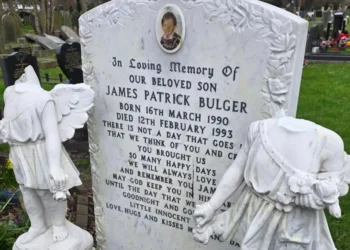 Grave of Murdered Toddler James Bulger Vandalised
 Outsiders Disrupted Search for Missing Teen Noah Donohoe
 Police Brothel Raids Target Organisers, Not Sex Workers
 Family of Girl Groomed by Ian Huntley Beg Medics to Save His Life
 Sarah Everard’s Killer Wayne Couzens ‘Petrified’ After Ian Huntley Prison Attack
 Undercover officer deceived women with ‘grotesque and cruel’ lies, spycops inquiry told
 Gran Vows to Shield Huntley’s Daughter From Soham Killer’s Funeral
 Burglar’s Bizarre Excuse After Bedroom Break-In
 King Charles Strips MBE and OBE Titles from Nine People Including Stuart Hogg
 Mum Forces Killer Son Back to Crash Scene After He Mows Down Pensioner
 Mum-of-Three Blackmailed Men After Sending Nude Photos
 Blind Woman Forced to Move Out After Leak Causes Ceiling to Cave In
 Rapist Caught After Victim Calls Police Mid-Attack

 Brutal Attack on Officer Leads to Five-Year Sentence
 Hazardous Material Found in Scots Home Raid
 Families Tortured by Authorities During Investigations Inquiry Told
 Watchdog Probes Police Handling of Andrew Tate Abuse Claims
 Dawn Raids in Scotland and Spain: Eight Arrested in Major Organised Crime Sting
 ‘I Didn’t Realise’: ‘Housebound’ Benefit Cheat Caught Ziplining in Mexico
 ‘An Evil Man is Dead’: Australian Fugitive Dezi Freeman Shot Dead After 216 Days
 Three-Minute Heist: Renoir, Cézanne, and Matisse Masterpieces Stolen in Italy
 Heartbreak in Bournemouth: The Tragic Death of James Blanch
 Rebranded or Reclaimed? Seized Tate Assets to Fund Domestic Abuse Support
 The Victim-Blame Loop: When Protection Orders Backfire
 The Courtroom Clash: Couple Denies Charges in Alleged Racially Motivated Assaults
 Justice Served: Man Jailed for Grooming Minor Met on Gaming Platform
 Protests and Police: Four Arrested as Tension Boils Over in Epsom Rape Case
 ‘Thugs for Hire’: 17-Year-Old Charged in Counter-Terror Probe Following Synagogue Firebombing
 ‘A Sacred Space Shattered’: Two Found Guilty in London Church Drive-By Murder Trial
 Autopsy Reveals “Penetrating Injuries” in Death of Teen Found in Singer D4vd’s Car
 “Significant” Fire at Pink Punters: 51-Year-Old Man Arrested Following LGBT+ Club Blaze
 “The Shadows Never Leave”: Survivor of 1970s “Horror Orphanage” Continues Fight for Justice
 500 Officers, 10 Arrests: Crewe Religious Group at Centre of Modern Slavery and Sex Crimes Probe
 “Justice Has No Expiry Date”: Six Arrested in Major Probe into Historical Child Sexual Abuse
 “A Trail of Blood and Debt”: County Lines Kingpin Handed Life Sentence for “Senseless” Gangland Murder
 Barrister Criticises Trial After Suicide Case Verdict
 Victim says non-custodial rape sentence ‘rock in my face’
 Man Arrested 22 Years After Leeds Teen Murder
 Woman Claims Swinging Website ‘Facilitated Abuse’ and Left Her Traumatised
 Targeted Attack in Bury Sparks Murder Investigation as Community Awaits Justice
 Merseyside Police Helicopter Crew Cleared After Low-Altitude Pursuit of Suspect
 No Evidence Found to Substantiate Alleged Rape in Oxfordshire Churchyard, Police Confirm
 French Taxi Driver Cleared in David Lammy Theft Case After Fare Dispute
 Serial Rapist and Former Cop Found Guilty Again
 Woman Jailed for Life After Killing E-Bike Rider in Tragic Mistaken Identity Case
 Motorists Could Face ‘Mandatory’ Driving Ban for Road Offences Under Tougher Laws
 Epstein Eyed Record Label Investment to Access Women, Files Suggest
 Fly-Tippers to Be Hunted by ‘Drone Squad’ in Crackdown from the Sky
 ‘Don’t Make Us Security Guards,’ Says Teacher Stabbed by Pupil
 Rape Accused Had Fight With Man in Alley, Court Told
 Suspects in Lisa Dorrian Case Released on Bail
 Driver Jailed Over Fatal Water Treatment Tank Crash
 Calls Grow to Remove Billboard Following Lyra McKee Graffiti
 Labour MP’s Partner Arrested on Suspicion of Spying for China
 Police Scotland Pays £8m Compensation to Staff
 Armed police incident closes major road
 Scots Man Convicted in Dirty Money Case After DNA Found on Cash
 Teen Wins Payout After TRNSMT Crush Horror
 Biker Suffers Fractured Spine After Hitting Pothole in Edinburgh
 Liverpool Shooting Horror as Girl, 17, Shot in Legs in ‘Targeted Attack’
 Two Men Bailed Following Arson Attack on Jewish Charity Ambulances
 US Lawmaker Demands Testimony Over Sarah Ferguson’s ‘Close Epstein Ties’
 The Last of the Lords: Two Hereditary Peers to Retain Ceremonial Roles Amid Historic Ousting
 ‘Eye in the Sky’ Blinded: Photos Reveal Destroyed US Radar Jet at Saudi Base
 Four Teens Charged After Assault on Rescue Volunteer and Dog
 Woman Deported from China Over Manx Passport Mix-Up
 Police Hunt Bike-Riding Gunman After Man Shot Dead Near Euston
 The Fallen Icon: Ben Roberts-Smith Charged with Five War-Crime Murders
 The Gilgo Beach Case: Heuermann Expected to Plead Guilty to Eighth Victim
 Paws on the Wheel: Driver Facing Fine After Dog Photographed on Lap
 The Miracle of Phoenix: ‘Half Dead’ Rescue Dog Defies the Odds in Worcestershire
 Toxic Trail: Dog Owners Warned Over ‘Vile’ Poisoned Meat Found in Parks
 Misconduct Inquiry Launched Over Fatal Schoolgirl Crash Response
 Tragedy in the Red Centre: Outback Search Ends in Discovery of Missing Girl’s Body
 Widow Distressed by Nine-Month Delay to Husband’s Pension Payment