Published: 09 July 2026. The English Chronicle Desk. The English Chronicle Online.
As football teams prepare for the high stakes of the quarter-finals, many voices are warning that toxic political rhetoric is fueling a surge in racism against players. The tournament, which should be a celebration of international sporting excellence, is increasingly being marred by these troubling and highly visible discriminatory incidents both online and within stadiums. Samuel Okafor, the chief executive of the prominent UK-based anti-discrimination organisation Kick It Out, notes that the current political climate is clearly finding its way directly into the professional game. He believes that people are feeling far more emboldened to express hateful views than they have been in recent years. The abuse remains a significant problem because social media companies often fail to take full responsibility for ensuring that their platforms remain free from such vitriol.
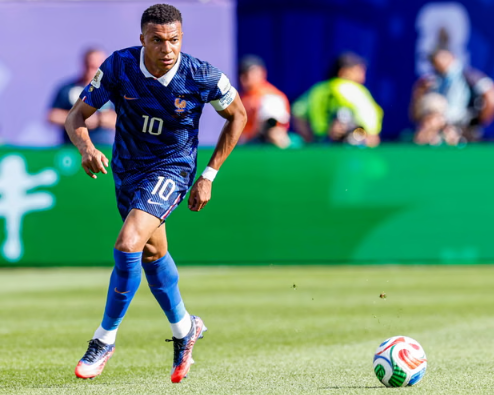
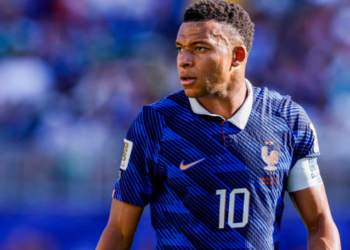
The global players’ union, Fifpro, was among the first to sound the alarm during the tournament regarding this disturbing trend. They stated recently that players are facing a growing pattern of abuse and have called for urgent collective action to protect participants from such hostility. Their official statement highlighted that athletes have encountered racist and discriminatory remarks both online and during in-person interactions. These events are certainly not isolated occurrences, but rather they represent a systemic pattern that football and society must refuse to accept as normal. The tournament has already seen a concerning series of incidents, including the Dutch football association filing complaints after their players were targeted online following a tough loss against Morocco. Furthermore, the Paris prosecutor launched an investigation into an alleged racist attack directed at Kylian Mbappé by a Paraguayan senator.
Earlier this month, London Mayor Sadiq Khan urged the media regulator Ofcom to investigate what he described as out of control online racism directed at various World Cup players. He stated clearly that society cannot allow a vile minority to divide people, especially during such a global event that is meant to unify nations. Simultaneously, the former Yugoslavia and Atlético Madrid striker Rade Bogdanović caused significant public outrage by making a racist comment on Serbian television regarding Black players. Data collected by Fifa’s social media protection service suggests that these reported incidents are merely the tip of a much larger and more dangerous iceberg. The service reported a thirteen-fold increase in online abuse during the group stage of this year’s World Cup competition.
Racially motivated abuse was the single largest category of harassment, making up eleven percent of all flagged posts during this period. This figure represents an increase from eight percent recorded during the 2022 World Cup held in Qatar, leading Fifa to officially acknowledge that these trends show a concerning direction for the future. More than one hundred individual posts have been formally referred to law enforcement officials for further investigation and potential prosecution. While some of this increased social media activity could be attributed to the tournament’s expanded format or improved detection technology, experts argue the data matches reports from the ground. Okafor confirmed that they have observed a consistent week-on-week increase in discrimination towards players, match officials, and their families across the sport.
He believes it is no surprise that teams from the Netherlands, Germany, France, and England are all facing these racial attacks, as this mirrors the troubling picture seen in domestic leagues throughout the season. Jacco van Sterkenburg, a professor who studies racism in sports at Erasmus University in Rotterdam, suggests that the window of what is considered acceptable public discourse has unfortunately shifted. Most people would quickly dismiss explicit racism, but the more implicit and subtle forms of prejudice have become increasingly common or harder to detect in the current atmosphere. These subtle forms of racism essentially act as a dangerous breeding ground for the more explicit and aggressive forms of hate to occur. Researchers have long documented the use of racially coded language in football, such as commentators who are more likely to describe Black players using references to their raw athleticism, speed, and power.
These same commentators often subtly minimize the tactical intelligence, technical ability, or decision-making skills of these very same talented athletes. Professor Van Sterkenburg draws a direct link between these coded forms of bias and the overt discrimination that is now making headlines across the world. He suggests that these subtle forms of prejudice create a specific context in which other explicit forms of racism become much more possible and socially acceptable. For Human Rights Watch, it is impossible to ignore that much of the World Cup is taking place in the United States, under the watch of an administration that has frequently embraced xenophobic language while carrying out strict immigration policies. Minky Worden of the organisation notes that if the government is deporting hundreds of thousands of people, then that provides a difficult backdrop for the entire tournament.
She argues that this national climate is inevitably affecting the significant uptick in racist attacks observed throughout the competition. Fifa has done little to address this wider context, despite the existing statutes that govern fundamental human rights and non-discrimination. Instead, the global football body has seemingly sought to present itself as being in lockstep with the current United States administration, even reportedly reducing the prominence of its anti-racism campaigning during last year’s Club World Cup. Fifa also named Donald Trump as the first winner of its newly created peace prize, a decision that raised many eyebrows and prompted significant criticism from human rights advocates. Worden believes that the situation is highly correlated because if communities of colour are under constant attack by political leadership, and Fifa leadership is seen consistently with those same figures, it sends a damaging message.
It suggests that even if there are various anti-racism initiatives at Fifa, they are perhaps not being taken very seriously by the organisation itself. Many critics have long expressed concerns that the World Cup in the United States could become a platform for political agendas rather than a celebration of the sport. Fifa partnering with various political figures has sent a clear signal to the rest of the world about their priorities. Fifa’s repeated failure to implement its own strict rules on non-discrimination in previous host nations and now in the United States has arguably given a green light to communities of hate, signaling that it will be acceptable to attack players without facing severe consequences. Football must find a way to reclaim its spirit of unity, ensuring that the beautiful game remains a welcoming space for every athlete and every fan, regardless of their background or skin colour.
Related News:
 Nike Charges Fans Most for World Cup Replica Shirts
 Safeguarding Probe Limits West Ham Owner’s Role
 Saka Playing Through Pain As England World Cup Campaign Looms
 England Cruise Past Costa Rica as World Cup Warm-Up Sharpens Tuchel’s Vision
 Football Hopes to Outshine World Cup Drama in Mexico
 Tension Grips Mexico City Ahead of World Cup Opener
 Inside the Three Lions: Bellingham Reveals Euro 2024 Flaws
 Chaos and Celebration at the Historic Azteca Stadium
 ‘We all love him’: Henderson backs Bellingham for England success
 Real Madrid Sign Marc Cucurella From Chelsea
 Why Bringing Back Jordan Henderson Is Thomas Tuchel’s Masterstroke
 Can France Escape the Ghosts of their 2002 World Cup Nightmare?
 Deschamps Shields Mbappé From Fierce Political Storm
 World Cup Fury as Iran Coach Slams Fifa and US
 Messi Equals World Cup Record In Masterclass Victory
 Erling Haaland Double Fires Norway To Victory On Debut
 Tuchel’s England Mission Goes Beyond Football Success
 Iran Files Official Fifa Complaint Over World Cup Travel
 Historic Victory for Canada as They Defeat Nine-Man Qatar
 Heartbreak for Canada as Koné Suffers Horrific Injury
 New Premier League Fixtures Set Stage for Thrilling Season
 Declan Rice Facing Burnout as Tuchel Confronts Midfield Crisis
 Rodrygo Reflects On World Cup Pressure And Social Media
 Cape Verde Hold Uruguay in Dramatic World Cup Clash
 World Cup 2026: Reclaiming the American Dream
 Martinelli Strikes Late as Brazil Edge Past Brave Japan
 Paraguay Shock Germany in Historic Penalty Shootout
 Morocco Beat Dutch in Wild World Cup Penalty Drama
 France Dominate Sweden as Deschamps’ New Era Takes Shape
 Haaland Heroics Send Norway Into Historic Last 16 Knockout
 Kane Saves Tuchel as England Survive Dramatic Exit
 Ramos Sends Portugal into the Last 16
 Spain Dominates Austria to Reach Quarter-Finals
 VAR Drama: Portugal Win in Thriller
 Swiss Star Manzambi Shines in World Cup Victory
 Taylor Swift and Travis Kelce Marry at Madison Square Garden
 Paul Seixas: French Cycling’s Teenage Hope at the Tour
 Norway’s Stunning World Cup Victory Over Brazil
 England Triumph in Azteca World Cup Thriller
 Trump’s Red-Card Intervention Hurts the US World Cup
 Trump Intervenes in Fifa World Cup Balogun Ban
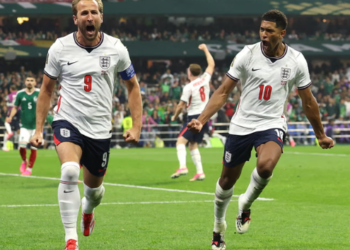 England’s 10 Men Hold Firm in World Cup Thriller
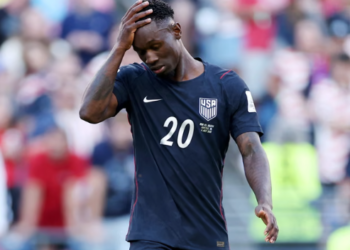 USA World Cup Heartbreak: Belgium Ends Their Dream
 Spanish Late Winner Sends Ronaldo Into Final Sunset
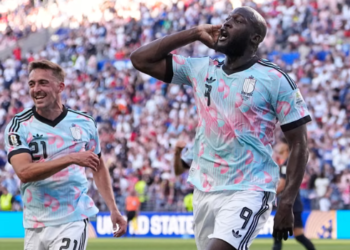 Belgium Thrashes USA After Red Card Controversy
 Ronaldo Says Farewell to the World Cup Stage
 Kylian Mbappé Slams Paraguayan Senator Over Racist Attack
 Messi’s Tears and Triumph in Epic World Cup Escape
 Switzerland Advance in Penalty Thriller
 Egyptian Fury After Argentina World Cup Heartbreak
 World Cup 2026 Power Rankings: England on the Rise
 Mbappé Brilliance Leads France Into Semi-Finals
 Belgium Draws Global Support Before Spain Showdown
 Haaland and Bellingham: A Dortmund Bond Tested
 Bryne Backs Haaland Before England World Cup Clash
 World Cup Fever Set to Boost UK Economy by £500m
 England and Norway Fans Turn Miami Into World Cup Carnival
 Spain’s Superstar Fan: Keyne Yamal Steals the Spotlight
 Lamine Yamal’s Birthday: Football, Fame, and France
 Rice Poised for England Semi-Final Clash Against Argentina
 Spain Clinch Final Spot in Masterclass Victory Over France
 Tuchel Backs England Stars to Overcome Messi’s Argentina
 Saka Solidifies Role as Tuchel’s Key England Lieutenant
 Tiny Curacao Makes History as Smallest Nation to Reach World Cup
 Australia Face Big Changes as Cummins and Lyon Ruled Out of Ashes
 Aston Villa Remain Arsenal’s Key Obstacle in Title Pursuit
 Liverpool Chase Champions Glory With Stunning Qarabag Victory
 Ben Stokes injury joke after brutal ball strike
 BBC World Cup Presenting Duties Shared Among Trio
 English Cricket Faces Moral Crisis Over Indian Investment
 Scott Parker Leaves Burnley After Premier League Drop
 Arteta urges Arsenal to step up in Atlético semi-final
 RFU Backs Borthwick Despite England’s Poor Six Nations
 Infantino Defends Soaring World Cup 2026 Ticket Costs
 England Call Up Janse van Rensburg for Nations Campaign
 Guardiola to Exit Man City; Maresca Lineup Nears
 Alice Capsey Sparks England Win With Brilliant Fifty
 Man City Threaten Legal Action Over Haaland Real Madrid Shirt
 Fifa Official Under Investigation Over Hand Gesture Controversy
 Canada Secure Historic Last 16 Spot with Late Goal