Published: 20 July 2026 | The English Chronicle Desk | The English Chronicle Online
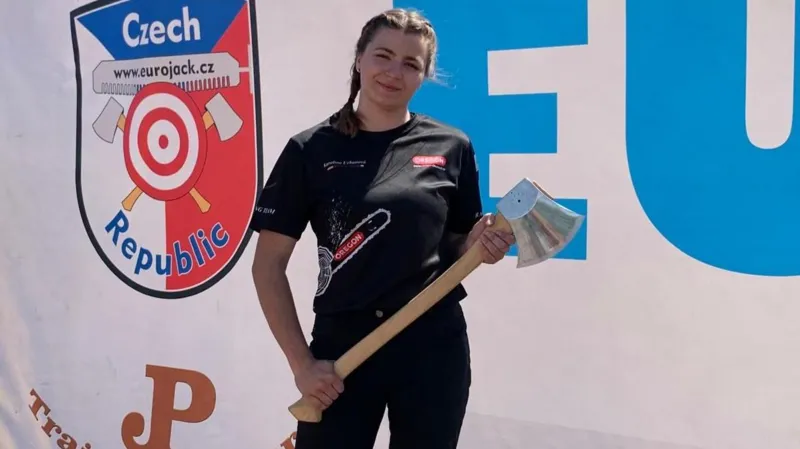
For generations, lumberjack sports were viewed as a discipline dominated almost entirely by men. Today, however, a growing number of women are rewriting that narrative, setting world records, winning international titles and inspiring a new generation of athletes to take up one of the world’s most physically demanding competitions.
From precision axe throwing and log rolling to high-speed chainsaw events and wood chopping, female competitors are proving they belong among the very best in the sport.
Many say their success is not just about breaking records—it is about breaking stereotypes.
“It makes me different,” one elite competitor said while reflecting on her journey into a sport few people expected her to pursue.
Lumberjack sports trace their origins to forestry communities, where workers competed to demonstrate the skills required in daily logging operations.

Over time, those practical contests evolved into organised sporting events featuring disciplines that test speed, strength, balance and technical precision.
Modern competitions include standing block chopping, underhand chopping, springboard climbing, chainsaw racing, log rolling and axe throwing.
Athletes train year-round to master techniques that require exceptional physical fitness and concentration.
Although women have participated in lumberjack sports for many years, recent seasons have seen unprecedented growth in female competition.
Athletes are now setting world records in events once considered exclusively male territory.
International championships have expanded opportunities for women, while increased media attention has helped raise the profile of the sport.
Competitors say greater visibility is encouraging more girls and young women to give lumberjack events a chance.
Despite appearances, success in lumberjack sports depends on much more than physical strength.
Athletes emphasise that technique, rhythm, timing and accuracy are equally important.
Wood chopping, for example, requires competitors to read the grain of the timber, control every swing and maintain efficiency under intense pressure.
Log rolling demands balance, agility and quick reactions, while axe throwing relies heavily on consistency and precision.
Many female athletes argue that these technical elements create a level playing field where dedication matters more than stereotypes.
Several women have recently established new world records across multiple lumberjack disciplines.
Their achievements demonstrate how rapidly standards continue to improve as participation grows.
Record-breaking performances have attracted larger audiences and inspired sponsors to invest more heavily in women’s competitions.
Athletes believe the rising standard benefits the entire sport by encouraging greater professionalism and attracting younger participants.
Many competitors recall initially being questioned about their decision to enter the sport.
Some were told lumberjack events were too physically demanding, while others struggled to find training opportunities designed for women.
Rather than discouraging them, those experiences strengthened their determination.
Several athletes say proving doubters wrong has become one of the most rewarding aspects of their careers.
Today, they are increasingly recognised not as female competitors, but simply as elite athletes.
Preparing for lumberjack sports requires a demanding training programme.
Competitors combine strength training, endurance work, flexibility exercises and technical practice.
Many spend countless hours perfecting chopping angles, improving footwork and developing explosive power.
Equipment maintenance is also an important part of preparation, with axes and saws requiring careful sharpening and adjustment.
Safety remains a priority throughout both training and competition.
Lumberjack sports have gained audiences far beyond their traditional roots.
International competitions now attract athletes from North America, Europe, Australia and New Zealand, with growing participation in other regions.
Television broadcasts and social media have introduced the sport to millions of viewers who may never have encountered it before.
Female athletes have become central figures in that growth, helping expand the sport’s appeal.
Many record-holders say their greatest achievement is inspiring younger athletes.
Coaching programmes and youth competitions have begun introducing more girls to lumberjack disciplines at an early age.
Experienced competitors regularly visit schools, sports clubs and community events to encourage participation.
They hope future generations will view the sport as equally accessible regardless of gender.
For many athletes, lumberjack sports provide confidence, community and personal identity.
Competitors describe the sport as welcoming, supportive and built around mutual respect.
The friendships formed through competitions often extend beyond national borders, creating an international community united by shared passion.

Many women say the sport has given them opportunities they never imagined possible.
As women continue breaking world records and challenging long-held assumptions, lumberjack sports are entering a new era of inclusivity and excellence.
Their achievements demonstrate that success is defined not by tradition or expectation, but by commitment, discipline and skill.
For the athletes leading this transformation, every competition represents more than another medal or record.
It is an opportunity to show that determination can overcome stereotypes—and that the next generation of women will enter the sport with far fewer barriers than those who came before them.
Related News:
 London Set to Honour Euro 2025 Champions as Lionesses Take Victory Parade Through the Capital
 Tottenham Takes On Newcastle
 Golden Glory Beckons: Ballon d’Or 2025 Nominee Frenzy Ignites Global Football Stage
 Rugby Confronts Safety Concerns with Smart Mouthguards at Women’s World Cup
 Premier League Supercomputer Predicts Tough Season for Man Utd Amid Three-Team Title Battle
 India Triumph in Dubai Amid Unexpected Twists
 Everton Held by West Ham as Bowen Cancels Out Keane’s Header in Nuno’s First Game
 Mbappé Hat-Trick Powers Real Madrid to 5-0 Rout Over Kairat
 Monaco Hold Man City to Dramatic 2-2 Draw as Eric Dier Converts Late Penalty
 Arsenal Edge Past West Ham Amid Injury Concerns
 Chaos at Ibrox as Martin’s Rangers Era Comes to an End
 Arsenal Showcase Depth and Flexibility as Arteta Eyes Title Challenge
 Questions Remain as Rugby Legend Lewis Moody Faces Motor Neurone Disease Diagnosis
 Hyped by Zlatan, Hidden by Maldini: Italy’s Rising Star Francesco Camarda
 Son of ex-England footballer dies in tractor crash
 Brentford 3-2 Liverpool: Reds suffer fourth straight PL defeat
 Wolvaardt’s Masterclass Fires South Africa into First World Cup Final
 UK and Ireland Announce Venues for Euro 2028 Tournament
 Saka Solidifies Role as Tuchel’s Key England Lieutenant
 Tiny Curacao Makes History as Smallest Nation to Reach World Cup
 Australia Face Big Changes as Cummins and Lyon Ruled Out of Ashes
 Damien Martyn in Induced Coma After Meningitis Diagnosis
 Raducanu Battles Injury as Britain Exit United Cup
 Manchester United Fan Group Targets Jim Ratcliffe Over Club Chaos
 Geopolitical football: Iran, Trump and the World Cup clash
 ALL GUNNS BLAZING: Arsenal vs Wigan LIVE SCORE – FA Cup Updates
 Swearing, Illicit Filming & Rule Changes – What Next in Curling Cheating Row?
 Hilary Knight speaks out on Trump’s recent hockey remarks
 Champions League Thrills as Atalanta and Galatasaray Advance
 Manchester United Face Huge Bill After Ruben Amorim Exit
 Can Chelsea Kick‑Start Faltering Palmer?
 India T20 World Cup Triumph Seals Historic Title Defence
 Abramovich Chelsea Sale Cash Faces Jersey Probe
 Scotland World Cup Party in Boston Gets Green Light After Security Breakthrough
 Iranian Captain Departs Australia Amid Asylum Tension
 Schmeichel Injury Sparks Denmark Debate
 Sunderland Stun Newcastle as Brobbey Strikes Late Winner
 English Football’s Managerial Merry-Go-Round Has Become a Circus
 Eddie Howe Faces Seven Game Test to Secure Newcastle Future
 Tiger Woods: Golf Legend Steps Away to Seek Treatment
 Can Congress Stop US Sports Teams From Moving Cities?
 Miles Jupp: How the Magic of the Ashes Sparked a Bold Blag
 Van Dijk Rallies Liverpool for Massive PSG Comeback
 Premier League Clubs Tense Over Regulator Costs
 Cricket’s New Era: Seeking Substance Beyond the Glitz
 Beyond the Swoosh: Anta Sports Overtakes Rivals to Become Global Top Three
 “Three-Wheeled Triumph”: Mayor of Erewash Completes 2,000-Mile European Charity Run
 George North Announces Retirement From Rugby
 Premier League drama defines crucial weekend
 Arteta urges Arsenal to step up in Atlético semi-final
 Miami Upgrades Shake Up F1 Title Fight
 Arsenal Fans Face High Costs for Champions League Final
 Fernandes Equals Assist Record as United Secure Third
 Champions at Last: Arsenal Conquer the Premier League
 Southampton Face Player Legal Action Over Playoff Scandal
 The Battle for Wembley Sparking Unprecedented Legal Warfare
 Chasing Glory: The Quest for a New World Cup Champion
 Tuchel Defends Tough England Squad Decisions
 Fans Bring Flags and Fire to World Cup Scenes
 Andreeva Sweeps Past Kostyuk to Reach Paris Final
 Fans Invited to Share Scotland World Cup Stories
 Iran Team Arrives in Mexico Amid US Visa Dispute
 Football Regulator Contacts West Ham Over “Serious Allegations” Linked to Sullivan
 Saka Playing Through Pain As England World Cup Campaign Looms
 England Cruise Past Costa Rica as World Cup Warm-Up Sharpens Tuchel’s Vision
 Tuchel’s England Mission Goes Beyond Football Success
 Historic Victory for Canada as They Defeat Nine-Man Qatar
 Stokes Retirement Announcement Dominates Dramatic Fourth Day of Deciding Test
 Canada Secure Historic Last 16 Spot with Late Goal
 Paraguay Shock Germany in Historic Penalty Shootout
 Haaland Heroics Send Norway Into Historic Last 16 Knockout
 Trump Helps Clear Balogun for Belgium World Cup Clash
 Belgium Thrashes USA After Red Card Controversy
 Kane vs Haaland: Which Striker Would You Choose?
 Djokovic Faces Sinner in Epic Wimbledon Semi-Final
 Lamine Yamal’s Birthday: Football, Fame, and France
 Argentina End England’s World Cup Dream With Semi-Final Victory
 Who Am I? Guess World Cup Star No 40 – The Mystery Player Captivating Football Fans
 World Cup Rings for Winners as Trump Attendance Confirmed
 Sixteen Titles in Five Years: How Spain Built an Unrivalled Era of Football Dominance