Published: 14 August 2026 | The English Chronicle Desk | The English Chronicle Online
Nigel Farage has secured a convincing victory in the Clacton by-election, returning to Parliament as the Reform UK leader after triggering the contest himself. But while the result gives Farage an immediate political boost, it has done little to resolve the questions surrounding his finances, donations and relationships with controversial figures.
Farage won the contest with 22,239 votes, comfortably securing the seat in an election that attracted an extraordinary 34 candidates. The campaign was notable not only for its unusually long ballot paper but also for the presence of satirical candidate Count Binface, who became one of the most recognisable figures in an otherwise unconventional contest.
Yet Farage was absent when the result was formally announced. Hours earlier, he had told supporters that he had been advised of an “organised campaign to disrupt and degrade the result” and said he did not want to be “demeaned and humiliated by nobodies”. His decision to stay away added another unusual element to a by-election that had already attracted considerable attention.

The victory was never regarded as particularly difficult to predict. Farage remains popular in Clacton, while the main political parties chose not to contest the seat seriously. Reform UK therefore entered polling day with a substantial structural advantage.
The more important question is what the victory means beyond Clacton.
Farage originally triggered the by-election after resigning as an MP, saying that voters should judge his actions and that he wanted to continue the political revolution he believed Reform UK had begun. The decision was controversial because it forced an election in a constituency he already represented and created a substantial cost for local taxpayers.
The local council has estimated that organising the contest will cost about £250,000. Reform UK has offered to cover the bill, but electoral law prevents the party from simply paying the public cost of administering the election.
That has given Farage’s political opponents an obvious line of attack. Labour has accused him of using the election to avoid scrutiny, while Conservatives have portrayed the decision as a personal reaction to the pressure surrounding his financial affairs.
Now the election is over, however, the outstanding questions have not disappeared.
The most significant issue remains the £5 million gift Farage received from cryptocurrency billionaire Christopher Harborne shortly before the 2024 general election. The payment was not registered by Farage, who has described it as an “unconditional gift” and argued that he was not required to declare it.
The matter is being examined by Parliament’s standards commissioner. Farage has insisted that he has done nothing wrong and has accused critics of using the investigation as a political weapon.
The circumstances surrounding the payment have nevertheless generated sustained political attention. Farage has offered several explanations for why Harborne provided the money, including references to Brexit and personal security. The parliamentary investigation is expected to continue, meaning the Clacton victory does not bring the controversy to an end.
There is also a separate Metropolitan Police investigation into donations to Reform UK. Police have confirmed that two people have been interviewed, although no arrests have been made.
The investigation concerns allegations involving the concealment or disguising of donations that may have originated from an impermissible donor, as well as allegations concerning the use of false information about a donation. Reform UK sources have said that no party officials have been interviewed.
Both the police investigation and the parliamentary inquiry could take months to reach conclusions. For Farage, that means the financial questions that contributed to his decision to trigger the by-election remain firmly in the background.
Another controversy concerns George Cottrell, the convicted fraudster sometimes known as “Posh George”. Cottrell has provided financial assistance connected to Farage’s security and social media operations, including support involving a luxury property near Buckingham Palace.
Cottrell was arrested while travelling with Farage and later admitted a wire fraud offence in the United States. Farage has said there was no wrongdoing and that he followed the relevant rules. He has also indicated that he is considering legal action over reports concerning the relationship.
The parliamentary standards watchdog has not confirmed whether it is investigating the matter.
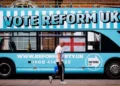
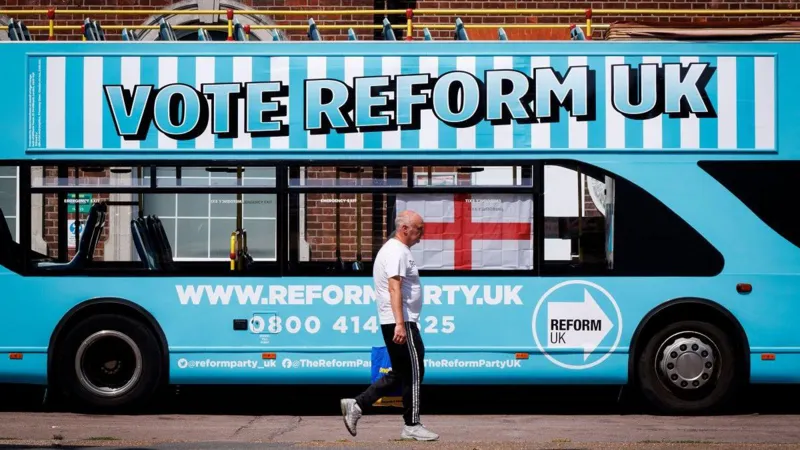
For Reform UK, the Clacton result nevertheless provides significant political advantages. The party has transformed itself from a relatively small political force into a mass-membership organisation with considerable financial resources and a growing presence in national politics.
Farage’s allies are likely to argue that the result demonstrates that voters remain behind him despite the controversies. His return to Parliament also gives him a platform from which to challenge the government and promote Reform UK’s national agenda.
The campaign may also have provided the party with valuable information about voters in the constituency. Even though the main parties did not mount serious campaigns, Reform UK was able to organise a large-scale electoral operation, gather local voter information and test its campaign machinery.
That could become important if Farage ever faces another by-election as a result of the parliamentary investigation.
A second contest would be very different, however, if Labour, the Conservatives and other established parties decided to participate fully. The scale of Farage’s support would then face a much more serious test.
There are already signs that his national political position is less secure than it was previously.
Polling analysis from More in Common suggests Farage’s personal popularity has declined. Pollster Luke Tryl has said that Farage moved from having the strongest approval ratings among major party leaders to recording his weakest score since the general election.
The polling also suggests that awareness of questions surrounding Farage’s finances is widespread. Around 80% of voters surveyed were aware of the controversy, although attitudes towards it remained divided.
That division could be central to Farage’s political future. His strongest supporters frequently interpret the financial scrutiny as an establishment attempt to damage him, while opponents see the controversy as evidence of why his conduct deserves closer examination.
Reform UK has attempted to address concerns about being overly dependent on Farage by recruiting prominent figures including Robert Jenrick and Zia Yusuf. The party is increasingly presenting itself as a professional political organisation capable of contesting power rather than simply serving as a vehicle for its leader.
The Clacton victory therefore represents both an achievement and a test.
Farage has demonstrated that he remains capable of winning comfortably in a constituency where he enjoys strong support. But the contest also highlighted the unusual circumstances surrounding his return to Parliament and the political risks created by the controversies that prompted him to trigger the election in the first place.
The financial investigations will continue. Questions about his £5 million gift remain unanswered. The Metropolitan Police inquiry into Reform UK donations remains ongoing, while scrutiny of his association with Cottrell has not disappeared.
For now, Farage can claim victory. But the result has not provided the clean political reset that some of his supporters may have hoped for.

Instead, his return to Westminster marks the beginning of another phase of scrutiny.
The bigger question is whether the Clacton victory becomes a springboard for Farage’s long-standing ambition of reaching Downing Street, or whether it ultimately represents a high-profile detour that exposed growing vulnerabilities in his political brand.
The answer will not be decided by voters in Clacton alone. It will depend on how Reform UK performs nationally, whether Farage’s popularity recovers, and what conclusions eventually emerge from the investigations surrounding his finances and the party’s funding.
For a politician who has spent years presenting himself as an outsider challenging Britain’s political establishment, the next test may be whether he can withstand the institutional scrutiny that comes with becoming a serious contender for power.
Related News:
 UK Must Act with Courage and Clarity on Israel-Palestine Conflict, Says Foreign Affairs Committee Report
 Chancellor Faces Mounting Pressure Amid “Impossible Trilemma” Over Tax Rises
 Radioactive Leak at UK’s Nuclear Warhead Base Sparks Outcry Over Safety and Secrecy
 Mutual Inconvenience: Why Alaska Was Chosen for the Trump-Putin Summit on Ukraine
 Is the UK Ready to Put Boots on the Ground in Ukraine? Assessing Military Capacity and Challenges
 Police Scotland Spends £500,000 Compensating Officers Over Trump Visit
 Urgent Action Needed on Windrush Compensation as Survivors Speak of “Waiting to Die”
 Tanni Grey-Thompson Faces Abuse Over Opposition to Assisted Dying Bill
 TfL Invites RMT to Resume Talks as London Tube Strikes End
 Nigel Farage Unveils Controversial Immigration and Welfare Plans at Reform UK Press Conference
 Ed Miliband Warns UK Government on X, Citing Elon Musk as a “Dangerous Influence”
 Kemi Badenoch Unveils ‘Golden Rule’ to Halve Spending Cuts for Deficit Reduction at Tory Conference
 UK border officers deployed to Balkans to tackle migrant smuggling
 UK MPs warn of repeat riots over online misinformation
 Army Barracks to House Migrants as Hotels Phase Out
 Trump’s UK Ambassador Urges North Sea Drilling to Strengthen US Ties
 Millionaires group urge Reeves to introduce wealth tax to ‘lift kids out of poverty’
 Reeves rejects £1bn plea for NHS redundancy payouts
 PM Condemns Leaks, Vows Loyalty to Ministers and Stability
 Major Rent Reform Ends No-Fault Evictions in England
 Starmer Says Labour’s Economic Plan Needs Years to Deliver
 England delays four mayoral elections amid criticism
 UK Ministers Drop Foreign Student Targets for Global Education Push
 No Gas Boiler Ban as UK Warm Homes Plan Backs Heat Pumps
 Shinzo Abe’s killer receives life sentence in Japan
 Police response times face strict new national limits
 Starmer warns of toxic division politics in Reform challenge
 Palantir contracts face UK halt calls over transparency
 Diane Abbott Slams Applause for Keir Starmer as PM Vows to Stay On After Mandelson-Epstein Row
 Could Manchester Lead the UK’s Economic Revival?
 Starmer Weighs Fast-Tracking Defence Boost
 Farage to Name Jenrick as Reform Chancellor Pick
 Civil Service Pay: Union Urges Ministers to End ‘Barking Mad’ Limits
 Antonia Romeo appointment sparks criticism
 Australian PM Says Former Prince Andrew Has Suffered ‘Extraordinary Fall’ but That Won’t Prompt Republic Referendum
 Farage Chagos Islands Row Sparks Fury
 Reform UK targets workers’ rights repeal
 Russian Trade Routed Through British Islands Exposed
 Mandelson Arrest: Met Apologises to Hoyle
 Police Scotland Pays £8m Compensation to Staff
 Minister Meets Crews Who Will ‘Take Out’ Iranian Drones
 Thousands Protest Iran Strikes Outside US Embassy London
 UK Oil and Gas Supplies Reassured Amid Middle East Concerns
 Tommy and Gail Sheridan to Stand for New Political Party After Alba Demise
 UK Forces Ready to Seize Russian Shadow Fleet Vessels
 US Lawmaker Demands Testimony Over Sarah Ferguson’s ‘Close Epstein Ties’
 The 8 Million Dilemma: Why Britain’s Disability Safety Net is Facing a ‘2026 Reckoning’
 The Lasting Shadow: How Austerity Redefined UK Childhood
 Is Britain Ready? Experts Warn of ‘Bizarre’ Military Delay
 Foreign Office Chief Resigns Amid Mandelson Vetting Row
 “Jobs Will Go”: Rishi Sunak Warns AI is Already Eroding Entry-Level Opportunities
 Crackdown Backfires on UK Climate Protesters
 Reality Check on Reform: Minister Says Outright Abolition of Leasehold “Impossible”
 The “Dry” Life: Teens Trialing Social Media Bans Call Initial Disconnection “Boring” and “Dry”
 “An Endurance Test for the Mind”: British Couple Sentenced to 10 Years in Tehran
 “Stealth and Scaffolding”: The Midnight Logistics Behind Banksy’s Latest London Plinth
 “The Local Gavel”: Polls Open Across Hampshire and Isle of Wight in Delayed ‘Milestone’ Vote
 Major test for Labour as polls open in Great Britain
 Farage Faces New Questions Over Private Helicopter Use
 Secret Role of UK Security Services in Troubles Amnesty Law
 UK Faces Most Dangerous Era, Military Chief Warns
 Digital Scrutiny Under the Spotlight in Makerfield
 Modernising the Military: Carns Demands Urgent Procurement Reform
 Prince George Set to Begin Studies at Eton This September
 Starmer Set to Announce Exit Plan as Burnham Eyes No 10
 Burnham Promises Relief on Cost of Living Crisis
 Police Raise Concerns Over Government’s Late Decision to Extend Pub Opening Hours for England Match
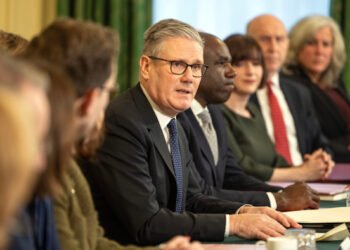 Starmer Predicts Labour Election Win Under Burnham
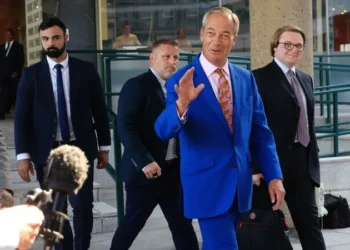 Farage Rivals Rule Out Clacton By-Election Fight
 Dover Faces Travel Crisis as EU Border System Stalls
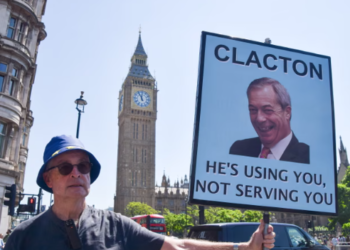 Labour MPs Push for Stricter Political Funding Reforms
 Treasury Reform Urged After Tragic Loss
 Police Rule Out Political Motive in Widdecombe Killing
 Covid PPE Scandal: Inquiry Reveals Vast Public Waste
 Burnham Set to Outline ‘New Path’ for Britain as He Prepares to Take Labour Leadership
 Jewish Students Describe Rising Antisemitism on UK Campuses
 Burnham Reaffirms Support for Ukraine During Zelensky Visit
 Burnham Considers Inquiry Into Epstein UK Connections
 Tories Pledge Social Housing Ban for Foreign Nationals
 UK Economy Grows 0.4% as Growth Faces Fresh Challenges