Published: 12 September 2026. The English Chronicle Desk. The English Chronicle Online.
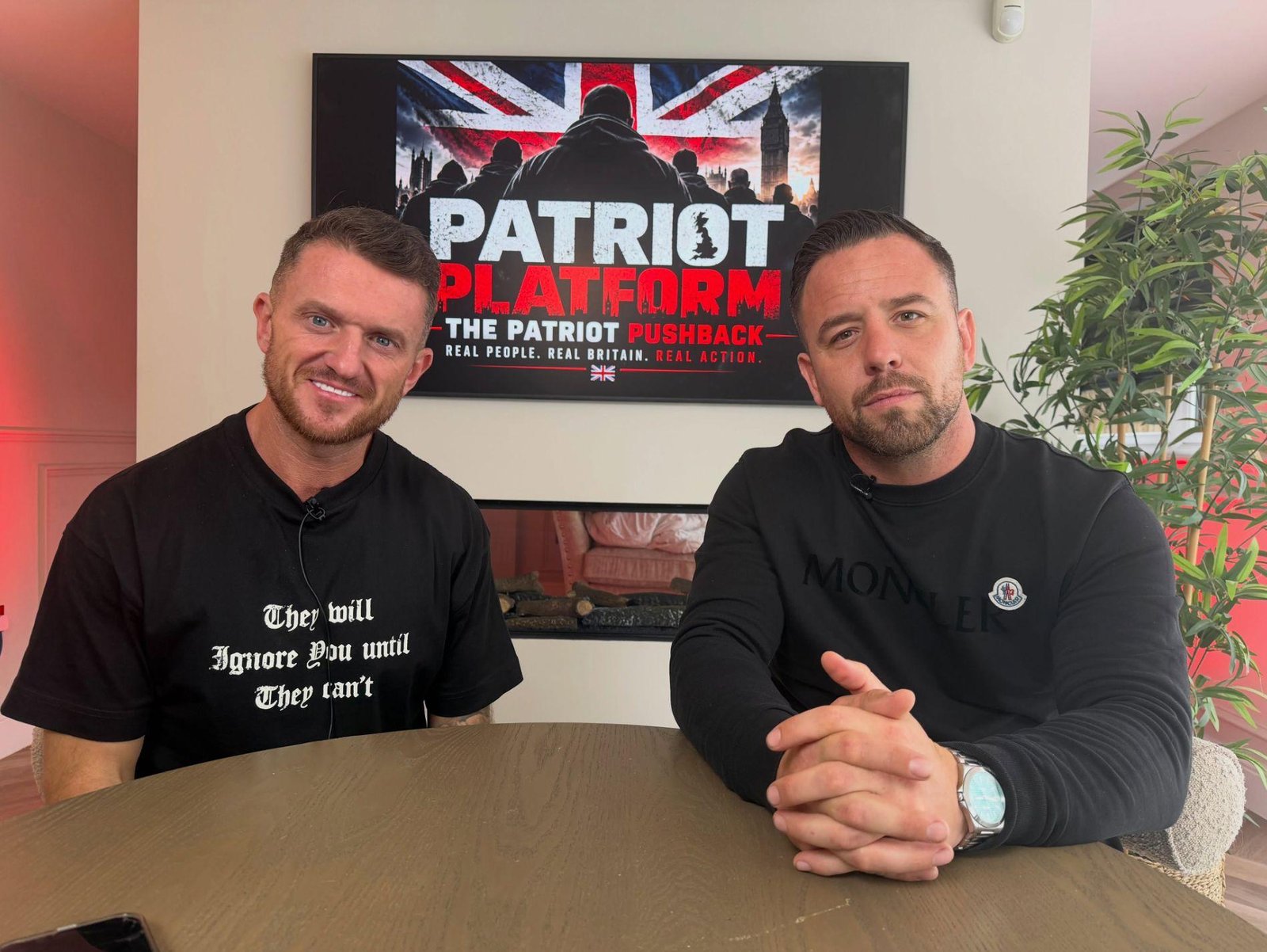
A new anti-migrant protest movement has emerged in Britain with a highly organised and confrontational style, prompting concern among politicians, civil rights campaigners and researchers who monitor far-right activity. The Patriot Platform, led by Daniel Thomas, has rapidly attracted attention through masked street demonstrations, social media livestreams and tightly coordinated protests targeting immigration and asylum seekers.
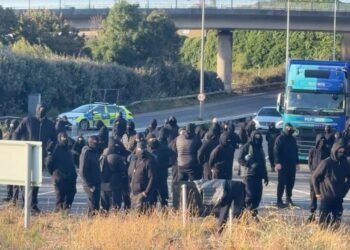
The movement first gained widespread attention last weekend in the English coastal town of Dover, where dozens of men wearing black clothing, balaclavas and gloves arrived in vehicles before joining hundreds of other protesters. The demonstrators marched through the town chanting slogans including “Stop the boats” and “Christ is king”, while the protest caused significant disruption around the busy port.
Anti-immigration demonstrations have become increasingly common in Britain in recent years, particularly around the arrival of migrants crossing the English Channel in small boats from France. However, analysts say the Patriot Platform represents a notable change in the organisation and presentation of such protests.
Rather than relying primarily on large, openly advertised rallies, the new movement appears to favour smaller groups of disciplined activists, rapid mobilisation and extensive use of social media. Protesters frequently appear in coordinated black clothing, while some demonstrations have involved masked participants and direct attempts to interfere with the movement of asylum seekers.

The combination of military-style presentation, influencer culture and Christian symbolism has attracted particular attention. Researchers studying far-right movements say the group’s approach appears designed not simply to gather large crowds but to create highly visual events that can spread rapidly online.
Daniel Thomas, who refers to himself as Danny Tommo, has emerged as the movement’s central figure. The 37-year-old previously worked in the roofing industry and has experience as a bodyguard for far-right activist Tommy Robinson. He also served as a tank driver with the King’s Royal Hussars before being discharged on medical grounds.
Thomas has a criminal conviction for attempted kidnapping dating from 2016. He pleaded guilty and was sentenced to two years in prison. Following his release, he publicly described a religious conversion and said that he had dedicated his life to Christianity and defending his family and homeland.
His social media presence has become a central component of the Patriot Platform’s activities. Videos posted across platforms including YouTube, Instagram, Facebook and X have attracted substantial audiences. Footage from the Dover demonstration and subsequent events has accumulated more than a million views across Thomas’s online channels.
His YouTube channel also offers followers a paid subscription costing £4.99 a month, creating a direct financial relationship between the movement’s online audience and its leadership. This combination of activism, livestreaming and fundraising has led researchers to compare aspects of the movement’s operation with online influencer culture.
The Patriot Platform’s activities expanded rapidly after the Dover protest. The following day, supporters demonstrated in Portsmouth, another major British port. Later that night, Thomas entered the sea in an attempt to prevent a boat believed to be carrying asylum seekers from reaching shore. He subsequently encouraged other masked protesters to try to stop vehicles transporting arrivals to an immigration processing centre.
The episode was livestreamed for several hours and attracted hundreds of thousands of views. Thomas was recorded shouting at police and volunteers assisting people involved in the operation, while supporters brought supplies to protesters in the water.
The incidents have prompted questions about how police forces should respond to rapidly organised demonstrations. Authorities initially described the Dover protest as spontaneous, but evidence of Thomas’s extensive preparations during the summer suggests the movement had been building a network of supporters for some time.
Thomas has travelled around Britain attempting to bring together smaller anti-migrant protest groups under the Patriot Platform umbrella. In social media videos, he has described his objective as creating a large resistance movement capable of generating a nationwide response.
The movement does not appear to have a detailed political manifesto. Instead, its online messaging focuses on the claim that Britain’s national identity and public safety are under threat from immigration. Thomas has repeatedly argued that migrants are having a harmful effect on the safety of British women and children.
The rhetoric has attracted criticism even from politicians on the political right. Reform UK leader Nigel Farage condemned the appearance of masked demonstrators, arguing that people participating in political protests should not conceal their faces.
The British government has also expressed concern about the use of face coverings at demonstrations. Home Secretary Shabana Mahmood said police forces should make full use of new powers that allow them to prohibit face coverings during protests when the legal conditions for doing so are met.
Researchers monitoring the far right are divided over how long the Patriot Platform can maintain its momentum. Some believe Thomas has demonstrated an unusual ability to mobilise people rapidly, while others question whether his confrontational style can sustain a broad political movement.
Joe Mulhall, research director at the anti-fascist organisation Hope Not Hate, described the developments as alarming. He said the movement appeared more vigilante-oriented and clandestine than some earlier anti-immigration groups, particularly because of its focus on direct action.
Britain has experienced several generations of far-right movements, ranging from Oswald Mosley’s British Union of Fascists and the blackshirts of the 1930s to the National Front, British National Party, English Defence League, Britain First and other organisations that have emerged and declined over subsequent decades.
Some of those movements relied heavily on public rallies and conventional political campaigning, while others developed more militant or secretive structures. The Patriot Platform’s use of masks and coordinated units has therefore attracted comparisons with some of the more confrontational groups of Britain’s past.
However, Thomas appears to be attempting to combine physical organisation with the techniques of modern social media personalities. Researchers say his ability to continuously produce short videos, livestream events and interact directly with followers gives the movement a constant online presence.
Darja Wischerath, a researcher at the University of Bath who studies far-right mobilisation, said Thomas displayed the characteristics of a celebrity influencer by distributing content across multiple platforms throughout the day. She also identified elements of the so-called manosphere in some of the movement’s messaging, particularly its portrayal of women as people who need protection from perceived threats.
The movement’s use of Christian imagery has created another source of controversy. Thomas has repeatedly referred to Christianity during demonstrations and online broadcasts and has encouraged supporters to attend church together.
Some church leaders have strongly rejected the association between Christian symbols and anti-migrant activism. Critics argue that the use of crosses and religious language risks presenting an exclusionary political message as though it represents Christianity as a whole.
Madeleine Pennington of the thinktank Theos said there had been a significant increase in Christian nationalist themes in Britain in recent years. She noted that many Christians were uncomfortable with attempts to associate Christianity with a particular anti-immigration political agenda.
The bishop of Kirkstall, Arun Arora, also criticised the use of Christian symbolism at the demonstrations, arguing that religious imagery was being used opportunistically rather than reflecting the central teachings of Christianity.
The movement’s activities took another unexpected turn during the week when Thomas organised a protest outside the London headquarters of the Daily Mail’s publisher. He alleged that coverage involving his mother had made it possible for people to identify where she lived and demanded that the newspaper help arrange alternative accommodation for her.
Thomas arrived with dozens of masked supporters and threatened to return with a larger group if his demand was not met within 48 hours. He subsequently launched an online fundraising campaign seeking money to help his mother relocate.
The campaign raised more than £62,000 by Friday afternoon. Some supporters expressed sympathy with Thomas’s concerns, while others criticised the appeal and questioned the way his personal circumstances were being incorporated into the movement’s activism and fundraising.
The episode has added to questions over Thomas’s leadership style and whether he can maintain discipline among supporters while expanding the organisation. He has repeatedly claimed that the Patriot Platform follows strict rules, including prohibitions on alcohol, drugs and unnecessary confrontation with police.
Nevertheless, police reported damage to vehicles and injuries during the Portsmouth protest, highlighting the gap that can sometimes emerge between an organisation’s stated rules and events on the ground.
Thomas has also attempted similar direct-action tactics outside Britain. An operation in northern France earlier this year, given the name Operation Overlord in a reference to the Allied landings during the second world war, failed to achieve its objective. French authorities subsequently banned Thomas from returning to the country, citing concerns about violent and hate-inciting tactics.
The Patriot Platform’s future remains uncertain. Its ability to mobilise supporters quickly has alarmed some local politicians, particularly in Kent, where ports and coastal communities have become focal points of the migration debate.

Tony Vaughan, the Labour MP for the neighbouring Folkestone and Hythe constituency, expressed concern about the group’s online coordination and its ability to bring people into Kent with little warning. He said police needed sufficient intelligence and resources to respond effectively to prevent intimidation and disruption.
The emergence of the Patriot Platform comes at a time when immigration remains one of Britain’s most politically sensitive issues. The movement’s supporters argue that they are defending national identity and public safety, while opponents warn that its tactics risk intimidating communities, targeting vulnerable asylum seekers and encouraging hostility towards migrants.
Whether the organisation can develop beyond a series of highly publicised protests remains an open question. Its lack of a detailed political programme, reliance on a single prominent leader and confrontational tactics could limit its ability to gain wider legitimacy.
At the same time, its sophisticated use of social media and rapid mobilisation strategy give it tools that previous generations of far-right groups did not possess. The coming months will therefore show whether the Patriot Platform becomes another short-lived protest movement or develops into a more enduring force within Britain’s increasingly fragmented political landscape.
Related News:
 Undercover officer deceived women with ‘grotesque and cruel’ lies, spycops inquiry told
 Barrister Criticises Trial After Suicide Case Verdict
 Murder Probe Continues After Arrest Release
 Westminster Council Threatens Charing Cross Soup Kitchen
 BBC Warned About Missing Clothes of Murder Victim
 Cambridge Professor Jason Arday Found Dead at Home
 Ministers Condemn Far-Right Unrest in Portsmouth
 Councils spend £125m on illegal children’s care
 It’s time to come clean on the China spy case
 French Taxi Driver Cleared in David Lammy Theft Case After Fare Dispute
 Met Police Culture Makes Racial Harm ‘Inevitable’
 Remaining rebel Labour MPs have whip restored
 Prevent Failings Exposed After Southport Attack
 Mass Arrests at London Palestine Protest Spark Debate
 NHS Safety Fears as Nurses Cover Doctor Gaps
 Walsall Rapist Jailed After Hate-Filled Online Trail
 Two Children Die in Wolverhampton House Fire Tragedy
 Police Suspect Help in Missing Alice Springs Girl Case
 Cartel crackdown raises fears of fresh violence
 UK may ban protests amid rising antisemitism fears
 Immigration Judges Fear Pressure in Trump Era
 Victim says non-custodial rape sentence ‘rock in my face’
 RAF Barnham Protests Fuel Tensions in Norfolk Town
 Internal Exclusions Surge in England’s Schools
 Masked Protesters Bring Dover Port Traffic to Standstill
 UN expert urges UK to rethink Israel policy
 Armed Suspect Attacks Ohio Governor Candidate
 Miliband Rejects Chief Rabbi’s West Bank Warning
 Tasers Introduced in UK Prisons to Combat Rising Violence and Protect Staff
 Police Advised to Disclose Ethnicity of Suspects in High-Profile Cases
 Jailed Georgian Opposition Leaders Warn UK of Iranian Links to Ruling Party
 Afghan man charged with murder after west London knife attack
 FBI Director Kash Patel Defends Girlfriend Amid Government Jet Claims
 Just Stop Oil Protesters Convicted Amid Climate Defence Row
 Boris Johnson accused of undermining BBC leadership
 ‘Reckless’ cuts to victims’ services will cost more than they save
 Major Rent Reform Ends No-Fault Evictions in England
 Peers Flood Assisted Dying Bill with 942 Amendments
 UK Asylum Overhaul Sparks Debate Over Human Rights and Deportations
 UK Asylum Reforms: Temporary Refugee Status and Faster Deportations
 UK Candidate Moved to Safe House After Election Threats
 Mahmood Defends Tough Overhaul of UK Asylum System
 South African Detained After Neo-Nazi Rally in Australia
 Westminster Advances Legacy Bill Amid Criticism
 Serial Rapist and Former Cop Found Guilty Again
 Most Tories Expect to Support a Farage-Led Government
 Peers Get Extra Time to Debate Assisted Dying Bill
 ‘It’s a Complete Scandal’: Aristocrat’s Fight for Prison Children
 Tim Walz urges Trump to withdraw federal agents immediately
 UK and EU Signal Fresh Push for Defence Cooperation Talks
 Civil Service Pay: Union Urges Ministers to End ‘Barking Mad’ Limits
 Proposed Law Leaves Gap for Children of Convicted Paedophiles
 Melania Trump Epstein remarks spark survivor backlash
 Ben Roberts-Smith Denies War Crime Allegations in First Statement
 Kezia Dugdale Warns of Possible Reversal of Equal Rights Gains
 Synagogue Arson Attempt Sparks Security Fears
 City & Guilds Sale Sparks Fees and Pay Uproar
 Crackdown Backfires on UK Climate Protesters
 US Court Weighs Fate of TPS for Migrants
 John Terry Faces Backlash Over Political Posts
 Greens Face Internal Row Over Antisemitism Claims
 US ‘Narco Boat’ Strikes Draw Global Outcry
 Florida Surgeon ‘Devastated’ Over Fatal Surgery Error
 Farage and Reform UK Reshape British Politics
 Starmer Leadership Under Pressure After Setbacks
 UK Nations Brace for Potential Breakup Amid Reform Surge
 New Footage Revives Peter Falconio Mystery
 Le Pen’s Popularity Holds Despite Conviction
 Three-Quarters of England’s Riverbanks Still Off Limits
 Israeli Strike in Southern Lebanon Kills Seven
 Burnham unveils £65m drought aid for farmers
 Unions Warn Labour Over Zero-Hours Contract Reforms
 Ghent Professors Questioned Cofnas Appointment
 British Museum Faces Questions Over Peter Thiel’s Private Bayeux Viewing
 Ukraine Villagers Demand Answers After Deadly Arms Depot Strike
 Survivor Sues Musk’s xAI Over AI Abuse Images
 Reform Faces Fresh Financial Controversy
 UK plans tougher Israel stance with settlement trade ban
 Europe’s democracies face a growing far-right threat
 New Mexico Takes Facebook to Trial Over Data Scandal