Published: 25 September 2026. The English Chronicle Desk. The English Chronicle Online
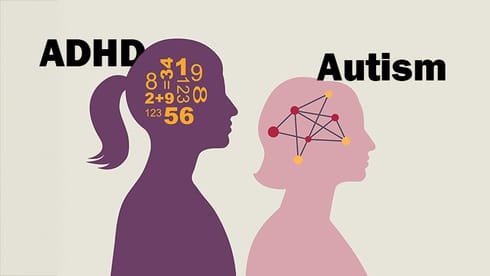
People in parts of England seeking assessments for attention deficit hyperactivity disorder and autism are facing exceptionally long waits, with some NHS bodies introducing minimum waiting periods of up to two years as services struggle to cope with rising demand and financial pressures.
The restrictions have intensified concerns among patient organisations, clinicians and families about access to diagnosis and support. Campaigners say prolonged delays can leave children and adults without the adjustments, treatment and practical assistance they may need at school, in employment or in everyday life.
Four integrated care boards have introduced minimum waiting arrangements of around two years or other lengthy delays, while several others have adopted different approaches to controlling demand. Across England, NHS bodies have increasingly been examining how assessments are commissioned and prioritised as the number of people seeking ADHD and autism diagnoses continues to rise.
The issue comes as the NHS itself acknowledges that long waits for autism and ADHD assessments remain a significant challenge. Its medium-term planning framework for 2026-27 specifically calls on integrated care boards and providers to use existing resources more effectively to reduce the longest waits and improve the quality of assessments.

The scale of demand has created a difficult situation for local NHS organisations. Assessment services have limited clinical capacity, while referrals have increased substantially over recent years. At the same time, integrated care boards must operate within budgets and determine how available funding is allocated among competing health needs.
West Yorkshire has become one of the clearest examples of the problem. The local integrated care board has introduced a minimum wait of 24 months from referral for people seeking ADHD or autism assessments through independent providers under the NHS-funded route, although individual cases can be affected by clinical urgency and local arrangements.
The policy covers an area with about 2.4 million residents across Leeds, Bradford, Kirklees, Calderdale and Wakefield. NHS organisations in the region have acknowledged the pressure created by rising referrals and the costs associated with assessments.
The financial burden has grown rapidly. Spending on such assessments by the West Yorkshire system rose from about £7 million in 2023-24 to approximately £21 million the following year, according to figures cited in relation to the local policy.
Other parts of England have introduced different minimum waits. In the North East and North Cumbria, NHS-funded independent providers have been working with a minimum wait of roughly 78 weeks for an initial assessment. Somerset has operated a minimum wait of about 52 weeks, while Devon has used a shorter minimum period. Kent and Medway have also taken steps to restrict access through waiting arrangements.
In Hampshire and the Isle of Wight, assessment access has been restricted according to priority criteria, meaning patients must meet specified conditions before receiving an assessment.
The differences between regions illustrate the increasingly localised nature of access to neurodevelopmental assessment. Two people with similar symptoms can face very different waiting times depending on where they live and which integrated care board commissions their care.
For families, the consequences can extend well beyond the waiting period itself. Parents may be attempting to support children who are struggling with attention, communication, social interaction, sensory difficulties or behaviour while they wait for professional assessment. Without a formal diagnosis, families can sometimes find it difficult to secure appropriate educational adjustments or other forms of support.
The situation can also be challenging for adults. People seeking an ADHD or autism assessment may already be experiencing difficulties at work, in education, in relationships or with managing everyday responsibilities. A lengthy wait can leave uncertainty over the reasons for those difficulties and delay access to services or workplace adjustments.
Patient groups have therefore raised concerns about the effect of prolonged waits on people’s wellbeing. ADHD UK has criticised minimum waiting periods, arguing that patients can be left without support despite assessment services having capacity elsewhere.
The organisation has also highlighted the potential consequences for people whose symptoms are affecting employment, education and their ability to manage daily life.
The National Autistic Society has similarly warned that restricting access to autism assessments can have consequences for children and adults who require support. The organisation has argued that, in practice, diagnosis can be important for accessing assistance and reasonable adjustments, although support should ideally be based on people’s needs rather than solely on a diagnostic label.
The debate is taking place against a backdrop of a dramatic increase in recorded diagnoses of ADHD and autism. NHS and research data indicate that the number of people being identified with these conditions has risen substantially over the past two decades.
The increase has placed pressure on health services, schools, families and employers. It has also prompted a broader discussion about why diagnosis rates have increased and how health systems should respond to growing awareness and demand.
A major government-commissioned review examining the rise in diagnoses of mental health conditions, ADHD and autism is expected to add to that debate. The review has been examining changes in diagnosis patterns and the ability of public services to respond to the growing number of people seeking assessments and support.
The expansion of demand has also contributed to greater use of independent healthcare providers. Private and independent clinics now undertake a substantial proportion of NHS-funded ADHD and autism assessments, partly because NHS services do not always have sufficient capacity to meet referrals directly.
This arrangement has created a complicated relationship between public funding and private provision. Patients can sometimes exercise their legal right to choose an independent provider when accessing NHS-funded care, but local commissioning restrictions can affect when that option becomes available.
The introduction of minimum waits has therefore become a point of controversy. Critics argue that patients may technically retain a right to choose a provider while facing a lengthy delay before they can actually use that option.
Independent healthcare organisations have called for available assessment capacity to be used more extensively. They argue that reducing unnecessary delays would allow people to receive assessments and support sooner and could make better use of existing clinical resources.
NHS leaders, however, face a different set of pressures. Integrated care boards are responsible for managing local healthcare budgets, and rising demand for ADHD and autism assessments has increased expenditure considerably in some areas.
NHS representatives have acknowledged that long delays are frustrating for patients and families. They have also pointed to the need to balance rising demand with available funding and clinical capacity.
The issue is particularly difficult because an assessment is only one part of a much larger pathway. A diagnosis can lead to requests for treatment, medication, educational support, workplace adjustments and other services. If assessment numbers continue to rise, health and social care systems must consider how they will provide the subsequent support.
NHS England’s current planning framework recognises this challenge. It calls for integrated care boards to reduce the longest waits for autism and ADHD assessments while improving assessment quality. The national approach also includes work on pricing and commissioning arrangements for assessment services.
At the same time, NHS data show that waiting pressures vary substantially between services and regions. Some local services are introducing prioritisation systems, while others are attempting to expand capacity or develop new referral pathways.
In West Yorkshire, for example, NHS services have been changing the way referrals are handled, with urgent cases receiving priority in some settings. Other local services are experimenting with assessment pathways intended to identify people with the greatest clinical need and provide support while they wait.
Such approaches reflect an attempt to move away from a simple first-come, first-served model when demand greatly exceeds available capacity. However, prioritisation can also create uncertainty for patients who do not meet the highest urgency thresholds.
The debate raises broader questions about how the NHS should respond when demand for a service increases much faster than available resources. Limiting access may help local organisations control spending in the short term, but long waits can transfer pressure elsewhere, including to schools, families, employers, mental health services and private healthcare.
There is also a financial dimension for households. Those who can afford private assessments may be able to avoid some NHS delays, while others may have no practical alternative to remaining on a public waiting pathway. Private assessments can cost substantial sums, particularly when both ADHD and autism assessments are required.
That difference has raised concerns about inequality in access to diagnosis. Families with greater financial resources may have more options, while those unable to pay privately can remain dependent on increasingly stretched NHS services.
The NHS therefore faces a difficult balancing act. It must respond to rapidly growing demand while maintaining assessment quality, controlling expenditure and ensuring that people with the greatest needs receive timely care.

For patients and families, the immediate concern is simpler: how long they will have to wait and what support will be available while they do so.
The introduction of two-year minimum waits in some parts of England has brought that question into sharper focus. It also highlights a wider challenge for the health service as awareness of ADHD and autism continues to grow and more people seek formal assessment.
Whether the current restrictions remain temporary measures or become part of longer-term commissioning arrangements will depend on future investment, capacity and national policy. For now, NHS England has identified reducing the longest waits as an explicit priority, while local organisations continue to face the difficult task of matching unprecedented demand with limited resources.
For thousands of people waiting for answers about their symptoms, the outcome will be measured not simply in waiting-list statistics but in how quickly they can access meaningful support in education, employment, healthcare and everyday life.
Related News:
 Hospice Cuts Raise Alarm Across England Amid Funding Crisis
 Celebrities and Charities Demand UK Government Act on Child Poverty
 Experts Warn on Home Birth Risks, Call for Skilled Midwives
 Experts Urge Legal Right to Timely Cancer Care
 Patients to Test Health at Home to Ease NHS Winter Pressure
 London’s Childlessness Crisis: Schools Closing as Families Shrink
 North Sea oil workers must lose weight or face job loss
 Crisis charity to become landlord amid UK housing emergency
 No link found between paracetamol in pregnancy and autism
 Shouting Works Best to Deter Gulls, UK Study Finds
 Reeves rejects £1bn plea for NHS redundancy payouts
 Leading doctors issue warning amid ‘bad’ flu season
 Stroke Patient Mistaken for Drunk, Care Delayed
 ‘Traumatic Wait’: Northern Ireland Women Face Breast Cancer Delays
 Welsh Government Christmas 2020 Lockdown Criticised
 Coffins Now Too Large to Cremate Amid Rising Obesity Crisis
 NHS paediatric leave parents waiting months for answers
 Catherine urges end to stigma around addiction
 Five-Year-Old Dies After Rare Tonsil Surgery Complication
 Fibromyalgia Patients Struggle as NHS Fails to Provide Care
 More Patients Now Contacting GPs Online, Data Shows
 Streeting launches review into mental health and ADHD diagnoses
 People in England’s Poorest Areas Face Higher Lung Health Emergencies
 Minor A&E Visits Surge Across England as Hospitals Face Pressure
 Children to Receive Home Vaccines as England Acts
 UK Enforces Junk Food Ad Ban Before 9pm
 Patients Collapsing in NHS Corridors, Watchdog Warns
 Offenders to Receive Health Support During Probation Appointments
 NHS Violence Crisis: Staff Face Daily Assaults
 NHS corridor care crisis sparks fears over patient safety
 Jess’s Rule Urges GPs to Rethink Persistent Symptoms
 Small risk warning raised over weight-loss jabs in UK review
 Pneumonia Surge Pushes England Emergency Cases Higher
 Streeting moves on doctor pay to end strike dispute
 UK reports baby formula toxin poisoning cases across the country
 Children of Close-Relative Parents Face Higher Mortality Risk in England
 Campaign Demands NHS Action on Placenta Accreta Diagnosis
 NHS Bone Cement Shortage Threatens Surgeries
 Placenta Accreta Warning as Hunt Urges Action
 Half of Britons Avoid GP When Ill, Survey Reveals Growing Concern
 NHS Maternity Units Cover Up Harmful Childbirth Errors
 Drop in Overseas Workers Sparks ‘Car Crash’ for UK Hospitals
 Weight-loss drugs may transform heart attack recovery
 Cancer Death Rate in Britain Falls by Nearly a Third
 Palantir NHS Contract Sparks Fears Over Data Power
 UK Patients Face Long Journeys as Pharmacies Cut Hours
 UK Biobank Health Data Leaks Raise Privacy Concerns
 NHS Plans to Cut Overseas Workers Labeled Overambitious
 Kent Meningitis Outbreak Claims Two Young Lives as Cases Rise
 Meningitis Cases in Kent Outbreak Rise to 27
 Palantir Boss Defends NHS Deal Amid Government Break Clause
 NHS Staff Shortages Stifling Recovery for Stroke Survivors
 Unions Raise Concerns Over Doctors’ Pay Dispute
 Wes Streeting Accuses Doctors of Torpedoing Pay Deal
 Private Profits From NHS Contracts Spark Urgent National Debate
 Crisis in NHS Surgery Scheduling Hits Patients Hard
 NHS Safety Fears as Nurses Cover Doctor Gaps
 New Scan Offers Hope for Faster Endometriosis Diagnosis
 New AI Tool To Target Obesity Risk And Transform NHS Care
 Barrister Criticises Trial After Suicide Case Verdict
 NHS Drug Deal Faces Legal Threat Over US Trade Agreement
 NHS Staffing Crisis Reaches Dangerous Levels
 Empowering the Elderly or Shifting the Blame to Individuals?
 Record Spending Highlights Growing Crisis In National Health Service
 The Race for Radical Change in Westminster
 Clean Air Initiatives Spark Major Fall in London Hospital Admissions
 Swimming Champion Demands Urgent Action on Brain Cancer
 Labour MP Revives Blocked Assisted Dying Bill in Commons
 UK Heatwave: Why Extreme Humidity is Making June Feel Unbearable
 Mortuary Crisis Exposed at Scandal-Hit NHS Trust
 The Hidden Revival of a Fatal Infection on British Soil
 NHS Urges Investigation For Irregular Periods
 BMA Faces Unprecedented Staff Cuts Amidst Severe Financial Turmoil
 Trump Immigration Cuts Threaten US Caregiver Stability
 UK Schools Struggle as Classrooms Top 40C
 London Tube Heat Reaches Dangerous Levels
 Disabled Travellers Seek Fairer UK Care Rules
 NHS Breast Care Review Finds Serious Patient Harm
 Headteachers Warn New Ofsted System Is Harming Wellbeing
 GP List Policy Risks Cutting Off Vulnerable Patients