Published: 23 September ‘2025. The English Chronicle Desk. The English Chronicle Online
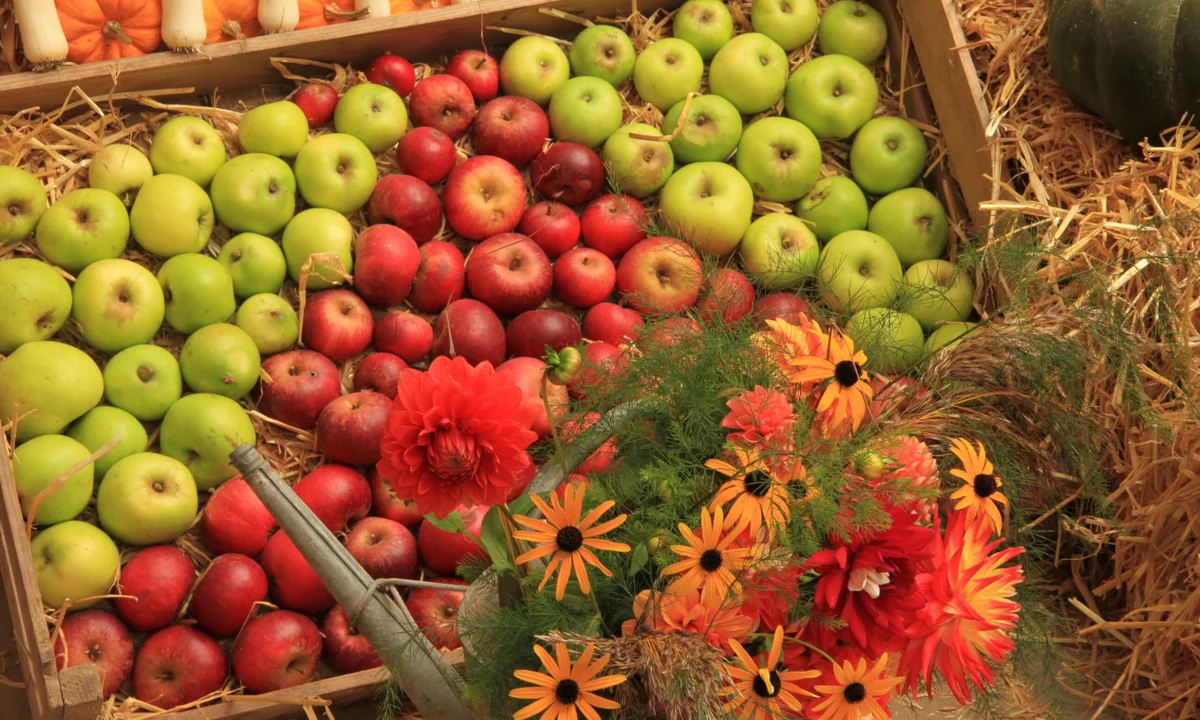
As the evenings grow longer and the first hints of autumn chill settle across the United Kingdom, there is an unexpected burst of good news from the nation’s treasured orchards and walled gardens. The National Trust has reported a remarkably abundant harvest of apples and pumpkins across its sites, with crops ripening weeks earlier than anticipated and yields exceeding expectations. Experts attribute this exceptional harvest to a combination of favorable weather patterns, including the unusually wet conditions of 2024, a warm and dry spring this year, and consistent summer sunshine.
In sharp contrast to last year’s challenging harvest, which saw heavy rainfall encouraging slugs and snails to wreak havoc on pumpkins and squashes, 2025 has offered growers a near-perfect combination of conditions. Rebecca Bevan, the National Trust’s plant health and sustainability consultant, highlighted the resilience and adaptability of the Trust’s horticultural teams. She noted, “Climate change has brought us some very challenging growing conditions over recent years with extremes of wet and dry weather and many storms. It’s heartening that sometimes the conditions lead to good outcomes, and fruit harvests are a success story for 2025.”

One of the standout examples comes from Cotehele in Cornwall, where the Trust’s “mother orchard” boasts over 100 varieties of apple trees. The orchard has produced thousands of apples earlier than expected this year, thanks to the combination of a mild spring and ample summer sun. Head gardener David Bouch explained the challenges and triumphs of the season: “A month ago, I wasn’t overly confident because the fruit was very small, which is usually the case in very dry summers. But the apples have swollen quickly over the last couple of weeks thanks to the rain we’ve had. The warm, mild spring resulted in bountiful blossom, and despite the summer’s record-breaking temperatures, we have had an amazing crop of apples.”
Similarly, at Buckland Abbey near Plymouth in Devon, the kitchen gardens are overflowing with squashes and pumpkins, with yields reported at 50% above the norm. Head gardener Sam Brown reflected on the unusually early start to the harvest, saying, “We’d normally harvest them in mid-October, but we are about to start now. The growth has been so prolific that we are already planning for storage and distribution.”
Further north, at Erddig Hall in Wales, a record-setting apple crop has delighted staff and visitors alike. Vintage apple varieties such as St Cecilia and King of the Pippins are thriving, with head gardener Andrew Degg noting that they are on track to produce four tonnes this year, double the typical harvest of around two tonnes. This surge in productivity underscores the widespread nature of the bumper crop phenomenon across the National Trust’s sites.
Buckinghamshire’s Hughenden estate has also experienced a remarkable year. Typically, only 40% of the trees bear fruit annually, but this year the proportion has nearly doubled, providing both a visual spectacle and a bountiful harvest. Claire Primett, the head gardener at Hughenden, remarked, “It is incredible to witness so many trees producing fruit at the same time. This year’s abundance is truly exceptional.”
In Hampshire, the historic Tudor palace of The Vyne has seen outstanding yields among the Frogmore Prolific apple variety, as well as Autumn Pearmain and Golden Reinette. These varieties have responded well to the temperate summer and dry conditions, offering fruit that is both plentiful and of high quality. The abundance is not limited to the south; Beningbrough Hall in North Yorkshire has also enjoyed excellent apple and pear yields. Remarkably, the Irish Peach tree, which typically produces just one or two apples, has yielded 40 this season, providing an unexpected bonus for staff and visitors.
Kent’s Sissinghurst estate has been a haven for heritage pumpkin varieties, including Marina di Chioggia and Rouge Vif d’Etampes, both of which have flourished under the summer heat. Gardener Olivia Steed-Mundin explained the careful process for preparing pumpkins for long-term storage: “Some are already ripe, and they store beautifully for up to six months if cured properly. This can be done by placing them in a dry, sunny, and warm environment for a few weeks. A greenhouse or sunny windowsill is ideal. After that, they should be stored in dry, cool conditions for long-term storage.”
The report from the National Trust highlights not only the impact of favorable weather but also the dedication and skill of the horticultural teams who manage these historic and ecologically diverse sites. From Cornwall to Yorkshire, gardeners have worked tirelessly to nurture trees, shrubs, and vegetable plots, adapting to the unique challenges presented by each location’s microclimate. The 2025 harvest demonstrates the potential for productive and sustainable food production within protected landscapes, offering lessons for both amateur and professional growers across the country.
Beyond the immediate practical implications of the harvest, the bumper crops carry broader cultural significance. National Trust sites are visited by millions annually, and the visual abundance of fruit and pumpkins contributes to the autumnal aesthetic that attracts families and tourists alike. Apple picking, pumpkin displays, and seasonal events form a core part of visitor engagement, promoting education about horticulture, local ecology, and the importance of sustainable farming practices. The exceptional yields of 2025 are therefore not only a boost to food production but also enhance the visitor experience, encouraging greater appreciation of the heritage and natural resources preserved by the Trust.
Rebecca Bevan further stressed the educational value of the bumper harvest: “These crops provide an opportunity to teach visitors about the importance of biodiversity, soil health, and traditional cultivation techniques. It is a chance to connect people with the land and the history of these estates, while also celebrating the tangible results of careful cultivation.”

The 2025 harvest also offers a hopeful counterpoint to concerns about the impact of climate change on agriculture. While extreme weather events in recent years have posed serious threats to crops, this season demonstrates that a combination of favorable climatic conditions and careful land management can yield remarkable results. The National Trust’s ability to manage these outcomes underscores the potential for resilient agricultural practices, even in the face of increasingly unpredictable weather patterns.
As the apples are harvested and pumpkins collected, the National Trust is already preparing for the autumn and winter seasons, with plans to store and distribute the produce responsibly. Some of the fruit will be used in educational programs, community initiatives, and seasonal events, ensuring that the benefits of this bumper harvest are widely shared. The careful curation of these crops also highlights the Trust’s commitment to sustainability, demonstrating how heritage landscapes can continue to provide for both people and the environment.
In summary, the 2025 apple and pumpkin harvests across National Trust sites represent a rare and welcome agricultural success, combining favorable weather, skilled horticultural care, and a commitment to sustainable management. From Cornwall to North Yorkshire, gardeners and visitors alike are enjoying the fruits of an exceptional season, and the lessons learned this year will help guide future cultivation and conservation efforts. The bumper yields are a reminder of the potential for nature, when nurtured thoughtfully, to flourish even amid changing climatic conditions, providing both nourishment and inspiration for the communities connected to these cherished historic sites.
Related News:
 The Ketamine Crisis in the UK is a Silent Epidemic Leaving Users with Lifelong Pain
 Wethersfield Controversy Deepens as Asylum Seeker Numbers Set to Surge by 50%
 Prince Harry Cleared of Bullying Allegations Amid Charity Dispute Fallout
 Woman Warned She Might Need Leg Amputation to Survive After Liquid Brazilian Butt Lift
 Heartbreak in the New Forest as Shetland Ponies Vanish, Community on Edge
 Russell T Davies Warns of Declining UK Gay Rights Amid Rise of Reform UK and Trump Influence
 Alarming rise in abusive teen relationships in the UK sparks urgent warnings
 Inquest Finds Agency Worker Failings Led to Unlawful Death of Vulnerable 14-Year-Old
 Shocking Rise in Children’s Exposure to Violent Online Pornography Raises Alarm
 EuroMillions Record-Breaking £210m Jackpot Won by Lucky Lottery Ticket Holder
 Human Remains Discovered in Lancashire May Be Those of Children, Police Say
 Akinwale Arobieke Found Dead at Liverpool Home
 Why E-Bikes and E-Scooters Are Making Streets a ‘Nightmare’ for Blind People
 UK Warned It’s on Course to Fail in Efforts to Wipe Out Bovine TB
 London to Regulate Pedicabs: Music Turned Down, Fares Set by the Minute
 UK Retail Sales Rise in August, but Tax Concerns Loom Over Festive Period
 Norfolk Hospital Ranked Worst in England as NHS League Tables Return
 More Than Half of UK Births Now Involve Medical Intervention
 Birmingham Bin Strike Enters Sixth Month as Negotiations Stall
 Over 40% of Private Renters Forced to Ration Energy to Afford Bills, Study Reveals
 UK Wage Growth Remains High, But Cost of Living Pressures Bite
 One in Three GPs in England Do Not Work in NHS, Raising Concerns Over Access to Care
 Persistent Offenders Owe Over £700m in Ulez Fines as TfL Cracks Down on Evasion
 UK Doctors Guilty of Sexual Misconduct Continue Practising Amid Weak Sanctions, Research Finds
Northern Ireland Faces Fears of Prolonged Race Riot “Permacrisis”
UK Doctors Guilty of Sexual Misconduct Continue Practising Amid Weak Sanctions, Research Finds
Northern Ireland Faces Fears of Prolonged Race Riot “Permacrisis”
 Zarah Sultana Seeks Legal Action After Bitter Clash with Jeremy Corbyn Over Party Membership Funds
 Heavy Drinkers Lead Growth in Non-Alcoholic and Low-Alcohol Market
 Patricia Crowther, Known as UK’s Oldest Witch, Dies Aged 97
 Starmer Unveils Plan for NHS “Online Hospital” to Tackle Waiting Lists
 A Third of EU Citizens in UK Report Discrimination by Public Bodies Post-Brexit
 Marks & Spencer Staff to Work on Boxing Day for First Time in Five Years Amid Cost-Cutting Measures
 UK households brace for October benefit payments and rising energy costs amid cost-of-living pressures
 Jilly Cooper: The Bonkbuster Queen Who Redefined Romantic Fiction
 Celebrity Traitors First Look: A Star-Studded Highland Adventure That Hooks from the Start
 Majority of UK Men Would Opt for Prostate Cancer Screening, Survey Finds
 Ambulance Worker Fired After Flinging Amputee from Wheelchair and Offering Bribe
 Women Challenge Meta Over Targeted Ads After Miscarriage
 Mum’s Final Wish: Donating Her Body to Science
 UK Woman Becomes Longest Survivor of Heart-Lung Transplant
£18 Prostate Cancer Test Could Save Thousands of Lives
UK Woman Becomes Longest Survivor of Heart-Lung Transplant
£18 Prostate Cancer Test Could Save Thousands of Lives
 Pregnant Women in England Face Rising Risk of Severe Birth Injury
 One in 12 Secondary Pupils Sent to Isolation Weekly
 Lotto result jackpot draw halted due to technical glitch
 UK Health Leaders Push for Urgent Tobacco & Vape Bill
 Prince Andrew May Leave Royal Lodge for Frogmore Cottage
 King Charles Heckled Over Prince Andrew-Epstein Links
 Prunella Scales: From Fawlty Towers Icon to Beloved Canal Explorer
 Hospice Cuts Raise Alarm Across England Amid Funding Crisis
 UK Woman Loses Child Benefit After Booking Flight She Never Took
 UK launches search for first-ever ‘town of culture’ to highlight overlooked areas
 Mass Stabbing on Doncaster to London Train Leaves Ten Injured
 Children to Learn Local History in Major Curriculum Overhaul
 Experts Warn on Home Birth Risks, Call for Skilled Midwives
 The Lowry Hotel: Manchester’s Iconic Five-Star Retreat
 Prince William Plants Trees with Brazil’s Nature Heroes
 Greta Thunberg Backs Student Facing UK Visa Revocation
 Oprah enjoys Meghan’s jam on English muffins
 Newcastle United Lifts Ban on Fan Over Gender-Critical Views
 Jailed UK climate protesters face extremist-style restrictions
 Boris Johnson accused of undermining BBC leadership
 How to get help when a child goes missing – call 999 urgently
 ‘Reckless’ cuts to victims’ services will cost more than they save
 UK toy market enjoys bumper year as ‘kidults’ fuel demand
 Politics latest: Starmer ‘will fight any leadership coup’ as Streeting denies attempt to oust Labour PM
 Son Reveals UK Couple in Iran Resort to Hunger Strike for Help
 New weather warning issued with risk of flooding
 UK Asylum Overhaul Sparks Debate Over Human Rights and Deportations
 Mum Calls for New Licence Rules After Teen Road Death
 £1 Breakfast Club Brings Parents Together in Sheffield
 Mother Watches in Horror as Teen Daughter Dies on Tracks
 ‘Traumatic Wait’: Northern Ireland Women Face Breast Cancer Delays
 Commuters warned as yellow snow and ice alert hits Northern Ireland
 Kate Forbes: Motherhood Harder Than Politics
 Coffins Now Too Large to Cremate Amid Rising Obesity Crisis
 Labour MP claims devolution bill is ‘blatant discrimination’ against Cornwall
 Fibromyalgia Patients Struggle as NHS Fails to Provide Care
 Machynlleth High Street Left Without Christmas Lights
 Search underway for British man overboard off Tenerife
 “Enough is Enough”: Local MP Vows to Fight Rainham Quarry Plans
 Virgin Media Fined £23.8m Over Telecare Safety Failures