Published: 07 October 2025. The English Chronicle Desk.
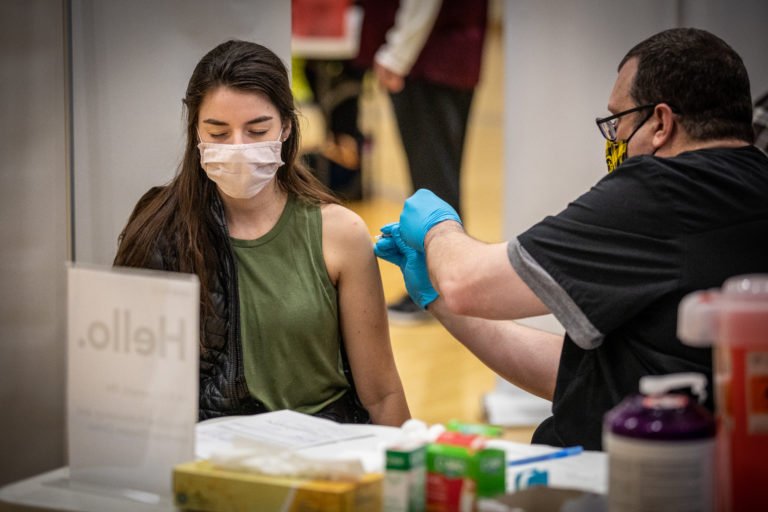
A growing sense of confusion has swept across pharmacies in the United Kingdom as changes to COVID-19 vaccination eligibility have caused widespread misunderstanding among the public, leading to frustration and even incidents of verbal abuse towards healthcare workers. The confusion, which stems from new eligibility criteria introduced this year, has left pharmacists struggling to manage expectations while urging patients to treat staff with respect.
Community Pharmacy England (CPE), the national body representing pharmacy contractors, has described the situation as deeply concerning, warning that a “significant change” in vaccine eligibility has left both patients and pharmacy teams uncertain about who qualifies for a free COVID-19 jab under the National Health Service (NHS). According to the CPE, reports from across the country indicate that between one-third and half of all patients booking their vaccination through the National Booking Service (NBS) are not actually eligible. Some general practitioners have also reportedly directed ineligible patients to pharmacies, further compounding the confusion and creating tension at local vaccination centres.

CPE officials have expressed concern that the policy change, though well-intentioned, was not adequately communicated to the public before implementation. Pharmacies have reported instances where individuals who were eligible last year are being turned away this year, often reacting with anger or disbelief. A spokesperson for CPE stated that front-line staff have found themselves at the receiving end of verbal abuse, adding that the government and NHS England must take immediate action to clarify eligibility criteria to avoid further misunderstanding and hostility.
Under the new rules, the COVID-19 vaccine is being offered on the NHS to a smaller segment of the population than in previous years. Those eligible this winter include people aged 75 or over, individuals between six months and 74 years old who have weakened immune systems, and residents of care homes for older adults. This marks a significant reduction compared to last year, when all adults aged 65 and over were eligible to receive the vaccine for free. Health authorities across England, Scotland, Wales, and Northern Ireland have confirmed that the new eligibility criteria are consistent throughout the United Kingdom.
The decision to narrow the eligibility list has reportedly been driven by cost-saving measures and shifting public health priorities. However, it has left many older adults and those with moderate health concerns confused about their eligibility. People outside the qualifying groups can still access the vaccine, but they must do so privately, often paying between £50 and £100 at participating pharmacies or private clinics. Some health experts have warned that this could discourage uptake, particularly among those on fixed incomes, and may leave sections of the population more vulnerable to seasonal COVID outbreaks.
Alongside the COVID vaccine rollout, the annual flu vaccination programme is also underway, with its own set of eligibility criteria. The flu jab is being offered to a broader range of groups than the COVID vaccine, including everyone aged 65 and above, individuals with certain long-term health conditions, pregnant women, primary school children, secondary school students up to Year 11, frontline healthcare workers, care home residents, and some carers or those living with immunocompromised individuals. Public health authorities have said that the dual rollout of flu and COVID vaccinations is intended to protect vulnerable groups and reduce winter pressures on the NHS.
However, the simultaneous launch of both vaccination programmes has added another layer of complexity. Many patients attempting to book their vaccinations online have found themselves mistakenly registering for both jabs, even when they only qualify for one. This has led to instances of double bookings, cancellations, and long queues at pharmacies. According to Henry Gregg, the chief executive of the National Pharmacy Association (NPA), this situation “should have been avoidable” and reflects a failure of communication between the NHS and the public. Gregg described the frustration as mutual, affecting both pharmacy staff and patients who are trying to do the right thing but are let down by unclear messaging.
He also issued an appeal for patience and understanding, urging the public to show respect to pharmacists and their teams as they navigate these challenges. “Pharmacies are working tirelessly to manage the new NHS clinical criteria,” Gregg said, adding that the NPA has already raised the issue with NHS England and the Department of Health, demanding swift action to resolve the confusion.
The NHS, meanwhile, has acknowledged the growing number of complaints but insists that the eligibility guidelines are clear and publicly available. A spokesperson for the health service encouraged patients to “double check” their eligibility status before making a booking, noting that detailed information is provided on the NHS website. The spokesperson also emphasized that GP practices and pharmacists are required to verify a person’s eligibility before administering the vaccine, and that those who do not meet the criteria will be politely turned away.
Despite these reassurances, many within the healthcare sector say the problem reflects a broader communication gap between policymakers and the public. Some pharmacy staff have described the rollout as “chaotic,” arguing that the government underestimated how strongly people would react to being told they no longer qualify for a free vaccine they previously received. Others have warned that such confusion could undermine trust in the NHS vaccination system and lead to reduced participation in future campaigns.

Public health experts are also concerned that the reduced eligibility could result in more hospitalizations this winter if significant numbers of at-risk individuals go unvaccinated. They argue that the government should reconsider expanding access, particularly given ongoing reports of rising COVID-19 infections in parts of the UK and the continued strain on hospitals.
For now, health officials maintain that the new approach is based on scientific advice and that vaccination efforts remain targeted toward those most likely to suffer severe illness. The Department of Health has said that it will continue to monitor infection rates and review vaccination policies as necessary. Still, until clearer communication and coordination are achieved, pharmacies across the UK are likely to remain at the centre of public frustration, caught between the public’s expectations and the government’s evolving health strategy.
Related News:
 UK Launches World-First Gonorrhoea Vaccine Amid Record Infection Surge
 AI Tools Used by English Councils Found to Downplay Women’s Health Issues, Raising Concerns Over Gender Bias in Care
 Breakthrough Clinical Trial Lets 12-Year-Old Boy with Rare Skin Disorder Play Football
 Hot Tea and Coffee Found to Contain Highest Levels of Microplastics in Popular Drinks
 Expanded Access to Health Diagnostics in England Now Available Beyond Standard Hours
 Shocking Rise in Children’s Exposure to Violent Online Pornography Raises Alarm
 Ed Davey Urges UK to Attract US Cancer Scientists Amid Funding Cuts Under Trump
 Omeprazole Alert: NHS Issues Guidance on Safe Use for Heartburn and Indigestion
GPs in England Warn of Overload as Nationwide Online Appointment System Approaches
Omeprazole Alert: NHS Issues Guidance on Safe Use for Heartburn and Indigestion
GPs in England Warn of Overload as Nationwide Online Appointment System Approaches
 Majority of UK Men Would Opt for Prostate Cancer Screening, Survey Finds
 Scientists Announce First Potentially Accurate Blood Test for Chronic Fatigue Syndrome
 NHS May Pay 25% More for Medicines Amid US Drug Talks
 Survey Shows Most GPs Rushing Appointments
 Genetic Tests May Predict Return of Blood Cancer
 UK Woman Becomes Longest Survivor of Heart-Lung Transplant
 Thousands in the UK sue Johnson & Johnson over alleged talcum powder, linked to cancer
 ‘Game-Changing’ HIV Prevention Jab Set for NHS Approval
 Breath test could ‘revolutionise’ pancreatic cancer treatment
 How Bringing Forests Into Preschools Boosts Children’s Health
 Experts Urge Legal Right to Timely Cancer Care
 Patients to Test Health at Home to Ease NHS Winter Pressure
 North Sea oil workers must lose weight or face job loss
 No link found between paracetamol in pregnancy and autism
 UK launches major AI drive to fight deadly superbugs
 Coffins Now Too Large to Cremate Amid Rising Obesity Crisis
 Thinktank Urges Smaller Hospitals to End NHS ‘Permacrisis’
 NHS paediatric leave parents waiting months for answers
 Concerns Mount Over Accuracy of At-Home Health Tests as Study Calls for Stricter Regulation
 The Ketamine Crisis in the UK is a Silent Epidemic Leaving Users with Lifelong Pain
 How to Exit Your Broadband Contract Without Paying Exit Fees
 Unseen Killers of the Deep Inside the UK Lab Uncovering the Silent Deaths of Sea Creatures
 Woman Warned She Might Need Leg Amputation to Survive After Liquid Brazilian Butt Lift
 Cats Develop Dementia Similarly to Humans, Study Finds
 Alarming rise in abusive teen relationships in the UK sparks urgent warnings
 Inquest Finds Agency Worker Failings Led to Unlawful Death of Vulnerable 14-Year-Old
 Baby Food Manufacturers Given 18 Months to Improve Nutrition and Labelling
 Ed Davey Urges Government to Block Elon Musk’s Tesla from Supplying UK Home Energy
 Why E-Bikes and E-Scooters Are Making Streets a ‘Nightmare’ for Blind People
 Millions in the UK at Higher Risk of Heart Failure and Stroke Due to Air Pollution, Study Warns
 Norfolk Hospital Ranked Worst in England as NHS League Tables Return
 More Than Half of UK Births Now Involve Medical Intervention
 British Pilot Joins Crew Training for Year-Long Mars Simulation Mission
 UK Graduates in Healthcare Report Highest Satisfaction with Degree Choices
 Jaguar Land Rover Extends Production Halt Following Cyber-Attack
 Systemic Racism in Maternity Care Continues to Endanger Black Women in England, MPs Warn
 One in Three GPs in England Do Not Work in NHS, Raising Concerns Over Access to Care
 Persistent Offenders Owe Over £700m in Ulez Fines as TfL Cracks Down on Evasion
 UK Doctors Guilty of Sexual Misconduct Continue Practising Amid Weak Sanctions, Research Finds
 British AI Startup Outshines Human Forecasters in Global Prediction Contest
 Heavy Drinkers Lead Growth in Non-Alcoholic and Low-Alcohol Market
 UK Fighter Jet Purchase Could Breach Nuclear Treaty, Warns CND
 Starmer Unveils Plan for NHS “Online Hospital” to Tackle Waiting Lists
 Questions Remain as Rugby Legend Lewis Moody Faces Motor Neurone Disease Diagnosis
 Millions in the UK at Risk of Cyber-Attacks as Microsoft Ends Windows 10 Updates, Warns Which?
 Cooper Unveils £4m Cyber Plan Against Russian Hackers
 Yvette Cooper Backs Digital ID Plan for UK Teens
 Ambulance Worker Fired After Flinging Amputee from Wheelchair and Offering Bribe
 Women Challenge Meta Over Targeted Ads After Miscarriage
 Mum’s Final Wish: Donating Her Body to Science
£18 Prostate Cancer Test Could Save Thousands of Lives
Mum’s Final Wish: Donating Her Body to Science
£18 Prostate Cancer Test Could Save Thousands of Lives
 Labour MPs Warn Digital ID Scheme Risks Cost and Support
Pregnant Women in England Face Rising Risk of Severe Birth Injury
Labour MPs Warn Digital ID Scheme Risks Cost and Support
Pregnant Women in England Face Rising Risk of Severe Birth Injury
 Reform UK candidate fined £19,000 after using AI-generated cases to challenge election
 Harry and Meghan join global AI leaders urging superintelligence ban
 One in 12 Secondary Pupils Sent to Isolation Weekly
 Met Launches Drones to Respond Rapidly to 999 Calls
 UK Health Leaders Push for Urgent Tobacco & Vape Bill
 Hospice Cuts Raise Alarm Across England Amid Funding Crisis
 Celebrities and Charities Demand UK Government Act on Child Poverty
 Experts Warn on Home Birth Risks, Call for Skilled Midwives
 London’s Childlessness Crisis: Schools Closing as Families Shrink
 Government urges schools to ban phones to curb classroom disruption
 Valve Opens the Door for Android Games on Steam
Working-Class Men with Prostate Cancer Left Behind by NHS
Valve Opens the Door for Android Games on Steam
Working-Class Men with Prostate Cancer Left Behind by NHS
 From Baby Teeth to Bioengineering: The Future of Self-Healing Teeth
 ‘Traumatic Wait’: Northern Ireland Women Face Breast Cancer Delays
 Healthy Habits in Your 30s That Boost Life in Your 70s
 UK Taskforce Unveils Plan to Streamline Nuclear Reactor Rules
 Fibromyalgia Patients Struggle as NHS Fails to Provide Care
 “Enough is Enough”: Local MP Vows to Fight Rainham Quarry Plans