Published: 17 October 2025. The English Chronicle Desk. English Chronicle Online
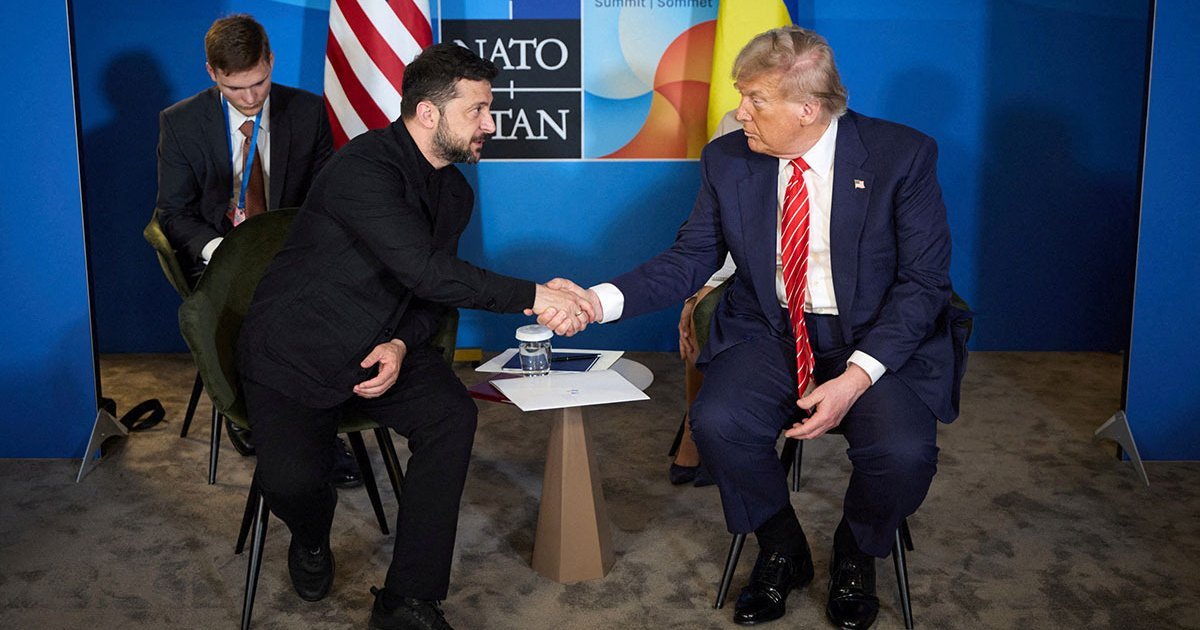
Ukrainian President Volodymyr Zelensky is set to meet with US President Donald Trump in Washington on Friday, seeking support for long-range Tomahawk missiles capable of striking deep into Russian territory. The meeting follows Trump’s recent phone conversation with Russian President Vladimir Putin, in which the two leaders agreed to hold face-to-face talks in Hungary. Trump described the call—the first since mid-August—as “very productive,” adding that high-level delegations from Washington and Moscow would meet next week to further discussions.

Zelensky, arriving in the US for his third visit since January, stressed the urgency of providing Ukraine with advanced missile systems, noting that Moscow has been quick to resume diplomatic engagement upon hearing of the potential deployment of Tomahawks. The Ukrainian leader emphasized that the missiles, with a range of approximately 2,500 kilometers, are critical to the country’s defensive strategy.
Trump’s public statements regarding the potential transfer of Tomahawks have been cautious. While he has previously indicated that he might supply Ukraine with the weapons, he later clarified that the US could not deplete its own stockpile, citing national security needs. At present, Ukraine lacks the necessary naval platforms to operate the missiles, and the US has only a limited number of land-based Typhon launchers capable of deploying them, a program reinstated in 2019 following the end of the Intermediate-Range Nuclear Forces Treaty.
The Trump-Putin phone call, which preceded Zelensky’s arrival, focused significantly on post-war trade between the United States and Russia. Trump later told reporters he expected to meet Putin in Hungary within two weeks and that the outcome of their conversation would be shared with Zelensky. The development has added a layer of complexity to the Ukrainian leader’s diplomatic agenda, as he seeks additional military support while major powers negotiate directly with Moscow.
Russia, meanwhile, intensified military operations on the eve of the Trump-Putin call, launching one of its largest strikes of the year against Ukraine, including ballistic missiles and drones. Ukraine’s ambassador to the US, Olga Stefanishyna, described the attacks as evidence of Moscow’s “real attitude toward peace,” arguing that stronger sanctions, reinforced air defenses, and long-range weaponry remain the most effective measures. Kremlin officials warned that supplying Ukraine with Tomahawk missiles would be perceived as a major escalation.
Trump’s approach toward Russia has fluctuated since returning to office. Initially seen as more sympathetic to Moscow, he has in recent months signaled a firmer stance, at times urging Russia to agree to ceasefire measures and imposing deadlines for negotiations. His relationship with Zelensky has also evolved; after a tense public confrontation in February, the two leaders have reportedly improved their communications, with Trump acknowledging in September that Kyiv could realistically reclaim all Ukrainian territory occupied by Russia.

International observers are closely monitoring these developments. Hungary is poised to host the upcoming US-Russia summit, with Prime Minister Viktor Orban suggesting that Europe’s role in direct peace negotiations may remain limited due to the EU’s perceived pro-war stance. Meanwhile, Zelensky’s urgent push for missile aid underscores the continuing tension between diplomatic outreach and military necessity in the ongoing conflict, highlighting the complex calculus faced by the United States as it balances support for Ukraine with broader strategic considerations in dealing with Russia.
Related News:
 Kinnock’s Rebuke Echoes Loudly as Corbyn Allies Launch Left-Wing Breakaway: “A Gift to Farage”
 Tories in Turmoil as Sir Jake Berry’s Defection to Reform Sparks Fears of Further Exodus
 UK and Norway Forge Stronger Ties Through Joint Sanctions and Enhanced Defence Cooperation
 Trump Administration Dismisses 17 Immigration Judges, Sparking Debate Over Judicial Independence
 Lammy Condemns Israel’s Targeting of Starving Palestinians: Sanctions Threatened Amid Global Outrage
 Northern Ireland Family of Three Shot Dead in Maguiresbridge Home Incident
 Netanyahu Announces Plan to Take Over Gaza City, Escalating Conflict Further
 Prominent Al Jazeera Journalist Anas al-Sharif Among Five Reporters Killed in Israeli Airstrike on Gaza
 High-Stakes Diplomacy: Trump and Putin Head to Alaska for Historic Peace Talks
 Manchester City Announce Their Return in Style with Haaland Double and Debut Goals at Wolves
 Where Is Prince William and Kate Middleton’s New House? Inside the Historic Lodge Set to Become Their ‘Forever Home’
 Los Angeles’ Alleged ‘Ketamine Queen’ Agrees to Plead Guilty in Connection with Matthew Perry’s Death
 Costa Blanca Holiday Horror as Food Poisoning Outbreak Hits Four-Star Hotel
 Lisbon’s Historic Funicular Turns to Tragedy: The Elevador da Glória Derailment
 Lisbon Funicular Disaster Claims 17 Lives in Shocking Crash
 France Recognises Palestinian State as Trump Prepares to Address UN General Assembly
 Public Executions in Gaza City Captured on Video Amid Ongoing Conflict
 Macron Phones Trump Over Traffic Jam in New York
 Denmark Investigates Professional Drone Incursions Across Multiple Airports, No Evidence of Russian Involvement
 Nicolas Sarkozy Sentenced to Five Years in Jail in Libya Campaign Financing Case
 Sir Sadiq Khan Accuses Trump of Racism and Islamophobia Following UN Remarks
 Comey Indictment Deepens Fears of Political Retribution Under Trump
 Trump Imposes Sweeping Tariffs on Pharmaceuticals, Trucks and Furniture Imports
 Assumption Island Dispute Dominates Seychelles Election as Environment, Economy and Geopolitics Collide
 Trump Unveils Gaza Peace Plan Amidst Deep-Seated Challenges
 “It Was Very Tough, But I Love Life”: Former Israeli Hostage Rebuilds Life After Family Killed by Hamas
 Bournemouth Stun Fulham with Dramatic Comeback in Premier League Thriller
 Misinformation and Political Pressure Force Weston-super-Mare to Abandon Refugee Sanctuary Plan
 Chaos at Ibrox as Martin’s Rangers Era Comes to an End
 Arsenal Showcase Depth and Flexibility as Arteta Eyes Title Challenge
Trump Presses for Urgent Progress as Cairo Talks Aim to Halt Gaza War
Arsenal Showcase Depth and Flexibility as Arteta Eyes Title Challenge
Trump Presses for Urgent Progress as Cairo Talks Aim to Halt Gaza War
 Nobel Prize Honours Pioneers Behind Materials That Could Heal the Planet
 Nobel Peace Prize Officials Probe Suspicious Online Bets
 Hope Amid Heartbreak: The Stories Behind the Freed Israeli Hostages
 Trump Claims Modi Has Agreed to Halt Russian Oil Imports Amid Heightened US Pressure
 Barnes Inspires Newcastle to Champions League Triumph Over Benfica
City shine with PlayStation-style football to overwhelm Villarreal
Barnes Inspires Newcastle to Champions League Triumph Over Benfica
City shine with PlayStation-style football to overwhelm Villarreal
 Fabio Wardley stuns Joseph Parker to earn Usyk title shot
 US Super-Rich Are Draining Planet’s Safe Climate Space
 Tragedy on Lizard Island: Cruise Passenger Dies
 Fed Cuts US Interest Rates Again Amid Labour Market Uncertainty
 UK Charters Emergency Flights to Evacuate Britons from Jamaica
 Hurricane Melissa Leaves Devastation Across Jamaica as Death Toll Rises
 Mikie Sherrill Elected New Jersey’s Governor in Key Win
 US Senate Passes Funding Bill to End Historic Shutdown
 BBC’s Tim Davie to Address Staff Amid Trump $1bn Threat
 Thailand Suspends Cambodia Border Peace Deal Amid Tensions
 Hannibal Gaddafi Freed After Nearly a Decade in Lebanon
 Fog Aids Russian Forces in Deep Push into Pokrovsk
 Hitler’s DNA Confirms He Truly Had Only One Testicle
 Victoria Signs Historic Treaty with Indigenous Peoples
 US Justice Department Files Lawsuit Against California Over Partisan Voting Maps
 Israel Confirms Returned Hostage as Meny Godard
 Orban Says Ukraine Has ‘No Chance’ as EU Support Continues
 Israeli Strike Kills 13 Near Palestinian Camp in Lebanon
 Zelensky Meets US Envoy in Turkey to Push Ukraine Peace Talks
 Congress Approves Release of Epstein Files, Trump Expected to Sign
 Haiti Qualifies for World Cup Despite Coach Never Visiting Country
 Rama Rebukes Mahmood for Targeting Albanian Families
 Russian Vessel Used Lasers on RAF Pilots, UK Claims
 Scotland Fans Celebrate Historic World Cup Qualification
 Pentagon Officials in Ukraine to Discuss War End
 Vietnam Battles Deadly Floods as Rains Continue
 WhatsApp Messages Expose Nathan Gill’s Bribery
 Venezuela Threatens Nobel Winner Machado with Fugitive Status
 At Least Three Dead in Bangladesh Earthquake
 Texas Governor Faces Lawsuit From CAIR
 Israel Confirms Hamas Returned Dror Or’s Body
 Trump Envoy to Discuss Ukraine Peace at Kremlin
 Twenty-Four Nigerian Schoolgirls Freed After Abduction
 Two National Guard Soldiers Critically Injured Near White House
 Pope Leo XIV Begins Historic Trip to Turkey and Lebanon
 Mbappe Scores 4 as Real Madrid Edge Olympiakos
 Man City Lose, Champions League Risk
 Sri Lanka Floods Leave 56 Dead, Dozens Missing
 India’s Labour Law Overhaul Sparks Fierce Debate
 Video shows Israeli troops kill Palestinians after surrender
 Trump to Recheck Green Cards from 19 Nations After DC Attack
 Chinese & Japanese Boats Clash Near Disputed Islands
 Indonesia to Repatriate Two Dutch Drug Convicts