Published: 22 October 2025. The English Chronicle Desk. The English Chronicle Online.
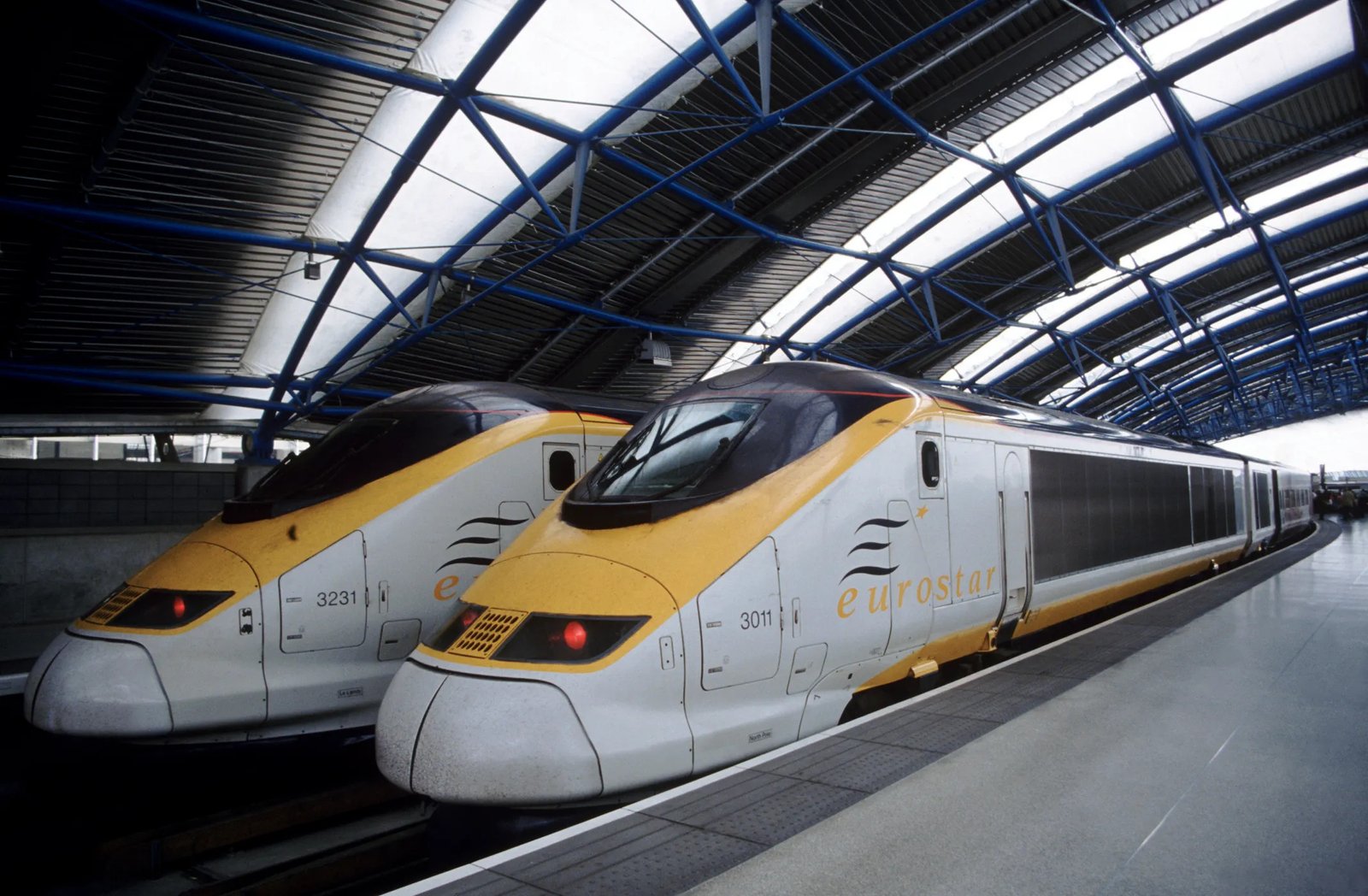
Eurostar has unveiled ambitious plans to introduce double-decker trains through the Channel Tunnel, a move aimed at addressing increasing demand for international rail travel from the United Kingdom to continental Europe. The announcement follows the signing of a €2bn (£1.7bn) contract with French train manufacturer Alstom for the delivery of between 30 and 50 new trains, with operations scheduled to begin in 2031.
The new fleet, known as Eurostar Celestia, represents a major evolution in high-speed rail travel for the UK, with each train capable of carrying more than 1,000 passengers—making them the largest passenger trains to operate on British soil. Eurostar has confirmed that these double-decker trains will feature roughly 20% more seating than its current largest models, with the additional space accommodating not only more passengers but also increased accessibility for wheelchairs, designated areas for bicycles, extra legroom, and a series of undisclosed “surprises” aimed at enhancing the passenger experience.
“This milestone order is the concrete realisation of Eurostar’s ambitious growth strategy,” said Eurostar Chief Executive Gwendoline Cazenave. “It demonstrates our commitment to reach 30 million passengers through investment in a brand-new fleet. Customers can expect a very special experience with the Eurostar Celestia, combining exceptional comfort with innovative features yet to be revealed.”

The company has indicated that all maintenance for the expanded fleet will take place at its Temple Mills depot in north-east London, a site slated for redevelopment with a further €80m investment. Eurostar expects the project to create around 350 new jobs, a boost to the local economy and the UK rail sector.
The timing of Eurostar’s announcement coincides with ongoing deliberations by the UK’s Office of Rail and Road (ORR) regarding the allocation of maintenance space at Temple Mills for potential competitors. Multiple international high-speed rail operators, including Virgin, FS Italiane (Trenitalia in partnership with Spain’s Evolyn), and Gemini, have submitted bids for access to the depot. Eurostar, however, maintains that the facility cannot accommodate additional operators due to its own planned expansion.
Virgin has separately signed an agreement with Alstom to purchase 12 Avelia high-speed trains, similar to models currently in operation in Italy and Sweden, contingent on the ORR granting depot access. FS Italiane has pledged that its cross-Channel services would stop at Ashford, Kent, if successful, aligning with government encouragement to reopen disused UK high-speed stations and improve connectivity. The ORR’s provisional decision regarding the competing bids was made at a recent board meeting, with a final ruling expected by 31 October.
Henri Poupart-Lafarge, CEO of Alstom, highlighted the innovation behind the new trains: “This next-generation train, designed to meet the demands of international very high-speed traffic, embodies our vision of sustainable and competitive European mobility. Eurostar Celestia will set new standards for comfort, capacity, and environmental performance.”
The new trains will not only operate through the Channel Tunnel but will also be compatible with the entire Eurostar network, including planned future services to Frankfurt and Geneva. As the double-decker fleet gradually enters service, older trains will be phased out, except for the 17 most recent e320 models. Once fully delivered, the new trains will expand Eurostar’s total fleet capacity by around 30%, enhancing its ability to meet growing passenger numbers while improving operational efficiency.
Cazenave emphasised that while the ORR decision on depot space is significant, the demand for international rail travel in the UK justifies substantial private investment. “We are looking at long-term solutions for sustainable travel between the UK and continental Europe,” she said. “This involves private capital, such as the €2bn we are investing, but also public transport policy measures to support maintenance facilities and terminal upgrades, including at St Pancras International.”
The Celestia trains are being developed with a focus on passenger comfort and environmental sustainability. Their design incorporates energy-efficient technologies, lower noise emissions, and enhanced aerodynamics to reduce operational costs and environmental impact. Eurostar aims to position the new trains as part of a broader strategy to encourage greener travel, offering a competitive alternative to short-haul flights between the UK and Europe.
Industry experts view Eurostar’s investment as a bold statement about the future of high-speed rail travel in Europe. The introduction of double-decker trains addresses long-standing capacity constraints, particularly during peak travel periods, and signals confidence in the sustained growth of cross-Channel passenger numbers despite the disruption of recent years due to the COVID-19 pandemic and other economic factors.
The planned expansion also aligns with wider European trends in high-speed rail investment. Nations such as France, Germany, and Italy have progressively upgraded their high-speed networks with double-decker trains to accommodate increasing passenger flows, while maintaining commitments to energy efficiency and accessibility. Eurostar’s adoption of similar strategies reflects the UK’s intent to integrate more fully into continental rail networks.
The Temple Mills depot redevelopment is a key component of Eurostar’s expansion strategy. The investment will enable the company to maintain a larger fleet on UK soil, improving turnaround times, operational efficiency, and overall service reliability. Additionally, the creation of 350 jobs at the depot will support skills development in the UK rail sector, with opportunities spanning engineering, logistics, and management.
The Celestia trains are also expected to introduce new onboard amenities and innovations, enhancing the passenger experience through improved seating, entertainment options, and connectivity. Eurostar aims to provide travellers with a seamless, high-speed journey from major UK cities to key destinations across Europe, while demonstrating leadership in sustainable rail transport.

While Eurostar has faced challenges in recent years, including fluctuations in passenger demand and regulatory uncertainties, this investment represents a significant step towards long-term growth. By modernising its fleet and expanding capacity, the company seeks to remain competitive amid rising international travel demand and increasing competition from other high-speed operators seeking a share of cross-Channel services.
As Eurostar moves forward with its ambitious fleet expansion, industry observers note that the project will also influence broader transport policy discussions in the UK. The need for additional maintenance facilities, terminal upgrades, and investment in sustainable travel infrastructure will be central to ensuring the success of the new trains. Public-private collaboration will be essential to accommodate both Eurostar’s growing operations and potential future competitors, ensuring a resilient, efficient, and environmentally responsible high-speed rail network.
With the launch of double-decker trains by 2031, Eurostar is set to redefine international rail travel for UK passengers. By combining increased capacity, innovative design, and sustainable technology, the Celestia trains will provide an enhanced, future-ready travel experience while reinforcing the UK’s position within Europe’s high-speed rail network.
Related News:
 Jaguar Land Rover to Resume Production After Cyber-Attack, Launches Supplier Support Scheme
 Anglian Water Fined £63 Million Over Sewage Scandal Amid National Outrage
 How to Exit Your Broadband Contract Without Paying Exit Fees
 Bank of England Poised to Cut Interest Rates Amid Rising Unemployment and Global Trade Pressures
 Permission Granted for Britain’s First Vertical Rocket Launch at Shetland Spaceport
 Non-Dom Tax Crackdown Risks Backfiring as Exodus Threatens UK Revenue and Investment
 UK Jobs Market Faces Strain as Employers Cut Bonuses and Hiring Amid Economic Slowdown
 Government Expands Electric Car Grant Scheme, Offers Discounts on Five More Models
 Inflation Latest: Cost of Living Expected to Rise Again in Key Figures Released Today
 Ed Davey Urges Government to Block Elon Musk’s Tesla from Supplying UK Home Energy
 WH Smith Market Value Plummets by £600m Following North American Accounting Error
 Energy Users Could Save £5bn Annually if Gas Power Plants Are Removed from Market
 Retail Sales See Uptick Amid Errors and Delays as ONS Faces Scrutiny
 UK House Prices Hit Record £299,331 as Market Shows Steady Growth
Shein UK Faces Allegations of Shifting Majority of Profits to Singapore to Reduce UK Tax
UK House Prices Hit Record £299,331 as Market Shows Steady Growth
Shein UK Faces Allegations of Shifting Majority of Profits to Singapore to Reduce UK Tax
 UK Retail Sales Rise in August, but Tax Concerns Loom Over Festive Period
 Vodafone Faces Fourth Probe into Franchising Division Amid £120m Legal Battle
 Merck Abandons £1bn London Research Hub and Cuts 125 Jobs in Blow to UK Life Sciences
 John Lewis Partnership Posts £88m Loss as Costs and Restructuring Bite
 UK Economy Flatlines in July, Raising Pressure on Rachel Reeves Ahead of Autumn Budget
Business Rates Hike Could Threaten Hundreds of UK Retailers, Putting 100,000 Jobs at Risk
UK Economy Flatlines in July, Raising Pressure on Rachel Reeves Ahead of Autumn Budget
Business Rates Hike Could Threaten Hundreds of UK Retailers, Putting 100,000 Jobs at Risk
 Big Pharma Investment Freeze Puts UK Life Sciences Sector Under Strain
 UK Could Generate Nearly £2bn Annually by Taxing SUVs, New Study Reveals
 Rachel Reeves Hosts Top UK and US Financial Executives as Trump’s State Visit Begins
 Google Pledges £5bn AI Investment in UK Ahead of Trump State Visit
 Jaguar Land Rover Extends Production Halt Following Cyber-Attack
 UK Labour Market Shows Signs of Cooling as Wage Growth Slows and Redundancies Rise
 UK Wage Growth Remains High, But Cost of Living Pressures Bite
UK Inflation Holds Steady at 3.8% as Rising Fuel Costs Offset Falling Air Fares
UK Wage Growth Remains High, But Cost of Living Pressures Bite
UK Inflation Holds Steady at 3.8% as Rising Fuel Costs Offset Falling Air Fares
 Ben & Jerry’s Co-Founder Resigns, Accusing Unilever of Silencing Brand’s Social Mission
 Next Shares Slide Amid Warning on Weak UK Growth and Jobs
 UK Borrowing Surges to £18bn in August, Exceeding Forecasts
 Farage’s Reform UK Receives £100,000 from Design Firm with Past Tax Issues
 British AI Startup Outshines Human Forecasters in Global Prediction Contest
 Dagenham Left in Limbo After Smithfield and Billingsgate Market Relocation Cancelled
 King Charles Earns Over £1 Million from Duchy Land Linked to Scrapped HS2 Project
 Vodafone Franchisees Sound Alarm: Mental Health Toll of Commission Cuts Revealed Years Before £120m Court Battle
Public Skepticism Over AI Poses Challenge to UK’s Superpower Ambitions, Says Tony Blair Institute
Vodafone Franchisees Sound Alarm: Mental Health Toll of Commission Cuts Revealed Years Before £120m Court Battle
Public Skepticism Over AI Poses Challenge to UK’s Superpower Ambitions, Says Tony Blair Institute
 Gatwick Secures Approval for £2.2bn Second Runway Expansion
Nearly 1.5 Million Homes Could Be Built on Brownfield Sites in England, Report Reveals
Gatwick Secures Approval for £2.2bn Second Runway Expansion
Nearly 1.5 Million Homes Could Be Built on Brownfield Sites in England, Report Reveals
 UK Government Backs Return of International Rail Travel to Kent Stations
 AstraZeneca to List on New York Stock Exchange While Retaining London Ties
 Retailers Warn Tax Rises Could Prolong Inflation as Shop Prices Climb
 Royal Mail Owner Acquires Stake in Collect+ and Launches High Street Rebrand
 Marks & Spencer Staff to Work on Boxing Day for First Time in Five Years Amid Cost-Cutting Measures
UK Housing Market Returns to Growth Amid Signs of Stability and Regional Variation
Marks & Spencer Staff to Work on Boxing Day for First Time in Five Years Amid Cost-Cutting Measures
UK Housing Market Returns to Growth Amid Signs of Stability and Regional Variation
 UK Government Secures £122m Win Against Michelle Mone-Linked Firm Over Defective PPE
 Delivery Apps Could Double the Cost of Your Groceries, Warns Consumer Watchdog
 Kemi Badenoch Unveils ‘Golden Rule’ to Halve Spending Cuts for Deficit Reduction at Tory Conference
 Gold Hits Historic $4,000 Amid Global Uncertainty
 NHS May Pay 25% More for Medicines Amid US Drug Talks
 Millions Face Higher Water Bills After Regulator Approves Hikes
 Massive Vodafone Outage Disrupts Internet and Mobile Services Across the UK
 Watchdog Rules Red Tractor Ad Misled Public on Environmental Claims
 UK GDP edges up 0.1% in August as Reeves faces budget pressure
 Rachel Reeves urged to consider welfare cuts to boost fiscal credibility
 UK inflation update: New rate expected as Budget approaches
 Co-op Urged Staff to Promote Vapes After Cyber-Attack Hit Sales
 Lotto result jackpot draw halted due to technical glitch
 Rachel Reeves to lead UK trade push in Saudi Arabia amid rights debate
 UK Small Business Owner to Challenge L’Oréal in Tribunal
 Court Hears Challenge Over Water Bills Funding Sewage Fixes
 Rachel Reeves Set to Break Labour Pledge and Raise Income Tax
 Thinktanks Urge Rachel Reeves to Reform UK Tax System
 Tony Blair think tank warns Rachel Reeves must cut taxes if manifesto broken
MPs Press Rachel Reeves to Hike Gambling Taxes
Tony Blair think tank warns Rachel Reeves must cut taxes if manifesto broken
MPs Press Rachel Reeves to Hike Gambling Taxes
 North Sea oil workers must lose weight or face job loss
 Cuts to home insulation funding threaten UK climate goals
 Warning as Britons prepare to spend £4 billion this Black Friday
 Troubled drinks giant Diageo names former Tesco boss to lead turnaround push
 Reeves’s Tax U-Turn Triggers Fresh Jitters in UK Markets
 Global markets drop amid tech sell-off and China slowdown
 PM Highlights UK Business at G20 in South Africa
 Mossmorran Plant Closure Hits Cowdenbeath Hard
 UK Government Borrowing Higher Than Expected
 UK Taskforce Unveils Plan to Streamline Nuclear Reactor Rules
 Minister Denies Budget Leaks Have Harmed UK Economy
Budget 2025: Reeves Drops Economic Growth Reference
Minister Denies Budget Leaks Have Harmed UK Economy
Budget 2025: Reeves Drops Economic Growth Reference
 Black Friday Footfall Falls as UK Shoppers Hold Back Amid Economic Concerns
 Rising Water Bills Lift Troubled Thames Back to Profit