Published: 09 January 2026. The English Chronicle Desk. The English Chronicle Online.
Venezuela has begun releasing political prisoners in a historic move aimed to consolidate peace. The government’s announcement, coming just days after international pressure intensified, signals a deliberate effort to reduce tensions and demonstrate goodwill toward both domestic and foreign communities. Political prisoners in Venezuela have long faced harsh conditions, and this release represents a critical step in addressing human rights concerns while easing international scrutiny. Observers emphasise that the focus on consolidating peace is central to the government’s messaging, reflecting an ambition to stabilise political relations within the country.
Among those freed was former opposition candidate Enrique Márquez, who expressed relief and gratitude upon his release. Márquez appeared in a video with a journalist, highlighting the emotional reunion with his family and other detainees. Biagio Pilieri, another opposition figure, was also released, reinforcing the government’s intention to project a more conciliatory image. Spain confirmed that five Spanish nationals, including Rocío San Miguel, a dual Spanish-Venezuelan citizen, were allowed to leave the country with embassy assistance. Spanish Foreign Minister José Manuel Albares described the development as a positive sign of Venezuela entering a new political phase.

The release has prompted widespread public and international attention. Families of detainees rushed to prisons in anticipation, hoping to reunite with loved ones detained for years. Pedro Durán, who travelled from Spain to Venezuela, waited outside Guatire prison hoping for news about his brother Franklin, detained since 2021. “We’re feeling a lot of hope … We’re just waiting now,” Durán said, capturing the mix of anxiety and relief permeating the country.
Venezuelan opposition leaders hailed the decision, framing it as a victory for justice and human dignity. María Corina Machado emphasised that the releases show truth and fairness cannot be permanently suppressed. While the exact number of prisoners being freed remains uncertain, human rights organisations estimate Venezuela holds between 800 and 1,000 political detainees, mostly individuals accused following the 2024 election widely criticised as fraudulent.
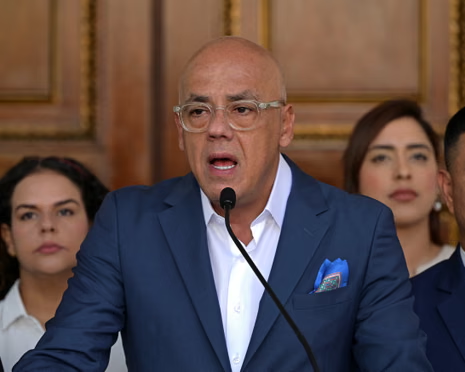
Jorge Rodríguez, head of the National Assembly and brother to Acting President Delcy Rodríguez, characterised the release as a “unilateral gesture to reaffirm our unbreakable decision to consolidate peace in the republic.” Authorities underscored that this initiative aims to support peaceful coexistence and national unity, portraying it as a forward-looking effort to resolve longstanding tensions.
Despite optimism, the announcement has been met with cautious monitoring by NGOs and human rights activists. Marta Tineo, coordinator of Justicia, Encuentro y Perdón (JEP), noted that while some areas of El Helicoide – historically notorious for political detentions – are being vacated, the process is gradual. Activists stress that large-scale prisoner releases require legal and logistical procedures, meaning full transparency may take days to materialise.
Alfredo Romero, leader of Foro Penal, an organisation tracking political prisoners, reported confirming only a handful of releases, noting that many detainees remain under conditional freedom with strict restrictions. The expectation of full liberation persists among advocates, who view partial or conditional releases as insufficient in addressing systemic injustice.
The move comes amid broader international attention, including statements from former US President Donald Trump, who highlighted the closure of alleged torture facilities in Caracas without providing detailed information. Speculation continues regarding the Helicoide de la Roca Tarpeya, a complex long associated with detention and mistreatment of political prisoners. Experts suggest that the government’s strategic release and partial closure of detention facilities could enhance its international image and ease diplomatic tensions.
 While only a limited number of detainees have been released so far, the focus on consolidating peace remains central to government statements. Authorities frame the releases as part of a national effort to reconcile political divisions and foster unity. Families, activists, and international observers continue to monitor the situation closely, balancing hope with vigilance as further developments unfold.
As the news develops, Venezuela’s commitment to consolidating peace and addressing the human rights situation remains under scrutiny. International observers, along with NGOs, are likely to maintain pressure to ensure transparency and the eventual release of all political prisoners. Meanwhile, the immediate impact is profoundly human, offering brief yet significant relief to those who have endured long-term incarceration.
The release of political detainees underscores a pivotal moment in Venezuela’s recent history, revealing both the challenges and possibilities inherent in efforts to stabilise governance. With the focus keyword consolidating peace, government statements and international commentary consistently highlight this as a central priority. The announcement, cautious as it is, may mark the beginning of broader reforms and reconciliation, illustrating that political gestures, even partial, carry considerable symbolic weight.
Related News:
 British Woman in Iran ‘Losing Hope’ Amid Ongoing Detention
 BBC to Apologise Over Edited Trump Speech Amid Backlash
 Britain deploys RAF specialists to assist Belgium with drone threats
 US Justice Department Files Lawsuit Against California Over Partisan Voting Maps
 Greene Pushes Epstein Files Amid Trump Fallout
 Trump Deploys DHS to Charlotte in Major Arrest Operation
 December Run-Off in Chile as Election Produces No Winner
 Canada Passes Carney’s First Budget in Tight Parliamentary Vote
 Shadow Fleet at Sea: Europe’s Battle Against Illicit Oil Shipping
 Pentagon Officials in Ukraine to Discuss War End
 Venezuela Threatens Nobel Winner Machado with Fugitive Status
 Georgians Defy Government Crackdown After Year of Protests
 India’s Labour Law Overhaul Sparks Fierce Debate
 EU plans $105bn Ukraine aid using frozen Russian assets
 Global campaign launched to free Palestinian leader Barghouti
 Iran Leader Blames Protesters, Says They Serve Trump
 Trump Policies Boost China’s Global Rise, Survey Finds
 Iran unrest slows under brutal crackdown and global tensions
 Thousands Protest ICE Operations in Nationwide US Day of Action
 Epstein Files Reveal Trump Officials’ Emails with Financier
 Thousands Protest ICE in New York Against Trump Deportation Campaign
 Starmer Condemns ‘Depraved’ Russian Strikes on Ukraine
 Herzog visit sparks protests across Australian cities
 Sydney Protest Escalates and Elderly Woman Suffers Severe Injury
 Tarique Rahman’s Rise Toward Bangladesh’s Top Job
 Glass Cliff Debate After Ley’s Ouster
 Japan Seizes Chinese Boat Amid Rising Tensions
 AFP Reviews Pauline Hanson Comments
 Duterte ICC Hearing Begins Amid Defiance
 Trump Tariffs Threat Spark UK and EU Alarm
 Difficult Grace Tame Label Ignites Fury and Debate Down Under
 The Dangerous Rise of Remigration Across Modern Europe
 Trump’s Marathon Speech Fails to Mask a Growing National Disconnect
 US to offer passport services in West Bank settlements
 Clinton Testimony Erupts in Fiery Exchange
 Health Funding Row Rocks US‑Africa Relations
 New UK-EU Reset Faces Criticism from Parliament
 Cuba charges six exiles for terrorism after speedboat raid
 US and Ecuadorian Forces Strike Drug Cartels Together
 Mojtaba Khamenei Chosen as Iran’s New Supreme Leader
 Iran Defiance Grows Amid US-Israel War Pressure
 US Strikes on Iran Set for Most Intense Day Yet
 Iran Nuclear Stockpile Sparks US Special Forces Debate
 China’s Ethnic Unity Law Set to Reshape Minority Schools
 Moscow Internet Blackouts Raise Censorship Fears
 Republicans Rebuke FCC Threat Over Iran War Coverage
 Oil Prices Surge as IEA Weighs Emergency Release
 Danish Election Deadlock Shakes Frederiksen’s Grip
 Trump to Visit China in May After Iran War Delay
 Pope Rebukes Leaders for War as Middle East Tensions Rise
 Trump to Deploy “God Squad” Over Gulf Wildlife Protections
 Army Probes Apache Flyover at Kid Rock’s Nashville Estate
 Italian Town Buys Mussolini Villa to Keep Away Fascist Fans
 Report Says Pezzullo Acted ‘Recklessly’ in Dealings
 Trump Employs Nixon’s Madman Theory Amid Iran Crisis
 Trump Voices Frustration Over Nato Role in Iran Conflict
 Hungary election: Orbán faces biggest test amid scandal
 Suspected Plot Targets Pipeline Before Hungary Vote
 Trump Slams UK Ties and Threatens To Rewrite Trade Deal
 Southeast Asia Turns to Russia Amid Energy Crisis
 Capitalism ‘Suicidal’, Warns Petro at Climate Summit
 Judge halts deportation of Yemeni refugees in US
 Activists allege abuse after Gaza flotilla seizure
 Trump approval plunges amid Iran war fears
 Ohio’s Battle for Trust: Democrats Vying to Flip the Buckeye State
 US ‘Narco Boat’ Strikes Draw Global Outcry
 Ohio Primaries Set Stage for Crucial Midterms
 Afghan Families Left in Limbo Face Risk of Deportation
 Tensions Emerge in Netanyahu-Trump Alliance
 US Awaits Iran Reply on New Ceasefire Proposal
 Hormuz Talks Near Critical Stage
 Discontent grows around Putin amid war strain
 Starmer Leadership Under Pressure After Setbacks
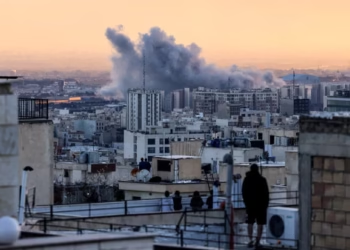 House Curbs Trump’s War Powers in Rare Rebellion
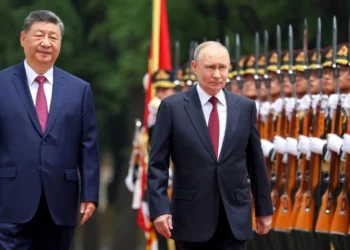 Germany Summons Chinese Envoy Over Russian Troop Training
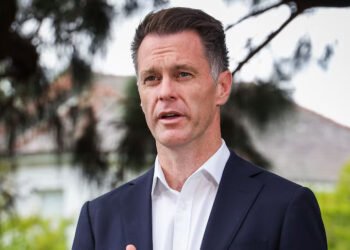 New South Wales Premier Chris Minns Signals Tough Road Ahead for Labor
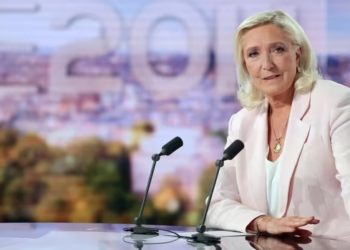 Le Pen to Run for President Despite Embezzlement Conviction
 Ukraine Creates Long-Range Strike Command
 Le Pen’s Popularity Holds Despite Conviction
 Houthis Strike Saudi Arabia as Middle East Tensions Rise