Published: 19 January 2026. The English Chronicle Desk. The English Chronicle Online.
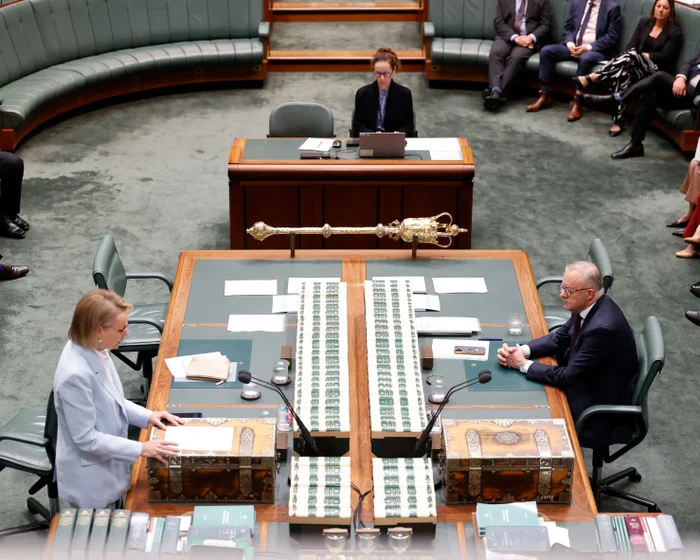
Hate speech laws are set to pass after Sussan Ley and Anthony Albanese reached a historic bipartisan deal. These hate speech reforms, urgently crafted following the Bondi beach terror attack, aim to tackle antisemitism and prevent extremist threats in Australia. Within the first 100 words, the legislation establishes stronger powers to ban hate groups while protecting freedoms, ensuring that the focus remains on safeguarding Jewish Australians. After intense negotiations, Labor and Liberal leaders agreed on key amendments, including provisions for reviewing and unlisting extremist organisations, reflecting a commitment to national security and community protection.
The breakthrough comes after weeks of political tension, with Coalition MPs initially split over the scope of proposed powers. The Nationals expressed concern that granting ministers the authority to designate hate groups could have unintended consequences. Despite these objections, Liberal sources confirmed the bill will proceed with Labor support, ensuring its passage through both houses. Albanese’s strategy involved splitting controversial measures, isolating gun control into a separate bill while maintaining the core hate speech reforms. This decision followed widespread opposition from various political and community stakeholders who demanded a more targeted approach.

Coalition unity was tested, with shadow cabinet members convening on Sunday to determine whether a deal with Labor could deliver a workable legislative outcome. After extensive discussions, Liberals agreed to back the bill, provided amendments captured external speakers and limited powers to list or unlist organisations. Ley and Julian Leeser personally met families of Bondi attack victims, emphasising the urgent need for bipartisan action and support for Jewish Australians. These high-level discussions underscored the sensitivity and urgency surrounding hate speech and extremism in the national context.
Separately, the companion gun control legislation will pass on Tuesday with Greens support, creating the largest firearms buy-back since 1996 and mandating criminal background checks for licence applicants. Albanese argued that these measures, although contentious, are essential for preventing future tragedies while maintaining respect for civil liberties. By splitting the bills, the prime minister addressed both community safety and legal scrutiny concerns, ensuring that the hate speech measures remain focused and effective.
The legislation grants new powers to revoke or refuse visas for individuals with extremist views and to ban organisations including neo-Nazi and Islamist groups such as Hizb ut-Tahrir. These reforms are designed to prevent foreign and domestic threats from infiltrating Australia while providing clear accountability mechanisms for ministers. Ley expressed a strong commitment to delivering a “good outcome” for Jewish Australians, highlighting that the reforms are both necessary and measured. Parliamentary review provisions ensure that decisions to list or unlist groups are transparent and subject to oversight, reducing potential misuse.
Shadow home affairs minister Jonno Duniam described the government’s handling of the legislation as initially “shambolic” but recognised that constructive bipartisan collaboration has now produced a unified national response. “What we’re doing now should have happened from the start. Unity is critical to stamping out antisemitism and extremism,” Duniam said. Albanese echoed this sentiment, signalling that failure by the Coalition to support the bill would prevent any further amendments, emphasising the importance of decisive action. The prime minister framed the legislation as a direct response to prevent future attacks targeting Jewish Australians.
Community leaders welcomed the bipartisan outcome, noting the delicate balance between civil liberties and security. Jewish organisations have repeatedly urged political parties to act swiftly to prevent further radicalisation and to ensure that extremist networks face strict sanctions. Ley’s engagement with these communities was praised for fostering trust and demonstrating governmental accountability, particularly in the aftermath of the Bondi attack, which has left deep emotional scars.
The finalised hate speech laws reflect years of consultation with intelligence agencies, legal experts, and civil society groups, all of whom highlighted the need for enforceable yet proportionate measures. With the legislation now poised for passage, it represents a historic moment in Australia’s fight against antisemitism, setting a precedent for addressing extremism while respecting democratic freedoms. Analysts suggest the reforms could influence broader international efforts to tackle online and offline hate speech, given Australia’s proactive stance.

In parliament, bipartisan negotiation showcased political maturity rarely seen in emergency sittings. Amendments ensure that hate preachers cannot exploit loopholes, with safeguards for guest speakers and conditional ministerial oversight. Two-year parliamentary reviews are designed to reassess the efficacy and fairness of listings, demonstrating that the legislation is intended as a living framework adaptable to evolving threats. These checks are expected to reassure opposition parties while maintaining a robust mechanism against radicalisation.
As the emergency sitting continues, political observers highlight that the passage of the hate speech bill marks a significant milestone for Australia’s legislative response to extremism. It combines immediate security measures with long-term protections for targeted communities. The compromise between Ley and Albanese signals that, even amid political tension, pragmatic solutions can emerge to protect vulnerable populations. Australian lawmakers now face the delicate task of ensuring these powers are enforced responsibly and equitably.
The hate speech reforms will likely shape Australia’s political discourse and legal landscape for years, providing a framework to confront antisemitism and extremist ideologies. With the legislation addressing visa revocations, hate group listings, and ministerial oversight, it balances civil liberties with the urgent need to prevent radicalisation. This historic deal demonstrates that political negotiation, when focused on shared national priorities, can produce meaningful and timely legislative outcomes, offering reassurance to communities affected by recent attacks.
Related News:
 Army Officers Orders to Cut Ties with Men-Only Clubs
 Trump’s UK Ambassador Urges North Sea Drilling to Strengthen US Ties
 French Taxi Driver Cleared in David Lammy Theft Case After Fare Dispute
BBC to Apologise Over Edited Trump Speech Amid Backlash
French Taxi Driver Cleared in David Lammy Theft Case After Fare Dispute
BBC to Apologise Over Edited Trump Speech Amid Backlash
 Britain deploys RAF specialists to assist Belgium with drone threats
 Millionaires group urge Reeves to introduce wealth tax to ‘lift kids out of poverty’
 Reeves rejects £1bn plea for NHS redundancy payouts
 PM Condemns Leaks, Vows Loyalty to Ministers and Stability
 Major Rent Reform Ends No-Fault Evictions in England
 Senator John Fetterman Hospitalized After Fall from Heart Flare-Up, Keeps Sense of Humor
 Greene Pushes Epstein Files Amid Trump Fallout
 December Run-Off in Chile as Election Produces No Winner
 Canada Passes Carney’s First Budget in Tight Parliamentary Vote
 Shadow Fleet at Sea: Europe’s Battle Against Illicit Oil Shipping
 Georgians Defy Government Crackdown After Year of Protests
 US National Guard Member Killed in DC Shooting
 ICC to Rule on Duterte’s Provisional Release
 Starmer Says Labour’s Economic Plan Needs Years to Deliver
 Australia grants Asio powers to designate hate groups under new laws
 Trump press secretary attacks reporter over ICE question
 Starmer Resists Matching Trump Amid Greenland Tensions
 Huge mistake: Labour blocks Burnham from byelection bid
 Labour targets Greens on drugs in Gorton Denton byelection
 Greens nominate Hannah Spencer for Gorton and Denton byelection
 Thousands Protest ICE Operations in Nationwide US Day of Action
 EU Signals Open Mind on UK Customs Union Talks
 Labour Thinktank Row Deepens Over Journalist Probe Claims
 Cabinet Secretary Shake-Up Triggers Due Diligence Warning
 Starmer Faces Inquiry Calls Over Thinktank Probe
 Royal Mail Delivery Crisis Deepens Amid Weather Chaos
 UK shelves £110m border project amid trade strain
 AFP Reviews Pauline Hanson Comments
 California Democrats Vow Trump Reckoning
 Trump Tariffs Threat Spark UK and EU Alarm
 Trump’s Surgeon General Pick Evades Vaccine Questions
 The Dangerous Rise of Remigration Across Modern Europe
 US to offer passport services in West Bank settlements
 Green Party Stuns Labour in Gorton and Denton Byelection
 Labour Together scandal sparks clean break vow
 Iran Defiance Grows Amid US-Israel War Pressure
 Starmer Praised for Stance on Trump and Iran Conflict
 NHS Plans to Cut Overseas Workers Labeled Overambitious
 Family Court Reform Promises New Era for UK Families
 Danish Election Deadlock Shakes Frederiksen’s Grip
 Pope Rebukes Leaders for War as Middle East Tensions Rise
 Army Probes Apache Flyover at Kid Rock’s Nashville Estate
 Farage Shuns Truss as US Right-Wing Roadshow Hits London
 Chancellor Meets Supermarket Chiefs Over Living Costs
 Italian Town Buys Mussolini Villa to Keep Away Fascist Fans
 Report Says Pezzullo Acted ‘Recklessly’ in Dealings
 Trump Employs Nixon’s Madman Theory Amid Iran Crisis
 Suspected Plot Targets Pipeline Before Hungary Vote
 Starmer Faces Commons Test Over Mandelson Scandal
 Crackdown Backfires on UK Climate Protesters
 Trump Defiant After Washington Hotel Shooting
 Royal Diplomacy: King Charles Wins Over US Congress
 Starmer Survives Mandelson Rebellion
 Trump approval plunges amid Iran war fears
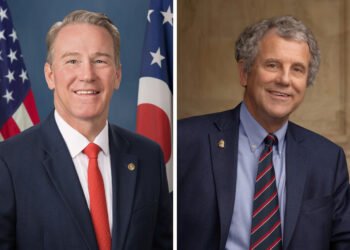 Ohio’s Battle for Trust: Democrats Vying to Flip the Buckeye State
 Tough Fiscal Realities Await Next Scottish Government
 US ‘Narco Boat’ Strikes Draw Global Outcry
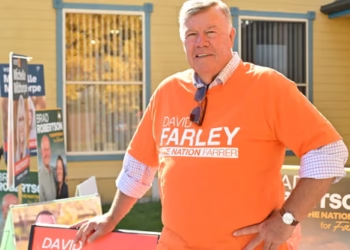 One Nation Candidate’s Surprising Ties to Independents
 Labour Members Doubt Starmer Future as Burnham Leads Poll
 US Awaits Iran Reply on New Ceasefire Proposal
 Reform UK Faces Crisis as Newly Elected Councillors Resign
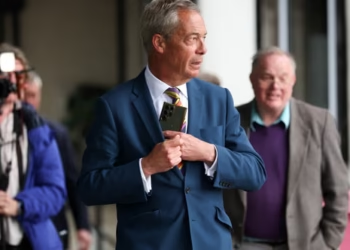 Farage Faces New Questions Over Private Helicopter Use
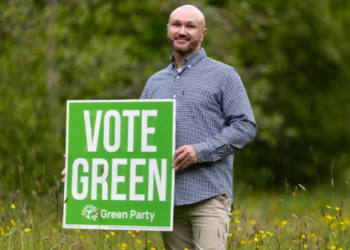 Green Party Makerfield Candidate Resigns Over Posts
 Tony Abbott Returns as New Liberal Party President
 US green card applicants must apply from abroad, DHS says
 Discontent grows around Putin amid war strain
 Secret Role of UK Security Services in Troubles Amnesty Law
 The Hidden Crisis Eroding Trust in British Communities
 Deepfake Abuse on X Sparks Safety Concerns for Dissidents
 US Courts Back Trump on Park Signage Removals
 Trump’s Mount Rushmore Speech: A Divisive Anniversary
 Trump’s Red-Card Intervention Hurts the US World Cup
 Farage Warns Sky News Following Financial Inquiry
 Trump Swaps Planes Amid Iran Tensions
 Ann Widdecombe, Formidable Political Figure, Dies at 78
 Houthis Strike Saudi Arabia as Middle East Tensions Rise