Published: 15 June 2026. The English Chronicle Desk. The English Chronicle Online.
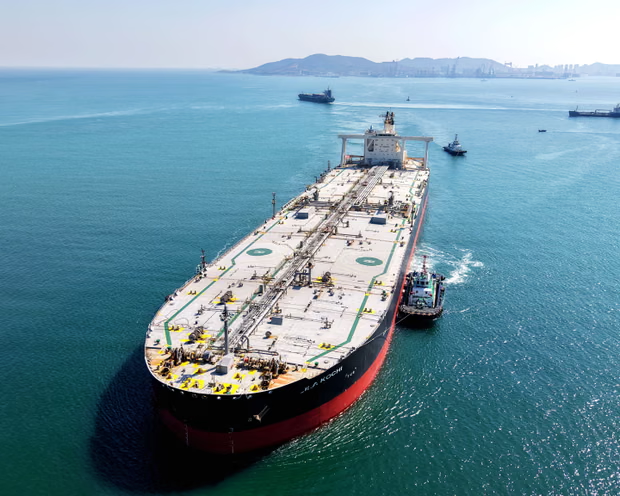
The international financial landscape experienced a dramatic shift as the new trading week commenced. Global oil prices tumbled sharply while equity markets staged a powerful and widespread relief rally. This major market movement followed fresh hopes of a comprehensive peace deal between nations. Investors reacted to prospects of an agreement between the United States and Iranian authorities. Such a diplomatic breakthrough could finally terminate the greatest energy supply crisis in modern history. The geopolitical tension had previously crippled the global energy sector and stoking severe inflation fears.
The benchmark price of Brent crude dropped four percent to below eighty-four dollars. This sharp decline materialized rapidly during early trading sessions across major Asia-Pacific financial hubs. Optimism spread that the vital Strait of Hormuz could reopen to international maritime commerce. A swift reopening would facilitate the immediate return of vital Gulf oil exports worldwide. The global market desperately requires these massive energy volumes to stabilize erratic pricing structures. Traders welcomed this development after months of severe anxiety regarding constrained crude oil supplies.
The diplomatic breakthrough gained significant momentum following recent statements made by the American president. Donald Trump announced on Sunday that a comprehensive peace agreement was now virtually complete. This optimistic declaration arrived despite recent Israeli airstrikes targeting specific locations within central Beirut. Those military actions had seriously threatened to undermine the highly sensitive and complex negotiations. However, diplomatic channels remained resilient enough to withstand the immediate impact of regional violence. The political willpower from all major parties appears sufficient to drive the process forward.
The American leader chose to share these critical geopolitical developments directly via social media. He stated his full authorization for the toll-free opening of the strategic channel. Furthermore, he authorized the immediate removal of the United States naval blockade there. He enthusiastically encouraged global shipping entities to resume their normal transport operations without delay. His public message clearly signaled a desire to let the oil flow freely again. This unconventional diplomatic announcement immediately reverberated through major financial boardrooms and trading floors globally.
Approximately one hour later the American president offered further necessary clarification regarding the timeline. He specified that the vital strait would officially reopen after the formal signing ceremony. This historic peace treaty is currently scheduled to be signed this coming Friday afternoon. He noted that specialized mine removal operations would commence immediately to ensure safe transit. These essential clearance operations will ensure that oil flows safely on both ends again. The entire global economy stands to benefit immensely from the restoration of safe shipping.
Despite this public optimism many critical details of the peace agreement remain highly ambiguous. Significant uncertainty persists regarding the exact timing of the maritime route reopening schedule. Questions also remain concerning which international entities will actively oversee the safe naval passage. Furthermore, market analysts question whether specific conditional frameworks will apply to the shipping companies. Iranian authorities have already indicated the necessity of a sixty-day formal negotiating period. This extended timeframe would allow parties to tackle wider and more complex bilateral issues. These broader discussions will focus heavily on Tehran’s controversial nuclear programme and sanctions.
The international benchmark oil price successfully extended the notable losses recorded late last week. Crude futures slipped further to just over eighty-three dollars per individual barrel today. This specific price point represents the lowest level recorded since early March this year. For context Brent crude traded just below seventy-three dollars before hostilities originally erupted. The recent downward trajectory reflects a significant easing of the geopolitical risk premium. Traders are clearly pricing in a substantial probability of a successful diplomatic outcome.
The dramatic downward trend for crude oil actually began late during the previous week. Prices initially hovered around ninety-three dollars a barrel during volatile trading on Thursday afternoon. However, crude subsequently tumbled to close at eighty-seven dollars and fifty cents on Friday. This initial drop occurred after Trump claimed proximity to reaching a definitive peace deal. Such an agreement would effectively end Iran’s tight stranglehold on the vital transport route. The mere anticipation of this resolution was enough to reverse months of upward pressure.
Global equity markets mirrored this optimism by launching a synchronized and robust relief rally. In European trading the United Kingdom’s FTSE 100 index advanced by nearly one percent. Concurrently the French Cac 40 and German Dax indices both surged by almost two percent. Conversely shares in major multinational oil corporations experienced notable declines during early morning trading. Giants like British Petroleum and Shell saw their valuations dip as crude prices slid. Investors quickly rotated capital away from energy producers and into broader economic sectors.
Market gains were even more pronounced across major financial centers within the Asian region. This geographical area remains exceptionally dependent on consistent and affordable foreign oil imports. Consequently Japan’s Nikkei index and South Korea’s Kospi both jumped an impressive five percent. Meanwhile China’s primary CSI300 index also recorded a solid gain of nearly two percent. Cheaper energy inputs provide an immediate and substantial boost to Asian industrial manufacturing sectors. The region stands to gain immensely from reduced overhead costs and normalized supply chains.
The American president also made a surprising revelation regarding ongoing covert military operations. He claimed the United States military had secretly assisted global shipping for several weeks. Naval assets reportedly helped move millions of barrels of oil daily through the strait. This covert assistance aimed to ease the intense structural pressure on global energy markets. These clandestine operations successfully prevented an even more catastrophic spike in international fuel prices. The disclosure highlights the extreme measures taken behind the scenes to maintain market stability.
Remarkably oil prices remained lower than initially projected throughout the entirety of the conflict. This occurred even though the war halted standard Gulf exports through the channel. The conflict effectively erased twenty million barrels of daily crude from the global market. This massive volume represents approximately one-fifth of the entire world’s daily oil supply. A disruption of this magnitude would normally trigger a far more devastating economic catastrophe. Alternative logistical strategies and emergency interventions helped mitigate the worst potential market outcomes.
Regional energy producers managed to successfully reroute a portion of their stranded crude supplies. Approximately five million barrels traveled daily via pipelines to alternative regional export terminals. Furthermore, an additional two million barrels daily found a way to international buyers. This volume moved with American military assistance utilizing specialized and discreet dark tanker fleets. These vessels shuttled cargoes completely undetected to larger ships waiting in open waters nearby. The sophisticated operation allowed essential crude to bypass the dangerous primary conflict zone entirely.
Nevertheless, a significant number of commercial vessels remain physically trapped within the strait. The Japanese Shipowners’ Association confirmed that thirty-eight linked vessels are currently stranded there. A spokesperson stated that the organization wishes to wait for more concrete operational details. They require absolute clarity before ordering their valuable fleets to resume normal navigation patterns. The expected signing ceremony in Switzerland on nineteen June should provide that necessary clarity. Until then maritime operators remain understandably cautious about risking their personnel and assets.
Elsewhere international organizations have worked diligently to stabilize the global energy supply framework. Members of the International Energy Agency released record levels of emergency crude reserves. These coordinated releases occurred at an unprecedented rate of two.five million barrels daily. This aggressive intervention provided a vital buffer against severe domestic fuel shortages worldwide. It also demonstrated the collective resolve of major consuming nations during an emergency. This massive liquidity injection successfully prevented extreme panic buying among major industrial consumers.
The worldwide oil supply deficit was also narrowed by significant reductions in demand. China reportedly reduced its total crude imports by approximately four million barrels each day. This reduction brought Chinese import levels to lows not witnessed in a decade. The nation achieved this by utilizing its massive domestic inventories to satisfy current demand. Consequently, Beijing completely halted the aggressive stockpiling strategy it pursued in previous years. This major shift in Chinese purchasing behavior profoundly impacted international market dynamics.
On a global scale total oil demand decreased by up to four million barrels. This contraction occurred as petrochemical refineries across Asia reduced their overall industrial processing activity. Refining companies chose to scale back production to weather the severe economic crisis safely. This demand destruction helped balance the market despite the massive loss of Gulf supplies. The reduction in refining output adjusted the global equation in favor of lower prices.
Prominent market analysts have offered cautious perspectives on the future trajectory of crude. Tony Sycamore suggested that nations would utilize the reopening to replenish depleted stockpiles. Governments will eagerly seek to refill their strategic petroleum reserves back to normal. However, he noted that the upcoming diplomatic negotiations remain exceptionally intricate and complex. The unresolved questions regarding Iran’s nuclear capabilities will require meticulous and prolonged discussion. Therefore, he believes it is difficult to imagine crude prices falling much further.
Related News:
 Scottish Government Mandates Single-Sex Toilets and Changing Facilities in Schools
 Reeves Faces Setback as Labour May Miss Homes Target
 Kate Winslet to Narrate Film Highlighting King’s Environmental Mission
 Trump’s UK Ambassador Urges North Sea Drilling to Strengthen US Ties
 UK Bans Fake Numbers: Scammers Lose Their Trick
 Vibe coding’ named Collins dictionary’s word of the year
BBC to Apologise Over Edited Trump Speech Amid Backlash
Vibe coding’ named Collins dictionary’s word of the year
BBC to Apologise Over Edited Trump Speech Amid Backlash
 Millionaires group urge Reeves to introduce wealth tax to ‘lift kids out of poverty’
 Reeves rejects £1bn plea for NHS redundancy payouts
 PM Condemns Leaks, Vows Loyalty to Ministers and Stability
 Phillipson Accused of Appeasing Unions by Diluting EBacc
 Saka Solidifies Role as Tuchel’s Key England Lieutenant
 Greene Pushes Epstein Files Amid Trump Fallout
 Zelenskyy Signs Fighter Jet Deal Amid Russian Drone Attacks
 Sundar Pichai Cautions on AI Hype and Market Risks
 Shadow Fleet at Sea: Europe’s Battle Against Illicit Oil Shipping
 Snow and Ice Cause Travel Chaos in North Yorkshire
 Director Michael Caton-Jones Reflects on Career and Beginnings
 Inside the Helpline Protecting Missing Children in the UK
 PlayStation PS5 Deals Hit Lowest Prices Ahead of Black Friday
 US Suspends Afghan Immigration After White House Shooting
 Five-Year-Old Dies After Rare Tonsil Surgery Complication
 Starmer Says Labour’s Economic Plan Needs Years to Deliver
 ‘Extinct’ Antelope Returns to Sahara, Bringing Hope
 IndiGo Cancels Hundreds of Flights Amid Pilot Shortages
 Young Britons Face Heaviest Burden from Ageing Population, Lords Warn
 U‑Turn on Farmers’ Inheritance Tax Sparks Political Firestorm
 Aston Villa Remain Arsenal’s Key Obstacle in Title Pursuit
 Irish Beach Tragedy: Irish Drown at Whitehaven Beach in Australia
 The Kill Line: A Shifting Vision of the American Dream
 Inquiry into HMRC child benefit errors launched by NAO
 Family of Alleged Bondi Gunman Seeks Name Suppression
 Rising Costs Force Families to Rethink Days Out
 Air Canada CEO Faces Outcry Over Recent Language Misstep
 Extreme Weather: Europe Shivers as Cyclone Narelle Hits
 Scott Mills Sacked by BBC Over Personal Conduct Claims
 Palantir Boss Defends NHS Deal Amid Government Break Clause
 Asia Turns Back to Coal Amid Middle East Energy Crisis
 Relationship with Trump may be beyond repair, Starmer warned
 Trump’s Six-Week Iranian War: The High Cost of Ignorance
 US and Iran Agree to Two-Week Provisional Ceasefire
 Battle of Britain Tower to House Tourists and Bats
 The Challenger: Will Péter Magyar End the Orbán Era?
 UK Government Poised to Revive Stalled Hillsborough Law
 Democrats Move to Impeach Defense Secretary Pete Hegseth
 Security Alert Near Israeli Embassy as Police Investigate
 Ben Roberts-Smith Denies War Crime Allegations in First Statement
 Home Office Faces Legal Risks Over Asylum Hotel Living
 US-Iran Standoff: Will Trump Deploy Ground Troops?
 Crisis in NHS Surgery Scheduling Hits Patients Hard
 Investigation Into Anti-Trump Motives After Gala Shooting
 Dubai Assets Linked to Sudan’s RSF Militia Exposed
 Blue Badge Abuse: The Rising Tide of Public Hostility
 Tragedy Strikes at Parafield Airport
 Scott Parker Leaves Burnley After Premier League Drop
 Silent Tracks: Rail Line Without Passengers
 Arteta urges Arsenal to step up in Atlético semi-final
 RFU Backs Borthwick Despite England’s Poor Six Nations
 Major test for Labour as polls open in Great Britain
 High-Profile Murder Trial Begins for Ian Watkins Death
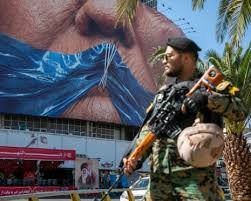 Trump Rejects Tehran Peace Plan as Regional Truce Crumbles
 Wes Streeting faces narrow road to Labour members’ favour
 Keir Starmer Struggles to Secure His Grip on Downing Street
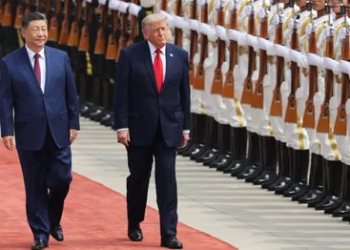 Trump and Xi Convene in Beijing for Historic High-Stakes Summit
 Farage Faces Standards Probe Over Cash Property Purchase
 Closing the Gap: UK Pensions Commission Demands Action
 Reality TV Under Scrutiny Following Serious Allegations
 UK Eases Russian Oil Sanctions as Fuel Costs Soar
 Alice Capsey Sparks England Win With Brilliant Fifty
 Maldives Cave Diving Tragedy Raises Safety Alarm
 Russian Electronic Attack Targets UK Defence Chief Jet
 UK Shoppers Face Prolonged Price Rises At Tills
 Tube Strike Brings Capital to a Standstill Over Shift Disputes
 Makerfield Voters Demand Real Change as Election Looms
 Man City Threaten Legal Action Over Haaland Real Madrid Shirt
 Celestial Waltz: Venus and Jupiter Meet at Twilight
 Abbott Signals Bold Strategy Change For Australian Right
 Ryanair Faces Probe Over Mandatory Family Seating Fees
 Britain’s Crowning Butterfly Takes the Nation by Storm
 Fearless Pioneer of Investigative Journalism Dies Aged 83