Published: 20 April 2026. The English Chronicle Desk. The English Chronicle Online.
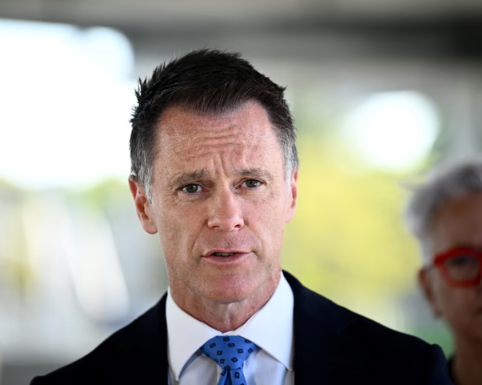
The New South Wales premier has remained firm regarding his controversial anti-protest legislation. Chris Minns defended the measures as rational despite the state’s highest court ruling them unconstitutional. Last week, the New South Wales Court of Appeal delivered a significant blow to the government. The judges found the law granting police broad powers to restrict marches was fundamentally unconstitutional. This landmark ruling emerged from a legal challenge brought forward by the Palestine Action Group. The court determined that limiting peaceful protest to maintain social cohesion lacks a legitimate constitutional purpose. Legal experts argue that this decision will have far-reaching implications for future legislative efforts. The government had introduced these restrictive measures following the tragic Bondi beach terror attack incident.
Public discourse surrounding the ruling intensified when the premier addressed the matter on Monday morning. Minns indicated his administration is currently reviewing the implications of the court’s detailed written judgment. He vehemently denied that the law served to provoke violent confrontations during recent public demonstrations. Instead, the premier directed sharp criticism toward the Greens for their support of local protesters. These protesters face various charges following a rally held at Sydney town hall in February. The premier claimed that hateful rhetoric had become common on city streets over recent years. He insisted that the government remains committed to ensuring public safety through these specific legislative changes. Minns maintained that his approach to managing public order has been both rational and proportionate.

The premier did not explicitly respond to questions regarding his rejection of the court’s findings. His office directed inquiries back to earlier statements made during previous public press conference sessions. Minns has long expressed concerns about specific imagery and slogans displayed at various recent demonstrations. He pointed toward controversial signs and symbols that appeared at rallies following the Bondi attack. However, advocates for civil liberties immediately challenged the premier’s stance on the court’s recent ruling. Sue Higginson from the Greens described the premier’s latest comments as an attack on judicial independence. She argued that the government should accept the court’s decision and drop existing legal proceedings. According to Higginson, the reliance on these now unlawful powers has caused significant social harm.
Legal representatives for the charged protesters have also weighed in on the premier’s recent remarks. Majed Kheir represents several individuals currently facing charges related to the February town hall rally. He emphasized that the judiciary possesses the ultimate authority to determine if laws are proportionate. Kheir noted that the court strongly disagreed with the government’s characterization of the restrictive legislation. He argued that personal political views cannot override the clear interpretation of senior state judges. According to the defense, the laws were unconstitutional from their inception by the current administration. The legal team expects these findings to influence the ongoing cases against their many clients. They remain hopeful that the state will now act to discontinue these specific prosecutions.
The issue of pending charges remains a central focus for both police and legal advocates. During the same press conference, Commissioner Mal Lanyon acknowledged that police are reviewing active cases. There have been growing calls for the authorities to drop all charges related to the ruling. Prior to the court decision, police indicated intentions to charge thirty additional individuals for protest involvement. The legislation known as the public assembly restriction declaration prevented traditional march protest activities completely. This declaration functioned specifically within areas designated by police following declared terrorist event threat levels. Effectively, the law meant that citizens could not assemble without risking immediate arrest by police.

The premier suggests that these specific charges might still hold weight due to other declarations. He argues that a major events declaration was also in effect during the recent rally. This secondary declaration provided police with similar move-on powers to those within the struck-down law. However, lawyers representing protesters dispute the relevance of these alternative legal frameworks for current cases. Majed Kheir pointed out that police charge sheets specifically reference the now defunct protest laws. He noted that these documents seem to rely heavily on the unconstitutional declaration for justification. In one specific instance reviewed by legal experts, there is no mention of other declarations. This facts sheet relies entirely on the contravention of the now invalid public assembly restriction law.
The conflict highlights the tension between maintaining order and protecting the right to public protest. Civil rights groups have praised the court’s decision as a victory for fundamental democratic freedoms. They argue that protecting speech is essential even when that speech is considered offensive to some. The government remains focused on its duty to ensure that public spaces remain safe places. Meanwhile, the legal battle over these charges continues to unfold within the New South Wales system. The coming weeks will likely see further challenges regarding the validity of these ongoing prosecutions. All parties are now awaiting the next steps from both the government and police leadership. The outcome of these cases will likely set important precedents for future protest management policies. Citizens and advocacy groups will continue to monitor the state’s response to this significant ruling. The balance between security and liberty remains a central challenge for modern government in Australia. As the legal processes continue, the public will watch for signs of changing legislative tactics. The judiciary has made its position clear, and now the executive must decide how to proceed. This situation remains a vital test for the separation of powers within the state system. For now, the legal status of the protesters remains the primary concern for many observers. The English Chronicle will continue to follow these developments closely as more information becomes available.
Related News:
 Army Officers Orders to Cut Ties with Men-Only Clubs
 Trump’s UK Ambassador Urges North Sea Drilling to Strengthen US Ties
 French Taxi Driver Cleared in David Lammy Theft Case After Fare Dispute
BBC to Apologise Over Edited Trump Speech Amid Backlash
French Taxi Driver Cleared in David Lammy Theft Case After Fare Dispute
BBC to Apologise Over Edited Trump Speech Amid Backlash
 Britain deploys RAF specialists to assist Belgium with drone threats
 Millionaires group urge Reeves to introduce wealth tax to ‘lift kids out of poverty’
 Reeves rejects £1bn plea for NHS redundancy payouts
 PM Condemns Leaks, Vows Loyalty to Ministers and Stability
 Major Rent Reform Ends No-Fault Evictions in England
 Senator John Fetterman Hospitalized After Fall from Heart Flare-Up, Keeps Sense of Humor
 Greene Pushes Epstein Files Amid Trump Fallout
 December Run-Off in Chile as Election Produces No Winner
 Canada Passes Carney’s First Budget in Tight Parliamentary Vote
 Shadow Fleet at Sea: Europe’s Battle Against Illicit Oil Shipping
 Georgians Defy Government Crackdown After Year of Protests
 US National Guard Member Killed in DC Shooting
 ICC to Rule on Duterte’s Provisional Release
 Starmer Says Labour’s Economic Plan Needs Years to Deliver
 Australia grants Asio powers to designate hate groups under new laws
 Trump press secretary attacks reporter over ICE question
 Spoof “Make America Go Away” Caps Rally Denmark Over Greenland
 Trump Fed bid heads to Supreme Court
 Pentagon Signals Reduced Role in Deterring North Korea
 Artificial intelligence will cost jobs, admits Liz Kendall
 Partial US Government Shutdown Hits Homeland Security Funding
 Mandelson Faces Police Inquiry Over Epstein Leak
 Morgan McSweeney downfall shocks Labour leadership
 UK and US Drop in Global Corruption Index Rankings
 Farage Unveils Reform UK Frontbench Team
 Canberra Poster Seizure Sparks Free Speech Row
 Evo Morales Returns After Mysterious Absence
 Wales Approves Assisted Dying Bill Consent
 Jacinda Ardern Moves To Australia Following Her US Fellowships
 Jacinda Ardern Move Sparks Kiwi Reflection
 Corbyn Leads Your Party in Coordinated Left-Flank Strategy
 Nick Greiner Warns Over Election Review Fallout
 Asylum Seekers to Work After Year-Long Wait
 Starmer Row as Greens Demand Apology
 New Zealand Covid Response Praised Despite Lingering Scars
 Injured Mojtaba Khamenei Elevated as Iran Leader
 Gordon Brown urges court for crimes against children
 Inquiry into HMRC child benefit errors launched by NAO
 Pakistan Targets Militant Hideouts in Afghanistan
 Farage Faces Backlash Over Crypto Cameo Endorsements
 Air Canada CEO Faces Outcry Over Recent Language Misstep
 Relationship with Trump may be beyond repair, Starmer warned
 Unions Raise Concerns Over Doctors’ Pay Dispute
 Reform UK Pledges To Halt Visas Over Reparations Demands
 UK Government Poised to Revive Stalled Hillsborough Law
 Trump Signals Hope for New Iran Talks as Ceasefire Fades
 Democrats Move to Impeach Defense Secretary Pete Hegseth
 Trump Brokers Landmark Lebanon Ceasefire Amid Regional Hopes
 Trump Defiant After Washington Hotel Shooting
 Royal Diplomacy: King Charles Wins Over US Congress
 Starmer Survives Mandelson Rebellion
 Trump approval plunges amid Iran war fears
 Ohio’s Battle for Trust: Democrats Vying to Flip the Buckeye State
 Tough Fiscal Realities Await Next Scottish Government
 US ‘Narco Boat’ Strikes Draw Global Outcry
 One Nation Candidate’s Surprising Ties to Independents
 Labour Members Doubt Starmer Future as Burnham Leads Poll
 US Awaits Iran Reply on New Ceasefire Proposal
 Reform UK Faces Crisis as Newly Elected Councillors Resign
 Farage Faces New Questions Over Private Helicopter Use
 Green Party Makerfield Candidate Resigns Over Posts
 Tony Abbott Returns as New Liberal Party President
 US green card applicants must apply from abroad, DHS says
 Discontent grows around Putin amid war strain
 DeSantis’s ‘Alligator Alcatraz’ Faces Final Shutdown
 Secret Role of UK Security Services in Troubles Amnesty Law
 Starmer Leadership Under Pressure After Setbacks
 The Hidden Crisis Eroding Trust in British Communities
 Deepfake Abuse on X Sparks Safety Concerns for Dissidents
 US Courts Back Trump on Park Signage Removals
 Trump’s Mount Rushmore Speech: A Divisive Anniversary
 Trump’s Red-Card Intervention Hurts the US World Cup
 Farage Warns Sky News Following Financial Inquiry
 Trump Swaps Planes Amid Iran Tensions
 Ann Widdecombe, Formidable Political Figure, Dies at 78
 Houthis Strike Saudi Arabia as Middle East Tensions Rise