Published: 22 April 2026. The English Chronicle Desk. The English Chronicle Online.
The United Kingdom finds itself grappling with a significant economic challenge today. Recent data confirms that national inflation accelerated to three point three percent last month. This unwelcome development marks a notable increase from the previous month of February. The Office for National Statistics provided this somber snapshot of our current standing. This surge directly correlates with the ongoing conflict unfolding in the Middle East. Market analysts and government officials are closely monitoring these rapidly shifting economic conditions. The upward movement in prices matches the earlier forecasts provided by city economists. Families across the nation are already beginning to feel the heavy financial pressure.
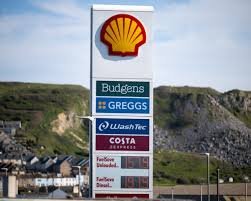
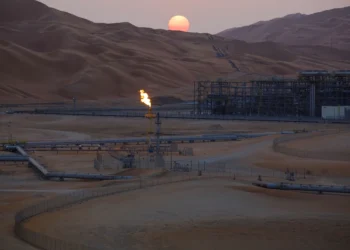
The primary driver behind this inflationary spike is the rising cost of fuel. Global oil prices have climbed steadily toward one hundred dollars per barrel recently. This dramatic jump follows the ongoing military conflict involving Iran and its neighbors. Specifically, the closure of the critical strait of Hormuz has throttled energy supplies. This geopolitical bottleneck restricts the flow of essential oil to international global markets. Consequently, the cost of refined products like petrol and diesel has risen sharply. British motorists are now encountering the most significant fuel price increases seen recently. The logistical impact of this conflict reaches far beyond the immediate region involved.

The Office for National Statistics highlighted several other contributing factors to this trend. Air travel costs have also acted as an upward driver for general prices. Additionally, food costs have continued to climb higher throughout the month of March. Chocolate and confectionery items became more expensive just ahead of the Easter holiday. Meat, fish, and various soft drinks also saw notable price hikes for consumers. Experts suggest that broader supply chain disruptions are beginning to affect supermarket aisles. The Food and Drink Federation now warns of even higher future food inflation. Their projections indicate that rates could hit nine percent by the end year.
This unfortunate situation stems largely from the disruption of global fertiliser supply chains. Because the strait of Hormuz remains restricted, farmers are facing higher operational costs. These increased costs are inevitably passed down to the average shopper at checkout. Before this international conflict erupted, the British economic outlook appeared considerably more stable. Many analysts had previously predicted a sharp decline in inflation for this spring. Government budget measures, including energy bill cuts, were intended to provide significant relief. While those specific policies are still taking effect, the conflict creates new headwinds.
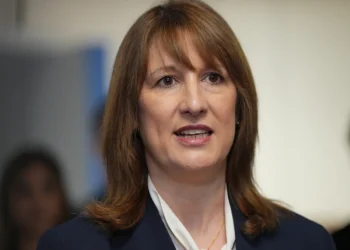
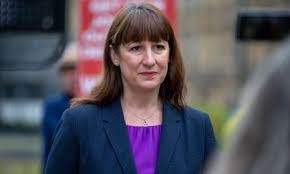
Economic forecasters now suggest that inflation will remain stubbornly high throughout this year. The mounting economic damage from the war complicates existing plans for national recovery. Chancellor Rachel Reeves addressed these pressing concerns in a recent public statement today. She emphasized that the government is taking decisive action to protect vulnerable families. The Chancellor acknowledged that this is not a war of our own making. However, she remains clear that the conflict is directly pushing up household bills. She identified keeping these essential costs down as her absolute number one priority.
The current economic plan aims to support families facing this new, intense crisis. Despite these assurances, the broader financial outlook remains quite volatile for many households. The International Monetary Fund has issued a stern warning regarding the British economy. They caution that the United Kingdom faces a sharp growth slowdown this year. Furthermore, the nation currently holds one of the highest inflation rates in the G7. Experts are clearly worried about the genuine threat of a wider global recession. The Bank of England must now navigate an incredibly difficult path forward indeed.
Last month, the central bank chose to leave interest rates entirely unchanged throughout. They cautioned that a prolonged conflict could force them to raise borrowing costs. Such action would be necessary to stop high inflation from becoming deeply entrenched. However, the bank must also balance this against a very weak growth outlook. Elevated unemployment levels also limit the potential for workers to demand higher pay. Businesses are currently struggling to determine how much cost they can pass on. This complex environment makes future policy decisions extremely difficult for the central bank leaders.
Financial markets are currently predicting at least one interest rate rise this year. However, most analysts believe borrowing costs will remain on hold until next month. The next policy meeting scheduled for late April will be watched very closely. Meanwhile, households are bracing for a potential rise in energy bills this July. That is when the Ofgem price cap will next be officially updated. The future trajectory of inflation will depend heavily on the Middle East situation. Diplomatic progress could lead to a sustained easing in these geopolitical tensions.

If energy supplies normalise, inflation could peak at about four percent this summer. Conversely, any renewed escalation could easily push prices toward five percent quite quickly. Amidst this uncertainty, the only positive note comes from certain clothing costs. The Office for National Statistics observed that clothing prices rose quite modestly recently. This slight offset is welcomed but does not mask the larger inflationary pressures. The retail sector remains cautious as consumer spending power faces these severe constraints. Every sector of the British economy is now assessing the long-term impact.
Businesses are working hard to adjust their operations in this turbulent climate. Small enterprises are finding it particularly difficult to manage these rising overhead costs. The government continues to monitor whether additional support measures will be required soon. Transparency remains vital as the public seeks clarity on their financial future outlook. Clear communication from leadership will be essential during these coming difficult months. Citizens will be looking for signs of stability in a world of uncertainty. The road ahead requires careful planning and a coordinated international diplomatic effort.
As the situation develops, the British public remains resilient despite these pressures. Industry leaders are calling for calm while managing their complex supply chain demands. Policymakers are working to ensure that energy markets remain as stable as possible. Economic experts will continue to analyze the incoming data with great scrutiny daily. All eyes are now turned toward the ongoing developments in the Middle East. The link between international security and domestic economic stability has never been clearer. We will continue to follow these important developments very closely for our readers.
Related News:
 Reeves Faces Setback as Labour May Miss Homes Target
 Virgin Trains Moves Closer to Challenging Eurostar Monopoly
 Trump’s UK Ambassador Urges North Sea Drilling to Strengthen US Ties
 Ryanair Chief UK Economy ‘Doomed’ Under Labour
 M&S Profits More Than Halve After Cyber-Attack
 Earl of Yarmouth Faces £1.3m Legal Bill Over Family Estate
 Millionaires group urge Reeves to introduce wealth tax to ‘lift kids out of poverty’
 From Lego to Pokémon: How Adults Are Driving UK Toy Market Growth
 New laws to bolster UK’s defences against cyber attacks on NHS, transport and energy
 Canada Passes Carney’s First Budget in Tight Parliamentary Vote
 Starmer Says Labour’s Economic Plan Needs Years to Deliver
 Virgin Media Fined £23.8m Over Telecare Safety Failures
 Starmer Faces Parliamentary Battles Over UK-EU ‘Reset’ Plan
 Reeves Pub Business Rates U-Turn Calms Labour Revolt
 ScottishPower Tops List of Worst UK Energy Suppliers
 Markets Slide As Gold Rally Signals Risk From Trump Greenland Tariff Plan
 UK Eyes Global Investment with Visa Fee Refunds
 City & Guilds pay surge sparks backlash amid £22m cuts
 UK Inflation Hits 3.4% in December, Ending Five-Month Decline
 Trump Fed bid heads to Supreme Court
 ‘Black Tax’: Burden, Pride and Survival for African Workers
 AI job losses UK: Britain faces sharper employment shock
 India-EU Free Trade Deal Marks Historic Economic Shift
 EU Signals Open Mind on UK Customs Union Talks
 Telstra AI jobs cuts as automation drive expands
 BT Names New Openreach Chief Amid Major Fibre Expansion
 UK Banks Plot Payment Backup Amid Trump Fears
 UK Unemployment Rate Climbs to 5.2% Peak
 UK shelves £110m border project amid trade strain
 Aston Martin Cuts 20% Jobs Amid £363m Loss
 Switching Energy Deal Can Save £200 as Price Cap Falls
 Rachel Reeves Faces Middle East Conflict Test
 Grocery Inflation Rises Amid War Fears
 BrewDog sold Highland estate for knockdown price after abandoning reforestation plans
 UK Energy Reform Could Cut Bills by £200
 Rising Costs Force Families to Rethink Days Out
 Oil Slides, Stocks Jump on Trump Peace Signals
 UK inflation held at 3% before global energy price hit
 Ticketmaster Fees Rise Despite Recent US Junk Fee Crackdown
 M&S Demands Urgent Action on Rising Violent Retail Crime
 New Era for Sick Pay as Millions Gain Critical Rights
 Oil Prices Surge as Trump Issues New Deadline to Iran
 US and Iran Agree to Two-Week Provisional Ceasefire
 Stefano Gabbana Resigns as Chair of Italian Luxury Giant
 Rolls-Royce SMR Secures £600m Boost for Nuclear Future
 Aegon Sells Historic UK Arm to Standard Life for £2bn
 Central Bank Chiefs Hold Crisis Simulation in Washington
 UK Staycations Rise as Travel Fears Grow
 Australia’s Economic Anxiety: Is a Recession Looming?
 Lords Demand Larger Fiscal Buffers for UK
 $13bn World Cup Set to Break All Revenue Records
 Trump approval plunges amid Iran war fears
 Heathrow Chair Seeks Peace to Save Third Runway
 Tough Fiscal Realities Await Next Scottish Government
 US Awaits Iran Reply on New Ceasefire Proposal
 Aramco Surges as East-West Pipeline Counters Gulf Tensions
 Big Tobacco Under Fire Over Controversial New Ad Campaign
 High Street Crisis: Fears Grow Over Post Office Closures
 UK Firms Freeze Spending as Iran Conflict Bites
 Summer Shock: British Energy Bills Set for Grim July Hike
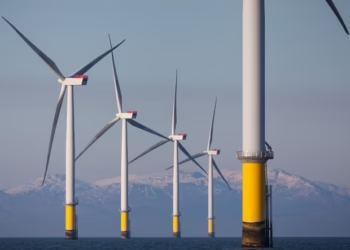 Reeves to Fast-Track Clean Energy Amid Iran Crisis
 Oil Markets Face ‘Red Zone’ Threat Amid Iran Crisis
 Belfast Approves Pilot Extension of Sunday Trading Hours
 Albanese Defends Tax Reforms Amid Emotional Speech
 Tube Strike Brings Capital to a Standstill Over Shift Disputes
 BP Stands Firm on Amanda Blanc Amid Boardroom Storm
 UK House Prices Drop For Third Month Due To War Fears
 Top Chefs Back Andy Burnham to Save UK Hospitality Sector
 GSK Secures Landmark $10.6bn Deal for Nuvalent
 UK Economy Suffers a Sharp Downturn as Iran Conflict Bites
 AI Scams Push UK Investment Fraud Past £220m
 Rethinking the Blueprint for Youth Employment in Britain
 Sainsbury’s Boss Optimistic As Grocery Inflation Eases
 UK Households Suffer Squeeze As Disposable Incomes Drop
 Creditors Eye Thames Water Even Under Nationalisation
 Record £28m Fine for Virgin Media Over Cancellation Woes
 Jet2 Sees Summer Surge Despite Global Tensions
 Ukraine Creates Long-Range Strike Command
 BBC Faces Real Jeopardy as Licence Fee Income Declines
 Thames Water Future Remains Uncertain Amid Funding Crunch