Published: 08 May 2026. The English Chronicle Desk. The English Chronicle Online.
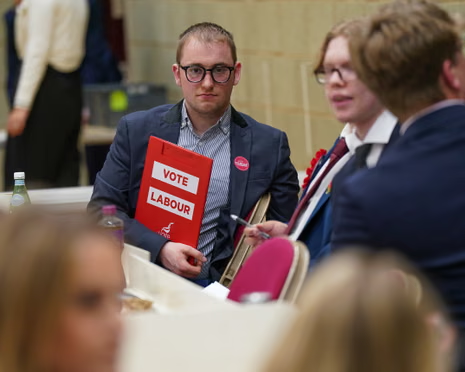
The British political landscape underwent a seismic shift overnight as local election results began to filter through the nation. Sir Keir Starmer faces a defining moment of his premiership as the Labour Party suffers significant losses across England. Traditional heartlands that once provided the bedrock of party support are now seeing a dramatic migration toward Reform UK. This shift suggests a growing disconnect between the central government and the voters in northern industrial towns. Conservative losses were expected but the scale of the Labour retreat has caught many analysts by surprise. The party entered these elections prepared for a difficult night but the reality has proven far bleaker. Senior figures within the party are already beginning to question the current strategic direction of leadership.
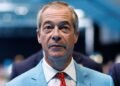
The most striking results emerged from the North East where Reform UK achieved an unprecedented clean sweep. In Hartlepool all twelve seats contested were won by candidates representing Nigel Farage’s insurgent political movement. This result marks a historic low for Labour in a town it once dominated with ease. The party previously held a slim majority but is now relegated to the role of opposition. Because only one third of the council was up for election Reform lacks an outright majority. They must now seek alliances with local independent councillors to form a working administrative body there. This outcome has sent shockwaves through the regional political establishment and signals a new era of competition.

The atmosphere at the Brierton Sports Centre was somber as the final tallies were officially read out. Jonathan Brash the local Labour Member of Parliament watched as his wife lost her council seat. Pamela Hargreaves had led the council but was unable to withstand the surging tide of Reform support. Mr. Brash expressed deep anger regarding the national party leadership and the impact on local representatives. He noted that hardworking councillors lost their positions through no fault of their own personal records. The MP argued that his colleagues had delivered for the town despite the national polling trends. His public comments reflect a growing internal rebellion that could threaten the stability of the government.
In a direct challenge to the Prime Minister Mr. Brash called for an immediate leadership transition. He suggested that Sir Keir Starmer should address the nation and set a clear departure date. This would allow for an orderly contest to find a successor who can unite the party. Such a move would ensure the full breadth of Labour talent is considered for the role. The MP believes a fresh start is necessary to win back the trust of northern voters. These remarks highlight the intense pressure mounting on the leadership as the election results are digested. The call for a timetable for departure suggests that patience within the parliamentary party is thin.
Turnout for these elections reached thirty-one percent which is a slight increase from the previous local polls. This suggests that voters were motivated by a desire to register their dissatisfaction with the status quo. In Halton the results were equally devastating for the Labour Party and its local campaign teams. Labour managed to hold only two of the seventeen seats it was defending in that area. Reform UK gained fifteen councillors marking a massive shift in the local political makeup of Cheshire. In several wards the Reform candidates secured over fifty percent of the total votes cast Friday. This follows a previous by-election victory for Reform in the same region just one year ago.
While Labour retains control of Halton Council its mandate has been severely weakened by these latest results. The shift in vote share indicates a broader trend of dissatisfaction across the North West of England. Similar stories of loss were recorded in Chorley and Wigan as the night progressed into morning. Reform UK gained twenty-three seats in Wigan which is currently represented by Cabinet minister Lisa Nandy. Despite these losses the authority remains under Labour control for the time being at least. However the erosion of the party majority in such a symbolic area is deeply worrying. It suggests that even senior government figures are not immune to the current wave of discontent.
The political map of England is being redrawn as other parties also make significant territorial gains. In the Midlands both Redditch and Tamworth moved from Labour control to having no overall control. This indicates a fragmentation of the vote that makes local governance more complex and highly uncertain. Meanwhile the Liberal Democrats achieved a notable victory by taking full control of Stockport from Labour. This demonstrates that the challenge to the government is coming from multiple sides of the spectrum. The Greens also found success in Oxford where they gained three seats at Labour’s direct expense. Labour remains the largest party in Oxford but must now operate as a minority administration.
The rise of Reform UK appears to be driven by a platform of populist economic policies. Many voters in former industrial areas feel abandoned by the mainstream parties and their central platforms. They perceive a gap between the rhetoric of Westminster and the reality of their daily lives. High energy costs and stagnant wages have contributed to a sense of national decline and frustration. Reform UK has successfully positioned itself as the voice of the forgotten and the disenfranchised voter. Their success in Hartlepool and Halton proves that they are now a major force in politics. This creates a difficult three-way battle for votes in the next general election cycle ahead.
Internal critics of Sir Keir Starmer argue that the party has moved too far toward center. They believe that a more radical approach to social and economic issues is required to win. However the leadership maintains that stability and fiscal responsibility are the only paths to sustainable growth. This ideological divide is likely to widen as the party reflects on these latest electoral setbacks. There are concerns that the party is losing its identity and its connection to workers. The results from the North East provide a stark warning that traditional loyalties are fading fast. Labour must find a way to bridge the gap between urban centers and towns.

The Prime Minister is expected to defend his record in a series of media appearances today. He will likely emphasize the long-term nature of his plan for national renewal and economic growth. Supporters of the leadership point to the difficult global context and the legacy of previous governments. They argue that one set of local results should not dictate a change in strategy. However the voices of dissent within the party are becoming louder and more difficult to ignore. The loss of experienced councillors across the country will also weaken the party’s grassroots organizational strength. This could have long-term consequences for future national campaigns and local community engagement efforts.
As the final counts are completed the scale of the challenge for Labour becomes even clearer. The party must now decide whether to stay the course or make significant policy adjustments soon. The emergence of a strong third party in the form of Reform UK complicates matters. It forces Labour to fight on multiple fronts against very different sets of political ideologies. The English Chronicle will continue to provide updates as more results are confirmed throughout the day. For now the focus remains on the future of the leadership and the party direction. The next few weeks will be critical for the survival of the current political order. Voters have sent a powerful message that they are ready for a different kind of politics.
Related News:
 Green Party Surges Past Labour in Latest UK Poll
 Trump’s UK Ambassador Urges North Sea Drilling to Strengthen US Ties
 French Taxi Driver Cleared in David Lammy Theft Case After Fare Dispute
 Millionaires group urge Reeves to introduce wealth tax to ‘lift kids out of poverty’
 Starmer Faces Growing Dissent as Labour MPs Weigh Leadership Challenge
 Reeves rejects £1bn plea for NHS redundancy payouts
 PM Condemns Leaks, Vows Loyalty to Ministers and Stability
 Major Rent Reform Ends No-Fault Evictions in England
 Peers Flood Assisted Dying Bill with 942 Amendments
 Most Tories Expect to Support a Farage-Led Government
 Labour MP claims devolution bill is ‘blatant discrimination’ against Cornwall
 Millions Face Higher Taxes Under Reeves New Budget
 Starmer Says Labour’s Economic Plan Needs Years to Deliver
 Culture secretary to review Telegraph takeover by Daily Mail owner
 UK Government Borrowing Drops to £11.6bn in December
 Labour Blocks Burnham as Party Rift Deepens Ahead of Polls
 Andy Burnham and the Labour Rift Over Power and Leadership
 Huge mistake: Labour blocks Burnham from byelection bid
 Artificial intelligence will cost jobs, admits Liz Kendall
 Labour targets Greens on drugs in Gorton Denton byelection
 Greens nominate Hannah Spencer for Gorton and Denton byelection
 Mandelson Faces Police Inquiry Over Epstein Leak
 Starmer Condemns ‘Depraved’ Russian Strikes on Ukraine
 Labour Thinktank Row Deepens Over Journalist Probe Claims
 Morgan McSweeney downfall shocks Labour leadership
 Cabinet Secretary Shake-Up Triggers Due Diligence Warning
 Starmer Faces Inquiry Calls Over Thinktank Probe
 Royal Mail Delivery Crisis Deepens Amid Weather Chaos
 UK shelves £110m border project amid trade strain
 Farage Unveils Reform UK Frontbench Team
 California Democrats Vow Trump Reckoning
 Trump Tariffs Threat Spark UK and EU Alarm
 Wales Approves Assisted Dying Bill Consent
 UK EU Trade Reset Gains Public Backing
 Green Party Stuns Labour in Gorton and Denton Byelection
 Corbyn Leads Your Party in Coordinated Left-Flank Strategy
 Labour Together scandal sparks clean break vow
 Asylum Seekers to Work After Year-Long Wait
 Starmer Row as Greens Demand Apology
 Proposed Law Leaves Gap for Children of Convicted Paedophiles
 Gordon Brown urges court for crimes against children
 Starmer Praised for Stance on Trump and Iran Conflict
 Inquiry into HMRC child benefit errors launched by NAO
 NHS Plans to Cut Overseas Workers Labeled Overambitious
 Farage Faces Backlash Over Crypto Cameo Endorsements
 Family Court Reform Promises New Era for UK Families
 Army Probes Apache Flyover at Kid Rock’s Nashville Estate
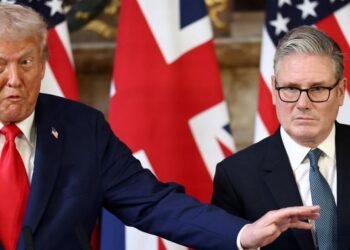 Relationship with Trump may be beyond repair, Starmer warned
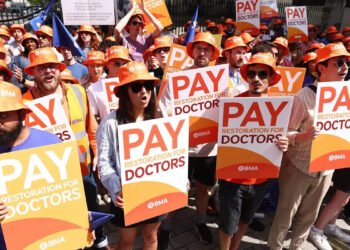 Unions Raise Concerns Over Doctors’ Pay Dispute
 UK Government Poised to Revive Stalled Hillsborough Law
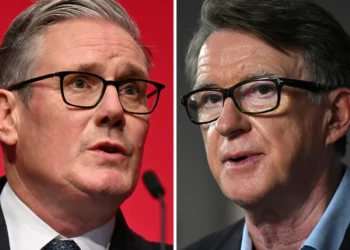 Starmer Faces Commons Test Over Mandelson Scandal
 UK Stands Firm on Falklands Amid US Rift
 Crackdown Backfires on UK Climate Protesters
 Welsh Labour Faces Potential Historic Election Defeat
 Starmer Survives Mandelson Rebellion
 Silent Tracks: Rail Line Without Passengers
 Major test for Labour as polls open in Great Britain
 Labour Members Doubt Starmer Future as Burnham Leads Poll
 Reform UK Faces Crisis as Newly Elected Councillors Resign
 Farage Faces New Questions Over Private Helicopter Use
 NHS Drug Deal Faces Legal Threat Over US Trade Agreement
 Green Party Makerfield Candidate Resigns Over Posts
 UK Welfare: Focus on Jobs Over Benefit Cuts, Says JRF
 Secret Role of UK Security Services in Troubles Amnesty Law
 Starmer Leadership Under Pressure After Setbacks
 The Hidden Crisis Eroding Trust in British Communities
 Deepfake Abuse on X Sparks Safety Concerns for Dissidents
 Modernising the Military: Carns Demands Urgent Procurement Reform
 UK Ministers Lobby Trump Over Under-16s Social Media Ban
 Starmer Resolves to Fight Burnham in Leadership Battle
 Starmer Resigns as Prime Minister Amid Internal Pressure
 MP Warning: Northern Rail Risks Repeating HS2 Failures
 Hollie Ridley to Step Down as Labour General Secretary
 New South Wales Premier Chris Minns Signals Tough Road Ahead for Labor
 Jarvis Urges Burnham to Secure 3.5% Defence Spending
 Farage Warns Sky News Following Financial Inquiry
 Reform UK Finances Face Deep NCA Probe
 Ann Widdecombe, Formidable Political Figure, Dies at 78
 Treasury Reform Urged After Tragic Loss
 Sadiq Khan Backs Call for Maximum UK Work Heat Limit