Published: 05 June 2026. The English Chronicle Desk. The English Chronicle Online.
The glittering rise of elite women’s sport across the United Kingdom continues to dominate national headlines. Behind the triumphant trophies and packed stadiums lies a deeply troubling reality within the wider industry. A powerful parliamentary select committee recently gathered to hear testimony regarding the systemic barriers women face. Experts painted a bleak picture of entrenched sexism, discrimination, and relentless workplace bullying paralyzing female career progression. This hostile environment is actively shutting highly qualified women out of professional sporting careers on a weekly basis. The prestigious women and equalities committee launched its vital new inquiry into female sporting pathways. This crucial session focused on why talented women are being pushed away from professional leadership roles.
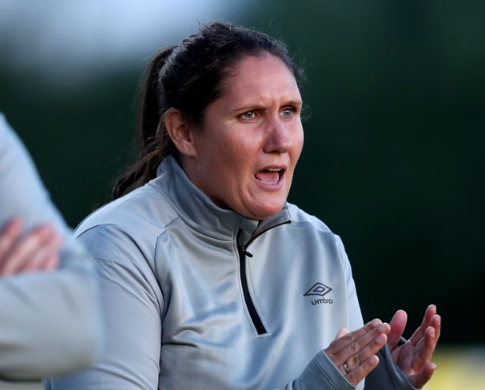
Leaders from prominent organizations gave evidence regarding the toxic cultures operating within British sports institutions. The head of policy at Women in Sport delivered a particularly scathing assessment to MPs. Lisa West stated that these hostile environments are thoroughly hideous for women trying to progress. She noted that conditions have deteriorated so badly that placing women there feels inherently unfair. The far-reaching consequences of this institutional failure extend well beyond individual female coaching careers. Depriving athletes of female role models narrows the talent pool and reinforces damaging patriarchal structures. London All Stars head coach Lisa Williams emphasized that influential positions remain heavily guarded male preserves. Her poignant testimony highlighted how the current system actively sidelines exceptionally talented female sports leaders.
Statistically, the reality for women working within the British sports sector remains incredibly grim. Shocking evidence submitted to the committee revealed that one in five female coaches experiences harassment. This pervasive bullying reflects deep-rooted biases regarding who is trusted, promoted, and respected in sport. Female coaches face daily microaggressions and overt sexism from parents and male colleagues alike. Williams informed the committee that the situation is simply not getting better across the board. Women maintain very low confidence in reporting these incidents due to a lack of sanctions. Despite this fear of retaliation, formal complaints from women regarding toxic behavior have risen sharply. The complete absence of robust safeguarding policies leaves victims feeling isolated and exposed to further abuse.
The parliamentary panel heard how highly qualified women are routinely passed over for career advancement. Less experienced men are regularly favored for top coaching positions over better-credentialed female peers. Hannah Dingley, the respected girls’ head of academy at Manchester City, shared her experience. She described being consistently channeled into junior and youth coaching roles despite her extensive qualifications. Employers frequently offered her jobs teaching under-nine groups while hiring men for elite older squads. Dingley noted that decision-makers wrongly assumed she was too maternal and soft for elite sport. This pervasive stereotyping prevents women from breaking through into high-performance male or female senior squads.
Despite the commercial growth of women’s sport, female coaching representation remains shockingly low in Britain. Women currently account for only about a quarter of coaching positions within UK Sport-funded programmes. The statistics are even more dismal when analyzing technical leadership and high-performance director roles. Coaching lead Emily Handyside and partnership manager Amy Fazackerley provided detailed data regarding this decline. Handyside revealed that the number of female coaches dropped by ten percent recently in grassroots sports. Elite level sports saw a further six percent decline in female participation over two years. The most alarming drops are occurring among young female coaches aged between eighteen and thirty-four.
A comprehensive UK-wide survey conducted by UK Coaching confirmed these devastating statistical trends across the nation. Harassment, bullying, and systemic discrimination remain the primary reasons women abandon their coaching careers entirely. Many survey respondents stated they feel deeply unsafe and unsupported in male-dominated sporting environments. India Perris-Redding from Sale Sharks Women highlighted further troubling research conducted within professional English rugby. Her data revealed that seventy-six percent of female coaches believe a massive gender gap exists. No female head coaches currently operate within the top-flight premiership or the senior England national team. This total lack of representation at the elite level severely dampens grassroots female ambition.
The struggle for gender equity in sport has drawn fierce criticism from legendary figures. Emma Hayes, the iconic former Chelsea Women manager, has spoken out frequently about British football culture. She previously stated that male privilege has always been at the absolute center of football. Hayes argued that women across the sport are routinely forced to deal with systemic misogyny. Her vocal advocacy highlights how deeply entrenched these negative behaviors are within wealthy football clubs. Even at the highest echelons of global sport, women must fight for basic workplace dignity. The institutional resistance to female authority figures remains a cultural stain on the beautiful game.
Sarina Wiegman, the current manager of the England women’s national team, shared similar structural concerns. She remarked that the lack of female leaders in football feels incredibly strange and outdated. Wiegman pointed out that women occupy far higher positions within almost every other professional sector. She expressed hope that the sporting landscape will change quickly through targeted structural interventions. The Lionesses manager insisted that organizations must do extra things to support and recruit women. Without proactive corporate measures, the historical imbalances within sporting governing bodies will simply continue indefinitely. The current voluntary guidelines have proved completely insufficient in driving meaningful, long-term cultural change.
Former England netball head coach Tracey Neville has also added her influential voice to this discourse. She emphasized that women are still pushing incredibly hard for basic recognition and professional respect. The ongoing parliamentary inquiry aims to challenge these systemic failures through legislative recommendations and oversight. MPs are facing mounting pressure to hold poorly managed sporting governing bodies legally accountable. The future of British sport depends heavily on creating safe, equitable workplaces for everyone involved. If the current toxic culture is left unchecked, an entire generation of female talent will be lost. Turning this dark tide requires immediate, decisive action from the very top of government.
Related News:
 Reeves Faces Setback as Labour May Miss Homes Target
 Kate Winslet to Narrate Film Highlighting King’s Environmental Mission
 Trump’s UK Ambassador Urges North Sea Drilling to Strengthen US Ties
 UK Bans Fake Numbers: Scammers Lose Their Trick
 M&S Profits More Than Halve After Cyber-Attack
 Patients to Test Health at Home to Ease NHS Winter Pressure
 Millionaires group urge Reeves to introduce wealth tax to ‘lift kids out of poverty’
 Reeves rejects £1bn plea for NHS redundancy payouts
 Northern Lights may illuminate UK skies this week
 PM Condemns Leaks, Vows Loyalty to Ministers and Stability
 Major Rent Reform Ends No-Fault Evictions in England
 Stroke Patient Mistaken for Drunk, Care Delayed
 Inside the Helpline Protecting Missing Children in the UK
 Boots Showstopper Beauty Bundle Outshines Many Advent Calendars This Holiday Season
 PlayStation PS5 Deals Hit Lowest Prices Ahead of Black Friday
 Five-Year-Old Dies After Rare Tonsil Surgery Complication
 Starmer Says Labour’s Economic Plan Needs Years to Deliver
 UK unemployment rises to four-year high of 5.1% before budget
 Wiltshire Police Use Lasso to Catch Rampaging Village Goat
 Coasting Drinks: The Trend Redefining Alcohol Enjoyment This New Year
 Rising Hate Crimes Threaten Safety on UK Public Transport
 Starmer Faces Parliamentary Battles Over UK-EU ‘Reset’ Plan
 Met Police Vetting Failures Let Serial Rapists Remain
 Google Employee Claims Redundancy After Harassment Report
 Fatal Bolton Taxi Crash Claims Three Teens and Driver
 ScottishPower Tops List of Worst UK Energy Suppliers
 Judi Dench Champions Fight to Save London’s Green Spaces
 Crowborough Camp Welcomes First Asylum Seekers
 BBC Funding Crisis: Tim Davie Warns of Jeopardy Ahead
 Artificial intelligence will cost jobs, admits Liz Kendall
 Older Women Vanish from BBC Screens, Review Confirms Bias
 Streeting moves on doctor pay to end strike dispute
 Send spending gap leaves deprived areas behind
 Hidden Crisis: Domestic Abuse Suicide Toll in UK
 UK Unemployment Rate Climbs to 5.2% Peak
 BBC World Cup Presenting Duties Shared Among Trio
 Wales Approves Assisted Dying Bill Consent
 CPS Updates Guidance on Honour-Based and Dowry Abuse
 Asylum Seekers to Work After Year-Long Wait
 Inquiry into HMRC child benefit errors launched by NAO
 Rising Costs Force Families to Rethink Days Out
 Scott Mills Sacked by BBC Over Personal Conduct Claims
 Palantir Boss Defends NHS Deal Amid Government Break Clause
 Relationship with Trump may be beyond repair, Starmer warned
 UK Government Poised to Revive Stalled Hillsborough Law
 UK Staycations Rise as Travel Fears Grow
 Home Office Faces Legal Risks Over Asylum Hotel Living
 Official Admits Debate Over Mandelson Vetting Records
 Crisis in NHS Surgery Scheduling Hits Patients Hard
 Welsh Labour Faces Potential Historic Election Defeat
 Blue Badge Abuse: The Rising Tide of Public Hostility
 UK Faces Future Where Deaths Outnumber Births Yearly
 Scott Parker Leaves Burnley After Premier League Drop
 Silent Tracks: Rail Line Without Passengers
 RFU Backs Borthwick Despite England’s Poor Six Nations
 Major test for Labour as polls open in Great Britain
 Keir Starmer Struggles to Secure His Grip on Downing Street
 Fear and Betrayal: The Chilling Case of Kouri Richins
 Farage Faces Standards Probe Over Cash Property Purchase
 Closing the Gap: UK Pensions Commission Demands Action
 Sun and Jams: Britain Braces for a Sizzling Bank Holiday
Russian Electronic Attack Targets UK Defence Chief Jet
Sun and Jams: Britain Braces for a Sizzling Bank Holiday
Russian Electronic Attack Targets UK Defence Chief Jet
 UK Shoppers Face Prolonged Price Rises At Tills
 Tube Strike Brings Capital to a Standstill Over Shift Disputes
 Labour Denies Benefit Tax Hike Amid Mandelson Leak
 Makerfield Voters Demand Real Change as Election Looms
 US Condemns ‘Two-Tier’ UK Policing After Student Murder
 The Hidden Crisis Eroding Trust in British Communities
 Deepfake Abuse on X Sparks Safety Concerns for Dissidents
 Stolen Mobiles Could Soon Become Useless Bricks
 Clean Air Initiatives Spark Major Fall in London Hospital Admissions
 United Kingdom Politics Worse Now Than Before Brexit, Warns MP
 Russian Tanker Captain Remanded in UK Court After Channel Seizure
 Shocking Zoo Incident Sparks Attempted Murder Probe
 The Hybrid School Revolution Defying the Social Media Ban
 UK Care Crisis: Row Explodes Over New Visa Settlement Rules
 Sainsbury’s Boss Optimistic As Grocery Inflation Eases
 US Airman Avoids British Court in Indecent Exposure Case
 Ann Widdecombe, Formidable Political Figure, Dies at 78
 UK Schools Struggle as Classrooms Top 40C