Published: 25 August 2025. The English Chronicle Online
The United Kingdom has once again experienced an unusual wave of seismic activity, with two earthquakes striking within the space of three hours and bringing the nation’s annual tally of tremors to more than one hundred. The quakes, each measuring 1.3 on the Richter scale, occurred on Tuesday, August 19, first in Cumbria and later near the celebrated hiking spot known as the Naughty Stone in Llangynidr, Powys.

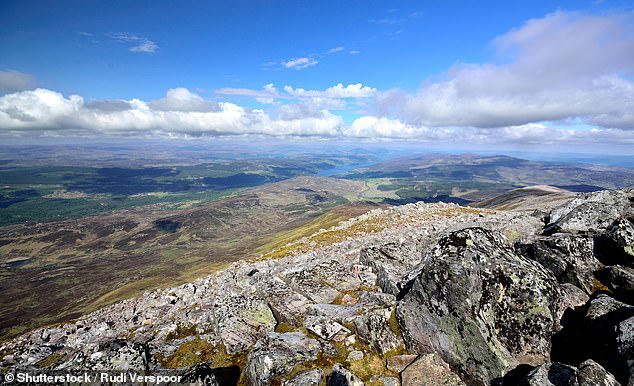
The first tremor was recorded at 8.47am in Kents Bank, Cumbria, where seismic monitors detected a shallow earthquake just three kilometres beneath the surface. The British Geological Survey confirmed that while the quake was minor, its low depth made it significant among the year’s records. Later that evening at 9.59pm, the second tremor shook Powys in south Wales, around five kilometres underground, near the Naughty Stone, a rock formation that doubles as the Trefil View Point.
The site is well known to walkers and nature enthusiasts for its sweeping views across the Brecon Beacons National Park. A memorial plaque fixed to the rock commemorates Elizabeth Frances Hopkins, describing the spot as “one of the most beautiful places in the world.” The coincidence of seismic activity striking near such a treasured location has attracted local attention, though no damage or injuries have been reported.
These latest events follow a surge in seismic activity recorded earlier in the week. On Monday, August 18, six earthquakes shook parts of Britain within just four hours, with vibrations stretching from southern England to the western reaches of Scotland. The sequence began with a 2.1-magnitude tremor in Thornborough, Buckinghamshire, followed by a stronger 2.2-magnitude quake in Melldalloch, Argyll and Bute. That area subsequently experienced three smaller quakes in rapid succession, each between 0.5 and 1.1 in magnitude at depths ranging from 11 to 15 kilometres. Later, both Cumbria and south Wales were again affected by tremors of 1.3 magnitude, underscoring the clustered nature of the seismic activity.
The frequency of these incidents comes in a year that has already proven more active than usual beneath Britain’s soil. In May, a 2.5-magnitude quake startled residents of the Yorkshire Dales when it struck near the village of Litton in the early hours of the morning. The British Geological Survey noted that it was felt across the surrounding valleys, with residents describing the noise as “a huge bang” followed by a deep rumble lasting around ten seconds. Some were woken by what they believed to be loud bangs outside their homes, while others likened the sensation to “a large truck coming up the lane.”
Experts from the British Geological Survey have reiterated that while Britain does not sit on a major tectonic boundary, it experiences hundreds of minor earthquakes each year due to the slow release of stresses in its ancient fault lines. Typically, between 200 and 300 quakes occur annually, though only a small fraction are ever felt by the public. Most are of low magnitude and pass without consequence, but the clustering of events within hours or days can amplify public concern, especially when they occur across multiple regions of the country.
Seismologists stress that there is no evidence these minor quakes herald larger, more destructive events. Instead, they are considered routine expressions of the earth’s shifting geological structure beneath Britain. Yet for communities unaccustomed to tremors, the audible bangs, rumblings and occasional vibrations remain unsettling experiences.
The unusual frequency of recent earthquakes has drawn fresh attention to the monitoring work of the British Geological Survey, whose seismologists continue to track, record and interpret each event. For many, the knowledge that more than one hundred tremors have already been recorded this year highlights the unpredictable but largely harmless nature of Britain’s seismic life.

While Tuesday’s earthquakes were modest in scale, their impact was enough to remind residents from Cumbria to Powys of the hidden forces at work beneath the landscape — and of the rare moments when Britain’s geology makes itself suddenly, and sometimes dramatically, felt.
Related News:
 Storm Floris Sparks Amber Alert in Scotland Amid ‘Danger to Life’ Wind Forecast
 Storm Floris Batters Northern UK With Ferocious Winds and Disrupts Travel Nationwide
 Storm Floris Slams the UK,‘Danger to Life’ Warnings as Ferocious 90mph Winds Cause Chaos Nationwide
 A Delicate Dance of Sunshine and Storms: UK’s Summer Forecast Holds Mixed Fortunes for Holidaymakers
 Fire Contained at Edinburgh’s Arthur’s Seat After Overnight Battle by Firefighters
 England Braces for Prolonged Dry Spell as National Drought Group Urges Urgent Water-Saving Measures
 England Faces “Nationally Significant” Water Shortfall as Fourth Heatwave of 2025 Strikes
 UK Heatwave Continues with Temperatures Soaring, Thunderstorms Forecast Across the Country
 UK Weather: Heat Alerts Extended as Temperatures Set to Reach 30°C This Weekend
 K Braced for 600-Mile Rainstorm with Eight Counties Set to Escape Downpours
 UK Faces One of Its Warmest Summers on Record, Met Office Confirms
 UK Weather: Rain Expected Above Average This Autumn, but Drought Likely to Persist
 Yellow Weather Warning Issued as UK Braces for Winds Up to 80mph
 Storm Amy set to disrupt travel across UK with winds reaching 95mph
Storm Amy Ravages UK: Fatalities, Widespread Travel Chaos, and Power Outages
Storm Amy Wreaks Havoc Across UK and Ireland, Claims One Life
Storm Amy set to disrupt travel across UK with winds reaching 95mph
Storm Amy Ravages UK: Fatalities, Widespread Travel Chaos, and Power Outages
Storm Amy Wreaks Havoc Across UK and Ireland, Claims One Life
 What is anticyclonic gloom and why is it making the weather?
 UK braces for wet weekend as Met Office issues NI rain warning
 Hermer to face questions on alleged China spy case intervention
 Storm Benjamin Set to Lash UK with Heavy Rain and Strong Winds
 Northern Lights May Illuminate UK Skies Amid Strong Solar Storm
 Northern Lights may illuminate UK skies this week
 New weather warning issued with risk of flooding
Storm Claudia: Torrential Rain to Batter England and Wales
New weather warning issued with risk of flooding
Storm Claudia: Torrential Rain to Batter England and Wales
 Cold Snap Brings Snow Risk as Flood Recovery Continues
 Witnesses Recall Tragedy as Couple Die in Flood
 Commuters warned as yellow snow and ice alert hits Northern Ireland
 UK Energy Bills to Rise Slightly in January
 UK Must Act with Courage and Clarity on Israel-Palestine Conflict, Says Foreign Affairs Committee Report
 The Ketamine Crisis in the UK is a Silent Epidemic Leaving Users with Lifelong Pain
 London Set to Honour Euro 2025 Champions as Lionesses Take Victory Parade Through the Capital
 Targeted Attack in Bury Sparks Murder Investigation as Community Awaits Justice
 Princess of Wales Launches Animated Video Series to Support Early Childhood Development
 Heartbreak in the New Forest as Shetland Ponies Vanish, Community on Edge
 Radioactive Leak at UK’s Nuclear Warhead Base Sparks Outcry Over Safety and Secrecy
 Premier League Supercomputer Predicts Tough Season for Man Utd Amid Three-Team Title Battle
 Mystery Wallaby Spotted on Norfolk-Suffolk Border Sparks Police Appeal
 Terence Stamp, ’60s British Film Legend and Star of Superman, Dies at 87
 Merseyside Police Helicopter Crew Cleared After Low-Altitude Pursuit of Suspect
 Is the UK Ready to Put Boots on the Ground in Ukraine? Assessing Military Capacity and Challenges
 Education Leaders Call for End to Compulsory GCSE Resits in English and Maths
 Police Scotland Spends £500,000 Compensating Officers Over Trump Visit
 Desperate Plea to ‘End This Tide of Misery’ as Children Struggle in the English Channel
 Grimsby Stun Manchester United in Dramatic Penalty Shootout
 Rachel Reeves’s Budget Advisor Proposes Sweeping Tax Hikes: What Could Hit Households Next
 Why E-Bikes and E-Scooters Are Making Streets a ‘Nightmare’ for Blind People
 Retail Sales See Uptick Amid Errors and Delays as ONS Faces Scrutiny
 Millions in the UK at Higher Risk of Heart Failure and Stroke Due to Air Pollution, Study Warns
 UK Launches Major Crackdown on Networks Profiting from Online Child Sexual Abuse
 UK Rejoining EU ‘Unlikely in My Lifetime,’ Says Starmer’s Europe Reset Negotiator
 Prime Suspect in Madeleine McCann Case Declines Metropolitan Police Interview Ahead of German Prison Release
 Growing Crisis in UK Schools: One in Three Parents Seek Special Needs Assessments
 Zarah Sultana Seeks Legal Action After Bitter Clash with Jeremy Corbyn Over Party Membership Funds
 Mahmood Pledges Reform of Modern Slavery Laws After Court Blocks Deportation Appeal
 UK Government Backs Return of International Rail Travel to Kent Stations
 Arsenal VS Newcastle Hearts with Dramatic Late Turnaround at St James’ Park
 Ed Miliband Urges Labour to Confront Billionaire-Backed Opposition to Net Zero Goals
 Wetherspoon vows to keep prices low amid soaring energy and tax costs
 Digital ID Plans Ignite Debate Over £600m Treasury Tax Boost and Privacy Concerns
 Public Trust in SNP Hits Historic Low Amid NHS Concerns
 Strictly Celebs Starstruck as Cynthia Erivo Shines
 Johnson Suggests Mandelson Linked to China Spy Controversy
 Ministry of Justice fails to file £11bn in spending receipts
 Rachel Reeves signals welfare reform ahead of key budget
 Reform UK candidate fined £19,000 after using AI-generated cases to challenge election
 William Steps Up Over Prince Andrew Palace Response
 Hospice Cuts Raise Alarm Across England Amid Funding Crisis
 Green Party Surges Past Labour in Latest UK Poll
 Children to Learn Local History in Major Curriculum Overhaul
 Prince William Plants Trees with Brazil’s Nature Heroes
 King Charles to Lead Nation in Remembrance Sunday Service
 Starmer Faces Growing Dissent as Labour MPs Weigh Leadership Challenge
 Son Reveals UK Couple in Iran Resort to Hunger Strike for Help
 Former Lion Heskey Warns of Shortage of England Strikers
 ‘Traumatic Wait’: Northern Ireland Women Face Breast Cancer Delays
 Serial Rapist and Former Cop Found Guilty Again
 Most Tories Expect to Support a Farage-Led Government
 Karen Carney Stuns on Blackpool Week, Deserves Strictly Final
 Fibromyalgia Patients Struggle as NHS Fails to Provide Care
 Virgin Media Fined £23.8m Over Telecare Safety Failures