Published: 15 July 2026 | The English Chronicle Desk | The English Chronicle Online
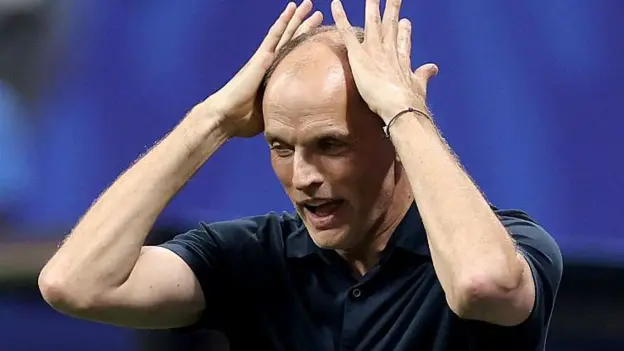
England’s latest tournament disappointment has once again raised a familiar question in international football: do the Three Lions have enough overall quality to win the biggest prizes?
The team has shown determination, resilience and the ability to produce memorable moments on the biggest stage. Players have demonstrated commitment, unity and a willingness to fight until the final whistle.
However, critics argue that effort and spirit alone are not enough to win major tournaments. They believe England may still lack the complete balance, tactical flexibility and consistent quality required to overcome the world’s strongest teams.
The debate highlights the difficult challenge facing a generation of England players who have repeatedly come close to success but have struggled to take the final step.
One of England’s biggest strengths in recent years has been their mentality.

The national team has moved away from the painful failures of previous decades, developing a stronger belief that they can compete with elite opponents.
Players have repeatedly shown resilience after setbacks, recovering from difficult moments and producing strong performances under pressure.
Tournament runs have demonstrated that England are no longer simply hoping for success. They now expect to compete deep into major competitions.
That improvement has been driven by a strong team culture, experienced leaders and players who understand the demands of international football.
Football tournaments are often decided by individual moments.
A brilliant goal, a crucial save or a defensive intervention can determine whether a team advances or goes home.
England have benefited from players capable of producing those moments.
Their attacking players have the ability to change games, while their defenders and goalkeeper have delivered important performances during difficult matches.
However, relying on individual brilliance can become a weakness if a team lacks consistency across 90 minutes.
The best international sides usually combine moments of quality with a complete system that controls matches.
The main criticism of England has been that they sometimes appear stronger in certain areas than others.
While the squad contains several world-class attacking players, questions remain about whether the team has the right balance between defence, midfield control and attacking creativity.
International tournaments often require teams to adapt against different opponents.
A side may need to dominate possession against one team, defend deeply against another or find solutions when facing aggressive pressing.
Critics argue that England have occasionally struggled to impose their style against the very best nations.
One of the biggest areas of discussion has been midfield.
Successful tournament teams often rely on midfielders who can control the tempo, resist pressure and dictate matches.
England have produced talented midfield players, but analysts have questioned whether the team has always had the same level of control as nations such as Spain, France or Argentina.
Against elite opposition, winning the midfield battle can determine the outcome of a match.
If England cannot control possession or create enough chances through midfield, they may become overly dependent on individual attackers.
England’s defence has improved significantly in recent years, but maintaining consistency remains a challenge.
Tournament football punishes small mistakes, particularly in knockout matches where one goal can decide everything.
A strong defence is not only about individual defenders but also about organisation, communication and protection from midfield.
The world’s best teams often make themselves difficult to break down while remaining dangerous going forward.
England’s challenge is finding the right balance between attacking ambition and defensive security.
England’s improved performances have also increased expectations.
A team that reaches semi-finals and finals is no longer judged simply on progress. Supporters expect trophies.
This creates additional pressure for players and coaches.
Every tournament defeat brings renewed debate about what went wrong and whether the team has the necessary qualities to succeed.
The current generation has changed perceptions of England’s capabilities, but the absence of a major trophy continues to dominate discussions.
Recent champions have often shared certain characteristics.
Teams like Argentina, France and Spain have combined individual talent with a clear identity and the ability to control crucial matches.
They have players who can produce moments of magic but also systems that allow them to dominate games.
England have many of the individual qualities required for success, but critics argue they must become more complete as a team.
Talent can take a side far, but tournament victories usually require consistency across every department.
Another part of the debate focuses on tactical decisions.
Managers face difficult choices about formations, player selection and match strategies.
A tournament can turn on a single substitution or tactical adjustment.
England’s coaching staff must continue finding ways to maximise the squad’s strengths while addressing weaknesses.
With so much talent available, choosing the right combination of players remains one of the biggest challenges.
Despite criticism, there are reasons for England supporters to remain hopeful.
The squad contains a mixture of experienced players and emerging talent, providing depth and competition for places.
Many players are performing regularly at the highest levels of club football, gaining experience in demanding domestic and European competitions.

That foundation gives England a strong chance of remaining among the world’s leading teams.
The challenge is turning repeated progress into a championship victory.
England’s recent history shows a team that has improved dramatically but has not yet completed the journey.
They have the effort, the determination and the ability to create memorable moments.
The question is whether they have enough all-round quality to consistently defeat the strongest teams when the pressure is greatest.
Major tournaments are rarely won by talent alone. They require balance, tactical clarity, mental strength and the ability to perform in decisive moments.
England have many of those qualities, but the search continues for the complete formula that transforms a competitive team into champions.
Related News:
 Rivalry That Changed Modern Football Forever
 Can Vinicius Win Over Brazil at Last?
 Fifa Faces Backlash Over Ticket Payment Demand
 Fans Bring Flags and Fire to World Cup Scenes
 11 EFL Stars Ready to Shine at World Cup
 Arsenal Trio Named on Player of the Year List
 Three Arsenal Stars Make Award Shortlist
 Fans Invited to Share Scotland World Cup Stories
 Iran Team Arrives in Mexico Amid US Visa Dispute
 Football Hopes to Outshine World Cup Drama in Mexico
 Police Probe Claim of Missing £1.5m in Yes Scotland Campaign
 Haaland Makes History as England Prepare for Biggest Test
 Trump Helps Clear Balogun for Belgium World Cup Clash
 Mexico’s World Cup Run Brings Joy After ICE Raids
 Kane vs Haaland: Which Striker Would You Choose?
 Haaland’s Two Worlds Meet on Football’s Biggest Stage
 Golden Boot Battle Reaches World Cup Boiling Point
 Rollercoaster Semi-Final Leaves Fans Breathless
 Bryne Backs Haaland Before England World Cup Clash
 England and Norway Fans Turn Miami Into World Cup Carnival
 Lamine Yamal’s Birthday: Football, Fame, and France
 Spain Shock France to Reach World Cup Final
 England’s Euro Odyssey: A Tale of Grit, Glory and the Lionesses’ Miraculous March to the Final
 Tottenham Takes On Newcastle
 FIFA Eyes Biennial Club World Cup from 2029, Plans Possible Expansion
 Dembélé and Bonmatí Shine as Ballon d’Or Winners in Glittering Paris Ceremony
 Liverpool Vs outhampton Set for Carabao Cup Clash at Anfield
 Dramatic Derby: Sorloth Strikes as Atletico and Real Madrid Share the Spoils
 ICC Women’s World Cup 2025: India to Host as Pakistan Fixtures Moved to Neutral Venues
 Bournemouth Stun Fulham with Dramatic Comeback in Premier League Thriller
 Chaos at Ibrox as Martin’s Rangers Era Comes to an End
 Arsenal Showcase Depth and Flexibility as Arteta Eyes Title Challenge
 Fabio Wardley stuns Joseph Parker to earn Usyk title shot
 Tiny Curacao Makes History as Smallest Nation to Reach World Cup
 Haiti Qualifies for World Cup Despite Coach Never Visiting Country
 Mbappe Scores 4 as Real Madrid Edge Olympiakos
 Hilary Knight speaks out on Trump’s recent hockey remarks
 Iran, the US, and a World Cup That Starts in Three Months
 Australian GP Confident Amid Travel Disruption
 Ski Duo Named GB’s Winter Paralympics Flagbearers
 Alonso Fears ‘Permanent Nerve Damage’ From Aston Martin’s Disastrous Car
 India T20 World Cup Triumph Seals Historic Title Defence
 Australia Urged to Shield Iranian Team After Anthem Protest
 Iranian Footballers Escape Team Hotel to Seek Asylum
 Iranian Captain Departs Australia Amid Asylum Tension
 Iran World Cup Move Talks Raise Global Concerns
 ‘Safe Haven’: Iranian Footballers Rebuild Lives in Australia Following Asylum Bid
 ‘Words Are Not Enough’: Quinton Byfield Urges Concrete Action as Hockey Faces New Racism Row
 Beyond the Swoosh: Anta Sports Overtakes Rivals to Become Global Top Three
 “Three-Wheeled Triumph”: Mayor of Erewash Completes 2,000-Mile European Charity Run
 $13bn World Cup Set to Break All Revenue Records
 Premier League drama defines crucial weekend
 Miami Upgrades Shake Up F1 Title Fight
 Infantino Defends Soaring World Cup 2026 Ticket Costs
 Chasing Glory: The Quest for a New World Cup Champion
 “My Drinking Days Are Over” — How to Enjoy an Alcohol-Free World Cup
 Scotland Branded “Unprofessional” in World Cup Fallout as England Build Momentum
 Football Regulator Contacts West Ham Over “Serious Allegations” Linked to Sullivan
 Chinese Football Fans Embrace Referee as Unexpected World Cup Figure
 Referee Controversy Raises Questions Over FIFA’s Control of the World Cup
 Nike Charges Fans Most for World Cup Replica Shirts
 Saka Playing Through Pain As England World Cup Campaign Looms
 England Cruise Past Costa Rica as World Cup Warm-Up Sharpens Tuchel’s Vision
 Tuchel’s England Mission Goes Beyond Football Success
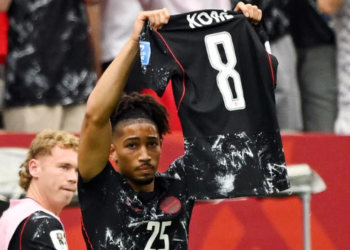 Historic Victory for Canada as They Defeat Nine-Man Qatar
 Heartbreak for Canada as Koné Suffers Horrific Injury
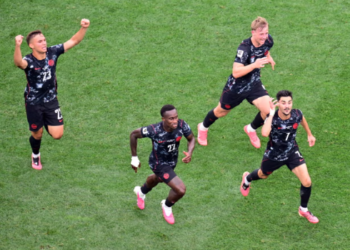 Canada Secure Historic Last 16 Spot with Late Goal
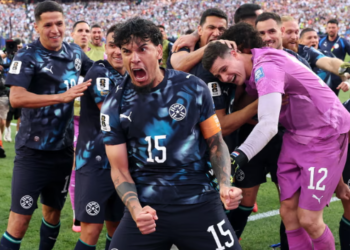 Paraguay Shock Germany in Historic Penalty Shootout
 Morocco Beat Dutch in Wild World Cup Penalty Drama
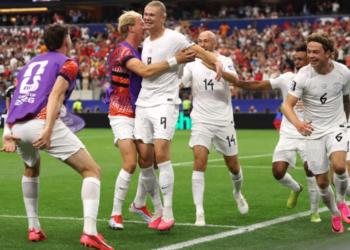 Haaland Heroics Send Norway Into Historic Last 16 Knockout
 Former Olympian Indicted Over Alleged Vandalism at Washington’s Reflecting Pool
 Trump Helps Clear Balogun for Belgium World Cup Clash
 Norway’s Stunning World Cup Victory Over Brazil
 England’s 10 Men Hold Firm in World Cup Thriller
 Belgium Thrashes USA After Red Card Controversy
 Balogun Drama Overshadows USA’s World Cup Exit
 Rice Poised for England Semi-Final Clash Against Argentina
 Tuchel: England Ready for Historic Argentina Clash
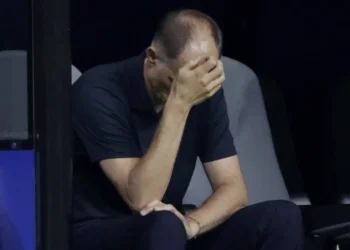 Argentina End England’s World Cup Dream With Semi-Final Victory
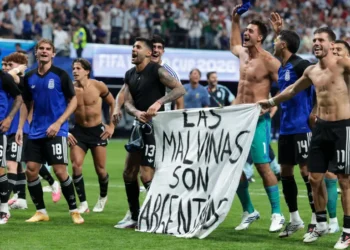 Argentina Face FIFA Investigation After Players Display Falklands Banner Following World Cup Victory