
Published: 7 August 2026
The English Chronicle Desk
The English Chronicle Online
Two people have been convicted in connection with the death of French live-streamer Jean Pormanove, whose final moments were broadcast online in a case that triggered widespread concern over the safety and exploitation of online content creators.
The convictions follow an investigation into the circumstances surrounding the streamer’s death, which shocked audiences in France and raised questions about the limits of online entertainment, the responsibility of platforms and the treatment of vulnerable influencers.
Pormanove, whose real name was Raphaël Graven, became known for producing livestream content that often involved extreme challenges, physical endurance tests and confrontational scenes that attracted thousands of viewers. His death during a broadcast led to a national debate over whether online creators were being pushed into dangerous situations for entertainment and financial gain.
French authorities launched an investigation after concerns were raised about the nature of the content being produced and the circumstances surrounding his final broadcast.

The court found two individuals responsible in relation to the case, although details of the convictions and sentences reflected the complexity of the investigation and the different roles played by those involved.
The case has become one of the most significant examples in France of the potential dangers surrounding livestreaming culture, where creators can face pressure to produce increasingly shocking material in order to attract viewers, increase engagement and generate income.
Pormanove had built a large following through online platforms, particularly among audiences interested in unusual and extreme forms of entertainment. However, critics argued that some of his content crossed ethical boundaries and raised concerns about whether he was being encouraged to take unnecessary risks.
Following his death, questions were raised about whether people around him had failed to intervene and whether platforms had adequate systems in place to identify and prevent harmful broadcasts.
French regulators and politicians have since called for stronger protections for online creators and viewers, particularly when livestreams involve physical danger, humiliation or possible exploitation.
The case has highlighted a growing international concern about the darker side of influencer culture. While social media has allowed individuals to build careers independently, critics say the pressure to remain visible and competitive can sometimes lead creators into increasingly extreme behaviour.
Unlike traditional television and film production, livestreaming often happens with limited oversight. Creators can broadcast directly to audiences without the same safety checks, editorial controls or professional protections found in conventional media industries.
Experts say this can create situations where personal boundaries become blurred, especially when creators rely financially on audience reactions and donations.
Dr Claire Martin, a researcher specialising in digital culture, said the case demonstrated the need for a clearer understanding of responsibility in online entertainment.
“Livestreaming creates a unique environment because events happen instantly and audiences become part of the pressure system. The demand for more dramatic content can influence decisions that may put creators at risk,” she said.
The convictions have been welcomed by campaigners who believe online platforms and individuals involved in creating extreme content must be held accountable when safety concerns are ignored.
However, some digital rights groups have warned that regulation must be carefully balanced to avoid restricting legitimate forms of online expression.
The debate following Pormanove’s death has also focused on the role of social media companies. Critics argue that platforms benefit financially from high-engagement content but must do more to monitor broadcasts that may involve abuse, coercion or serious risks.
Technology companies have responded by saying they have policies against harmful content and use a combination of artificial intelligence tools and human moderators to identify violations.
However, livestreaming presents particular challenges because harmful situations can develop in real time before moderators are able to intervene.
The French government has previously increased its focus on online safety, introducing measures aimed at protecting minors, combating cyber abuse and improving accountability for major digital platforms.
The Pormanove case is expected to contribute to further discussions about whether livestreaming services require additional regulation.
Supporters of stricter rules argue that platforms should have stronger emergency intervention systems, clearer reporting procedures and greater responsibility for content that generates significant revenue.
Others believe creators also need better awareness of the risks associated with online fame, particularly when audiences expect constant entertainment and increasingly extreme material.
The case has also renewed attention on the mental and physical pressures faced by influencers. Many online personalities work without traditional employment protections, meaning they may lack access to workplace safety measures, professional support or independent advice.
For families and supporters of Pormanove, the legal proceedings have been an important step towards accountability. They say the case should encourage broader changes in how online creators are protected.
The death of the French streamer has become a symbol of the challenges facing the modern digital entertainment industry, where popularity, financial incentives and public attention can sometimes create dangerous pressures.
As livestreaming continues to grow globally, governments, technology companies and online communities are being forced to consider difficult questions about responsibility.
Who should intervene when entertainment becomes dangerous? How should platforms respond when viewers are watching potentially harmful situations unfold? And what protections should exist for creators who depend on online audiences for their livelihoods?
The convictions connected to Pormanove’s death may provide some answers, but the wider debate over online safety and accountability is likely to continue.
The case serves as a reminder that behind every viral broadcast is a real person, and that the pursuit of views, followers and revenue cannot come at the expense of human safety.
Related News:
 ‘We’ve Been Left Homeless After Our Builder Went Bust’
 Inside Kyiv’s resolve as conflict nears five‑year mark
 David and Victoria Beckham Wish Brooklyn Happy Birthday Despite Family Feud
 Undercover officer deceived women with ‘grotesque and cruel’ lies, spycops inquiry told
 Edinburgh Mother Learns Husband Was Secret Sperm Donor
 ‘I Know Him in My Bones’: Melissa Gilbert Denies Being ‘Naive’ in Defense of Timothy Busfield
 ‘Power Plant Day and Bridge Day’: Israel Warns Iranians Off Trains as Trump Ultimatum Looms
 Turning Point: Britney Spears Enters Rehabilitation Following DUI Incident
 Police Suspect Help in Missing Alice Springs Girl Case
 Florida Surgeon ‘Devastated’ Over Fatal Surgery Error
 Barrister Criticises Trial After Suicide Case Verdict
 Immigration Judges Fear Pressure in Trump Era
 China Targets Viral Micro Drama Content
 Man Arrested 22 Years After Leeds Teen Murder
 Pianist Loses Legal Fight Over Gaza Speech Ban
 Suzy Lamplugh Mystery Still Haunts Detectives
 Man Admits Taking Ambulance With Patient Inside
 Man Jailed After Noise Dispute Ends in Fish Killing
 Burnham Considers Inquiry Into Epstein UK Connections
 Families Furious After Jailed Funeral Boss Apologises
 Harper Widow Fights Early Release of Killer’s
 Meta Hit With Record $567m Child Safety Fine
 Motorists Could Face ‘Mandatory’ Driving Ban for Road Offences Under Tougher Laws
 Disability and LGBT Hate Crimes Set to Become Aggravated Offences
 Last‑ditch Call to Save Police Front Counters in London
 Epstein Eyed Record Label Investment to Access Women, Files Suggest
 Live Nation Sees Strong Ticket Sales as Monopoly Lawsuit Looms
 ‘We Pray for Peace’: Indian Filmmaker From Troubled State Who Won a BAFTA
 Grave of Murdered Toddler James Bulger Vandalised
 Calls Grow to Remove Billboard Following Lyra McKee Graffiti
 Man on Trial for Rape That Led to Andrew Malkinson’s Wrongful Jailing
 ‘Every Day Feels Like a Month’: Iranians Describe Life Under ‘Constant’ US‑Israeli Strikes
 Woman, 29, ‘Chucked’ Into Care Home 100 Miles Away
 Tears and Cheers as Controversial Long‑Running Australian Breakfast Radio Show Implodes
 Noma Head Chef Resigns Amid Abuse Allegations
 Mandelson’s Phone Messages Requested in Files Release
 Families Tortured by Authorities During Investigations Inquiry Told
 Watchdog Probes Police Handling of Andrew Tate Abuse Claims
 US Lawmaker Demands Testimony Over Sarah Ferguson’s ‘Close Epstein Ties’
 The Last of the Lords: Two Hereditary Peers to Retain Ceremonial Roles Amid Historic Ousting
 ‘Eye in the Sky’ Blinded: Photos Reveal Destroyed US Radar Jet at Saudi Base
 ‘Full and Immediate Access’: Netanyahu Reverses Palm Sunday Ban on Latin Patriarch
 Woman Deported from China Over Manx Passport Mix-Up
 Joanna Lumley: ‘I Wash My Face with Whatever Soap’s Lying on the Side of the Bath’
 ‘My Hatred of Dogs is Ruining My Love Life’
 John Bengtson: The ‘Silent Film Sleuth’ Who Found History in the Background
 Shock Exit: Scott Mills Sacked from Radio 2 Over ‘Historic Relationship’ Allegations
 “It Ends With Trial”: Judge Tosses Blake Lively’s Sexual Harassment Claims Against Justin Baldoni
 Lil Nas X Enters Recovery Path to Resolve Police Assault Case
 The Suffocating Silhouette: Why Metal’s Mask Trend is Turning Deadly
 The Fallen Icon: Ben Roberts-Smith Charged with Five War-Crime Murders
 Heartbreak in Bournemouth: The Tragic Death of James Blanch
 The Changing Face of Georgia: Trump-Backed Clay Fuller Wins Election
 Rebranded or Reclaimed? Seized Tate Assets to Fund Domestic Abuse Support
 The Gilgo Beach Case: Heuermann Expected to Plead Guilty to Eighth Victim
 Paws on the Wheel: Driver Facing Fine After Dog Photographed on Lap
 The Miracle of Phoenix: ‘Half Dead’ Rescue Dog Defies the Odds in Worcestershire
 Faith and Friction: Church Officer Branded a ‘Satanist’ After Flagging Safeguarding Risks
 Toxic Trail: Dog Owners Warned Over ‘Vile’ Poisoned Meat Found in Parks
 The Spectrum of Wit: All-Autistic Comedy Line-up Breaks ‘Seismic’ Ground
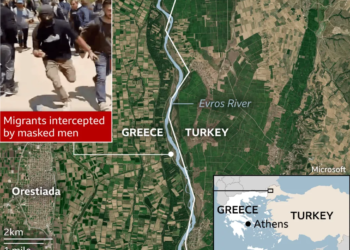 The Masked Frontier: Allegations of Greek Police Using Proxies for ‘Seismic’ Border Pushbacks
 MoD Has Lost Track of Veteran Recall List, Says Adviser
 ‘A Sacred Space Shattered’: Two Found Guilty in London Church Drive-By Murder Trial
 “Significant” Fire at Pink Punters: 51-Year-Old Man Arrested Following LGBT+ Club Blaze
 Rebel Wilson Denies Role in Smear Campaign Trial
 Ukraine Urges UK to Seize Russian Oil Tankers
 Tragedy in the Red Centre: Outback Search Ends in Discovery of Missing Girl’s Body
 Cartel crackdown raises fears of fresh violence
 “The Trial’s Strange Turn”: Musk v. Altman Case Veers into Personal Testimony and ‘Sperm Offers’
 “The Reality Reckoning”: Government Demands Accountability as Channel 4 Pulls Married at First Sight UK Over Grave Sexual Assault Allegations
 AI May Soon Start Conversations on Dating Apps
 Fans Bring Flags and Fire to World Cup Scenes
 Fans Invited to Share Scotland World Cup Stories
 Widow Distressed by Nine-Month Delay to Husband’s Pension Payment
 Le Pen’s Popularity Holds Despite Conviction
 Ariana Grande to Step Back from Public Life Amid Intense Public Scrutiny
 Two Held After Woman Found Dead in Liverpool Hotel
 Avalanche Claims Nepal’s Greatest Mountain Guides
 Badenoch Defends Tory Candidate Over Antisemitism Case
 Jonas Brothers Celebrate 20 Years of Pop Success