Published: 01 September 2025. The English Chronicle Desk
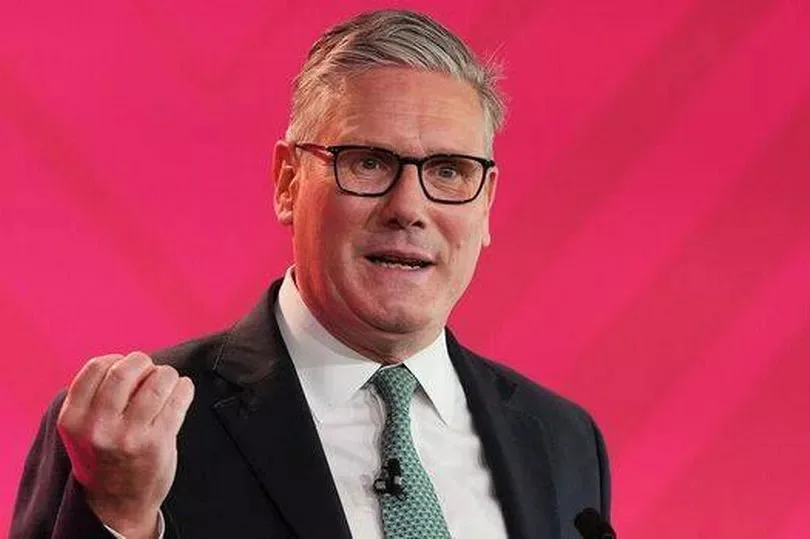
Prime Minister Keir Starmer returned to Downing Street today with a daunting political and policy agenda awaiting him as Parliament reconvenes after the summer recess. The Labour leader, who has already had to interrupt a family holiday in Scotland for urgent talks on Ukraine in Washington DC, is preparing for weeks of political battles at Westminster and beyond, with a host of pressing domestic and international issues dominating his government’s to-do list.

The immediate focus will be the asylum hotel crisis, which has sparked widespread protests across the United Kingdom and even prompted a legal battle in the High Court. While Mr Starmer has pledged to close all asylum hotels by 2029, critics say the government must act far more swiftly. Local councils in several towns are now exploring legal avenues to block or challenge the use of hotels for asylum seekers, while Conservative MPs are expected to sharpen their attacks during Prime Minister’s Questions. The Labour government faces the difficult task of reassuring voters that the phase-out will happen, while at the same time convincing them that such a complex process cannot be rushed without risking further chaos.
Closely tied to this is the long-standing issue of small boat crossings in the English Channel. Although August saw the lowest number of arrivals in four years, government sources admit that weather conditions played a major role in the drop. Joint operations with European counterparts have targeted smuggling networks, leading to optimism that progress may be sustainable. Yet critics argue that the problem remains far from resolved, and that voters will expect clear evidence of success from the UK-France returns deal in the months ahead.

Politically, perhaps the greatest immediate challenge comes from the surging Reform Party, led by Nigel Farage. Despite policy reversals and controversies, Reform has carved out a strong position in the polls, drawing support from disaffected Conservatives and challenging Labour’s appeal to working-class voters. Starmer has taken a hardline stance on immigration in an attempt to blunt their rise, but this has created discomfort among some Labour MPs uneasy with the tone of the government’s messaging. In the coming weeks, Labour is expected to intensify its attacks on Reform, portraying the party as opportunistic and out of touch with the needs of ordinary people.
Education will also dominate the early parliamentary sessions, with Labour ministers eager to showcase their plans to strengthen school standards. The government recently announced the creation of Attendance and Behaviour Hubs across 800 schools, aimed at cracking down on truancy and discipline issues. Starmer has promised to give children the “best possible start in life,” positioning education reform as a cornerstone of Labour’s broader promise of renewal.
Foreign policy presents equally difficult tests. At the United Nations General Assembly later this month, Britain is expected to formally join France, Canada, Australia, and other nations in recognising a Palestinian state. The move is largely symbolic, but carries significant diplomatic weight at a time when the crisis in Gaza shows no sign of resolution. Foreign Secretary David Lammy has already won plaudits for his strong statements condemning Israeli actions, while Starmer himself has emphasised the humanitarian catastrophe unfolding in Gaza, declaring that the images of starving children will haunt the international community for generations. Recognition of Palestine, however, is unlikely to bring about a ceasefire on its own, and the government will face questions about how it intends to follow up on this symbolic gesture with meaningful diplomatic engagement.
Meanwhile, the war in Ukraine remains a top priority for Downing Street, further complicated by Donald Trump’s return to the White House. The American president’s unpredictable posture toward Russia and his willingness to court Vladimir Putin has unnerved European allies. Starmer is expected to use Trump’s forthcoming state visit to London, scheduled for 17 to 19 September, as an opportunity to persuade him not to pressure Kyiv into making territorial concessions. The Prime Minister has repeatedly warned that peace in Ukraine cannot be secured without firm backing from Washington, making his relationship with the US president a central element of Britain’s foreign policy in the months ahead.
Domestically, Starmer’s government must also prepare for the Budget, expected in November, which Chancellor Rachel Reeves is shaping as a defining moment for Labour’s credibility on economic management. Ministers are already lobbying behind the scenes for departmental funding, while Starmer seeks to demonstrate that Labour can deliver growth and fairness after years of economic instability under Conservative rule. Reeves faces the difficult balancing act of investing in public services while keeping borrowing under control, a challenge made more acute by the pressures of global economic uncertainty.
Finally, Labour’s own party conference looms large as one of the most important political events of the year. It will serve as both a platform to outline Starmer’s vision for Britain and an opportunity to reassure Labour members and MPs concerned about the party’s direction. The Prime Minister will attempt to highlight achievements such as the new deal for working people and early investments in GB Energy, while arguing that Labour is on track to deliver the change voters demanded after years of austerity and political turmoil. The conference is expected to be a defining test of his ability to keep both his parliamentary party and grassroots supporters united.

As the summer recess comes to an end, Keir Starmer faces the prospect of a turbulent autumn filled with high-stakes political battles, pressing international crises, and the looming judgement of voters. For a leader whose premiership has so far been defined by promises of stability and competence, the coming weeks will reveal whether he can maintain authority at home while projecting influence abroad. The challenges are significant, and the Prime Minister’s ability to navigate them will shape not only the fortunes of his government but also the trajectory of British politics for years to come.
Related News:
 Kinnock’s Rebuke Echoes Loudly as Corbyn Allies Launch Left-Wing Breakaway: “A Gift to Farage”
 Trump Administration Dismisses 17 Immigration Judges, Sparking Debate Over Judicial Independence
 UK Must Act with Courage and Clarity on Israel-Palestine Conflict, Says Foreign Affairs Committee Report
 Labour Faces Standoff as NHS Strike Exposes Deeper Crisis
 The Fight for Trans Safety Is a Fight for Everyone’s Safety — MPs Must Debate This Crucial Issue
 Brian Cox Slams Donald Trump’s Remarks on Scottish Independence and Voices Support for Kevin Spacey’s Return to Acting
 Trump Threatens 100% Tariff on Nations Importing Russian Oil Amid India Standoff Over Ukraine War
 Chancellor Faces Mounting Pressure Amid “Impossible Trilemma” Over Tax Rises
 Radioactive Leak at UK’s Nuclear Warhead Base Sparks Outcry Over Safety and Secrecy
 Mutual Inconvenience: Why Alaska Was Chosen for the Trump-Putin Summit on Ukraine
 UK Government Expands ‘Deport Now, Appeal Later’ Policy to 23 Countries
 Chancellor Rachel Reeves Pushes for Sweeping Changes to Environmental Protections to Accelerate Development
 Larger Families Could Gain Thousands if Labour Ends Two-Child Benefit Cap
 Hong Kong Summons UK and Australian Envoys Following Asylum Grants to Democracy Activists
 Is the UK Ready to Put Boots on the Ground in Ukraine? Assessing Military Capacity and Challenges
 Palestine Action Ban Protesters Plan Tactic to Overwhelm Police at Next London Demonstration
 Police Scotland Spends £500,000 Compensating Officers Over Trump Visit
 Britain’s Migration Challenge: Rising Asylum Numbers and Hotel Pressures
 Elon Musk Sparks New Controversy by Backing Tommy Robinson Amid Farage Feud
 Rylan Clark Criticizes UK Immigration Policies on This Morning, Sparking Public Debate
 Farage Blasts Essex Council Over St George’s Flag Controversy, Calls Message ‘Unbelievable
 Polanski’s Rise Signals a Shift in British Political Landscape
 Protests Expected as Israeli Arms Firms Join Global Defence Trade Fair in London
 Brian Cox Slams Nigel Farage in Heated BBC Exchange
 Trump Appears Sidelined as Israel’s Unprecedented Strikes Hit Qatar
 Are Britain’s Unions Turning Against the Workers They Once Represented?
 Conservative Influencer Charlie Kirk Fatally Shot During University Debate
 UK Rejoining EU ‘Unlikely in My Lifetime,’ Says Starmer’s Europe Reset Negotiator
 UK Urged to Collaborate with NATO on Missile Defence Amid Russian Drone Threat
 ‘Unite the Kingdom’ Rally Sparks Fears of Far-Right Normalisation Among Minority Britons
 France Proposes Ceiling on UK Role in €150bn EU Defence Fund
 Thousands Gather in London to Protest Donald Trump’s Second UK State Visit
 Tragedy in Hackney: Man Killed and Woman Injured in East London Park Shooting
 Zarah Sultana Seeks Legal Action After Bitter Clash with Jeremy Corbyn Over Party Membership Funds
 Top Andy Burnham Ally Launches Fierce Critique of Starmer Ahead of Labour Conference
 Mahmood Pledges Reform of Modern Slavery Laws After Court Blocks Deportation Appeal
 It Changed My View’: Campaign Encourages Pupils in Deprived Areas to Consider University
 Denmark Investigates Professional Drone Incursions Across Multiple Airports, No Evidence of Russian Involvement
 UK Fighter Jet Purchase Could Breach Nuclear Treaty, Warns CND
 Migrants in UK May Need to Contribute or Face Removal, Home Secretary Signals
 Ed Miliband Urges Labour to Confront Billionaire-Backed Opposition to Net Zero Goals
 A Third of EU Citizens in UK Report Discrimination by Public Bodies Post-Brexit
 Senior Tories Condemn Badenoch’s Vow to Repeal Climate Change Act as Catastrophic
 Home Secretary condemns Gaza protests after Manchester synagogue attack as “un-British”
 Digital ID Plans Ignite Debate Over £600m Treasury Tax Boost and Privacy Concerns
 Robert Jenrick Reiterates Controversial Comments on Birmingham’s Integration as Backlash Grows
 Public Trust in SNP Hits Historic Low Amid NHS Concerns
 Yvette Cooper Backs Digital ID Plan for UK Teens
 Starmer Faces Backlash Over Downing Street Shake-Up and Progressive Exodus
 Johnson Suggests Mandelson Linked to China Spy Controversy
 Ministry of Justice fails to file £11bn in spending receipts
 Rachel Reeves signals welfare reform ahead of key budget
 Nigel Farage’s partner linked to Brussels fraud probe
 Reform UK candidate fined £19,000 after using AI-generated cases to challenge election
 The debate over England’s compulsory reading test for 13-year-olds
 William Steps Up Over Prince Andrew Palace Response
 Ireland Votes as Two Women Compete for Presidency
 UK Health Leaders Push for Urgent Tobacco & Vape Bill
 Experts Warn Russia’s Burevestnik Missile Could Destabilise Arms Control
 Johnson Approved China’s London ‘Super-Embassy’ in 2018
 Green Party Surges Past Labour in Latest UK Poll
 Celebrities and Charities Demand UK Government Act on Child Poverty
 Zarah Sultana Launches Party to Change Politics
 FBI Director Kash Patel Defends Girlfriend Amid Government Jet Claims
 Labour immigration crackdown could cost UK £4.4bn
 Starmer Faces Growing Dissent as Labour MPs Weigh Leadership Challenge
 Pressure Mounts on Starmer to Sack Chief of Staff Over Briefing Row
 Peers Flood Assisted Dying Bill with 942 Amendments
 US Justice Department Files Lawsuit Against California Over Partisan Voting Maps
 Trump Deploys DHS to Charlotte in Major Arrest Operation
 Pentagon Officials in Ukraine to Discuss War End
 Venezuela Threatens Nobel Winner Machado with Fugitive Status
 Most Tories Expect to Support a Farage-Led Government
 Labour MP claims devolution bill is ‘blatant discrimination’ against Cornwall
 Millions Face Higher Taxes Under Reeves New Budget
 Jordan Bardella: France’s Young Presidential Contender
 EU plans $105bn Ukraine aid using frozen Russian assets
 Met officers ordered to declare Freemason links
 Culture secretary to review Telegraph takeover by Daily Mail owner