Published: 25 September 2025. The English Chronicle Online
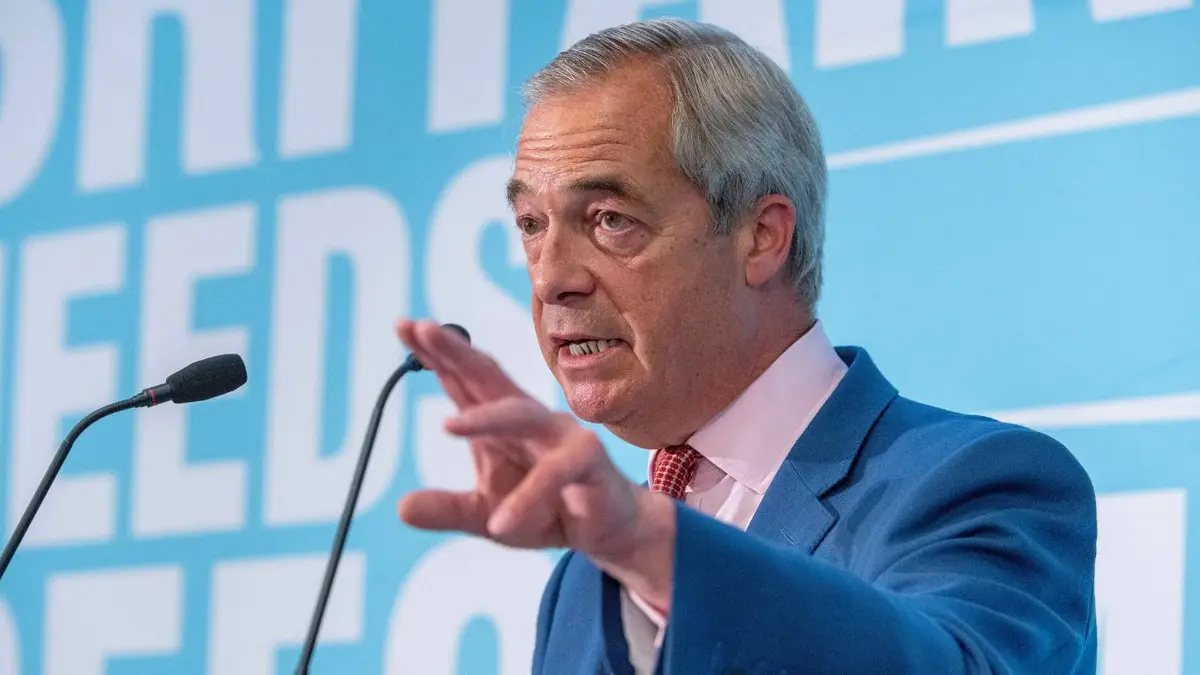
A storm of controversy has engulfed British politics after Reform UK leader Nigel Farage declined to distance himself from unproven claims made by US President Donald Trump linking the use of paracetamol to autism. The remarks, made during an interview on LBC, immediately drew criticism from health experts, politicians across party lines, and campaigners who accused Farage of indulging in dangerous “anti-science rhetoric” at a time when public trust in medicine is already fragile.
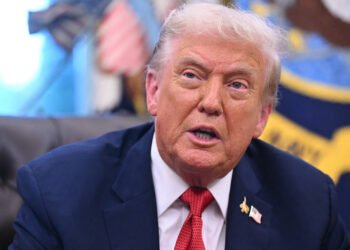
The row began after President Trump, in a statement from the Oval Office, claimed that there had been a “meteoric rise” in autism cases in recent decades and suggested a possible link to Tylenol, the US brand name for paracetamol. Medical regulators and specialists in both the United States and the United Kingdom responded swiftly, warning that such remarks had no scientific basis and risked causing unnecessary alarm among millions of patients, particularly pregnant women who often rely on paracetamol as one of the few safe pain-relief options available during pregnancy.

Asked on LBC by presenter Nick Ferrari whether he accepted Trump’s claim, Farage replied: “I have no idea. You know, we were told thalidomide was a very safe drug and it wasn’t. Who knows, Nick, I don’t know.” He went on to argue that science should not be treated as “settled” and refused to side with the medical consensus. “I wouldn’t, when it comes to science, I don’t side with anybody. I don’t side with anybody, you know, because science is never settled, and we should remember that,” he said. Farage suggested that Trump’s position may be motivated by personal reasons, noting: “He has a particular thing about autism – I think because there’s been some in his family, he feels it very personally.”
The comments immediately drew condemnation from Health Secretary Wes Streeting, who posted on X that Farage was “the snake oil salesman of British politics and it’s time to stop buying his rubbish.” Streeting accused the Reform UK leader of lacking both evidence and courage. “No idea and no backbone. This is a man whose health adviser claimed at Reform’s Conference that the Covid vaccine gave the Royal Family cancer. Anti-science, anti-reason, anti-NHS. Farage is the snake oil salesman of British politics,” Streeting said in a post that quickly went viral.
Streeting also took the unusual step of issuing a direct reassurance to pregnant women, urging them to “pay no attention whatsoever” to Trump’s claims and to continue trusting medical advice. “I trust doctors over President Trump, frankly, on this. There is no evidence to link the use of paracetamol by pregnant women to autism in their children. None,” he stated.
The backlash was not confined to Labour ministers. Helen Morgan, the Liberal Democrat health spokesperson, added her voice to the chorus of criticism, accusing Farage of attempting to “import Trump’s dangerous anti-science agenda into the UK.” She argued: “Peddling this kind of nonsense is irresponsible and wrong. It seems Farage would rather see pregnant women suffer in pain than stand up to his idol Donald Trump.”
Medical experts were equally unequivocal. Dr Steven Fleischman, president of the American College of Obstetricians and Gynecologists, described Trump’s remarks as “dangerously simplistic” and “not backed by the full body of scientific evidence.” He explained that while research continues into autism and its causes, no credible study has ever established a causal link between paracetamol use during pregnancy and autism. “Studies that have been conducted in the past show no clear evidence that proves a direct relationship between the prudent use of acetaminophen during any trimester and fetal developmental issues,” he said.
British academics voiced similar concerns. Dr Monique Botha, associate professor in social and developmental psychology at Durham University, said: “I am confident in saying that no relationship exists. Pain relief for pregnant women is woefully lacking and paracetamol is a much safer option during pregnancy than any alternative.” She warned that spreading unfounded fears could have real-world consequences, leaving expectant mothers anxious and potentially in avoidable pain.
The timing of the controversy could not be more sensitive. In both the United States and the United Kingdom, vaccine hesitancy and mistrust in medical authorities remain serious challenges in the aftermath of the Covid-19 pandemic. Trump has previously faced criticism for statements that appeared to undermine scientific consensus on vaccines, climate change, and public health. Farage’s refusal to dismiss Trump’s remarks has therefore been interpreted by critics as a worrying attempt to align himself with the populist leader’s “anti-expert” agenda.
For Farage, however, the episode fits into his long-standing political strategy of framing himself as a challenger to the establishment. By refusing to side with scientists or politicians, he positions himself as a defender of “ordinary people’s scepticism” about institutions. Yet this approach has increasingly provoked resistance from mainstream figures who argue that public health is not an arena for reckless speculation.
The clash also underscores the growing international dimension of political discourse, where statements made in Washington reverberate instantly in London. Farage has cultivated close ties with Trump for years, and his latest remarks appear designed to maintain that bond, even at the risk of alienating moderate voters at home. The criticism from Streeting and Morgan suggests that opposition parties see an opportunity to portray Farage not just as a populist but as a dangerous peddler of misinformation.
As the debate continues, the practical implications are stark. Health officials are worried that pregnant women might now be reluctant to take paracetamol, despite its long-standing safety record, potentially leading to unmanaged pain and unnecessary distress. The National Health Service has moved quickly to reiterate official guidance that paracetamol remains the recommended painkiller during pregnancy when used as directed.

In the coming days, pressure is likely to grow on Farage to clarify his stance. While he has stopped short of endorsing Trump’s claim, his refusal to disavow it outright has already inflamed tensions and given his opponents fresh ammunition. Whether this controversy fades as another flashpoint in the culture wars or lingers as a serious political liability may depend on how Farage and his party handle the fallout.
What remains clear is that science, public trust, and political responsibility have once again collided in Britain’s fractious debate over leadership and truth. In the words of Dr Botha, “We must not let misinformation dictate medical choices. The health of women and children depends on evidence, not rhetoric.”
Related News:
 Kinnock’s Rebuke Echoes Loudly as Corbyn Allies Launch Left-Wing Breakaway: “A Gift to Farage”
 Two Decades Since 7/7: King Charles III Leads Nation in Honouring Victims of London’s Deadliest Terror Attack
 Tories in Turmoil as Sir Jake Berry’s Defection to Reform Sparks Fears of Further Exodus
 Ed Miliband Faces Setback as Government Quietly Shelves Divisive ‘Zonal Pricing’ Energy Policy
 Starmer Seeks to Regain Momentum with Summer ‘Refresh’ Amid Political Pressures and Party Fractures
 “I Feel English”: Young Migrant’s Dream of Britain Amid Political Pressure Over Channel Crossings
 Concerns Mount Over Potential 27% Council Tax Hike in London Under Angela Rayner’s Redistribution Plan
 UK and Norway Forge Stronger Ties Through Joint Sanctions and Enhanced Defence Cooperation
 Runcorn and Helsby By-Election Emerges as Crucial Test of Political Winds
 Trump Administration Dismisses 17 Immigration Judges, Sparking Debate Over Judicial Independence
 Justice Deferred, Not Denied: Government Orders Full Statutory Inquiry into Orgreave Clash Four Decades On
 Lammy Condemns Israel’s Targeting of Starving Palestinians: Sanctions Threatened Amid Global Outrage
 Netanyahu Announces Plan to Take Over Gaza City, Escalating Conflict Further
 Prominent Al Jazeera Journalist Anas al-Sharif Among Five Reporters Killed in Israeli Airstrike on Gaza
 Rayner Warns Farage’s Reform UK Could ‘Fail a Generation of Young Women’ in Online Safety Row
 British Council in Kyiv ‘Severely Damaged’ by Russian Missile Strike
 Commons Speaker Warns UK Parliament Vulnerable to Foreign Espionage After China-Linked Case Dropped
 “Social Housing Crisis in England: Tenant Complaints Soar Amid Dangerous Living Conditions”
 Denmark Investigates Professional Drone Incursions Across Multiple Airports, No Evidence of Russian Involvement
 Sir Sadiq Khan Accuses Trump of Racism and Islamophobia Following UN Remarks
 Tony Blair Considered for Leadership Role in Transitional Gaza Authority
 Trump Seeks Breakthrough in Israel-Gaza Peace Talks
 Japan’s First Female Governing-Party Leader Emerges Amid Ultra-Conservative Politics
 Misinformation and Political Pressure Force Weston-super-Mare to Abandon Refugee Sanctuary Plan
 UK Police to Gain New Powers to Manage Repeated Protests, Home Office Announces
 Trump Hails Gaza War’s End, Pushes for Middle East Peace
 Prince Andrew Hosted Epstein Days Before Arrest
 Out of reach: stalled newbuilds leave Labour’s social housing targets in tatters
 Zarah Sultana Launches Party to Change Politics
 Mikie Sherrill Elected New Jersey’s Governor in Key Win
 Who is Rama Duwaji? What Zohran Mamdani’s wife has said about Gaza and ICE as he’s elected NYC mayor
 Hannibal Gaddafi Freed After Nearly a Decade in Lebanon
 Pressure Mounts on Starmer to Sack Chief of Staff Over Briefing Row
 US Justice Department Files Lawsuit Against California Over Partisan Voting Maps
 South Sudan President Removes Vice-President Amid Political Uncertainty
 UK Asylum Reforms: Temporary Refugee Status and Faster Deportations
 UN Security Council Approves Trump’s Gaza Peace Plan
 South African Detained After Neo-Nazi Rally in Australia
 Minister Defends Tough New Asylum Reform Plan
 UK Net Migration Falls Sharply After ONS Revisions
 Only One Republican Opposes Mass Release of Epstein Files
 Congress Approves Release of Epstein Files, Trump Expected to Sign
 UK Vulnerable to Attack, Defence Committee Finds
 Rapper Nicki Minaj Highlights Threats to Christians in Nigeria
 Paramilitary Murals and Memorials Persist on Public Housing Land
 Bangladesh Families Call for Hasina’s Return and Execution
 Philippines Flood Fund Scandal: Top Ministers Step Down
 Rama Rebukes Mahmood for Targeting Albanian Families
 Russian Vessel Used Lasers on RAF Pilots, UK Claims
 MP Offers Seat to Help Burnham Challenge Starmer
 Senedd Suspends Politician Over Offensive Racial Slur
 Pentagon Officials in Ukraine to Discuss War End
 Trump Slams Democrats With ‘Seditious’ Death Claim
 WhatsApp Messages Expose Nathan Gill’s Bribery
 Venezuela Threatens Nobel Winner Machado with Fugitive Status
 Texas Governor Faces Lawsuit From CAIR
 English Mayors Set to Introduce Tourist Taxes
 Ex-Classmate Accuses Farage of Dishonesty on Racism Claims
 Trump Envoy to Discuss Ukraine Peace at Kremlin
 Millions Face Higher Taxes Under Reeves New Budget
 Peers Get Extra Time to Debate Assisted Dying Bill
 Planned Palestinian Flag Raising at Belfast City Hall Faces Delay Amid Legal Concerns
 Pope Leo XIV Begins Historic Trip to Turkey and Lebanon
 Zambia’s President Faces Stone-Throwing Anger Amid Challenges
 UK Military Chiefs Warn Funding Gap Threatens Defence
 India’s Labour Law Overhaul Sparks Fierce Debate
 Video shows Israeli troops kill Palestinians after surrender
 Trump to Recheck Green Cards from 19 Nations After DC Attack
 Ex-Brexit MEP Rejects Claim of Pro-Russia Payments
 Labour U-turn: Unfair Dismissal Rights Delayed Six Months
 Government righting decades-old injustice for miners
 Guinea-Bissau President Flees After Military Coup
 Ukraine Anti-Corruption Agents Search Zelensky Adviser
 Jordan Bardella: France’s Young Presidential Contender
 Chinese & Japanese Boats Clash Near Disputed Islands
 Putin Meets US Envoy Amid Key Ukraine Peace Talks
 Kremlin Talks With US Yield No Ukraine Peace Breakthrough
 Farage Predicts Reform-Tories Deal Before Next Election
 Republicans Hold Tennessee Seat Despite Democratic Surge
 Franklin Turtle, Sabrina Carpenter Slam US Social Media Use