Published: 08 October 2025. The English Chronicle Online.
In a groundbreaking development, scientists from the University of East Anglia (UEA) and Oxford Biodynamics (OBD) have announced the creation of what may be the world’s first blood test capable of diagnosing myalgic encephalomyelitis, more commonly known as chronic fatigue syndrome (ME/CFS). The condition, which affects tens of thousands in the UK alone, has historically lacked a definitive diagnostic test, leaving patients to rely on symptom reporting and clinical judgment, often resulting in years of misdiagnosis or delayed recognition.
Prof Dmitry Pshezhetskiy, lead researcher from UEA’s Norwich Medical School, described the significance of the discovery. “ME/CFS is a serious and often disabling illness characterised by extreme fatigue that is not relieved by rest. We know that some patients report being ignored or even told that their illness is ‘all in their head’. With no definitive tests, many patients have gone undiagnosed or misdiagnosed for years. We wanted to see if we could develop a blood test to diagnose the condition – and we did. Our discovery offers the potential for a simple, accurate blood test to help confirm a diagnosis, which could lead to earlier support and more effective management.”

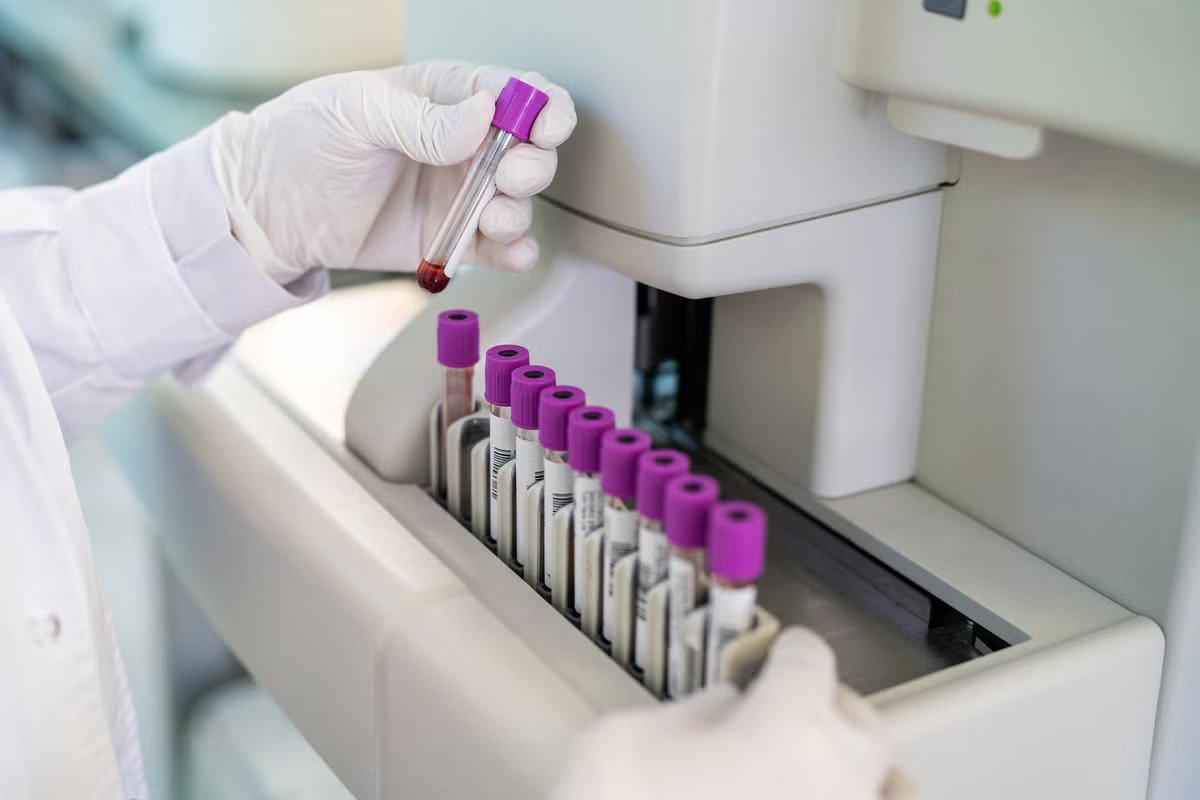
The research focused on epigenetic markers, specifically the way DNA is folded in patients with ME/CFS. The study examined blood samples from 47 individuals diagnosed with severe ME/CFS and 61 healthy adults. Scientists identified a distinctive pattern present consistently among the patients but absent in healthy controls. This breakthrough allowed the team to develop a test that, according to their publication in the Journal of Translational Medicine, demonstrates a sensitivity of 92% — meaning it correctly identifies 92% of individuals with the condition — and a specificity of 98%, correctly ruling out those without it.
Alexandre Akoulitchev, chief scientific officer at OBD, highlighted the importance of epigenetic markers. “Chronic fatigue syndrome is not a genetic disease you’re born with, that’s why using EpiSwitch ‘epigenetic’ markers — which can change during a person’s life, unlike fixed genetic code — was key to reaching this high level of accuracy.”
The potential for a reliable diagnostic blood test is being hailed as a significant step forward for patients and healthcare providers alike. ME/CFS is characterised by debilitating fatigue, post-exertional malaise, cognitive difficulties, and a variety of other symptoms that severely impact quality of life. The absence of a straightforward diagnostic tool has long posed challenges for both early detection and effective management.
Despite the excitement, some experts urge caution and stress the need for further validation. Dr Charles Shepherd, medical adviser for the ME Association, acknowledged the progress while noting that additional research is essential. “These results, using epigenetic profiling, appear to be an important step forward in the search for a diagnostic blood test. However, a diagnostic blood test has to be both highly sensitive and specific to that condition. We need to know whether the abnormality is consistently present in the very early stages of ME/CFS as well as in people with longstanding disease who have mild or moderate ME/CFS. We also need to ensure it is not present in other chronic inflammatory and autoimmune diseases that can mimic ME/CFS symptoms.”
Prof Chris Ponting, chair of medical bioinformatics at the University of Edinburgh, echoed these concerns, warning that some of the claims may be premature. “This test needs to be fully validated in better-designed and independent studies before it is considered for clinical application. Even if validated, the test will be expensive, likely around £1,000.”
Nonetheless, the research represents a crucial step toward addressing the long-standing challenges faced by ME/CFS patients. Currently, diagnosis relies on clinical evaluation, patient history, and the exclusion of other potential causes, which can delay appropriate treatment and support. A reliable blood test could transform patient care, allowing clinicians to confirm diagnoses quickly and initiate targeted interventions much earlier.

The study underscores the growing role of epigenetics in medical diagnostics. By analyzing chemical modifications and structural changes in DNA, scientists are uncovering ways to detect complex diseases that traditional genetic tests cannot identify. For ME/CFS, these insights may pave the way for a more objective, scientifically grounded diagnostic approach, providing hope to patients who have often struggled with disbelief and stigma regarding their condition.
While the test is not yet ready for routine clinical use, the discovery signals a major advancement in understanding ME/CFS and offers optimism for future research into treatments and disease management strategies. Experts agree that continued investigation, larger patient cohorts, and independent validation will be crucial before the test can be widely adopted.
For patients, healthcare providers, and researchers alike, the potential of a diagnostic blood test marks a pivotal moment in the ongoing effort to recognize and treat one of the most misunderstood and debilitating chronic illnesses. The coming months and years will determine whether this scientific breakthrough can translate into real-world clinical practice, ultimately improving the lives of those affected by ME/CFS.
Related News:
 UK Launches World-First Gonorrhoea Vaccine Amid Record Infection Surge
 AI Tools Used by English Councils Found to Downplay Women’s Health Issues, Raising Concerns Over Gender Bias in Care
 Breakthrough Clinical Trial Lets 12-Year-Old Boy with Rare Skin Disorder Play Football
 Hot Tea and Coffee Found to Contain Highest Levels of Microplastics in Popular Drinks
 Expanded Access to Health Diagnostics in England Now Available Beyond Standard Hours
 Shocking Rise in Children’s Exposure to Violent Online Pornography Raises Alarm
 Ed Davey Urges UK to Attract US Cancer Scientists Amid Funding Cuts Under Trump
 Omeprazole Alert: NHS Issues Guidance on Safe Use for Heartburn and Indigestion
GPs in England Warn of Overload as Nationwide Online Appointment System Approaches
Omeprazole Alert: NHS Issues Guidance on Safe Use for Heartburn and Indigestion
GPs in England Warn of Overload as Nationwide Online Appointment System Approaches
 Eligibility Confusion Over COVID Vaccination Leaves Pharmacies Struggling Across the UK
 Majority of UK Men Would Opt for Prostate Cancer Screening, Survey Finds
 NHS May Pay 25% More for Medicines Amid US Drug Talks
 Survey Shows Most GPs Rushing Appointments
 Genetic Tests May Predict Return of Blood Cancer
 UK Woman Becomes Longest Survivor of Heart-Lung Transplant
 Thousands in the UK sue Johnson & Johnson over alleged talcum powder, linked to cancer
 ‘Game-Changing’ HIV Prevention Jab Set for NHS Approval
 Breath test could ‘revolutionise’ pancreatic cancer treatment
 How Bringing Forests Into Preschools Boosts Children’s Health
 Experts Urge Legal Right to Timely Cancer Care
 Patients to Test Health at Home to Ease NHS Winter Pressure
 North Sea oil workers must lose weight or face job loss
 No link found between paracetamol in pregnancy and autism
 UK launches major AI drive to fight deadly superbugs
 Coffins Now Too Large to Cremate Amid Rising Obesity Crisis
 Thinktank Urges Smaller Hospitals to End NHS ‘Permacrisis’
 NHS paediatric leave parents waiting months for answers
 Concerns Mount Over Accuracy of At-Home Health Tests as Study Calls for Stricter Regulation
 The Ketamine Crisis in the UK is a Silent Epidemic Leaving Users with Lifelong Pain
 How to Exit Your Broadband Contract Without Paying Exit Fees
 Unseen Killers of the Deep Inside the UK Lab Uncovering the Silent Deaths of Sea Creatures
 Woman Warned She Might Need Leg Amputation to Survive After Liquid Brazilian Butt Lift
 Cats Develop Dementia Similarly to Humans, Study Finds
 Alarming rise in abusive teen relationships in the UK sparks urgent warnings
 Inquest Finds Agency Worker Failings Led to Unlawful Death of Vulnerable 14-Year-Old
 Baby Food Manufacturers Given 18 Months to Improve Nutrition and Labelling
 Ed Davey Urges Government to Block Elon Musk’s Tesla from Supplying UK Home Energy
 Why E-Bikes and E-Scooters Are Making Streets a ‘Nightmare’ for Blind People
 Millions in the UK at Higher Risk of Heart Failure and Stroke Due to Air Pollution, Study Warns
 Norfolk Hospital Ranked Worst in England as NHS League Tables Return
 More Than Half of UK Births Now Involve Medical Intervention
 British Pilot Joins Crew Training for Year-Long Mars Simulation Mission
 UK Graduates in Healthcare Report Highest Satisfaction with Degree Choices
 Jaguar Land Rover Extends Production Halt Following Cyber-Attack
 Systemic Racism in Maternity Care Continues to Endanger Black Women in England, MPs Warn
 One in Three GPs in England Do Not Work in NHS, Raising Concerns Over Access to Care
 Persistent Offenders Owe Over £700m in Ulez Fines as TfL Cracks Down on Evasion
 UK Doctors Guilty of Sexual Misconduct Continue Practising Amid Weak Sanctions, Research Finds
 British AI Startup Outshines Human Forecasters in Global Prediction Contest
 Heavy Drinkers Lead Growth in Non-Alcoholic and Low-Alcohol Market
 UK Fighter Jet Purchase Could Breach Nuclear Treaty, Warns CND
 Starmer Unveils Plan for NHS “Online Hospital” to Tackle Waiting Lists
 Questions Remain as Rugby Legend Lewis Moody Faces Motor Neurone Disease Diagnosis
 Millions in the UK at Risk of Cyber-Attacks as Microsoft Ends Windows 10 Updates, Warns Which?
 Cooper Unveils £4m Cyber Plan Against Russian Hackers
 Yvette Cooper Backs Digital ID Plan for UK Teens
 Ambulance Worker Fired After Flinging Amputee from Wheelchair and Offering Bribe
 Women Challenge Meta Over Targeted Ads After Miscarriage
 Mum’s Final Wish: Donating Her Body to Science
£18 Prostate Cancer Test Could Save Thousands of Lives
Mum’s Final Wish: Donating Her Body to Science
£18 Prostate Cancer Test Could Save Thousands of Lives
 Labour MPs Warn Digital ID Scheme Risks Cost and Support
Pregnant Women in England Face Rising Risk of Severe Birth Injury
Labour MPs Warn Digital ID Scheme Risks Cost and Support
Pregnant Women in England Face Rising Risk of Severe Birth Injury
 Reform UK candidate fined £19,000 after using AI-generated cases to challenge election
 Harry and Meghan join global AI leaders urging superintelligence ban
 One in 12 Secondary Pupils Sent to Isolation Weekly
 Met Launches Drones to Respond Rapidly to 999 Calls
 UK Health Leaders Push for Urgent Tobacco & Vape Bill
 Hospice Cuts Raise Alarm Across England Amid Funding Crisis
 Celebrities and Charities Demand UK Government Act on Child Poverty
 Experts Warn on Home Birth Risks, Call for Skilled Midwives
 London’s Childlessness Crisis: Schools Closing as Families Shrink
 Government urges schools to ban phones to curb classroom disruption
 Valve Opens the Door for Android Games on Steam
Working-Class Men with Prostate Cancer Left Behind by NHS
Valve Opens the Door for Android Games on Steam
Working-Class Men with Prostate Cancer Left Behind by NHS
 From Baby Teeth to Bioengineering: The Future of Self-Healing Teeth
 ‘Traumatic Wait’: Northern Ireland Women Face Breast Cancer Delays
 Healthy Habits in Your 30s That Boost Life in Your 70s
 UK Taskforce Unveils Plan to Streamline Nuclear Reactor Rules
 Fibromyalgia Patients Struggle as NHS Fails to Provide Care
 “Enough is Enough”: Local MP Vows to Fight Rainham Quarry Plans