Published: 11 November 2025. The English Chronicle Desk. The English Chronicle Online.
Hannibal Gaddafi, the youngest son of Libya’s deposed dictator Muammar Gaddafi, has been released from detention in Lebanon after nearly ten years without trial. The 49-year-old, who had been held since 2015, was freed after the payment of a reduced bail, ending a prolonged period of legal limbo that human rights groups have consistently criticised as arbitrary and unjust.
Lebanese authorities had accused Hannibal Gaddafi of withholding information regarding the disappearance of Lebanese Shia cleric Musa al-Sadr in Libya in 1978, a case that has remained a source of tension between the two countries for decades. At the time of the cleric’s disappearance, Hannibal Gaddafi was merely two years old, and experts and advocates have noted that he held no position of authority or influence in Libya as an adult. Nonetheless, the Lebanese judicial system pursued the case against him for nearly a decade, resulting in international scrutiny and condemnation.
According to Hannibal Gaddafi’s lawyer, Laurent Bayon, the $900,000 (£682,938) bail that secured his client’s release has been paid, bringing what Bayon described as “the end of a nightmare for him that lasted ten years.” He added that the decision by Lebanese authorities to finally release Hannibal followed an appeal that successfully reduced a previous $11 million bail set by a judge in October. The lawyer also confirmed that Hannibal will be departing Lebanon for a “confidential” destination, reflecting ongoing concerns for his privacy and security.

Hannibal Gaddafi’s detention has been marked by extraordinary circumstances. In 2015, he was briefly abducted by an armed group in Lebanon before being released and later formally detained by Lebanese authorities. His prolonged detention without trial drew widespread criticism from human rights organisations, which condemned the case as a glaring example of arbitrary imprisonment and questioned the independence of the Lebanese justice system. Bayon remarked that Hannibal’s decade-long detention “was possible because the justice system was not independent,” highlighting systemic flaws that allowed such a prolonged confinement to occur.
The youngest Gaddafi had previously lived in exile following the overthrow and killing of his father in 2011. Initially, he fled to Syria before relocating to Oman, where he lived under house arrest alongside his wife, Aline Skaf. Prior to the fall of his father’s regime, Hannibal Gaddafi was known for his opulent lifestyle, often drawing media attention for his luxury and wealth. However, his personal history has been overshadowed in recent years by his lengthy legal ordeal in Lebanon, which has now come to an end.
The disappearance of Musa al-Sadr has remained one of the most sensitive political issues in the region, with Lebanon and Libya navigating decades of diplomatic tensions over the unresolved case. While the cleric’s disappearance occurred in 1978, and Hannibal was only a toddler at the time, Lebanese authorities maintained that his potential knowledge warranted legal scrutiny. Critics, however, have argued that the focus on Hannibal was misplaced and that the prolonged detention raised serious concerns about due process and the treatment of individuals under international human rights standards.
Hannibal Gaddafi’s release has sparked a mix of relief and reflection among observers. For his family, the release marks the end of a protracted chapter of uncertainty and legal entanglement. For legal experts and human rights advocates, the case has become emblematic of the challenges in ensuring fair and independent judicial proceedings, particularly in politically sensitive cases involving high-profile figures.
Lebanese judicial and security authorities have yet to release a detailed statement on the rationale behind the bail reduction and the release, but the development is expected to ease long-standing diplomatic and legal pressures. Analysts suggest that Hannibal Gaddafi’s departure from Lebanon will likely be carried out discreetly to prevent further political complications, while his future movements and potential engagement in public life remain uncertain.
International media and legal observers have highlighted the significance of the case in demonstrating the interplay between politics, justice, and human rights in the Middle East. Hannibal Gaddafi’s decade-long detention has been cited in reports examining the potential for abuse in judicial systems when high-profile cases intersect with unresolved political disputes. His release, therefore, may be viewed as a corrective step, albeit one arriving after years of hardship and uncertainty.

The case also underscores the lingering legacies of Libya’s Gaddafi era and the complex repercussions for family members of deposed leaders. While Hannibal Gaddafi himself was never politically active in a way that influenced Libya’s governance post-2011, his association with his father’s regime and the unresolved disappearance of a religious figure positioned him at the center of a prolonged legal and political saga.
As Hannibal Gaddafi leaves Lebanon, attention now shifts to his future and the ongoing efforts to address historical grievances related to the disappearance of Musa al-Sadr. The cleric’s disappearance continues to resonate within Lebanese society and Shia communities, and while Hannibal’s release may resolve his personal predicament, the broader historical and political issues surrounding the case remain unresolved.
For Hannibal Gaddafi, the decade-long detention represents a profound personal ordeal, with years spent in confinement without trial, under intense international scrutiny. His release not only ends a significant chapter of his life but also raises broader questions about justice, accountability, and the treatment of individuals caught in politically charged cases.
As he departs Lebanon, the world will watch closely to see how Hannibal Gaddafi rebuilds his life and navigates the challenges and opportunities that lie ahead. His release stands as both a moment of relief and a poignant reminder of the intricate intersections of law, politics, and human rights in a region marked by historical complexities.
Related News:
 Kinnock’s Rebuke Echoes Loudly as Corbyn Allies Launch Left-Wing Breakaway: “A Gift to Farage”
 Tories in Turmoil as Sir Jake Berry’s Defection to Reform Sparks Fears of Further Exodus
 Starmer Seeks to Regain Momentum with Summer ‘Refresh’ Amid Political Pressures and Party Fractures
 “I Feel English”: Young Migrant’s Dream of Britain Amid Political Pressure Over Channel Crossings
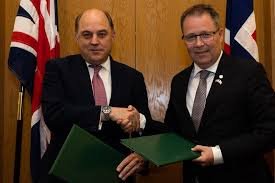 UK and Norway Forge Stronger Ties Through Joint Sanctions and Enhanced Defence Cooperation
 Nation Mourns as Former Nigerian President Muhammadu Buhari Passes Away in London
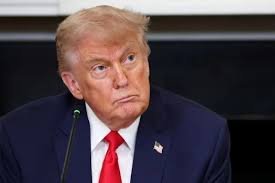 Trump Administration Dismisses 17 Immigration Judges, Sparking Debate Over Judicial Independence
 WHO Condemns Israeli Attacks on Gaza Facilities as Humanitarian Crisis Deepens
 Lammy Condemns Israel’s Targeting of Starving Palestinians: Sanctions Threatened Amid Global Outrage
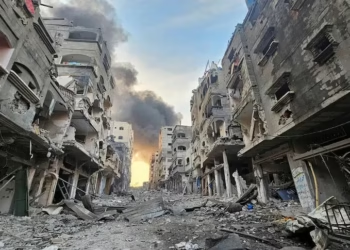 Netanyahu Announces Plan to Take Over Gaza City, Escalating Conflict Further
 Prominent Al Jazeera Journalist Anas al-Sharif Among Five Reporters Killed in Israeli Airstrike on Gaza
 Denmark Investigates Professional Drone Incursions Across Multiple Airports, No Evidence of Russian Involvement
 Sir Sadiq Khan Accuses Trump of Racism and Islamophobia Following UN Remarks
 Tony Blair Considered for Leadership Role in Transitional Gaza Authority
 Trump Seeks Breakthrough in Israel-Gaza Peace Talks
 Japan’s First Female Governing-Party Leader Emerges Amid Ultra-Conservative Politics
 Misinformation and Political Pressure Force Weston-super-Mare to Abandon Refugee Sanctuary Plan
 Trump Hails Gaza War’s End, Pushes for Middle East Peace
 Mikie Sherrill Elected New Jersey’s Governor in Key Win
 Britain deploys RAF specialists to assist Belgium with drone threats
 US Justice Department Files Lawsuit Against California Over Partisan Voting Maps
 December Run-Off in Chile as Election Produces No Winner
 UN Security Council Approves Trump’s Gaza Peace Plan
 Congress Approves Release of Epstein Files, Trump Expected to Sign
 Shadow Fleet at Sea: Europe’s Battle Against Illicit Oil Shipping
 Rapper Nicki Minaj Highlights Threats to Christians in Nigeria
 Rama Rebukes Mahmood for Targeting Albanian Families
 Russian Vessel Used Lasers on RAF Pilots, UK Claims
 Pentagon Officials in Ukraine to Discuss War End
 WhatsApp Messages Expose Nathan Gill’s Bribery
 India’s COP30 Delay Raises Global Climate Concerns
 Venezuela Threatens Nobel Winner Machado with Fugitive Status
 Texas Governor Faces Lawsuit From CAIR
 Trump Envoy to Discuss Ukraine Peace at Kremlin
 Pope Leo XIV Begins Historic Trip to Turkey and Lebanon
 Georgians Defy Government Crackdown After Year of Protests
 Putin Intensifies Territorial Demands Before US Talks
 India’s Labour Law Overhaul Sparks Fierce Debate
 Video shows Israeli troops kill Palestinians after surrender
 Trump to Recheck Green Cards from 19 Nations After DC Attack
 Chinese & Japanese Boats Clash Near Disputed Islands
 Putin Meets US Envoy Amid Key Ukraine Peace Talks
 Kremlin Talks With US Yield No Ukraine Peace Breakthrough
 UK Must Act with Courage and Clarity on Israel-Palestine Conflict, Says Foreign Affairs Committee Report
 Northern Ireland Family of Three Shot Dead in Maguiresbridge Home Incident
 Trump Threatens 100% Tariff on Nations Importing Russian Oil Amid India Standoff Over Ukraine War
 Radioactive Leak at UK’s Nuclear Warhead Base Sparks Outcry Over Safety and Secrecy
 Mutual Inconvenience: Why Alaska Was Chosen for the Trump-Putin Summit on Ukraine
 Hong Kong Summons UK and Australian Envoys Following Asylum Grants to Democracy Activists
 Is the UK Ready to Put Boots on the Ground in Ukraine? Assessing Military Capacity and Challenges
 Costa Blanca Holiday Horror as Food Poisoning Outbreak Hits Four-Star Hotel
 Conservative Influencer Charlie Kirk Fatally Shot During University Debate
 Channel Crossings Surge: Over 1,000 People Arrive in the UK in Small Boats in a Single Day
 Widow of Charlie Kirk Forgives Killer at Emotional Memorial Service
 Public Executions in Gaza City Captured on Video Amid Ongoing Conflict
 Macron Phones Trump Over Traffic Jam in New York
 Comey Indictment Deepens Fears of Political Retribution Under Trump
 Yvette Cooper Signals Global Momentum Towards Gaza Peace Deal Amid Humanitarian Crisis
 “It Was Very Tough, But I Love Life”: Former Israeli Hostage Rebuilds Life After Family Killed by Hamas
 Chaos at Ibrox as Martin’s Rangers Era Comes to an End
 Arsenal Showcase Depth and Flexibility as Arteta Eyes Title Challenge
 Nobel Prize Honours Pioneers Behind Materials That Could Heal the Planet
 Public Trust in SNP Hits Historic Low Amid NHS Concerns
 Johnson Suggests Mandelson Linked to China Spy Controversy
 Trump Claims Modi Has Agreed to Halt Russian Oil Imports Amid Heightened US Pressure
 Rachel Reeves signals welfare reform ahead of key budget
 Russia’s Latest Push to Win US Favors Shows Deep Desperation
 Army Barracks to House Migrants as Hotels Phase Out
 Zarah Sultana Launches Party to Change Politics
BBC to Apologise Over Edited Trump Speech Amid Backlash
Zarah Sultana Launches Party to Change Politics
BBC to Apologise Over Edited Trump Speech Amid Backlash
 Pressure Mounts on Starmer to Sack Chief of Staff Over Briefing Row
 Trump Deploys DHS to Charlotte in Major Arrest Operation
 Orban Says Ukraine Has ‘No Chance’ as EU Support Continues
 Israeli Strike Kills 13 Near Palestinian Camp in Lebanon
 Haiti Qualifies for World Cup Despite Coach Never Visiting Country
 Vietnam Battles Deadly Floods as Rains Continue
 Millions Face Higher Taxes Under Reeves New Budget
 Two National Guard Soldiers Critically Injured Near White House
 Sri Lanka Floods Leave 56 Dead, Dozens Missing
 Jordan Bardella: France’s Young Presidential Contender