Published: 10th June 2025
The English Chronicle Online
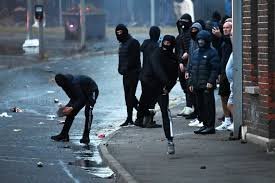
Northern Ireland has been gripped by a wave of violent unrest following allegations of a sexual assault against a teenage girl in Ballymena, with riots rapidly spreading to Belfast, Portadown, Derry, and several other towns. The disturbances, which began on 9 June, have seen widespread arson, vandalism, petrol bomb attacks, and fierce clashes between rioters and police, leaving over 100 officers injured and resulting in more than 50 arrests. Authorities have pointed to rising anti-immigrant sentiment and deep-seated sectarian divisions as key factors fueling the chaos.
The unrest was initially triggered by reports of an alleged sexual assault involving a minor, which circulated rapidly on social media and local messaging platforms. While police investigations are ongoing, the incident has inflamed long-standing tensions, with far-right groups and sectarian factions exploiting the situation to incite violence. In Ballymena, crowds gathered in protest before the demonstration spiraled into disorder, with masked individuals setting vehicles ablaze and attacking property.
By nightfall, the violence had spread to Belfast, where rioters clashed with police in loyalist and republican strongholds alike. Petrol bombs and fireworks were hurled at officers, while businesses and public infrastructure were targeted in coordinated acts of vandalism. In Portadown and Derry, similar scenes unfolded, with mobs blocking roads, torching cars, and engaging in running battles with law enforcement. The Police Service of Northern Ireland (PSNI) has deployed additional resources, including water cannons and armored vehicles, in an effort to restore order.
Political leaders from across the spectrum have condemned the violence, urging calm and emphasizing the need for due process in the investigation of the alleged assault. First Minister Michelle O’Neill described the riots as “utterly unacceptable,” stressing that “no grievance justifies the destruction of our communities.” Meanwhile, Secretary of State for Northern Ireland called for unity, warning that those responsible for the violence were seeking to destabilize the region.
Community workers and local activists have expressed concern over the role of online misinformation in escalating tensions. Unverified claims and inflammatory rhetoric have been widely shared on social media, exacerbating public anger. Analysts warn that the situation risks further polarization, particularly given Northern Ireland’s fragile political landscape in the post-Brexit era.
As authorities work to contain the unrest, questions remain over the long-term implications of the riots. With sectarian and anti-immigrant rhetoric gaining traction, there are fears that the violence could deepen divisions unless decisive action is taken to address underlying grievances. For now, the PSNI remains on high alert, bracing for further disturbances as tensions show no immediate signs of abating.
Related News:
 Kinnock’s Rebuke Echoes Loudly as Corbyn Allies Launch Left-Wing Breakaway: “A Gift to Farage”
 Two Decades Since 7/7: King Charles III Leads Nation in Honouring Victims of London’s Deadliest Terror Attack
 Tories in Turmoil as Sir Jake Berry’s Defection to Reform Sparks Fears of Further Exodus
 Ed Miliband Faces Setback as Government Quietly Shelves Divisive ‘Zonal Pricing’ Energy Policy
 Starmer Seeks to Regain Momentum with Summer ‘Refresh’ Amid Political Pressures and Party Fractures
 “I Feel English”: Young Migrant’s Dream of Britain Amid Political Pressure Over Channel Crossings
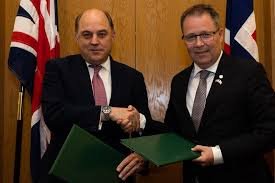 UK and Norway Forge Stronger Ties Through Joint Sanctions and Enhanced Defence Cooperation
 Runcorn and Helsby By-Election Emerges as Crucial Test of Political Winds
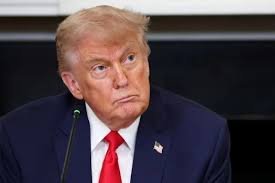 Trump Administration Dismisses 17 Immigration Judges, Sparking Debate Over Judicial Independence
 Justice Deferred, Not Denied: Government Orders Full Statutory Inquiry into Orgreave Clash Four Decades On
 Lammy Condemns Israel’s Targeting of Starving Palestinians: Sanctions Threatened Amid Global Outrage
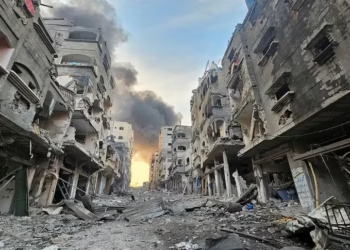 Netanyahu Announces Plan to Take Over Gaza City, Escalating Conflict Further
 Prominent Al Jazeera Journalist Anas al-Sharif Among Five Reporters Killed in Israeli Airstrike on Gaza
 Rayner Warns Farage’s Reform UK Could ‘Fail a Generation of Young Women’ in Online Safety Row
 British Council in Kyiv ‘Severely Damaged’ by Russian Missile Strike
 Commons Speaker Warns UK Parliament Vulnerable to Foreign Espionage After China-Linked Case Dropped
 “Social Housing Crisis in England: Tenant Complaints Soar Amid Dangerous Living Conditions”
 Nigel Farage Under Fire for Refusing to Dismiss Donald Trump’s Paracetamol Claims
 Denmark Investigates Professional Drone Incursions Across Multiple Airports, No Evidence of Russian Involvement
 Sir Sadiq Khan Accuses Trump of Racism and Islamophobia Following UN Remarks
 Tony Blair Considered for Leadership Role in Transitional Gaza Authority
 Trump Seeks Breakthrough in Israel-Gaza Peace Talks
 Japan’s First Female Governing-Party Leader Emerges Amid Ultra-Conservative Politics
 Misinformation and Political Pressure Force Weston-super-Mare to Abandon Refugee Sanctuary Plan
 UK Police to Gain New Powers to Manage Repeated Protests, Home Office Announces
 Trump Hails Gaza War’s End, Pushes for Middle East Peace
 Prince Andrew Hosted Epstein Days Before Arrest
 Zarah Sultana Launches Party to Change Politics
 Mikie Sherrill Elected New Jersey’s Governor in Key Win
 Who is Rama Duwaji? What Zohran Mamdani’s wife has said about Gaza and ICE as he’s elected NYC mayor
 Hannibal Gaddafi Freed After Nearly a Decade in Lebanon
 Pressure Mounts on Starmer to Sack Chief of Staff Over Briefing Row
 US Justice Department Files Lawsuit Against California Over Partisan Voting Maps
 South Sudan President Removes Vice-President Amid Political Uncertainty
 UK Asylum Reforms: Temporary Refugee Status and Faster Deportations
 UN Security Council Approves Trump’s Gaza Peace Plan
 South African Detained After Neo-Nazi Rally in Australia
 Minister Defends Tough New Asylum Reform Plan
 UK Net Migration Falls Sharply After ONS Revisions
 Only One Republican Opposes Mass Release of Epstein Files
 Congress Approves Release of Epstein Files, Trump Expected to Sign
 UK Vulnerable to Attack, Defence Committee Finds
 Rapper Nicki Minaj Highlights Threats to Christians in Nigeria
 Paramilitary Murals and Memorials Persist on Public Housing Land
 Bangladesh Families Call for Hasina’s Return and Execution
 Philippines Flood Fund Scandal: Top Ministers Step Down
 Rama Rebukes Mahmood for Targeting Albanian Families
 Russian Vessel Used Lasers on RAF Pilots, UK Claims
 MP Offers Seat to Help Burnham Challenge Starmer
 Senedd Suspends Politician Over Offensive Racial Slur
 Pentagon Officials in Ukraine to Discuss War End
 Trump Slams Democrats With ‘Seditious’ Death Claim
 WhatsApp Messages Expose Nathan Gill’s Bribery
 Venezuela Threatens Nobel Winner Machado with Fugitive Status
 Texas Governor Faces Lawsuit From CAIR
 English Mayors Set to Introduce Tourist Taxes
 Ex-Classmate Accuses Farage of Dishonesty on Racism Claims
 Trump Envoy to Discuss Ukraine Peace at Kremlin
 Millions Face Higher Taxes Under Reeves New Budget
 Peers Get Extra Time to Debate Assisted Dying Bill
 Planned Palestinian Flag Raising at Belfast City Hall Faces Delay Amid Legal Concerns
 Pope Leo XIV Begins Historic Trip to Turkey and Lebanon
 Zambia’s President Faces Stone-Throwing Anger Amid Challenges
 India’s Labour Law Overhaul Sparks Fierce Debate
 Video shows Israeli troops kill Palestinians after surrender
 Trump to Recheck Green Cards from 19 Nations After DC Attack
 Ex-Brexit MEP Rejects Claim of Pro-Russia Payments
 Labour U-turn: Unfair Dismissal Rights Delayed Six Months
 Government righting decades-old injustice for miners
 Guinea-Bissau President Flees After Military Coup
 Jordan Bardella: France’s Young Presidential Contender
 Chinese & Japanese Boats Clash Near Disputed Islands
 Putin Meets US Envoy Amid Key Ukraine Peace Talks
 Kremlin Talks With US Yield No Ukraine Peace Breakthrough
 Farage Predicts Reform-Tories Deal Before Next Election
 Republicans Hold Tennessee Seat Despite Democratic Surge
 Franklin Turtle, Sabrina Carpenter Slam US Social Media Use
 Putin visits India as Ukraine peace, trade push intensifies
 EU plans $105bn Ukraine aid using frozen Russian assets
 Global campaign launched to free Palestinian leader Barghouti