Published: 04 December 2025. The English Chronicle Desk. The English Chronicle Online
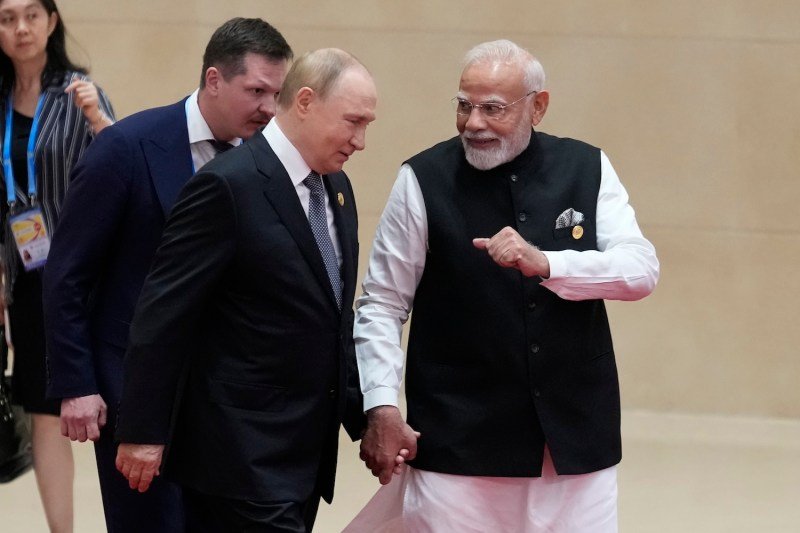
Russian President Vladimir Putin arrived in New Delhi on Thursday for his first visit to India since Russia launched its full-scale invasion of Ukraine nearly four years ago. The two-day trip comes at a moment when global pressure on Moscow to end the war is mounting and when India’s relationships with both Russia and the West face renewed scrutiny. For New Delhi, the visit marks another test of its carefully maintained balance between long-standing ties with Moscow and its deepening strategic partnership with Washington.
Putin began his visit with a private dinner hosted by Prime Minister Narendra Modi, setting the tone for what both sides describe as a significant diplomatic engagement. On Friday morning, the Russian president will receive a ceremonial welcome at Rashtrapati Bhavan, followed by a meeting with President Droupadi Murmu. He will then pay tribute at Raj Ghat before heading to Hyderabad House, where formal summit talks with Modi will take place. Business leaders from both nations are expected to join later sessions before the day concludes with a state banquet in Putin’s honour.

The Kremlin has described the visit as one of “great importance,” saying it offers an opportunity to review the entire spectrum of the “privileged strategic partnership” between India and Russia. Putin is accompanied by Defence Minister Andrei Belousov and a large delegation of officials, business leaders, and energy executives, underscoring the breadth of the agenda. Senior representatives from Russia’s defence and energy sectors, including major state-run firms, are part of the visiting team.
Defence cooperation remains at the core of the partnership. India’s interest in expanding its military capabilities, including discussions around additional S-400 air-defence systems and possible talks on the Su-57 fifth-generation fighter jet, is expected to feature prominently in the summit dialogue. Russia has long been one of India’s most important defence suppliers, even as New Delhi has diversified its military imports in recent years.
Economic cooperation is also a major focus. Both nations are preparing to sign a series of agreements aimed at boosting trade, improving market access, and addressing the significant imbalance created by India’s large-scale imports of discounted Russian crude oil. Energy remains a critical pillar of the relationship, with Russia positioning itself as a reliable supplier despite ongoing Western sanctions. India, in turn, hopes to increase its exports of pharmaceuticals, engineering goods, and technology to Russia.
The leaders are also expected to finalise or advance agreements in sectors such as civil nuclear energy, healthcare, agriculture, media collaboration, cultural exchanges, and labour mobility. These deals form part of a broader strategy to strengthen long-term cooperation and diversify ties beyond defence and hydrocarbons.
Putin’s visit comes amid growing friction between India and the United States. Washington has applied pressure over India’s continued oil purchases from Russia and has issued warnings of potential sanctions. The US has also recently imposed tariffs on selected Indian goods, adding strain to the relationship. India, however, has maintained its stated commitment to strategic autonomy, pursuing relationships based on national interest rather than alignment with any single power bloc.

This balancing act has defined India’s foreign policy since independence. While New Delhi strengthened its ties with the Soviet Union during the Cold War, the post-1990 era saw a significant expansion of its partnership with the United States. Yet Russia has remained a key partner, particularly in defence and energy. The Ukraine war has complicated these dynamics, forcing India to navigate an increasingly polarised international environment while protecting its strategic and economic interests.
As the conflict in Ukraine persists and peace efforts appear stalled, Putin’s visit to India carries symbolic and strategic significance. For Russia, it is an opportunity to demonstrate that it retains influential partners despite its growing global isolation. For India, the visit underscores its commitment to maintaining balanced ties, reinforcing its long-held principle of non-alignment while continuing to pursue diverse global partnerships.
The outcomes of the visit will likely shape not only the future of India-Russia relations but also the evolving geopolitical landscape in Asia and beyond. With defence modernisation, energy security, and global diplomacy intertwined, New Delhi finds itself once again at the centre of a delicate strategic equation — one that requires careful management, clear priorities, and an unwavering focus on national interest.
Related News:
 India’s Labour Law Overhaul Sparks Fierce Debate
 Video shows Israeli troops kill Palestinians after surrender
 Chinese & Japanese Boats Clash Near Disputed Islands
 Putin Meets US Envoy Amid Key Ukraine Peace Talks
 Mikie Sherrill Elected New Jersey’s Governor in Key Win
 Britain deploys RAF specialists to assist Belgium with drone threats
 Early Trends Suggest Modi’s Alliance Leading in Key Bihar Election
 US Justice Department Files Lawsuit Against California Over Partisan Voting Maps
 December Run-Off in Chile as Election Produces No Winner
 UN Security Council Approves Trump’s Gaza Peace Plan
 Israeli Strike Kills 13 Near Palestinian Camp in Lebanon
 Congress Approves Release of Epstein Files, Trump Expected to Sign
 Trump Says Crown Prince Knew Nothing About Khashoggi Death
 Shadow Fleet at Sea: Europe’s Battle Against Illicit Oil Shipping
 Rama Rebukes Mahmood for Targeting Albanian Families
 Russian Vessel Used Lasers on RAF Pilots, UK Claims
 Pentagon Officials in Ukraine to Discuss War End
 WhatsApp Messages Expose Nathan Gill’s Bribery
 India’s COP30 Delay Raises Global Climate Concerns
 Venezuela Threatens Nobel Winner Machado with Fugitive Status
 Texas Governor Faces Lawsuit From CAIR
 Trump Envoy to Discuss Ukraine Peace at Kremlin
 Pope Leo XIV Begins Historic Trip to Turkey and Lebanon
 Georgians Defy Government Crackdown After Year of Protests
 Putin Intensifies Territorial Demands Before US Talks
 Sri Lanka Floods Leave 56 Dead, Dozens Missing
 Trump to Recheck Green Cards from 19 Nations After DC Attack
 ICC to Rule on Duterte’s Provisional Release
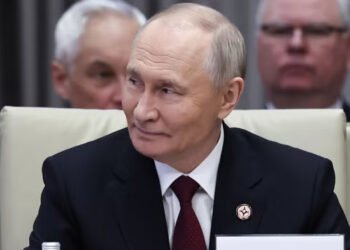 Kremlin Talks With US Yield No Ukraine Peace Breakthrough
 Indonesia to Repatriate Two Dutch Drug Convicts
 Kinnock’s Rebuke Echoes Loudly as Corbyn Allies Launch Left-Wing Breakaway: “A Gift to Farage”
 UK and Norway Forge Stronger Ties Through Joint Sanctions and Enhanced Defence Cooperation
 Trump Administration Dismisses 17 Immigration Judges, Sparking Debate Over Judicial Independence
 Lammy Condemns Israel’s Targeting of Starving Palestinians: Sanctions Threatened Amid Global Outrage
 Philippine Supreme Court Halts Impeachment of Sara Duterte, Fuelling 2028 Election Speculation
 Netanyahu Announces Plan to Take Over Gaza City, Escalating Conflict Further
 Prominent Al Jazeera Journalist Anas al-Sharif Among Five Reporters Killed in Israeli Airstrike on Gaza
 Denmark Investigates Professional Drone Incursions Across Multiple Airports, No Evidence of Russian Involvement
 Misinformation and Political Pressure Force Weston-super-Mare to Abandon Refugee Sanctuary Plan
 British Woman in Iran ‘Losing Hope’ Amid Ongoing Detention
 BBC Journalist Held and Interrogated in Vietnam
 US Super-Rich Are Draining Planet’s Safe Climate Space
 UK University Suspends Human Rights Research Following Pressure from China
 UK University Faces Counter-Terror Probe Over China Pressure
 BBC to Apologise Over Edited Trump Speech Amid Backlash
 US Senate Passes Funding Bill to End Historic Shutdown
 Suicide Bombing at Islamabad Court Kills 12, Injures Dozens
 BBC’s Tim Davie to Address Staff Amid Trump $1bn Threat
 Ukraine-Russia war latest: Putin’s troops exploit bad weather to force Kyiv withdrawal from multiple towns
 PM Condemns Leaks, Vows Loyalty to Ministers and Stability
 Hitler’s DNA Confirms He Truly Had Only One Testicle
 Israel Confirms Returned Hostage as Meny Godard
 Greene Pushes Epstein Files Amid Trump Fallout
 Trump Deploys DHS to Charlotte in Major Arrest Operation
 Zelenskyy Signs Fighter Jet Deal Amid Russian Drone Attacks
 Orban Says Ukraine Has ‘No Chance’ as EU Support Continues
 Canada Passes Carney’s First Budget in Tight Parliamentary Vote
 South African Detained After Neo-Nazi Rally in Australia
 Why India is Unlikely to Return Sheikh Hasina to Face Execution
 Zelensky Meets US Envoy in Turkey to Push Ukraine Peace Talks
 UK Vulnerable to Attack, Defence Committee Finds
 Haiti Qualifies for World Cup Despite Coach Never Visiting Country
 Deadly Russian Strikes Hit Western Ukraine, 20 Killed in Ternopil
 Ukraine Peace Plan: Zelensky Ready for Dialogue
 Vietnam Battles Deadly Floods as Rains Continue
 At Least Three Dead in Bangladesh Earthquake
 Israel Confirms Hamas Returned Dror Or’s Body
 Millions Face Higher Taxes Under Reeves New Budget
 Peers Get Extra Time to Debate Assisted Dying Bill
 Planned Palestinian Flag Raising at Belfast City Hall Faces Delay Amid Legal Concerns
 US Suspends Afghan Immigration After White House Shooting
 Two National Guard Soldiers Critically Injured Near White House
 Southern Lebanon reels as Israeli strikes shatter communities
 Mbappe Scores 4 as Real Madrid Edge Olympiakos
 Man City Lose, Champions League Risk
 US National Guard Member Killed in DC Shooting
 Government righting decades-old injustice for miners
 Jordan Bardella: France’s Young Presidential Contender
 Tokyo court rules Japan’s same-sex marriage ban constitutional
 Maxwell withdraws from IPL 2026 after 13 seasons