Published: 19 December 2025. The English Chronicle Desk. The English Chronicle Online.
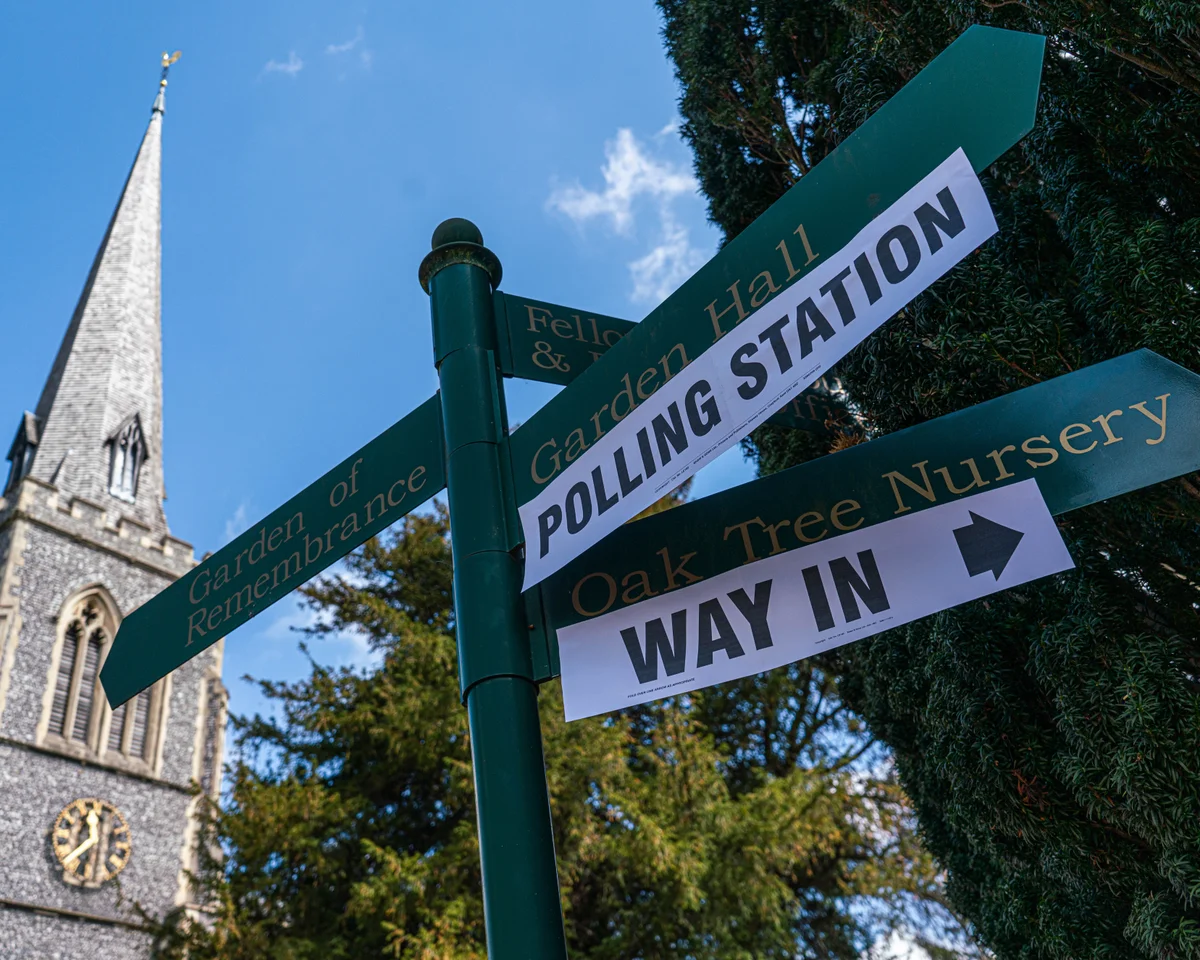
Local elections across England are at risk of being delayed again as councils managing mergers struggle with reorganisation. The government confirmed that 63 council areas could postpone voting until 2027, following earlier delays that pushed elections to May 2026. The disruption comes as two-tier authorities are being combined into single unitary councils, a process requiring significant administrative effort. Newly created mayoralties in Greater Essex, Norfolk and Suffolk, Hampshire and the Solent, and Sussex and Brighton are also now expected to hold elections first in 2028.

Alison McGovern, the local government minister, addressed the Commons on Thursday, revealing that many councils reported lacking capacity for the planned changes within the current timeframe. She explained that councils of varying political backgrounds had expressed anxiety about conducting elections for bodies scheduled for abolition while simultaneously preparing for a new council structure. McGovern said, “They have expressed concerns about the time and energy spent managing elections to bodies that won’t shortly exist, only to run an election a year later.”
Opposition parties were quick to criticise the government’s handling. Paul Holmes, the Conservative shadow local government minister, likened the decision to the fictional Grinch stealing Christmas. He argued, “Earlier this month Labour cancelled mayoral elections because they were worried they wouldn’t win them. Now they are doing the same with local elections, pausing the democratic process to serve their own political interests.”
Holmes described the process as chaotic, asserting it had been “not wanted, not in their manifesto, and centrally dictated.” James Cleverly, the shadow local government secretary, added via X that Labour had promised council elections would proceed as planned, calling the new delay “another broken promise.” He accused the government of attempting to manipulate local elections in their favour.
Ed Davey, leader of the Liberal Democrats, suggested the delays were part of a broader political scheme. He said, “This is looking like yet another Labour and Conservative stitch-up to deny people their votes in May. Kemi Badenoch must stop Conservative council leaders from delaying elections again just because they are running scared of the Liberal Democrats.”
McGovern emphasised that Whitehall does not intend to dictate local decisions without consultation. She assured MPs that councils could proceed with elections if they have no valid reason to delay. However, if a council identifies genuine concerns, ministers will consider granting a postponement. The government has invited 63 councils to submit their views, with a deadline of 15 January.
This uncertainty over the timing of local elections has fuelled political tensions ahead of significant local government reforms. With unitary authorities being introduced and mayoral elections rescheduled, many voters face confusion about when and how they will cast their ballots. Critics warn that repeated delays could undermine public confidence in democratic processes, while ministers insist they are responding responsibly to administrative realities.
Councils must balance the complex logistics of merging local authorities with maintaining democratic integrity. Election officials stress that attempting to organise multiple overlapping votes in a compressed timeframe could compromise fairness and voter accessibility. The government appears to be seeking a cautious approach, listening to council feedback to determine which areas genuinely require delays.
Opposition voices argue, however, that political considerations may be influencing these decisions. Holmes and Cleverly have accused Labour of manipulating timelines to gain advantage, while Davey highlights potential coordination between major parties to limit voter influence. These claims have intensified public debate over transparency, accountability, and the government’s role in ensuring free and fair elections.
Despite these controversies, McGovern reiterated that no council will be forced to postpone elections without valid reasoning. She confirmed that local authorities are being given autonomy to communicate their capacity and readiness. Ministers will review submissions carefully, aiming to balance efficiency with democratic participation. Councils unable to meet logistical demands may receive approval for delay, while those confident in their organisation will proceed as scheduled.
The coming weeks are expected to be crucial as councils submit formal responses. With 15 January as the deadline, political scrutiny will intensify, and parties will closely monitor local decisions. The broader public, meanwhile, remains attentive to news of potential election postponements, as local democracy faces significant procedural adjustments. The challenge of merging authorities while maintaining electoral integrity is unprecedented, and government and councils alike must navigate this carefully.
The ongoing reorganisation raises questions about long-term impacts on voter engagement. Analysts warn that repeated delays risk eroding trust in local institutions. Conversely, some officials argue that temporary postponements are necessary to ensure smooth transitions and avoid logistical chaos. The debate underscores the tension between administrative capacity and political accountability, a balance that remains delicate in the current reform context.

As 2026 approaches, uncertainty persists for many communities regarding the schedule of council elections. Political leaders continue to exchange criticism, while ministers aim to provide flexibility for councils experiencing genuine challenges. Observers expect that further announcements and consultations will shape the next steps, influencing both local governance and voter confidence. The situation highlights the complexity of implementing large-scale reforms while preserving democratic participation.
The coming months will reveal how councils manage organisational challenges and how political parties navigate accusations of manipulation. With elections already delayed in several areas, the government’s approach will be scrutinised for fairness and transparency. Public engagement may hinge on clear communication, timely planning, and the ability of councils to execute elections effectively. The evolving scenario represents a test of local administration under significant structural change.
Related News:
 Kinnock’s Rebuke Echoes Loudly as Corbyn Allies Launch Left-Wing Breakaway: “A Gift to Farage”
 Trump Administration Dismisses 17 Immigration Judges, Sparking Debate Over Judicial Independence
 UK Must Act with Courage and Clarity on Israel-Palestine Conflict, Says Foreign Affairs Committee Report
 Labour Faces Standoff as NHS Strike Exposes Deeper Crisis
 The Fight for Trans Safety Is a Fight for Everyone’s Safety — MPs Must Debate This Crucial Issue
 Brian Cox Slams Donald Trump’s Remarks on Scottish Independence and Voices Support for Kevin Spacey’s Return to Acting
 Trump Threatens 100% Tariff on Nations Importing Russian Oil Amid India Standoff Over Ukraine War
 Chancellor Faces Mounting Pressure Amid “Impossible Trilemma” Over Tax Rises
 Radioactive Leak at UK’s Nuclear Warhead Base Sparks Outcry Over Safety and Secrecy
 Mutual Inconvenience: Why Alaska Was Chosen for the Trump-Putin Summit on Ukraine
 UK Government Expands ‘Deport Now, Appeal Later’ Policy to 23 Countries
 Chancellor Rachel Reeves Pushes for Sweeping Changes to Environmental Protections to Accelerate Development
 Larger Families Could Gain Thousands if Labour Ends Two-Child Benefit Cap
 Hong Kong Summons UK and Australian Envoys Following Asylum Grants to Democracy Activists
 Is the UK Ready to Put Boots on the Ground in Ukraine? Assessing Military Capacity and Challenges
 Palestine Action Ban Protesters Plan Tactic to Overwhelm Police at Next London Demonstration
 Police Scotland Spends £500,000 Compensating Officers Over Trump Visit
 Britain’s Migration Challenge: Rising Asylum Numbers and Hotel Pressures
 Elon Musk Sparks New Controversy by Backing Tommy Robinson Amid Farage Feud
 Rylan Clark Criticizes UK Immigration Policies on This Morning, Sparking Public Debate
 Farage Blasts Essex Council Over St George’s Flag Controversy, Calls Message ‘Unbelievable
 Urgent Action Needed on Windrush Compensation as Survivors Speak of “Waiting to Die”
 Tanni Grey-Thompson Faces Abuse Over Opposition to Assisted Dying Bill
 Conservative Influencer Charlie Kirk Fatally Shot During University Debate
 TfL Invites RMT to Resume Talks as London Tube Strikes End
 UK Rejoining EU ‘Unlikely in My Lifetime,’ Says Starmer’s Europe Reset Negotiator
 ‘Unite the Kingdom’ Rally Sparks Fears of Far-Right Normalisation Among Minority Britons
 Thousands Gather in London to Protest Donald Trump’s Second UK State Visit
 Zarah Sultana Seeks Legal Action After Bitter Clash with Jeremy Corbyn Over Party Membership Funds
 Channel Crossings Surge: Over 1,000 People Arrive in the UK in Small Boats in a Single Day
 Widow of Charlie Kirk Forgives Killer at Emotional Memorial Service
 Nigel Farage Unveils Controversial Immigration and Welfare Plans at Reform UK Press Conference
 Top Andy Burnham Ally Launches Fierce Critique of Starmer Ahead of Labour Conference
 Mahmood Pledges Reform of Modern Slavery Laws After Court Blocks Deportation Appeal
 Yvette Cooper Signals Global Momentum Towards Gaza Peace Deal Amid Humanitarian Crisis
 Ed Miliband Warns UK Government on X, Citing Elon Musk as a “Dangerous Influence”
 Ed Miliband Urges Labour to Confront Billionaire-Backed Opposition to Net Zero Goals
 A Third of EU Citizens in UK Report Discrimination by Public Bodies Post-Brexit
 Digital ID Plans Ignite Debate Over £600m Treasury Tax Boost and Privacy Concerns
 Kemi Badenoch Unveils ‘Golden Rule’ to Halve Spending Cuts for Deficit Reduction at Tory Conference
 Public Trust in SNP Hits Historic Low Amid NHS Concerns
 Yvette Cooper Backs Digital ID Plan for UK Teens
 Johnson Suggests Mandelson Linked to China Spy Controversy
 UK border officers deployed to Balkans to tackle migrant smuggling
 Ministry of Justice fails to file £11bn in spending receipts
 UK MPs warn of repeat riots over online misinformation
 Rachel Reeves signals welfare reform ahead of key budget
 Reform UK candidate fined £19,000 after using AI-generated cases to challenge election
 William Steps Up Over Prince Andrew Palace Response
 Russia’s Latest Push to Win US Favors Shows Deep Desperation
 Army Barracks to House Migrants as Hotels Phase Out
 Green Party Surges Past Labour in Latest UK Poll
 Army Officers Orders to Cut Ties with Men-Only Clubs
 Trump’s UK Ambassador Urges North Sea Drilling to Strengthen US Ties
 French Taxi Driver Cleared in David Lammy Theft Case After Fare Dispute
 Labour immigration crackdown could cost UK £4.4bn
BBC to Apologise Over Edited Trump Speech Amid Backlash
Labour immigration crackdown could cost UK £4.4bn
BBC to Apologise Over Edited Trump Speech Amid Backlash
 Britain deploys RAF specialists to assist Belgium with drone threats
 Millionaires group urge Reeves to introduce wealth tax to ‘lift kids out of poverty’
 Starmer Faces Growing Dissent as Labour MPs Weigh Leadership Challenge
 Reeves rejects £1bn plea for NHS redundancy payouts
 PM Condemns Leaks, Vows Loyalty to Ministers and Stability
 Trump Urges Herzog to Grant Netanyahu Full Pardon
 Major Rent Reform Ends No-Fault Evictions in England
 Senator John Fetterman Hospitalized After Fall from Heart Flare-Up, Keeps Sense of Humor
 Indian authorities demolish Kashmir home linked to Red Fort blast
 Greene Pushes Epstein Files Amid Trump Fallout
 Trump Deploys DHS to Charlotte in Major Arrest Operation
 December Run-Off in Chile as Election Produces No Winner
 Canada Passes Carney’s First Budget in Tight Parliamentary Vote
 Shadow Fleet at Sea: Europe’s Battle Against Illicit Oil Shipping
 India’s COP30 Delay Raises Global Climate Concerns
 Most Tories Expect to Support a Farage-Led Government
 Georgians Defy Government Crackdown After Year of Protests
 US National Guard Member Killed in DC Shooting
 ICC to Rule on Duterte’s Provisional Release
 Starmer Says Labour’s Economic Plan Needs Years to Deliver
 England delays four mayoral elections amid criticism
 Tory Free Schools Waste £325m on Failed Projects