Published: 23 July 2025 | The English Chronicle Desk
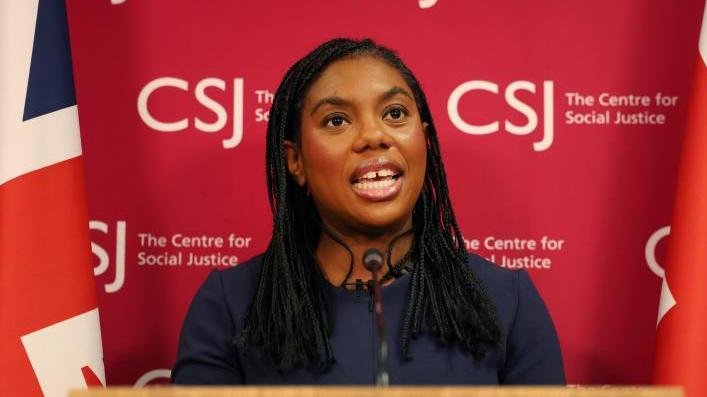
In a calculated move to reinvigorate the Conservative Party’s diminishing presence in the UK political landscape, leader Kemi Badenoch has announced a long-anticipated reshuffle of her shadow cabinet—a year after stepping into the role of opposition leader. The reorganisation, while expected, has generated fresh scrutiny regarding the party’s direction and its struggle to regain political relevance following a crushing electoral defeat.
Despite persistent speculation over the past few months, Badenoch’s reshuffle retains many familiar faces at the helm. Key figures such as Robert Jenrick, the shadow home secretary; Mel Stride, the shadow chancellor; and Priti Patel, the shadow foreign secretary, all maintain their positions, signaling a degree of continuity amidst the changes. This decision appears to be a balancing act: holding onto experienced figures while attempting to inject the shadow cabinet with new momentum.

Perhaps the most notable return is that of Sir James Cleverly, who re-enters the frontline as shadow housing minister, a direct counterpart to Deputy Prime Minister Angela Rayner. Cleverly previously held senior cabinet roles as foreign secretary and home secretary during the waning days of the Conservative government. His appointment is significant, not only because of his experience but also because he had earlier rejected a role in Badenoch’s shadow team after losing out in the party’s post-election leadership contest. His return is seen by insiders as an attempt to project stability and statesmanship at a time when the party is grappling with an identity crisis.
Health concerns have also played a role in reshaping the frontbench. Edward Argar, who had served as shadow health secretary, stepped down following medical advice. He is replaced by Stuart Andrew, a former junior minister with prior experience as shadow culture secretary. Meanwhile, Kevin Hollinrake, previously responsible for housing and community affairs, will now take up the reins as party chairman—a position vacated by Nigel Huddleston, who is set to assume the role of shadow culture secretary.
These changes reflect not just a tactical reshuffling, but a deeper urgency within the Conservative ranks. Despite having a full year to adapt to the role of opposition, Badenoch’s party remains adrift, struggling to define its voice in a post-defeat Britain where Labour dominates both media coverage and parliamentary narrative. Polling data continues to place the Conservatives at historically low approval levels, with public recognition of their current leadership team still faint at best.
Political observers argue that the party’s woes stem not only from its electoral defeat, but from a broader confusion about what it now stands for. No longer in government and seemingly unprepared to present a cohesive alternative, the Tories are caught between trying to preserve traditional conservative values and recalibrating their approach to fit a changing electorate.
The return of seasoned figures like Cleverly and the promotion of lesser-known but competent MPs are seen by analysts as a cautious attempt by Badenoch to rebuild credibility within and beyond Westminster. However, many remain skeptical as to whether these reshuffles can meaningfully reshape public perception or simply delay the inevitable reckoning facing a party still searching for its post-government identity.

As the UK moves deeper into a new political chapter dominated by Labour’s commanding majority, the Conservatives are under mounting pressure to demonstrate relevance, effectiveness, and a vision for the future. Whether this reshuffle marks the beginning of a genuine Conservative revival—or merely another internal realignment without impact—remains to be seen. What is certain, however, is that time is running short for Badenoch to turn potential into presence.
Related News:
 Tasers Introduced in UK Prisons to Combat Rising Violence and Protect Staff
 Southport Reflects with Quiet Strength One Year After Tragic Holiday Club Killings
 Wethersfield Controversy Deepens as Asylum Seeker Numbers Set to Surge by 50%
 Mass Arrests in London as Protest Defies Ban on Palestine Action
 Russell T Davies Warns of Declining UK Gay Rights Amid Rise of Reform UK and Trump Influence
 UK Government Expands ‘Deport Now, Appeal Later’ Policy to 23 Countries
 Farage Accuses PM of ‘Democratic Disparity’ in House of Lords Representation
 Larger Families Could Gain Thousands if Labour Ends Two-Child Benefit Cap
 Labour’s Asylum Policy in Disarray as Court Orders Closure of Migrant Hotel
 Ory Councils Urged to Challenge Asylum Hotels After Epping Ruling
 Palestine Action Ban Protesters Plan Tactic to Overwhelm Police at Next London Demonstration
 Former Miners Return to the Picket Line as Museum Staff Strike Over Pay
 Polanski’s Rise Signals a Shift in British Political Landscape
 Angela Rayner Faces Scrutiny as Stamp Duty Row Deepens
 Protests Expected as Israeli Arms Firms Join Global Defence Trade Fair in London
 University of Edinburgh Lecturers Launch Five-Day Strike Amid £140m Budget Cuts
 Norfolk Hospital Ranked Worst in England as NHS League Tables Return
 Are Britain’s Unions Turning Against the Workers They Once Represented?
 UK Rejoining EU ‘Unlikely in My Lifetime,’ Says Starmer’s Europe Reset Negotiator
 UK Urged to Collaborate with NATO on Missile Defence Amid Russian Drone Threat
 Oxford Union Condemns President-Elect’s Comments Following Charlie Kirk Shooting
 ‘Unite the Kingdom’ Rally Sparks Fears of Far-Right Normalisation Among Minority Britons
 France Proposes Ceiling on UK Role in €150bn EU Defence Fund
 Thousands Gather in London to Protest Donald Trump’s Second UK State Visit
 Tragedy in Hackney: Man Killed and Woman Injured in East London Park Shooting
 Privatisation of UK Industries Exacerbates Cost of Living Crisis, Warns Green Party Leader
 Trump Urges UK to “Call Out the Military” to Secure Borders Amid State Visit
 Zarah Sultana Seeks Legal Action After Bitter Clash with Jeremy Corbyn Over Party Membership Funds
 Ministers Consider Granting Mayors Oversight of Schools and Hospitals in Major Devolution Push
 Top Andy Burnham Ally Launches Fierce Critique of Starmer Ahead of Labour Conference
 Mahmood Pledges Reform of Modern Slavery Laws After Court Blocks Deportation Appeal
 It Changed My View’: Campaign Encourages Pupils in Deprived Areas to Consider University
 UK Fighter Jet Purchase Could Breach Nuclear Treaty, Warns CND
 Migrants in UK May Need to Contribute or Face Removal, Home Secretary Signals
 Ed Miliband Urges Labour to Confront Billionaire-Backed Opposition to Net Zero Goals
 A Third of EU Citizens in UK Report Discrimination by Public Bodies Post-Brexit
 Jailed Georgian Opposition Leaders Warn UK of Iranian Links to Ruling Party
 Senior Tories Condemn Badenoch’s Vow to Repeal Climate Change Act as Catastrophic
 Home Secretary condemns Gaza protests after Manchester synagogue attack as “un-British”
 Digital ID Plans Ignite Debate Over £600m Treasury Tax Boost and Privacy Concerns
 Robert Jenrick Reiterates Controversial Comments on Birmingham’s Integration as Backlash Grows
 Public Trust in SNP Hits Historic Low Amid NHS Concerns
 Yvette Cooper Backs Digital ID Plan for UK Teens
 Starmer Faces Backlash Over Downing Street Shake-Up and Progressive Exodus
 Johnson Suggests Mandelson Linked to China Spy Controversy
 Ministry of Justice fails to file £11bn in spending receipts
 Witness statements reveal the CPS China spy row collapse in the UK
 Rachel Reeves signals welfare reform ahead of key budget
 Starmer pledges to claw back Baroness Michelle Mone’s Covid contract millions
 Reform UK candidate fined £19,000 after using AI-generated cases to challenge election
 The debate over England’s compulsory reading test for 13-year-olds
 Hermer to face questions on alleged China spy case intervention
 Kosovo agrees to host Britain’s refused asylum seekers
 Sex offenders to lose parental rights for children born of rape
 William Steps Up Over Prince Andrew Palace Response
 UK Health Leaders Push for Urgent Tobacco & Vape Bill
 How the Royal Navy Can’t Stop the Channel Boats
 British Woman in Iran ‘Losing Hope’ Amid Ongoing Detention
 Johnson Approved China’s London ‘Super-Embassy’ in 2018
 BBC Journalist Held and Interrogated in Vietnam
 Green Party Surges Past Labour in Latest UK Poll
 Celebrities and Charities Demand UK Government Act on Child Poverty
 Zarah Sultana Launches Party to Change Politics
 FBI Director Kash Patel Defends Girlfriend Amid Government Jet Claims
 ‘Reckless’ cuts to victims’ services will cost more than they save
 Starmer Faces Growing Dissent as Labour MPs Weigh Leadership Challenge
 Politics latest: Starmer ‘will fight any leadership coup’ as Streeting denies attempt to oust Labour PM
 Pressure Mounts on Starmer to Sack Chief of Staff Over Briefing Row
 Peers Flood Assisted Dying Bill with 942 Amendments
 England’s Special Needs Support Faces Breaking Point
 MoD warned over Excel risks before Afghan data breach
 Navy cuts scrap key landing upgrade for UK F-35B jets
 Labour Faces Historic Decline in Wales
 PM Highlights UK Business at G20 in South Africa
 Kate Forbes: Motherhood Harder Than Politics
 Most Tories Expect to Support a Farage-Led Government
 Labour MP claims devolution bill is ‘blatant discrimination’ against Cornwall
 Millions Face Higher Taxes Under Reeves New Budget
 Peers Get Extra Time to Debate Assisted Dying Bill
 “Enough is Enough”: Local MP Vows to Fight Rainham Quarry Plans