Published: 09 March 2026. The English Chronicle Desk. The English Chronicle Online.
Belgium narco-state warning has raised fresh concern about organised crime and corruption across the country. Senior legal officials now fear drug trafficking networks are gaining powerful influence in Belgian society. Their concerns centre on the vast port of Antwerp, one of Europe’s largest gateways for international trade. Investigators believe the port has also become a critical entry point for cocaine entering the continent.
The warning comes from Bart Willocx, president of the Antwerp Court of Appeal. He said the enormous profits generated by drug trafficking create serious risks for public institutions. According to him, criminal groups possess financial power strong enough to corrupt officials and intimidate workers. Such influence, he warned, threatens the stability and integrity of Belgium’s democratic system.
The issue first gained attention when an anonymous investigative judge publicly warned about the danger. In an unusual step, the Antwerp court released the judge’s open letter last October. The message argued that Belgium could gradually evolve into a “narco-state” dominated by organised crime networks. These criminal groups were described as building a parallel power structure capable of challenging law enforcement and courts.
Willocx believes Belgium is not yet a narco-state, but the risk is increasing. He said criminal organisations exert growing pressure on institutions and communities across the country. Their financial power allows them to influence individuals and spread corruption in strategic sectors. The result is a serious challenge to public trust and the rule of law.
Guido Vermeiren, prosecutor general for the Antwerp and Limburg regions, shared similar concerns. He agreed that corruption, intimidation, and organised crime were becoming more widespread. According to him, criminal gangs increasingly threaten officials and witnesses connected to major investigations. These threats illustrate the scale and intensity of the crisis confronting Belgian authorities.

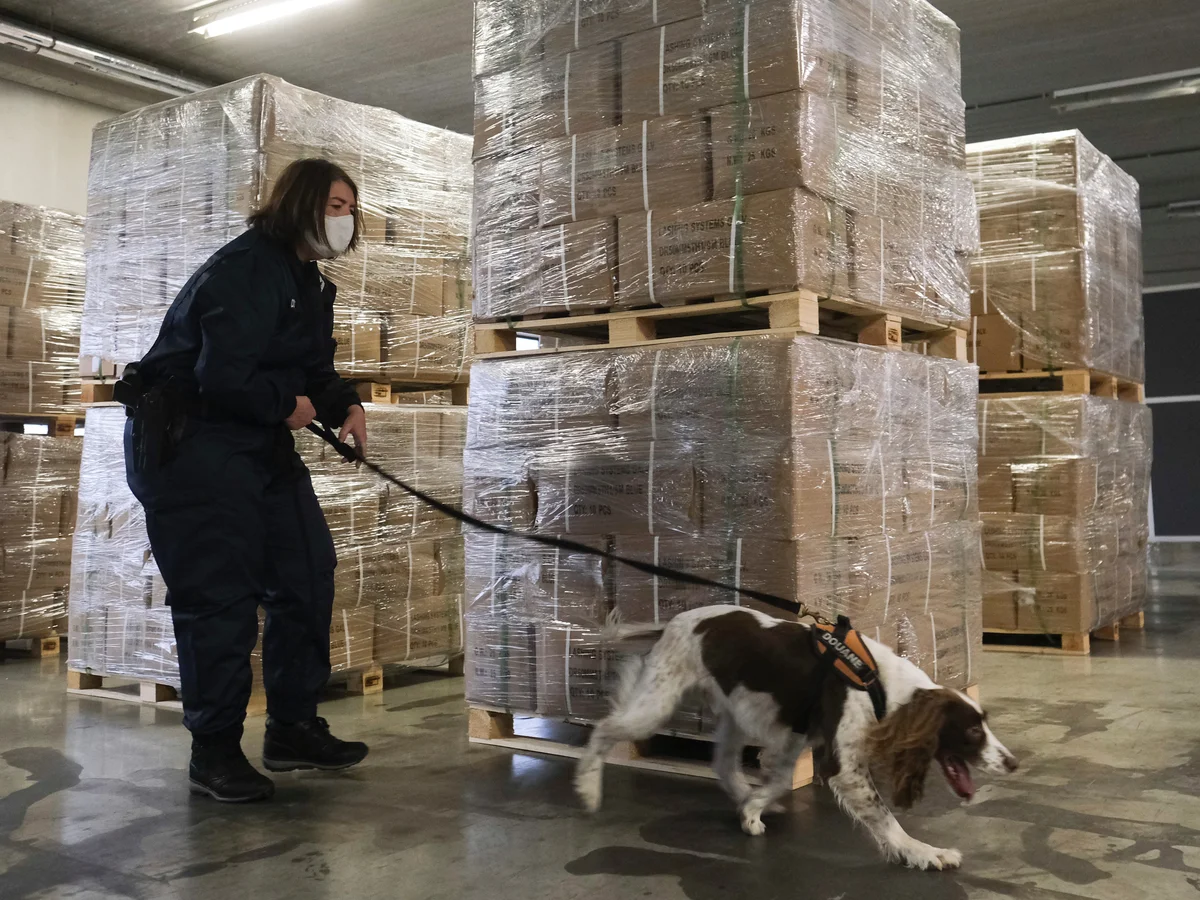
Drug trafficking through Belgium has grown rapidly in recent years. The port of Antwerp plays a key role because of its size and international shipping traffic. Criminal groups exploit complex cargo systems to hide cocaine shipments inside commercial containers. Many of these drugs originate from South American countries such as Colombia.
Data from Europol indicates the scale of the challenge. In 2024, more than seventy percent of cocaine entering Europe passed through Antwerp and nearby Rotterdam. Both ports handle millions of containers each year, making inspections extremely difficult. Smugglers take advantage of this huge volume to conceal drugs among legitimate cargo.
Authorities previously seized record amounts of cocaine in Belgium. The European Union Drugs Agency reported that officials confiscated 121 tonnes in 2023. This marked the largest drug seizure ever recorded in the country. The massive quantity highlighted the scale of trafficking networks operating through Belgian ports.
However, seizures dropped significantly the following year. In 2024, authorities confiscated about forty four tonnes of cocaine. Investigators believe criminals improved their smuggling techniques to avoid detection. They also suspect traffickers began shifting shipments to smaller European ports to reduce risk.
Despite the decline in seizures, the wider impact of drug crime remains visible. Belgium has experienced a surge in violent incidents linked to organised gangs. These crimes include shootings, kidnappings, torture, and complex money laundering schemes. Prosecutors say criminal organisations operate across multiple countries and maintain strong international connections.
One alarming case involved an alleged plan to kidnap Belgium’s interior minister in 2022. Authorities believe organised drug gangs were behind the plot. Investigators later uncovered further evidence of escalating violence in the capital city of Brussels. A series of shootings there in 2025 raised fears that rival criminal groups were fighting for control of trafficking routes.
Corruption within strategic sectors has also become a major concern. Vermeiren explained that criminals sometimes pay enormous sums to port workers. In one case, a gang reportedly offered more than €250,000 to move a single container. The payment secured access to the cargo area and allowed drugs to disappear before inspection.
Employees who refuse to cooperate may face intimidation or violence. Some workers have received threatening letters and photographs of their children. In several cases, criminals carried out bomb attacks against the homes of port employees. These acts are designed to frighten workers into assisting smuggling operations.
Young people are also drawn into criminal networks. Prosecutors say teenagers as young as thirteen have been paid small amounts to break into port facilities. Their task often involves retrieving cocaine hidden inside containers. Criminal groups use these youths because they face lighter legal consequences if caught.
Vermeiren said gangs also groom young recruits by helping them secure legitimate jobs. Once employed inside port operations, these workers can be pressured to assist illegal activities. This strategy allows criminal networks to infiltrate important logistics systems gradually.
Another dramatic incident occurred in March 2024. Police foiled a plan by four heavily armed men attempting to steal seized cocaine. The drugs were stored inside a customs warehouse under official protection. Authorities said the criminals carried automatic weapons and intended to steal more than 1,500 tonnes of impounded narcotics.
The threat has forced Belgian judges and prosecutors to take extraordinary safety measures. Some judicial officials now live under permanent protection due to security risks. Others must move temporarily into secret safe houses after receiving threats.
Willocx described the emotional impact of these precautions on legal professionals. Judges may suddenly leave their homes and families for undisclosed locations. The sudden relocation often occurs without warning and may last several months. Such experiences create stress and fear among those responsible for upholding justice.
Security concerns also extend to court buildings themselves. Judges at the Antwerp Court of Appeal still lack promised security scanners at entrances. Officials say they have waited two years for the equipment. This delay has left staff feeling vulnerable when defendants arrive carrying large bags.
Pressure from organised crime may even influence the judicial process. Willocx acknowledged that extreme intimidation could lead some judges to avoid criminal cases. Others might unconsciously hesitate when handling complex drug investigations. Such situations threaten the independence of the justice system.
Belgian courts and prosecutors launched the “Five to Twelve” campaign to highlight these dangers. The initiative aims to raise public awareness about challenges facing the country’s legal system. The campaign began with protests by judges in May last year.
Participants say Belgium’s justice system has suffered decades of underfunding. Courts face staff shortages, outdated infrastructure, and limited investigative resources. Officials argue that without reform, the system may struggle to combat organised crime effectively.
Judges and prosecutors have proposed one hundred reforms to strengthen the system. Their suggestions include improved security, better salaries, and solutions to prison overcrowding. They also call for greater investment in prosecutors and investigative staff.
The Belgian government acknowledges the seriousness of the problem. The current coalition government is led by Bart De Wever. Authorities pledged an additional €1 billion investment in the justice system by 2029.
However, critics argue that funding alone may not solve the crisis quickly enough. Years of limited investment have left courts struggling to manage complex international crime. Without rapid improvements, officials fear the situation could worsen.

Investigations into encrypted criminal communication networks revealed the true scale of organised crime. Authorities in Belgium, France, and the Netherlands cracked the Sky ECC messaging platform. The network allowed criminals to exchange secure messages about drug shipments, money transfers, and violent orders.
The investigation provided prosecutors with unprecedented insight into criminal operations. Messages revealed connections stretching from Europe to South America and the Middle East. Many suspects coordinated their activities from distant locations such as Dubai.
Since the first arrests in March 2021, Belgian courts have convicted more than 1,200 people. Many were found guilty of drug trafficking, violence, corruption, and weapons offences. Investigators have also identified nearly 5,000 additional suspects linked to the network.
Vermeiren said the scale of the operation shocked investigators. The encrypted messages exposed a complex system connecting global suppliers, transporters, and European distributors. According to prosecutors, the situation was even worse than initially imagined.
The Belgium narco-state warning therefore reflects deeper concerns about organised crime’s growing influence. Officials believe strong institutions and public awareness remain the best defence against corruption. Yet they acknowledge the fight will require sustained investment and cooperation across Europe.
For now, Belgium continues working to prevent the country from sliding further into criminal control. Judges and prosecutors hope their warnings will prompt faster reforms and stronger action. Their message is clear: protecting democracy requires confronting organised crime before it becomes unstoppable.
Related News:
 UK University Faces Counter-Terror Probe Over China Pressure
 Second world war veterans honoured as King leads Remembrance Sunday
 Ukraine-Russia war latest: Putin’s troops exploit bad weather to force Kyiv withdrawal from multiple towns
 New Epstein Files Spark Political Clash in Washington
 Ukraine Energy Corruption Scandal Hits Zelensky’s Inner Circle
 Greene Pushes Epstein Files Amid Trump Fallout
 UN Security Council Approves Trump’s Gaza Peace Plan
 WhatsApp Messages Expose Nathan Gill’s Bribery
 Venezuela Threatens Nobel Winner Machado with Fugitive Status
 Trump Envoy to Discuss Ukraine Peace at Kremlin
 Video shows Israeli troops kill Palestinians after surrender
 Guinea-Bissau President Flees After Military Coup
 Saif al-Islam Gaddafi Reportedly Killed in Libya Shooting
 Cartel crackdown raises fears of fresh violence
 US ‘Narco Boat’ Strikes Draw Global Outcry
 Gunman Killed After White House Security Shootout
 Irish Gangland Figure Fails in Dublin Election Bid
 Ukraine Creates Long-Range Strike Command
 Dreyfus Statue Finally Gets Permanent Paris Home
 Israeli Strike in Southern Lebanon Kills Seven
 Channel Crossings Surge: Over 1,000 People Arrive in the UK in Small Boats in a Single Day
 French Taxi Driver Cleared in David Lammy Theft Case After Fare Dispute
 Just Stop Oil Protesters Convicted Amid Climate Defence Row
 BBC to Apologise Over Edited Trump Speech Amid Backlash
 Britain deploys RAF specialists to assist Belgium with drone threats
 Indian authorities demolish Kashmir home linked to Red Fort blast
 Trump Deploys DHS to Charlotte in Major Arrest Operation
 December Run-Off in Chile as Election Produces No Winner
 Canada Passes Carney’s First Budget in Tight Parliamentary Vote
 Shadow Fleet at Sea: Europe’s Battle Against Illicit Oil Shipping
 Deadly Russian Strikes Hit Western Ukraine, 20 Killed in Ternopil
 Pentagon Officials in Ukraine to Discuss War End
 Most Tories Expect to Support a Farage-Led Government
 Two National Guard Soldiers Critically Injured Near White House
 Georgians Defy Government Crackdown After Year of Protests
 Southern Lebanon reels as Israeli strikes shatter communities
 EU plans $105bn Ukraine aid using frozen Russian assets
 American Mother Extradited From UK to U.S. on Murder Charges
 Trump Policies Boost China’s Global Rise, Survey Finds
 Pentagon Signals Reduced Role in Deterring North Korea
 Thousands Protest ICE Operations in Nationwide US Day of Action
 UK and US Drop in Global Corruption Index Rankings
 SA Police Intensify Search in Gus Lamont Case
 Canberra Poster Seizure Sparks Free Speech Row
 Evo Morales Returns After Mysterious Absence
 AFP Reviews Pauline Hanson Comments
 El Mencho Killed as Mexico Faces Violence
 Trump Tariffs Threat Spark UK and EU Alarm
 The Dangerous Rise of Remigration Across Modern Europe
 Jacinda Ardern Moves To Australia Following Her US Fellowships
 US to offer passport services in West Bank settlements
 Jacinda Ardern Move Sparks Kiwi Reflection
 Nick Greiner Warns Over Election Review Fallout
 Kelly Wilkinson Inquest Reveals Bail Failure
 Iran Defiance Grows Amid US-Israel War Pressure
 US Strikes on Iran Set for Most Intense Day Yet
 Danish Election Deadlock Shakes Frederiksen’s Grip
 Trump to Visit China in May After Iran War Delay
 Bondi terror attack linked to global rise in IS plots
 Pope Rebukes Leaders for War as Middle East Tensions Rise
 Trump to Deploy “God Squad” Over Gulf Wildlife Protections
 Army Probes Apache Flyover at Kid Rock’s Nashville Estate
 Italian Town Buys Mussolini Villa to Keep Away Fascist Fans
 Report Says Pezzullo Acted ‘Recklessly’ in Dealings
 Trump Employs Nixon’s Madman Theory Amid Iran Crisis
 Hungary election: Orbán faces biggest test amid scandal
 Suspected Plot Targets Pipeline Before Hungary Vote
 Learner Driver Charged After Expo Tragedy
 Trump approval plunges amid Iran war fears
 Ohio’s Battle for Trust: Democrats Vying to Flip the Buckeye State
 China Fireworks Factory Blast Kills 21 in Hunan
 Afghan Families Left in Limbo Face Risk of Deportation
 US Awaits Iran Reply on New Ceasefire Proposal
 Discontent grows around Putin amid war strain
 DeSantis’s ‘Alligator Alcatraz’ Faces Final Shutdown
 Starmer Leadership Under Pressure After Setbacks
 House Curbs Trump’s War Powers in Rare Rebellion
 New South Wales Premier Chris Minns Signals Tough Road Ahead for Labor
 Le Pen to Run for President Despite Embezzlement Conviction
 Houthis Strike Saudi Arabia as Middle East Tensions Rise