Published: 07 August ‘2025. The English Chronicle Desk
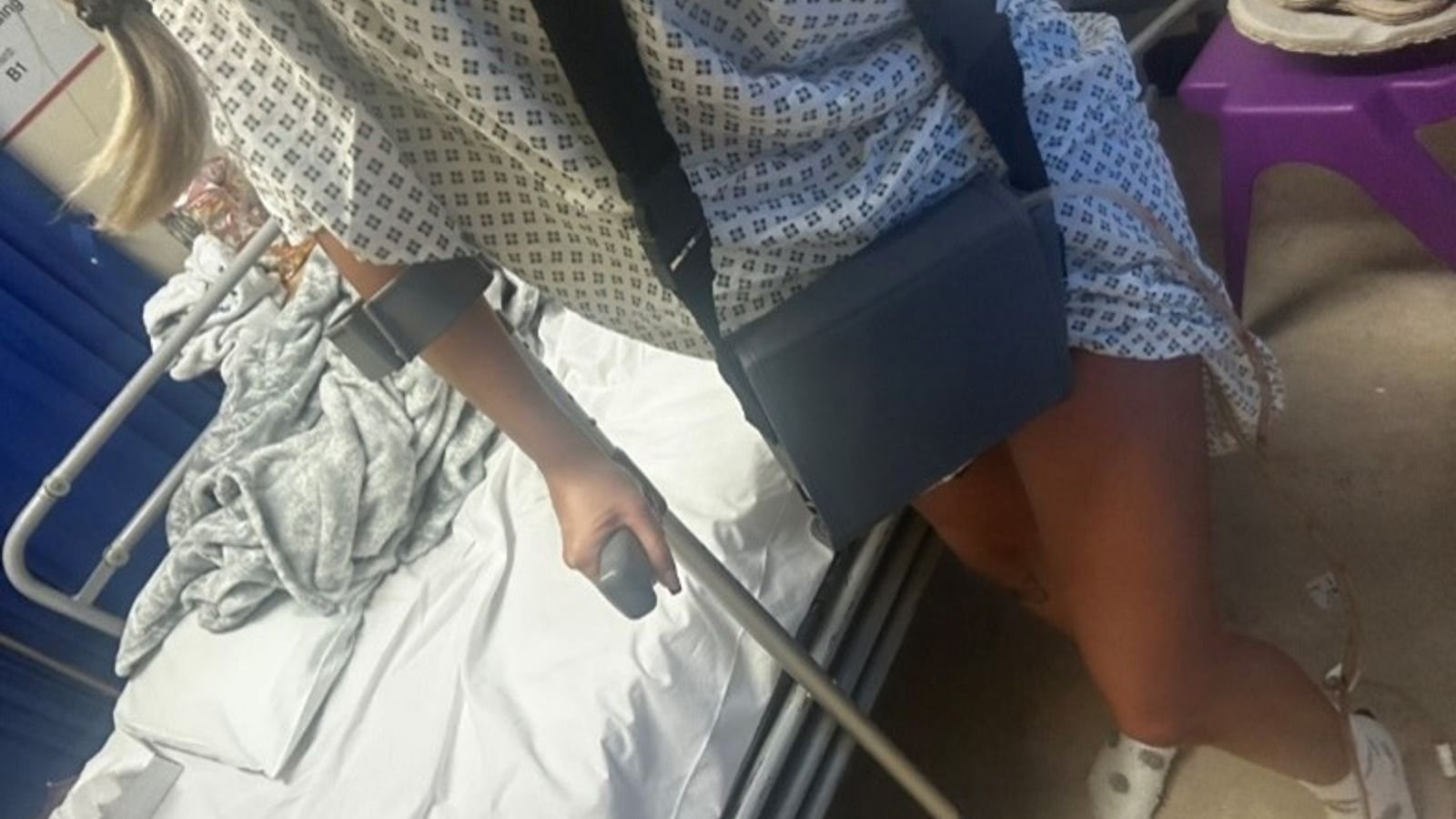
When Janet Taylor received a call from her daughter Louise saying she believed she was going to die, the horror was just beginning. Louise had undergone a liquid Brazilian butt lift (BBL) performed by a non-medical practitioner—an increasingly popular but dangerously unregulated cosmetic procedure in the UK. Within days, she was hospitalised, in agony, and told by doctors that her leg might need to be amputated in order to save her life from rapidly spreading sepsis.
This near-fatal incident has reignited urgent concerns over the aesthetics industry in Britain, which has for too long remained underregulated, leaving vulnerable individuals at the mercy of unqualified practitioners. Louise’s story is one of many—harrowing accounts of pain, disfigurement, and even death stemming from high-risk cosmetic procedures that remain legal to perform without medical qualifications.

In Louise’s case, the signs of danger emerged almost immediately. After travelling from Bolton to Essex in 2023 for the procedure, she learned upon arrival that the person she had initially paid to perform it would not be the one doing so. During the procedure itself, she screamed in pain. Days later, with severe swelling and an inability to walk, Louise was rushed to A&E, where doctors discovered the life-threatening infection.
“She was hysterical,” Janet recalls. “The sepsis was spreading fast, down her leg. They were preparing for amputation. I couldn’t believe what I was hearing. It was like a nightmare.”
Unfortunately, this is not an isolated case. In September 2023, 33-year-old mother-of-five Alice Webb died from complications following the same type of procedure—liquid BBLs, which involve injecting large volumes of filler into the buttocks. These procedures are marketed online as quick, non-surgical enhancements. In reality, they are some of the riskiest procedures in cosmetic medicine.
Despite this, current laws in the UK allow virtually anyone, even without medical training, to carry out such procedures. There is no legal requirement for qualifications, and oversight is almost nonexistent. Critics say this legal gap has created an environment ripe for exploitation—where social media marketing and unlicensed practitioners lure individuals into deadly traps.
Now, the government has announced plans to introduce legal reforms aimed at reining in the so-called “cowboy cosmetics” industry. Under the proposed changes, only qualified medical professionals would be legally allowed to perform high-risk procedures such as liquid BBLs. A broader licensing scheme is also being planned for lower-risk procedures like Botox and lip fillers, to be managed by local councils.
However, the path to reform is not immediate. The Department of Health says a public consultation process will begin next year, meaning new regulations could take years to become law. For victims and families already affected, that delay is unacceptable.
“I’m disappointed, annoyed, and upset that it’s going to take them so long,” says Ms Taylor. “This isn’t new. They’ve said the same thing before. Why can’t they act now, when hundreds of people are being affected? What are they waiting for—more deaths?”
Campaigners and medical professionals alike are calling for the government to prioritise this issue as a public health emergency. They argue that it is not merely a cosmetic or consumer safety issue, but one of medical ethics and protection of life.

The industry’s booming growth, largely driven by social media and celebrity culture, has made procedures like BBLs seem routine and low-risk. But the reality for many has been long-term trauma, permanent injury, or death. Without legal safeguards in place, experts warn that more lives will be endangered by unqualified hands wielding medical-grade substances.
As Louise continues her recovery, her story stands as a stark warning. It also represents a call to action—one that many hope lawmakers will heed before another young woman pays the ultimate price for beauty.
“This shouldn’t have happened to my daughter,” Janet says, her voice heavy with anger and grief. “It shouldn’t happen to anyone else. But unless they act now, it will.”
Related News:
 The Ketamine Crisis in the UK is a Silent Epidemic Leaving Users with Lifelong Pain
 Alarming rise in abusive teen relationships in the UK sparks urgent warnings
 Breakthrough Clinical Trial Lets 12-Year-Old Boy with Rare Skin Disorder Play Football
 Over 65? Gardening Instincts Can Help You Spot Financial Fraud
 Inquest Finds Agency Worker Failings Led to Unlawful Death of Vulnerable 14-Year-Old
 Expanded Access to Health Diagnostics in England Now Available Beyond Standard Hours
 Shocking Rise in Children’s Exposure to Violent Online Pornography Raises Alarm
 Experienced Skydiver Dies by Suicide Following Relationship Breakdown
 Martha’s Rule Now Fully Implemented Across All Acute Hospitals in England
 Why E-Bikes and E-Scooters Are Making Streets a ‘Nightmare’ for Blind People
 Council Proposes Limits on Ice Cream Van Music and Parking in South Cambridgeshire
 Norfolk Hospital Ranked Worst in England as NHS League Tables Return
 Ofsted Pushes Ahead with Controversial New Inspection Regime Despite Widespread Opposition
 More Than Half of UK Births Now Involve Medical Intervention
 Hospices ‘on the Brink’ as Assisted Dying Legislation Looms
 NHS ‘Toxic Culture’ Risks Harm to Mothers and Babies, Health Leader Warns
 First Group of Children from Gaza Arrive in UK for Life-Saving NHS Treatment
 One in Three GPs in England Do Not Work in NHS, Raising Concerns Over Access to Care
 UK Doctors Guilty of Sexual Misconduct Continue Practising Amid Weak Sanctions, Research Finds
 Private Psychology Costs Surge in UK as Practitioners Turn Away Clients Amid Record Demand
NHS Urged to Revamp Prostate Cancer Treatment for Black Men Amid Rising Death Toll
Private Psychology Costs Surge in UK as Practitioners Turn Away Clients Amid Record Demand
NHS Urged to Revamp Prostate Cancer Treatment for Black Men Amid Rising Death Toll
 Heavy Drinkers Lead Growth in Non-Alcoholic and Low-Alcohol Market
 One Lap, 400 Miles, One Week: GP Sets Sights on Cornwall Perimeter Record Run
 Starmer Unveils Plan for NHS “Online Hospital” to Tackle Waiting Lists
 Tragic Death Strikes Half-Marathon in Stoke-on-Trent: Runner Dies Shortly After Crossing Finish Line
 Medical Cannabis Offers New Hope for British Women Struggling with Chronic Pain
 One in four UK residents fear a loved one drinks excessively as addiction concerns rise
 Majority of UK Men Would Opt for Prostate Cancer Screening, Survey Finds
One in Three UK Workers Call in Sick After Work Drinks as Cultural Pressures Persist, Survey Finds
Majority of UK Men Would Opt for Prostate Cancer Screening, Survey Finds
One in Three UK Workers Call in Sick After Work Drinks as Cultural Pressures Persist, Survey Finds
 NHS Facilities Staff Vote to Strike Over Pay Discrimination
 Ambulance Worker Fired After Flinging Amputee from Wheelchair and Offering Bribe
 Women Challenge Meta Over Targeted Ads After Miscarriage
 Mum’s Final Wish: Donating Her Body to Science
 UK Woman Becomes Longest Survivor of Heart-Lung Transplant
 Phillipson Warns Parents Over Poor Quality Online Advice
£18 Prostate Cancer Test Could Save Thousands of Lives
Phillipson Warns Parents Over Poor Quality Online Advice
£18 Prostate Cancer Test Could Save Thousands of Lives
 Pregnant Women in England Face Rising Risk of Severe Birth Injury
 My ADHD left me drowning in debt and unable to cope
 One in 12 Secondary Pupils Sent to Isolation Weekly
 M&S and Morrisons Lead Christmas Supermarket Taste Test
 Mother dies after black market weight loss injection
 Young Woman Missed 13 Times by GPs Before Bowel Cancer Diagnosis
 UK Health Leaders Push for Urgent Tobacco & Vape Bill
 Man Trapped in Quicksand Rescued in Dramatic Coastal Rescue
 Hospice Cuts Raise Alarm Across England Amid Funding Crisis
 Morning-After Pill Now Free Across England’s Pharmacies
 Experts Warn on Home Birth Risks, Call for Skilled Midwives
 Experts Urge Legal Right to Timely Cancer Care
 NHS Takes Over Nuffield Hospital in ‘Windfall’ for London Care
 North Sea oil workers must lose weight or face job loss
 Crisis charity to become landlord amid UK housing emergency
No link found between paracetamol in pregnancy and autism
Crisis charity to become landlord amid UK housing emergency
No link found between paracetamol in pregnancy and autism
 UK Disability Pay Gap Means Millions Work for Free From Today
 Shouting Works Best to Deter Gulls, UK Study Finds
 Reeves rejects £1bn plea for NHS redundancy payouts
 NHS trust fined after woman takes life in mental health unit
 Leading doctors issue warning amid ‘bad’ flu season
 New Campaign Trains Vets to Spot Farmers’ Health Risks
 ‘Traumatic Wait’: Northern Ireland Women Face Breast Cancer Delays
 Coffins Now Too Large to Cremate Amid Rising Obesity Crisis
 David Cameron Reveals Prostate Cancer Diagnosis, Advocates Screening
 Five-Year-Old Dies After Rare Tonsil Surgery Complication
 Fibromyalgia Patients Struggle as NHS Fails to Provide Care
 “Enough is Enough”: Local MP Vows to Fight Rainham Quarry Plans
 More Patients Now Contacting GPs Online, Data Shows
 Concerns Mount Over Accuracy of At-Home Health Tests as Study Calls for Stricter Regulation
 Russell T Davies Warns of Declining UK Gay Rights Amid Rise of Reform UK and Trump Influence
 Cats Develop Dementia Similarly to Humans, Study Finds
 Calls Grow for a Complete Ban on Smacking as Public Opinion Shifts
 Human Remains Discovered in Lancashire May Be Those of Children, Police Say
 Millions in the UK at Higher Risk of Heart Failure and Stroke Due to Air Pollution, Study Warns
 Zarah Sultana Seeks Legal Action After Bitter Clash with Jeremy Corbyn Over Party Membership Funds
 A Third of EU Citizens in UK Report Discrimination by Public Bodies Post-Brexit
 Children to Learn Local History in Major Curriculum Overhaul
 Prince William Plants Trees with Brazil’s Nature Heroes
 How to get help when a child goes missing – call 999 urgently
 Son Reveals UK Couple in Iran Resort to Hunger Strike for Help
 Mother Watches in Horror as Teen Daughter Dies on Tracks
 Vicki Fears Losing Motability Car
 Virgin Media Fined £23.8m Over Telecare Safety Failures