Published: April 7, 2026. The English Chronicle Desk.
The English Chronicle Online — Global health monitoring and humanitarian response.
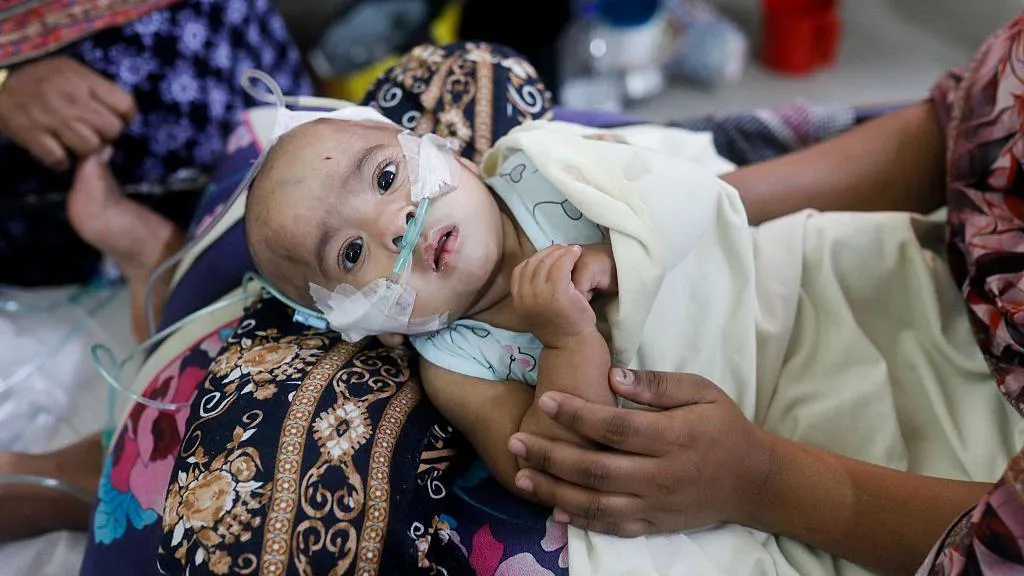
The Government of Bangladesh, in a high-stakes collaboration with UNICEF and the World Health Organization, has launched a massive emergency vaccination campaign following a devastating measles outbreak that has claimed the lives of approximately 100 children in less than a month. The rapid spread of the highly contagious virus has sent shockwaves through the nation’s healthcare system, with official data revealing over 7,500 suspected infections since mid-March. Health Minister Sardar Md. Sakhawat Hossain inaugurated the drive on Sunday, targeting more than 1.2 million children aged six months to five years across 18 of the most severely affected districts, including densely populated urban centers and rural upazilas.

This current crisis is being described by medical experts as the most lethal wave of measles in Bangladesh’s recent history. While the country has historically made significant strides in immunization—raising coverage from a mere 2% in the late 1970s to over 81%—this sudden resurgence has exposed critical “immunity gaps” that developed over the last two years. Public health officials point to a “multifactorial” collapse, citing a major vaccination drive scheduled for June 2024 that was indefinitely delayed due to nationwide political unrest. This delay, coupled with reported vaccine shortages and logistical hurdles in reaching underserved populations, has left a generation of infants vulnerable to a disease that remains a leading cause of preventable childhood mortality.
The situation on the ground is increasingly dire, particularly in northern regions and the capital, Dhaka. Hospitals in high-burden areas are reportedly overcrowded, with limited isolation capacity and a shortage of specialized pediatric care. Health officials have noted a worrying trend: while the routine measles vaccine is typically administered at nine months, a significant number of those currently falling ill are infants as young as six months who are not yet eligible for the standard schedule. In response, the emergency “jabs” are being administered to infants as young as six months to provide an immediate immunological shield against the circulating strain.
International aid agencies are sounding the alarm over the potential for further escalation. Rana Flowers, the UNICEF Representative in Bangladesh, emphasized that vaccines are the “foundation of child survival” and that the current surge puts thousands of the most vulnerable at serious risk. Beyond the immediate deaths, experts warn of the long-term complications of measles, including encephalitis, severe pneumonia, and permanent blindness, which could burden the nation’s social fabric for years to come. The government has mobilized thousands of healthcare workers and volunteers to ensure that no “zero-dose” child is left behind in the 30 identified high-risk administrative zones.

As the emergency phase of the campaign continues through the coming weeks, a broader nationwide rollout is scheduled to begin on May 3, 2024, to cover all remaining districts. Prime Minister Tarique Rahman has directed senior cabinet members to oversee the logistics personally, ensuring that the necessary funding and supply chains are unblocked. For the parents in districts like Cox’s Bazar and Sylhet, the arrival of the vaccine teams represents a desperate race against time. The success of this intervention will be a defining test for Bangladesh’s post-unrest healthcare recovery and its ability to protect its youngest citizens from a resurgent and ancient foe.
Related News:
 Learner Drivers to Face CPR and Defibrillator Questions in New Theory Tests
 Compulsory Period Education for Boys and Girls Urged by New Study
 Calls Grow for a Complete Ban on Smacking as Public Opinion Shifts
 Costa Blanca Holiday Horror as Food Poisoning Outbreak Hits Four-Star Hotel
 CDC Plunged Into Turmoil as Ousted Chief Susan Monarez Refuses to Step Down
 Ofsted Pushes Ahead with Controversial New Inspection Regime Despite Widespread Opposition
 Special Needs Reforms Risk Becoming ‘Welfare Reforms Mark 2,’ Warns IFS
 UK Graduates in Healthcare Report Highest Satisfaction with Degree Choices
 First Group of Children from Gaza Arrive in UK for Life-Saving NHS Treatment
 Global Study Reveals Violence in GP Surgeries Linked to Long Waiting Times and Drug Refusals
 Covid School Closures in UK Severely Disrupted Children’s Lives, Inquiry Finds
 Conservation Pioneer Jane Goodall Passes Away at 91
 UK Universities Warn Students Ahead of 7 October Pro-Palestine Protests
 MPs Urge UK to Let Gaza Scholars Bring Their Children
 Phillipson Warns Parents Over Poor Quality Online Advice
 One in 12 Secondary Pupils Sent to Isolation Weekly
 Marie Curie Launches End-of-Life Checklist to Ease Stress
 How Bringing Forests Into Preschools Boosts Children’s Health
 Posthumous books are messy and fraught – but Virginia Giuffre’s gives her a voice
 The diet that can significantly ease symptoms of IBS
 UK University Suspends Human Rights Research Following Pressure from China
 UK University Faces Counter-Terror Probe Over China Pressure
 Top Christmas Books Reads: Classics to Cozy Romcoms
China-critical UK academics face ‘extremely heavy’ pressure from Beijing
Top Christmas Books Reads: Classics to Cozy Romcoms
China-critical UK academics face ‘extremely heavy’ pressure from Beijing
 London’s Childlessness Crisis: Schools Closing as Families Shrink
 No link found between paracetamol in pregnancy and autism
 Algeria Pardons French-Algerian Novelist Sansal After Year in Jail
 Nigerian Education Reversal: Mother-Tongue Teaching Scrapped
 Scottish Families Take Legal Action Over School CO Leak
 Europe, North America face early wave of bird flu
 US Healthcare Needs Fixing, But There’s No Agreement on How to Do It
 Facing a Demographic Catastrophe, Ukraine Is Paying for Troops to Freeze Their Sperm
 Greenland Says ‘No Thanks’ to Trump’s US Hospital Boat Offer
 Drugs, Denial, Stigma: Fiji’s HIV Crisis Hits Children
 ‘I Wanted to Save Her Life’ — The Moment Twin Sisters Learned They Were Identical
 Martin Short’s Daughter Katherine Dies at 42
 Larry Summers Resigns From Harvard Amid Epstein Files
 Tick Bite Tragedy Claims Teen in Meat Allergy Case
 Hospital Fungal Outbreak Sparks Major Cover-Up Claims
 The Sad, Strange Story of the World’s Most Radioactive Paradise
 Wellness Peptide Craze: Why People Are Injecting Drugs ‘Not for Human Consumption’
 Not in the Mood to Exercise? These Simple Daily Habits Work Every Time
 Allergy Training to Become Compulsory in Schools in England
 Tehran Diary: Dark Days Under Relentless Bombardment
 Canada Plasma Deaths Raise Safety Concerns After Two Donors Die
 Screen Time for Under-Fives Should Be Limited
 Horror in the Outback as Crocodile Kills World-Renowned Doctor
 Parents Face New Rules For Kids And Screen Time In Britain
 ‘I’m So Ready’: Céline Dion Announces 10-Night Paris Comeback Residency
 Starmer Issues 48-Hour Ultimatum to Resident Doctors: Call Off ‘Reckless’ Strikes or Lose Job Package
 ‘The Invisible Killer’: Chiang Mai Air Pollution Sparks Health Crisis as Children Suffer Nosebleeds
 ‘The Invisible Killer’: Chiang Mai Air Quality Crisis Sparks Pediatric Health Emergency
 “An Amazing Legacy”: Prince William Praises Incredible £20m Milestone for Bowelbabe Fund
 “He Was One of the Kindest People I Knew”: The Tragic Death of Oliver Robinson
 Chaos at Ibrox as Martin’s Rangers Era Comes to an End
 Sir Michael Caine Urges Starmer to End Smacking in England
 M&S and Morrisons Lead Christmas Supermarket Taste Test
 Russia’s Latest Push to Win US Favors Shows Deep Desperation
 BBC to Apologise Over Edited Trump Speech Amid Backlash
 Reeves rejects £1bn plea for NHS redundancy payouts
 Phillipson Accused of Appeasing Unions by Diluting EBacc
 Greene Pushes Epstein Files Amid Trump Fallout
 Zelenskyy Signs Fighter Jet Deal Amid Russian Drone Attacks
 Shadow Fleet at Sea: Europe’s Battle Against Illicit Oil Shipping
 Hilary Knight speaks out on Trump’s recent hockey remarks
 American Citizen Killed in Cuba Boat Shooting, U.S. Officials Say
 Iran’s Regime Still Intact — Coming Days Will Test Its Survival
 In Maps: Strikes Across Iran and the Middle East
 Brit ‘in Good Spirits’ Amid Dubai Missile Attacks, Stranded but Safe
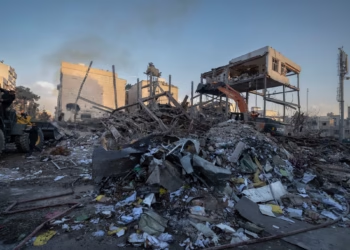 Civilian Deaths in Iran Pass 700 Amid Fear of Bombs and Regime Clampdown
 ‘Every Day Feels Like a Month’: Iranians Describe Life Under ‘Constant’ US‑Israeli Strikes
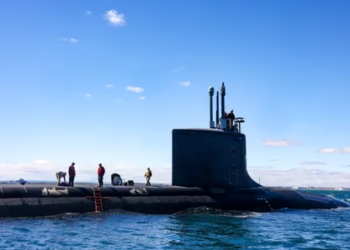 Penny Wong silent on Australian crew in sub strike
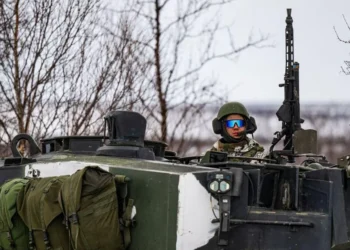 Finland Plans to Lift Decades‑Old Ban on Hosting Nuclear Weapons
 Trump Pressures Congress Over Save America Act
 Iran War Puts Trump at Political Risk Amid Rising Prices
 Goma Drone Attack Kills Three as Conflict Escalates
 Queensland Protest Laws Spark Free Speech Backlash
 Social Media Giant Trial Reaches Final Jury Decision
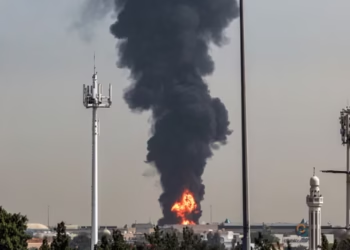 Trump Nato threats expose Iran strategy vacuum
 Charity Watchdog Takes Control of Learning Disability Care Home