Published: 19 April 2026. The English Chronicle Desk. The English Chronicle Online
A senior Justice Department official has come under renewed scrutiny amid reports she is being considered for a higher role in the US legal system, as critics and supporters clash over her record in civil rights enforcement and her alignment with Donald Trump’s wider political agenda for federal law enforcement.
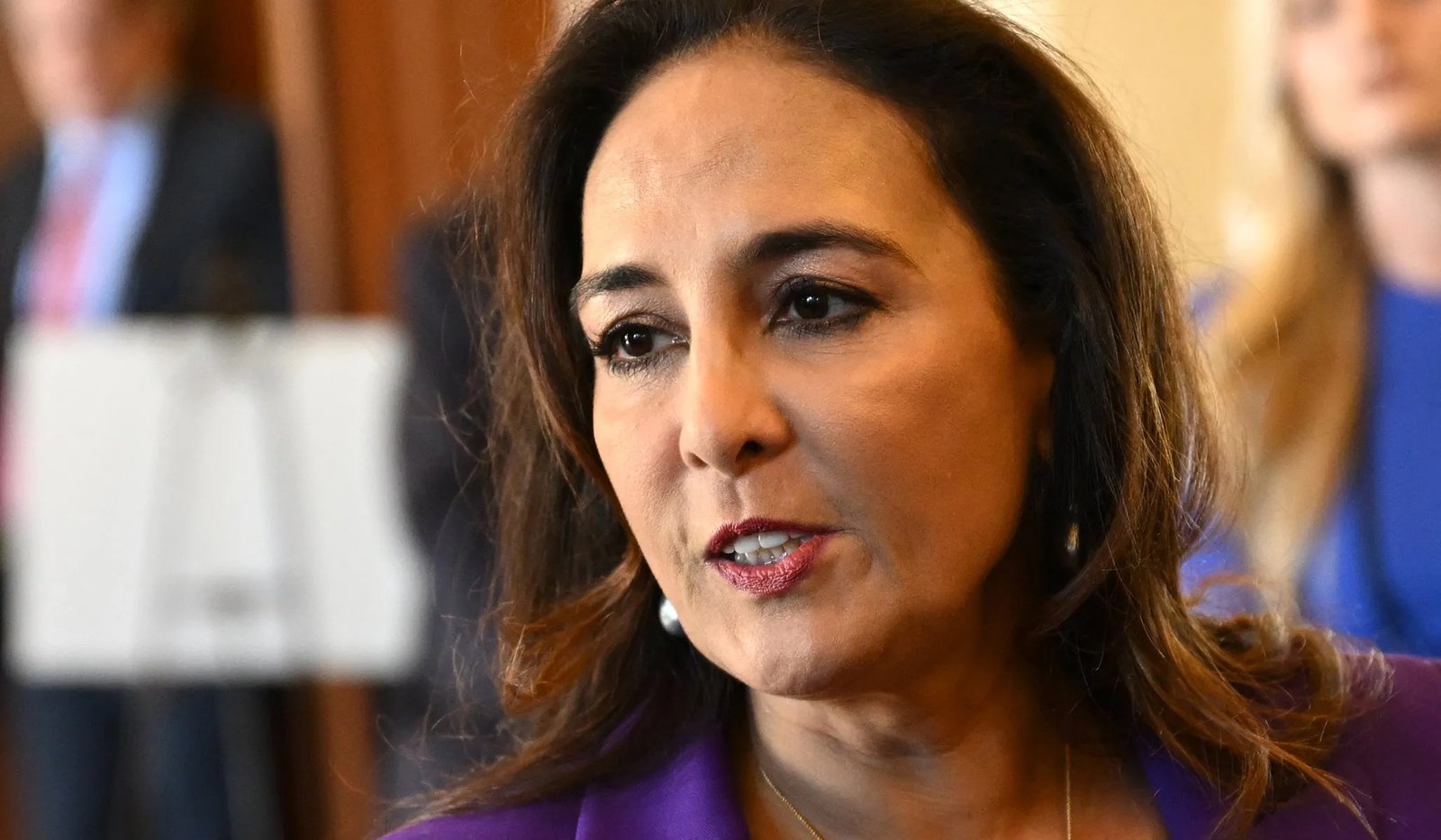
Harmeet Dhillon, who currently serves in a leadership position within the civil rights division of the United States Department of Justice, has emerged as a polarising figure in Washington legal and political circles. According to multiple reports, she is being considered for a senior promotion that could place her among the top officials overseeing civil litigation and potentially influence the department’s broader direction under a second Trump administration.
The discussion around her potential rise comes amid claims that President Donald Trump is seeking to reshape the Justice Department into a more aggressively aligned instrument for pursuing investigations and prosecutions against political opponents. The White House and allied officials have previously indicated a desire for stronger executive control over federal law enforcement priorities, though such an approach has drawn sharp criticism from legal experts who warn it could undermine institutional independence.

Trump’s relationship with the Justice Department has been politically charged for years, and tensions intensified following disputes over investigations involving figures close to him as well as ongoing legal challenges faced by the former president himself. While supporters argue that reforms are necessary to correct perceived bias within federal institutions, critics say the direction being pursued risks turning law enforcement into a tool of political retribution.
Dhillon’s tenure has been particularly controversial within the civil rights division, where she oversees enforcement of federal anti-discrimination laws. Since taking on her role, she has reportedly overseen a significant shift in priorities, with some long-standing civil rights cases being dropped or deprioritised while new areas of focus have been introduced. These changes have sparked concern among former officials who argue that the traditional mission of the division has been fundamentally altered.
Former leaders of the civil rights division, including those who served under previous administrations, have publicly criticised the direction of the office. Kristen Clarke, who previously led the division, has argued that core enforcement areas such as voting rights protection, housing discrimination, and hate crime investigations have been weakened. She and others have warned that changes in staffing and policy emphasis have left vulnerable communities with reduced federal protection.
At the same time, Dhillon has defended her approach, arguing that the division is being redirected toward enforcing civil rights laws in a more balanced and constitutionally grounded manner. In public statements and interviews, she has emphasised the importance of addressing discrimination “in all forms,” including cases involving alleged bias against white Americans, which she and allies argue have been under-recognised in previous enforcement strategies.
Critics, however, contend that this reframing represents a significant departure from historical civil rights priorities. Several former department attorneys have described internal upheaval, including reassignment of experienced lawyers and a notable exodus of staff from the division. According to those accounts, long-serving officials were moved to less prominent roles or encouraged to leave, contributing to what some describe as a loss of institutional expertise.
Concerns have also been raised about communication practices and the public handling of investigations. Reports suggest that Dhillon has maintained a highly visible presence on social media, including posting updates related to ongoing or newly opened inquiries. Legal experts have questioned whether such practices align with traditional Department of Justice norms, which typically limit public commentary on active investigations to preserve procedural integrity.
One of the most contentious aspects of her leadership involves the pace and structure of civil rights investigations. Former officials claim that in some cases, legal teams have been given unusually short timelines to prepare major cases, while others argue that decisions appear to be driven more by public or political narratives than by long-standing evidentiary review standards. These allegations remain disputed and have not been independently verified in full detail.
Supporters of Dhillon argue that the civil rights division had become overly bureaucratic and ideologically driven in previous years, and that reforms were necessary to restore balance and accountability. They claim that her leadership has brought greater focus to enforcement consistency and reduced what they describe as politically motivated litigation.
Dhillon’s broader political background has also contributed to the debate surrounding her role. Before joining the federal government, she was active in Republican legal and political circles in California and worked on high-profile legal challenges related to election law and constitutional disputes. She has also been associated with legal advocacy connected to former President Trump and his allies, including litigation following the 2020 presidential election.
Her supporters highlight her legal experience and long-standing involvement in Republican politics as evidence of her qualifications for senior federal leadership. They argue that her willingness to challenge entrenched bureaucratic structures demonstrates independence rather than partisanship.
However, critics argue that her past political affiliations raise questions about neutrality in a department that is traditionally expected to operate independently of direct political influence. The Justice Department has historically maintained a separation between political leadership and career attorneys to preserve public trust in the fairness of federal law enforcement decisions.
The debate has intensified as discussions continue about whether Dhillon could be appointed to an even higher position within the department, potentially placing her in a role overseeing multiple divisions and influencing national litigation strategy. If appointed, she would be positioned to shape key areas of federal legal policy, including civil litigation priorities and enforcement standards.
Legal scholars remain divided on the implications of such a move. Some argue that leadership changes are a normal part of political transitions and reflect the democratic process, while others warn that excessive politicisation of the Justice Department could weaken its credibility and independence over time.
Within the broader context of American politics, the controversy reflects ongoing tensions over the role of federal institutions in an increasingly polarised environment. The Justice Department, in particular, has become a focal point for debates about accountability, executive authority, and the boundaries between law enforcement and political leadership.
Observers note that similar debates have emerged in previous administrations, though the intensity of current divisions appears heightened due to overlapping legal proceedings involving high-profile political figures. The intersection of legal authority and political rivalry has made appointments to senior justice roles especially sensitive.

As discussions about Dhillon’s future continue, officials within the department have not publicly confirmed any final decision regarding her potential promotion. A spokesperson for the Justice Department has emphasised that personnel matters remain internal and that the department continues to focus on its statutory obligations.
Meanwhile, political analysts suggest that the outcome of this debate could signal the direction of federal law enforcement policy in the coming years, particularly if Trump returns to office and pursues structural changes within the Justice Department.
For now, Harmeet Dhillon remains a central and divisive figure in the conversation about the future of American civil rights enforcement, with her leadership style and policy decisions continuing to draw both strong support and significant criticism across the political spectrum.
Related News:
 Swalwell Faces Pressure to Quit Governor Race
 US judge dismisses Kilmar Abrego Garcia indictment
 Gunman Killed After White House Security Shootout
 It’s time to come clean on the China spy case
 French Taxi Driver Cleared in David Lammy Theft Case After Fare Dispute
 Met Police Culture Makes Racial Harm ‘Inevitable’
 Remaining rebel Labour MPs have whip restored
 South African Detained After Neo-Nazi Rally in Australia
 Trump Signs Bill Releasing Justice Department Files on Epstein
 Trump Slams Democrats With ‘Seditious’ Death Claim
 US National Guard Member Killed in DC Shooting
 Trump to pause migration from ‘third-world countries’
 Franklin Turtle, Sabrina Carpenter Slam US Social Media Use
 Trump officials continue false claims after Alex Pretti shooting
 Files Link Andrew to Epstein Dinner After Prison Release
 Partial US Government Shutdown Hits Homeland Security Funding
 Thousands Protest ICE Operations in Nationwide US Day of Action
 Melania Trump Epstein remarks spark survivor backlash
 Mass Arrests at London Palestine Protest Spark Debate
 Trump at Press Dinner Sparks Tension
 US Labor Department in turmoil after secretary resigns
 Trump DOJ Targets James Comey Again
 Judge Blocks Trump Bid for Arizona Voter Data
 US Court Weighs Fate of TPS for Migrants
 Florida Redistricting Map Sparks Major US Political Battle
 US Voting Rights Ruling Sparks Celebration and Outcry
 FBI Links Brown University Shooting to Long-Term Grievances
 US Charges Sinaloa Governor in Major Cartel Case
 US Court Ruling Reshapes Voting Rights Landscape
 Cartel crackdown raises fears of fresh violence
 US states redraw maps after voting rights ruling
 Judge halts deportation of Yemeni refugees in US
 White House Security Case Sparks Political Firestorm
 Trump warns Iran as Middle East tensions surge again
 US Supreme Court fast-tracks Voting Rights ruling
 US ‘Narco Boat’ Strikes Draw Global Outcry
 US Court Restores Abortion Pill Access Temporarily
 Immigration Judges Fear Pressure in Trump Era
 FDA Chaos Deepens as Trump Eyes Makary Exit
 US green card applicants must apply from abroad, DHS says
 Tulsi Gabbard exits after turbulent intelligence tenure
 Trump’s Revenge Drive Deepens GOP Divide
 Former ICC prosecutor condemns US sanctions
 Irish Gangland Figure Fails in Dublin Election Bid
 DeSantis’s ‘Alligator Alcatraz’ Faces Final Shutdown
 Prosecutor Proposes Law to Combat Election Deceit
 Trump Weighs Retreat from Controversial $1.8bn Slush Fund
 Murder Probe Continues After Arrest Release
 Mystery Grows Over Mitch McConnell’s Health
 Trump Refuses to Sign Housing Bill, But Law Takes Effect
 Trump Orders Signs Criticising Smithsonian Museum
 Pradhan Resigns Amid Protests
 Major Rent Reform Ends No-Fault Evictions in England
 Greene Pushes Epstein Files Amid Trump Fallout
 Trump Deploys DHS to Charlotte in Major Arrest Operation
 Man Denies Stealing Bronze Age Gold from Museum
 Runaway Driver Caught by DNA Evidence
 ICC to Rule on Duterte’s Provisional Release
 American Mother Extradited From UK to U.S. on Murder Charges
 Australia grants Asio powers to designate hate groups under new laws
 Trump press secretary attacks reporter over ICE question
 Trump Fed bid heads to Supreme Court
 Sinema payment row deepens after $9,000 transfer claim
 Nurses’ families fear breakup under UK immigration crackdown
 Adelaide University Faces Backlash Over Event Cancellation
 Proposed Law Leaves Gap for Children of Convicted Paedophiles
 Trump Signals Hope for New Iran Talks as Ceasefire Fades
 Ben Roberts-Smith Denies War Crime Allegations in First Statement
 Crackdown Backfires on UK Climate Protesters
 Trump Defiant After Washington Hotel Shooting
 Identity Revealed: Suspected Washington Gunman Named
 Trump approval plunges amid Iran war fears
 Ohio’s Battle for Trust: Democrats Vying to Flip the Buckeye State
 Afghan Families Left in Limbo Face Risk of Deportation
 US Awaits Iran Reply on New Ceasefire Proposal
 US Courts Back Trump on Park Signage Removals
 Trump’s Mount Rushmore Speech: A Divisive Anniversary
 Ukraine Creates Long-Range Strike Command
 Houthis Strike Saudi Arabia as Middle East Tensions Rise
 Westminster Council Threatens Charing Cross Soup Kitchen