Published: 24 April 2026. The English Chronicle Desk. The English Chronicle Online
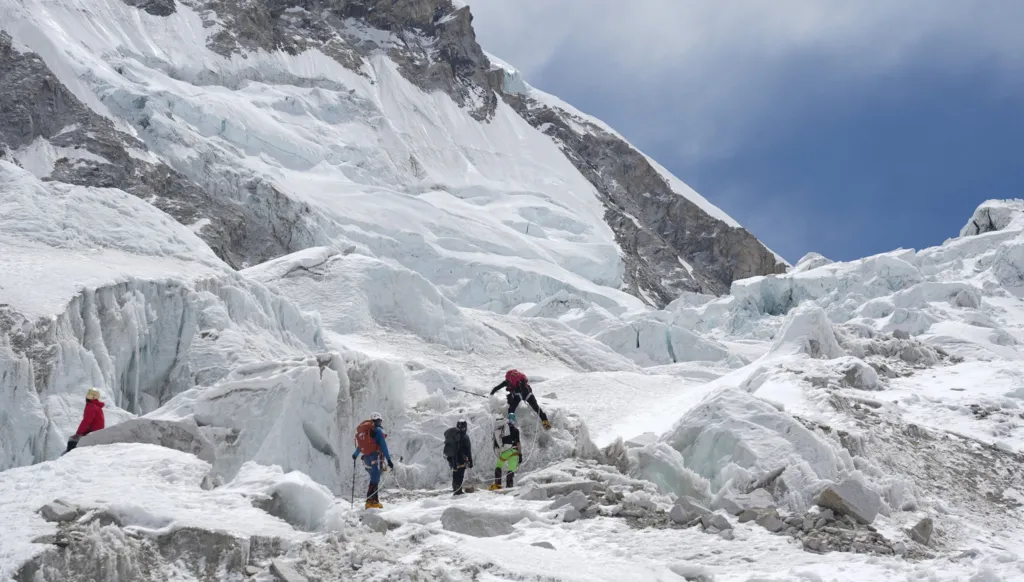
The “Icefall Doctors” of Mount Everest have met an immovable object. In what is being described as a “nightmare scenario” for the 2026 spring climbing season, a massive, unstable chunk of glacial ice—known as a serac—has completely obstructed the primary route through the Khumbu Icefall. Standing approximately 100 feet (30m) tall, the slab is perched precariously just 600 meters below Camp 1, effectively cutting off the world’s highest peak from the hundreds of climbers currently acclimatizing at Base Camp.

The blockage has forced a total suspension of route-fixing activities for nearly two weeks. The elite Sherpa team responsible for securing the ladders and ropes—essential for the 410 foreign climbers and hundreds of local guides permitted this year—reported that there is no safe way to bypass or scale the obstruction. “This is not something you can fix or move,” said Himal Gautam, a spokesperson for Nepal’s Department of Tourism. “It is natural. We can only wait and assess.”
With the peak climbing window typically closing by late May, the delay has sparked fears of unprecedented “traffic jams” on the upper slopes if the route opens late.
The Waiting Game: Tshering Tenzing Sherpa, the Base Camp coordinator for the Sagarmatha Pollution Control Committee (SPCC), confirmed that no artificial melting methods are being used. The strategy remains a tense wait for the serac to “melt and crumble” naturally, a process experts hope will occur within the next few days.
The Helicopter Bridge: In an unprecedented move to regain lost time, the Department of Tourism is exploring the possibility of airlifting rope-fixing teams and heavy logistics directly to Camp 2. This would allow Sherpas to begin preparing the route to the summit while the lower blockage is resolved.
The “Drone” Factor: This season also saw the introduction of a new drone cargo service intended to reduce Sherpa trips through the dangerous icefall, a service that is now more critical than ever as traditional portering remains stalled.
The Khumbu Icefall is notorious as the most dangerous section of the Everest ascent, a shifting river of ice where a 2014 serac collapse killed 16 Sherpas. The current obstruction is located in an area particularly prone to secondary avalanches from the West Shoulder, making any attempt to “force” a route around the ice block a suicidal mission.
“The crevasse below is melting,” noted veteran Icefall Doctor Ang Sarki Sherpa. “We reached it on April 10, and it has weakened since. It is close to collapsing, but until it does, no one moves.”
For the expedition operators, the clock is ticking. Each day of delay costs thousands of dollars in lost supplies and wages, and the physical conditioning of the climbers—many of whom have paid upwards of $60,000 for the attempt—is at risk of peaking too early.
Permit Records: Despite the blockage, permit numbers remain high, with 410 issued so far, dominated by climbers from China and the United States.
The Window: Mountaineer Purnima Shrestha, who is currently at Base Camp, warned that even a quick resolution would lead to a “dangerously narrow” summit window, forcing hundreds of people to attempt the final push simultaneously.

As the sun sets over the Khumbu glacier tonight, the silence at Base Camp is punctuated only by the occasional roar of distant avalanches. The world’s most famous mountain has effectively closed its gates, reminding the “Disneyland” crowds of modern mountaineering that on Everest, it is the mountain, not the money, that dictates the schedule.
Related News:
 Asos Co-Founder Dies After Thailand Balcony Fall
 Gold Fever Hits South Africa After Lucky Find in Cattle Pen
 The Rewilding Cash Grab Driving Farmers Off the Land
 The Truth Behind Rising Energy Costs and Fossil Fuel Myths
 Millions Left Without Power as Grid Fails
 PM Seeks to Reassure Australians Over Fuel Supply
 Michel Rolland: The ‘Spielberg of Wine’ Who Directed the Global Palate
 Trump to Deploy “God Squad” Over Gulf Wildlife Protections
 ‘The Great Reset’: Behind the Wheel of Jaguar’s Most Polarizing Move in 80 Years
 Silver Linings: Why Global Tourism is Finding “Positives” Amidst Iran War Uncertainty
 The Two-Wheeled Renaissance: How Paris Swapped Cars for Bikes and Reclaimed its Soul
 ‘A Toxic Garbage Sink’: UN Expert Condemns US Waste Dumping in Mexico
 The ‘Svuota Londra’ Effect: Why the Super-Rich are Swapping Dubai for Milan
 Debt Relief or Drop in the Ocean? UK Caps Student Loan Interest at 6%
 The $100 Billion Peace: Trump’s ‘Grand Bargain’ Ends Iran Conflict at a Staggering Cost
 The ‘Golden Gates’ are Closing: Why Global Travelers are Rethinking the U.S. in 2026
 The ‘Shredder’ Syndrome: Why the 2026 Job Market is Breaking Entry-Level Spirits
 ‘No Gas, No Food’: LPG Shortage Triggers Reverse Migration in Indian Metros
 The Kitchen Table Crisis: How the 2026 Iran War Hits Your Wallet
 Hot in the City: Energy Crisis Tests Singapore’s Air-Con ‘Addiction’
 Relief at the Pump: Irish PM Unveils €505m Package to Stem Fuel Crisis
 ‘How Does One Survive?’: Factory Protests Expose Strain in India’s Industrial System
 The Empty Express: India’s $100 Billion Metro Gamble Faces a Ridership Crisis
 The ‘War Tax’: How the Iran Conflict is Siphoning Your Bank Account
 China’s crackdown on civil servant perks sparks economic concerns
 Shein UK Faces Allegations of Shifting Majority of Profits to Singapore to Reduce UK Tax
 Canada Passes Carney’s First Budget in Tight Parliamentary Vote
 ‘Extinct’ Antelope Returns to Sahara, Bringing Hope
 UK New Car Discounts Near £6,000 as Prices Are Slashed
 Snow and Rain Warnings as Cold Snap Continues in the UK
 Flooding May Worsen Before It Improves as More Rain Forecast for the UK
 Epstein Eyed Record Label Investment to Access Women, Files Suggest
 Live Nation Sees Strong Ticket Sales as Monopoly Lawsuit Looms
 Storm Hernando: Edinburgh Airport Flights Cancelled in US Travel Chaos
 ‘We Pray for Peace’: Indian Filmmaker From Troubled State Who Won a BAFTA
 Bill Gates ‘Took Responsibility’ Over Epstein Ties in Staff Meeting, Foundation Says
 Greenpeace $345m Ruling Sparks Appeal Battle
 Limited Flights Leave UAE But Disruption Continues Amid Iran Strikes
 ‘Every Day Feels Like a Month’: Iranians Describe Life Under ‘Constant’ US‑Israeli Strikes
 Tears and Cheers as Controversial Long‑Running Australian Breakfast Radio Show Implodes
 Oil Prices Surge Above $100 Amid Iran War
 Guernsey Mother Breaks Down After £11,500 Battery Waste Fine
 Sarah Ferguson Loses Another £1.5m Amid Financial Struggles
 Oil Price Jumps Despite Deal to Release Record Amount of Reserves
 ‘Heating Oil Suppliers Are Holding Us to Ransom’ as Prices and Cancellations Surge
 UniCredit’s Bold Move to Reshape European Banking
 UK Wage Growth Slows as Jobs Market Holds Firm
 Missing Cuba-Bound Aid Ships Spark Urgent Search
 Trump Threatens Iran With Total Infrastructure Destruction
 ‘Better Off Not Planting’: UK Farmers Face 36% Fertiliser Spike as Gulf Crisis Bites
 ‘The Final Word’: Kathleen Stock’s Polemic Against Assisted Dying Reshapes the UK Debate
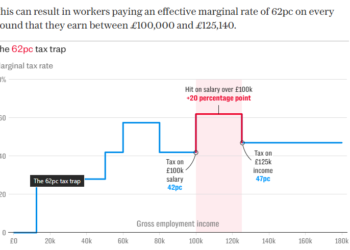 The ‘Career Ceiling’: One in Five High Earners Say £100k Tax Trap is ‘Ruining’ Their Ambition
 ‘The Cost of Living’: Asia’s Migrant Workers Debate if Gulf Jobs are Worth the Risk of War
 Russia: The Unforeseen Winner of the Iran Conflict
 British Businesses Braced as National Living Wage Hits £12.71 Published: 1 April 2026
 National Treasure: Raja Ravi Varma Masterpiece Smashes Indian Art Record with $17.9m Sale
 The Banbridge Rescue: 300 Sheep Saved from Massive Hay Shed Inferno
 US Senators Slam Ticketmaster Over Sneaky New Fee Hikes
 Pope Leo Urges Peace in First Easter Mass Address
 Oil and Diplomacy: Russian Refineries Burn as Zelenskyy Secures Middle East Shield
 “A Perfect Storm”: UK Small Businesses Face Doubling Energy Bills as Iran War Rattles Markets
 Electric Shock: Australians Buy Record Number of New EVs as Fuel Crisis Bites
 War, Windfalls, and the Carbon Trap: The Iran Conflict’s Brutal Energy Math
 The Great Saddle-Up: Sydney Commuters Ditch the ‘Crazy’ Bowsers for the Bike Lane
 ‘The Soul of Spain’: Politicians Clash Over Renewed Push to Move Picasso’s Guernica
 The Suffocating Silhouette: Why Metal’s Mask Trend is Turning Deadly
 The Fallen Icon: Ben Roberts-Smith Charged with Five War-Crime Murders
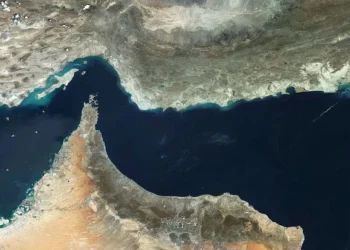 The Great Chokehold: Why the Strait of Hormuz is the Epicenter of the 2026 Crisis
 The Pre-School Lottery: Families Left in ‘Holding Pattern’ as Local Places Vanish
 Moldova River Crisis Exposes War’s Hidden Cost
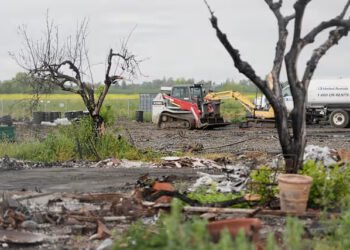 California fireworks blast: murder charges filed in case
 The Waiting Ward: ‘Month of Worry’ as Doctor Strikes Trigger Seismic Surgery Delays
 Diplomatic Deadlock: Lebanon Enters High-Stakes Border Talks with ‘No Cards to Play’
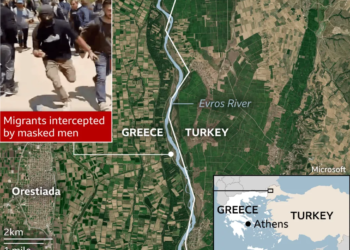 The Masked Frontier: Allegations of Greek Police Using Proxies for ‘Seismic’ Border Pushbacks
 Blockbuster Resurrection: Avengers Reassemble and Top Gun Returns as Studios Tease 2026 Slate
 The Fog of War and the Ticker Tape: Suspicious Trades Rile Washington
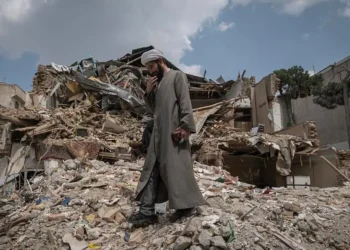 Brinkmanship in Islamabad: Tehran Vows ‘New Battlefield Cards’ as Ceasefire Wanes
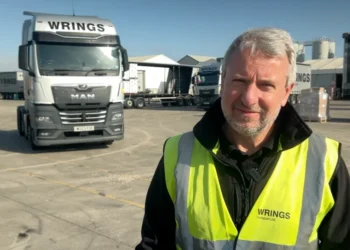 ‘The £100,000 Hammer’: War in Iran Forces UK Businesses to Absorb Historic Fuel Hikes
 ‘A Fragile Calm’: Oil Prices Dip as Trump Extends Iran Ceasefire, But Blockade Holds Firm
 “Jobs Will Go”: Rishi Sunak Warns AI is Already Eroding Entry-Level Opportunities