Published: 24 April 2026. The English Chronicle Desk. The English Chronicle Online
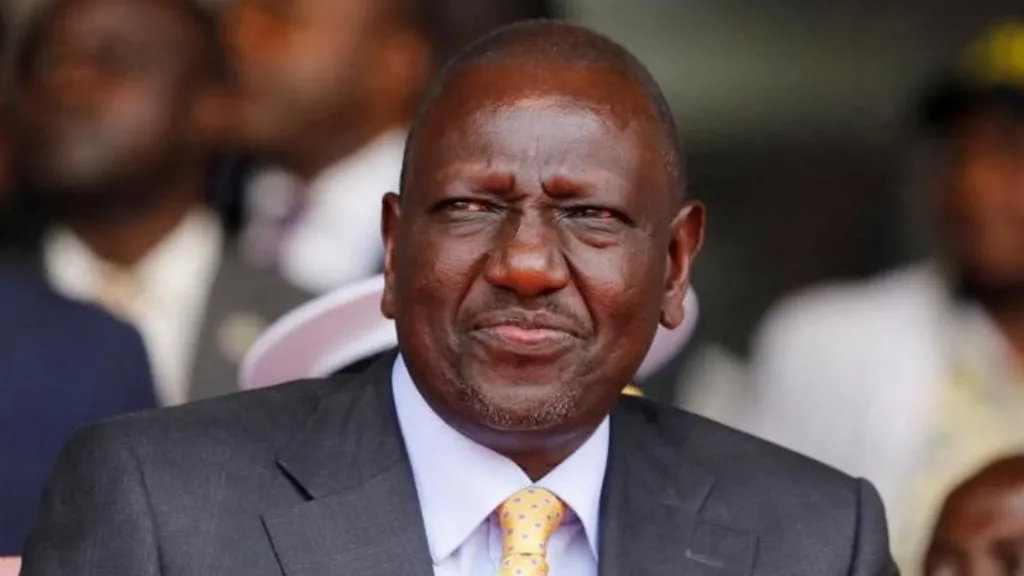
A digital “border war” has erupted between East and West Africa following provocative comments by Kenyan President William Ruto, who claimed that Nigerians speak English so poorly that they require a “translator.” Speaking at a diaspora event in Italy on Monday, April 20, Ruto took a direct swipe at the Nigerian accent while praising Kenya’s own linguistic standards. The remarks have ignited a firestorm of criticism across social media, with prominent Nigerians and cultural commentators accusing the Kenyan leader of being “unintelligent,” “delusional,” and “diabolic.”

The controversy is being viewed not just as a linguistic slight, but as a sharp diplomatic “clapback” to recent comments made by Nigerian President Bola Tinubu. Earlier this month, Tinubu had urged Nigerians to be grateful for their current economic situation, claiming they were “better off” than citizens in Kenya—a country that has faced massive youth-led protests over fuel hikes and the rising cost of living. Ruto’s response, delivered to a laughing audience in Rome, appears to have been a calculated attempt to hit back at Nigeria’s perceived arrogance.
During his speech, President Ruto stood firm on Kenya’s educational superiority, using the English language as his primary metric of success.
“Kenyans, our education is good. Our English is good. We speak some of the best English in the world,” Ruto stated. “That’s true. If you listen to a Nigerian speaking, you don’t know what they are saying—you need a translator even when they are speaking English.”
The fallout was immediate. By Thursday, the hashtag #RutoVsNigeria was trending across X (formerly Twitter), with users from both nations trading insults, memes, and screenshots of global English proficiency rankings.
The reaction from Nigeria has been one of unified indignation. Critics were quick to point out the irony of an African leader using a “colonial language” as a yardstick for national progress.
The “Literary Giant” Defense: Former Nigerian Senator Shehu Sani and other commentators pointed to Nigeria’s global literary reputation, citing giants like Chinua Achebe and Wole Soyinka. “English is a tool, not a measure of brainpower,” one popular post read.
The “Brain Drain” Irony: Many were quick to remind President Ruto of his own 2025 joke, where he lamented that Kenyan women—including his own daughter, who is married to a Nigerian—prefer Nigerian men, leading to a “brain drain” in Kenya.
The Economic Reality: Opponents of the President in Kenya also joined the fray, criticizing Ruto for focusing on accents while the Kenyan shilling continues to struggle against the dollar and the cost of maize remains at record highs.
Despite the banter, data from the 2025 EF English Proficiency Index suggests a kernel of truth in Ruto’s boast, though the gap is narrow. The index ranks Kenya 3rd in Africa for English proficiency, while Nigeria follows closely in 5th place. South Africa remains the continental leader. However, linguists argue that the “difficulty” Ruto described is merely a difference in phonetic stress and local pidgin influences, rather than a lack of competence.

As the diplomatic “shade” continues to fly between Nairobi and Abuja, the incident highlights a growing rivalry between the two economic powerhouses for continental dominance. While President Ruto’s supporters see the comments as a “lighthearted roast” in response to Tinubu’s economic taunts, the broader African community is left questioning why two of its most powerful leaders are feuding over the King’s English instead of focusing on the common challenges of inflation and energy security. For now, the “translator” Ruto joked about isn’t needed for the message he sent: the rivalry between Kenya and Nigeria has entered a new, much louder phase.
Related News:
 Police Assessing Stansted Airport Private Flights Over Epstein Ties
 Inside Kyiv’s resolve as conflict nears five‑year mark
 What to Watch for During Trump’s State of the Union Address
 US Partially Evacuates Beirut Embassy Amid Rising Iran Tensions
 ‘It’s Eerie’ – Dubai on Edge as City Comes Under Attack
 Muslim Group Wants Mosques to Be Used as Polling Stations Ahead of UK Elections
 Manchester Students Mourn Ayatollah Amid Protest
 Baba Vanga’s Chilling World War 3 Prediction and Russia’s New Leader
 Iranian Players Get Australian Visas After Anthem Protest
 Ecuador Deploys 75,000 Forces in Anti-Gang Drive
 Missing Cuba-Bound Aid Ships Spark Urgent Search
 PM Seeks to Reassure Australians Over Fuel Supply
 Status Quo Restored: Netanyahu Intervenes After Police Block Latin Patriarch from Holy Sepulchre
 India Begins Mammoth Census for 1.4 Billion People
 Pope Leo Urges Peace in First Easter Mass Address
 ‘I Will Not Abandon Him’: Pauline Hanson Stands by Ben Roberts-Smith After War Crime Charges
 ‘The Soul of Spain’: Politicians Clash Over Renewed Push to Move Picasso’s Guernica
 ‘Seismic Change’: How Nationalist Wins in Celtic Nations Could Reshape the UK
 ‘Power Plant Day and Bridge Day’: Israel Warns Iranians Off Trains as Trump Ultimatum Looms
 The $100 Billion Peace: Trump’s ‘Grand Bargain’ Ends Iran Conflict at a Staggering Cost
 Victory or Compromise? Tehran’s Streets Erupt in Mixed Emotion Following Ceasefire
 Moldova River Crisis Exposes War’s Hidden Cost
 Relief at the Pump: Irish PM Unveils €505m Package to Stem Fuel Crisis
 Exit Stage Left: Eric Swalwell Abandons California Governor Bid Amid Misconduct Allegations
 The Disenfranchised Frontier: Political Turmoil Grips Border State as Nine Million Lose Voting Rights
 Political Aftershock: Democrats Scramble in Sacramento as Swalwell Withdrawal Upends 2026 Race
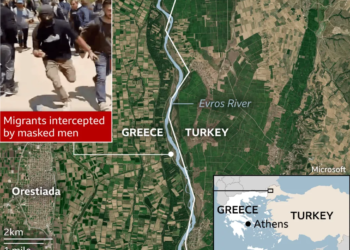 The Masked Frontier: Allegations of Greek Police Using Proxies for ‘Seismic’ Border Pushbacks
 Can This Leader Broaden the Appeal of a South African Party Seen as ‘Too White’?
 The 850-Seat Solution: India’s Women’s Quota Bill Sparks Parliamentary Expansion Row
 Canadian astronaut French words ease language row
 Sacred Site Desecration: Global Outrage as IDF Confirms Soldier Smashed Jesus Statue
 The ‘Machli’ Manifesto: Why Indian Politicians are Trading Rallies for Fish Markets
 ‘In the Beginning’: President Trump Joins 100-Hour Marathon Bible Reading
 UK Must Act with Courage and Clarity on Israel-Palestine Conflict, Says Foreign Affairs Committee Report
 Radioactive Leak at UK’s Nuclear Warhead Base Sparks Outcry Over Safety and Secrecy
 Yvette Cooper Signals Global Momentum Towards Gaza Peace Deal Amid Humanitarian Crisis
 Russia’s Latest Push to Win US Favors Shows Deep Desperation
 BBC to Apologise Over Edited Trump Speech Amid Backlash
 Britain deploys RAF specialists to assist Belgium with drone threats
 Trump Urges Herzog to Grant Netanyahu Full Pardon
 Indian authorities demolish Kashmir home linked to Red Fort blast
 Greene Pushes Epstein Files Amid Trump Fallout
 December Run-Off in Chile as Election Produces No Winner
 Shadow Fleet at Sea: Europe’s Battle Against Illicit Oil Shipping
 India’s COP30 Delay Raises Global Climate Concerns
 Georgians Defy Government Crackdown After Year of Protests
 EU Says US Ties Have Suffered ‘Big Blow’ After Greenland Crisis
 Australian Families Leave Syrian Camp for Home
 Epstein Eyed Record Label Investment to Access Women, Files Suggest
 Ukraine Negotiator Reveals What It Feels Like Facing Russia
 American Citizen Killed in Cuba Boat Shooting, U.S. Officials Say
 Iran’s Regime Still Intact — Coming Days Will Test Its Survival
 Herzog Asio meeting sparks security storm
 ‘Every Day Feels Like a Month’: Iranians Describe Life Under ‘Constant’ US‑Israeli Strikes
 Finland Plans to Lift Decades‑Old Ban on Hosting Nuclear Weapons
 Minister Meets Crews Who Will ‘Take Out’ Iranian Drones
 Nine Days of Strikes Reshape the Middle East
 Trump Pressures Congress Over Save America Act
 Iran War Puts Trump at Political Risk Amid Rising Prices
 Queensland Protest Laws Spark Free Speech Backlash
 Trump Nato threats expose Iran strategy vacuum
 Trump’s Confidence Undimmed — But Every Iran Option Carries Risk
 Israel Says Iran Security Chief Larijani ‘Killed’
 Trump Facing Backlash from Epstein Survivors Over Files
 Nepal to swear in ex-rapper as new prime minister
 UK Forces Ready to Seize Russian Shadow Fleet Vessels
 US Lawmaker Demands Testimony Over Sarah Ferguson’s ‘Close Epstein Ties’
 Trump Considers Military Operation to Seize Iran’s Uranium
 ‘The Cost of Living’: Asia’s Migrant Workers Debate if Gulf Jobs are Worth the Risk of War
 Report Says Pezzullo Acted ‘Recklessly’ in Dealings
 Hungary Claims Plot to Target Gas Pipeline Pre-Vote
 Oil and Diplomacy: Russian Refineries Burn as Zelenskyy Secures Middle East Shield
 The Suffocating Silhouette: Why Metal’s Mask Trend is Turning Deadly
 The Fallen Icon: Ben Roberts-Smith Charged with Five War-Crime Murders
 The Changing Face of Georgia: Trump-Backed Clay Fuller Wins Election
 The Great Chokehold: Why the Strait of Hormuz is the Epicenter of the 2026 Crisis
 The Frozen Frontier: Why Frostbite is the Least of Concerns for Canada’s Arctic Forces
 Diplomatic Deadlock: Lebanon Enters High-Stakes Border Talks with ‘No Cards to Play’
 The Fog of War and the Ticker Tape: Suspicious Trades Rile Washington
 Judicial Whiplash: Virginia Court Pauses Redistricting 24 Hours After Public Vote