Published: 24 April 2026. The English Chronicle Desk. The English Chronicle Online.
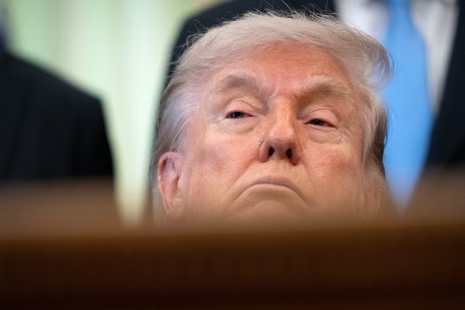
The recent social media activity of Donald Trump has sparked a significant diplomatic outcry between the United States and India. The former president shared controversial comments on his Truth Social platform that labeled the South Asian nation as a hellhole. This inflammatory language appeared within a lengthy document that criticized current United States birthright citizenship policies. The timing of these remarks is particularly sensitive given the upcoming planned visit to India by United States Secretary of State Marco Rubio. Officials in New Delhi were quick to express their profound dissatisfaction regarding these aggressive statements made by the American leader. Foreign ministry spokesman Randhir Jaiswal officially stated that these comments were entirely uninformed and inappropriate for public discourse. He emphasized that such rhetoric fails to capture the true essence of the enduring India-United States strategic partnership. This bilateral relationship has historically relied upon mutual respect and deeply shared interests between the two global democracies. The incident has cast a temporary shadow over diplomatic efforts aimed at stabilizing ties between these two influential nations.
The document shared by Trump originated from remarks attributed to podcast host Michael Savage who vehemently attacked immigration patterns. These comments specifically targeted the tech industry while making unsubstantiated claims regarding the hiring practices of Indian workers. The text incorrectly alleged that immigrants from India lack necessary English proficiency and deliberately exclude white native-born Americans from employment. Furthermore the post criticized birthright citizenship by suggesting that infants born in the United States facilitate the migration of entire extended families. Such narratives regarding immigrants have long been a focal point of intense political debate across the United States. Many observers noted that the dissemination of these views by a prominent political figure threatens to heighten existing social tensions. The Hindu American Foundation strongly condemned the post as a hateful and racist screed that endangers communities. They expressed deep concern that such endorsement of discriminatory views will exacerbate xenophobia and racism during a volatile period.

The economic contribution of the Indian diaspora to the United States remains a highly significant subject in modern demographics. Recent data from the United States Census Bureau highlights the socioeconomic status of the Indian-American population in great detail. The median household income for Indian-American families currently stands at approximately one hundred and fifty thousand dollars annually. This figure significantly exceeds the national median household income which is roughly seventy-five thousand dollars per year. Educational attainment among the Indian-American population is also exceptionally high compared to other major demographic groups in the country. Statistics indicate that over seventy-five percent of Indian-Americans aged twenty-five and older hold at least a bachelor’s degree. This level of educational success directly correlates with the high representation of Indian immigrants within the professional technology and healthcare sectors. Specifically Indian-born individuals currently hold a substantial percentage of H-1B visas which are critical for specialized technical roles. These workers provide essential labor that drives innovation and productivity within many of the largest American technology corporations today.
The impact of these immigration policies on the broader American workforce remains a complex issue for policymakers to resolve. Proponents of current immigration systems argue that these skilled workers are vital for maintaining American competitiveness in the global market. Conversely critics often argue that these policies can lead to wage stagnation or reduced job opportunities for native-born citizens. Addressing these conflicting perspectives requires a careful balance between economic necessity and the political demands of domestic voting blocs. Congressman Ami Bera was among the most vocal critics who publicly denounced the comments as being beneath the dignity of office. He pointed out that Trump has consistently failed to acknowledge the significant struggles and contributions of hardworking immigrant families. The congressman’s reaction reflects the broader sentiment of many Americans who view such rhetoric as divisive and factually inaccurate. It is evident that the narrative surrounding immigration will continue to play a pivotal role in shaping future political alignments.
Diplomatic relations between India and the United States have faced several challenges over the recent months regarding trade and mediation. Trump previously implemented significant tariffs on Indian goods after becoming dissatisfied with Prime Minister Narendra Modi during regional conflicts. These economic maneuvers were intended to signal American displeasure but they also complicated broader strategic objectives in the Asian region. The United States has historically viewed India as a crucial counterweight to the growing influence of China in the Indo-Pacific area. Maintaining this strategic alliance requires consistent diplomatic engagement and the avoidance of unnecessary friction between the two nations. Secretary of State Marco Rubio is now tasked with navigating these complexities during his scheduled trip to New Delhi next month. His primary goal will be to reassure Indian leadership of the continued commitment of the United States to this partnership. Observers suggest that the recent social media post will likely be a topic of discussion during his upcoming high-level meetings.
The fallout from these remarks highlights the increasing intersection of domestic political rhetoric and international diplomatic relations in the digital age. Social media platforms now serve as primary venues where political figures broadcast messages that resonate far beyond their domestic borders. International leaders must increasingly address these digital provocations while attempting to manage delicate diplomatic situations behind closed doors. The reaction from the Indian government demonstrates their intent to defend national dignity against what they perceive as harmful and inaccurate characterizations. As the United States approaches future electoral cycles it remains clear that immigration policy will continue to influence external relations. Finding a path forward will require both nations to reaffirm their shared values while addressing the underlying concerns of their respective populations. The resilience of the India-United States relationship will be tested as leaders work to move past this current period of tension. Both countries ultimately stand to benefit from a stable and cooperative partnership that promotes prosperity and security in a changing global landscape. Ensuring that bilateral communication remains professional and constructive is now more essential than ever for long-term stability. The international community will be closely watching how these developments unfold over the coming weeks of diplomatic activity.
Related News:
 Scottish Government Mandates Single-Sex Toilets and Changing Facilities in Schools
 Reeves Faces Setback as Labour May Miss Homes Target
 Kate Winslet to Narrate Film Highlighting King’s Environmental Mission
 Trump’s UK Ambassador Urges North Sea Drilling to Strengthen US Ties
 UK Bans Fake Numbers: Scammers Lose Their Trick
 Vibe coding’ named Collins dictionary’s word of the year
BBC to Apologise Over Edited Trump Speech Amid Backlash
Vibe coding’ named Collins dictionary’s word of the year
BBC to Apologise Over Edited Trump Speech Amid Backlash
 Millionaires group urge Reeves to introduce wealth tax to ‘lift kids out of poverty’
 Reeves rejects £1bn plea for NHS redundancy payouts
 PM Condemns Leaks, Vows Loyalty to Ministers and Stability
 Phillipson Accused of Appeasing Unions by Diluting EBacc
 Saka Solidifies Role as Tuchel’s Key England Lieutenant
 Greene Pushes Epstein Files Amid Trump Fallout
 Zelenskyy Signs Fighter Jet Deal Amid Russian Drone Attacks
 Sundar Pichai Cautions on AI Hype and Market Risks
 Shadow Fleet at Sea: Europe’s Battle Against Illicit Oil Shipping
 Snow and Ice Cause Travel Chaos in North Yorkshire
 Director Michael Caton-Jones Reflects on Career and Beginnings
 Inside the Helpline Protecting Missing Children in the UK
 PlayStation PS5 Deals Hit Lowest Prices Ahead of Black Friday
 US Suspends Afghan Immigration After White House Shooting
 Five-Year-Old Dies After Rare Tonsil Surgery Complication
 Starmer Says Labour’s Economic Plan Needs Years to Deliver
 ‘Extinct’ Antelope Returns to Sahara, Bringing Hope
 IndiGo Cancels Hundreds of Flights Amid Pilot Shortages
 Young Britons Face Heaviest Burden from Ageing Population, Lords Warn
 U‑Turn on Farmers’ Inheritance Tax Sparks Political Firestorm
 Aston Villa Remain Arsenal’s Key Obstacle in Title Pursuit
 Irish Beach Tragedy: Irish Drown at Whitehaven Beach in Australia
 The Kill Line: A Shifting Vision of the American Dream
 Inquiry into HMRC child benefit errors launched by NAO
 Family of Alleged Bondi Gunman Seeks Name Suppression
 Rising Costs Force Families to Rethink Days Out
 Air Canada CEO Faces Outcry Over Recent Language Misstep
 Extreme Weather: Europe Shivers as Cyclone Narelle Hits
 Scott Mills Sacked by BBC Over Personal Conduct Claims
 Palantir Boss Defends NHS Deal Amid Government Break Clause
 Asia Turns Back to Coal Amid Middle East Energy Crisis
 Relationship with Trump may be beyond repair, Starmer warned
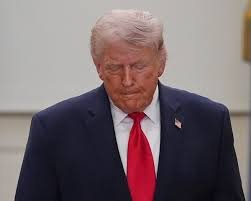 Trump’s Six-Week Iranian War: The High Cost of Ignorance
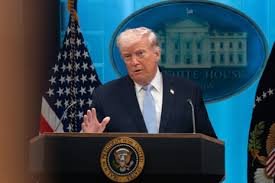 US and Iran Agree to Two-Week Provisional Ceasefire
 Battle of Britain Tower to House Tourists and Bats
 The Challenger: Will Péter Magyar End the Orbán Era?
 UK Government Poised to Revive Stalled Hillsborough Law
 Democrats Move to Impeach Defense Secretary Pete Hegseth
 Security Alert Near Israeli Embassy as Police Investigate
 Ben Roberts-Smith Denies War Crime Allegations in First Statement
 Home Office Faces Legal Risks Over Asylum Hotel Living
 US-Iran Standoff: Will Trump Deploy Ground Troops?
 Crisis in NHS Surgery Scheduling Hits Patients Hard
 Trump Defiant After Washington Hotel Shooting
 Cross-Border Crisis Shatters Fragile Afghan Peace
 Urban Flood Crisis: A Growing Threat to English Homes
 Ashley Cole: Finding His Voice and Vision in Italy
 New AI Tool To Target Obesity Risk And Transform NHS Care
 Greens Face Internal Row Over Antisemitism Claims
 Tough Fiscal Realities Await Next Scottish Government
 The Burning Lens: An Iranian Artist’s Visual Resistance
 Met Officers Probed Over Al Fayed Abuse Allegations
 One Nation Candidate’s Surprising Ties to Independents
 Aramco Surges as East-West Pipeline Counters Gulf Tensions
 Reform UK Faces Crisis as Newly Elected Councillors Resign
 Starmer Strikes Back as 100 MPs Sign Support Pledge
 Scepticism and tight security as Beijing braces for Trump
 Tensions Flare as Israeli Nationalists March in Jerusalem
 UK Firms Freeze Spending as Iran Conflict Bites
 UK Job Market Squeezed as Iran War Drives Jobless Rate to 5%
 Reeves to Fast-Track Clean Energy Amid Iran Crisis
 The Battle for Wembley Sparking Unprecedented Legal Warfare
 Tony Abbott Returns as New Liberal Party President
 Pope Meets Families in Italy Toxic Waste Zone
 Royal Ascot Allegation Sparks Wider Police Inquiry
 Secret Role of UK Security Services in Troubles Amnesty Law
 Tube Strike Brings Capital to a Standstill Over Shift Disputes
 Teaching Machines Right From Wrong in the Digital Age
 Is Ollie Robinson the Chaos English Cricket Needs Today?
 The Hidden Crisis Eroding Trust in British Communities
 Saving the Scalloped Hammerhead: The Pacific Battle
 Stolen Mobiles Could Soon Become Useless Bricks
 Clean Air Initiatives Spark Major Fall in London Hospital Admissions