Published: 29 April 2026. The English Chronicle Desk. The English Chronicle Online
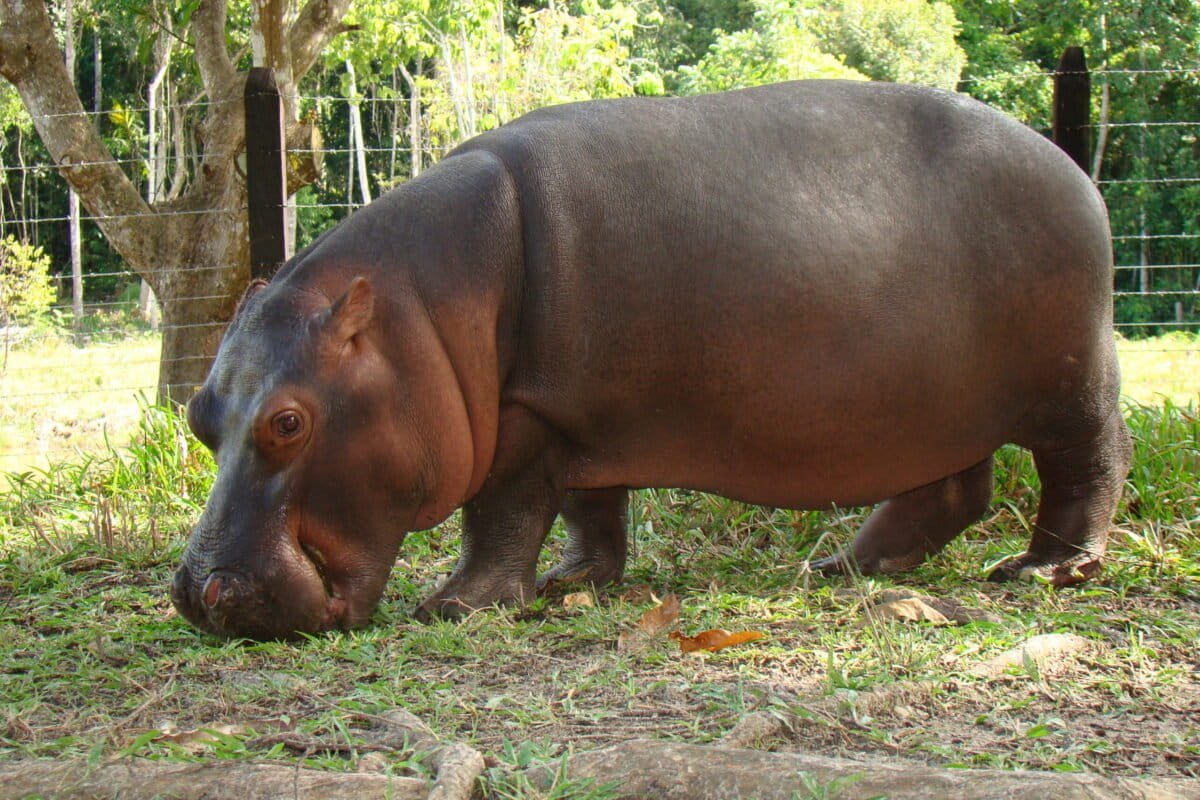
An extraordinary proposal has once again brought global attention to one of the most unusual environmental dilemmas in modern history: the future of the hundreds of hippos descended from those once owned by Colombian drug lord Pablo Escobar. In a move that has sparked both fascination and debate, Indian billionaire Mukesh Ambani’s son, Anant Ambani, has renewed an offer to relocate around 80 of the animals to his private wildlife sanctuary in India.
The proposal, centred on transporting the animals from Colombia to the Vantara animal rescue facility in the western Indian state of Gujarat, has revived discussions that first surfaced years ago but were previously stalled due to logistical, legal and ethical complications. The hippos, now numbering more than 200 in the wild, have become an ecological challenge in Colombia, where authorities are struggling to control their rapidly expanding population.
The story of these animals begins in the 1980s when Escobar, at the height of his power and influence, imported several exotic animals to his private Hacienda Nápoles estate. Among them were four hippos, brought from Africa for display in his private zoo. After Escobar’s death in 1993, most of the estate’s animals were relocated or removed, but the hippos were left behind in the Magdalena River basin. With no natural predators and a climate that suited them well, the animals adapted quickly and began to multiply.

Over the decades, what started as a handful of escaped exotic animals has turned into what Colombian authorities now describe as an ecological crisis. The hippos have spread across waterways, damaging vegetation, displacing native species and occasionally coming into conflict with local communities. Conservation experts estimate that without intervention, the population could exceed 1,000 within the next few decades, intensifying concerns about environmental balance in the region.
Colombian officials have recently taken steps to control the situation, including sterilisation programmes and, more controversially, proposals for culling. These measures have triggered strong reactions from animal welfare groups, who argue that lethal control is not an acceptable solution for animals that were originally introduced by humans.
It is within this complex and emotionally charged context that Anant Ambani’s renewed proposal has emerged. Speaking through a statement, he described the hippos as “living, sentient beings” that should not be held responsible for their circumstances. He argued that if a humane solution exists to protect them, it carries a moral obligation to be pursued. His plan involves relocating the animals to Vantara, a large-scale private conservation facility that houses a vast number of rescued and endangered species.
Vantara itself is a sprawling and highly ambitious project, home to an estimated 150,000 animals, including elephants, big cats, reptiles and various endangered species. It has been presented as a centre for wildlife rescue, rehabilitation and conservation. However, the sanctuary has also faced criticism and scrutiny from wildlife organisations and international observers. Concerns have been raised about transparency in animal sourcing, regulatory oversight and whether such a large private facility can consistently meet global conservation standards. Despite these questions, the project has received strong backing within India and was publicly endorsed by Prime Minister Narendra Modi during its relaunch.
Anant Ambani has now directly appealed to the Colombian government, calling for what he describes as a scientifically guided and ethically managed translocation of the hippos. The idea is to relocate around 80 animals in a carefully coordinated operation, ensuring their safety during transport and providing long-term care upon arrival in India. However, experts note that the practical challenges of such a plan are immense. Adult hippos can weigh up to two tonnes, making capture, sedation, transport and international relocation an extremely complex and costly process.
Estimates suggest the operation could cost several million dollars, potentially exceeding four million, once transport logistics, veterinary care and long-term housing are factored in. In addition to financial considerations, the proposal also requires approval from multiple governments and compliance with international wildlife trade regulations.
The idea is not entirely new. A similar proposal was discussed in 2023, when an earlier version of the sanctuary, then operating under a different name, expressed interest in receiving a smaller group of hippos. That attempt ultimately stalled due to regulatory hurdles and concerns about feasibility. This renewed effort, however, appears more structured and has been accompanied by renewed diplomatic outreach to Colombian authorities.
Reactions to the proposal have been mixed. Animal welfare advocates have expressed cautious interest, viewing it as a potential non-lethal alternative to culling. However, others have raised concerns about whether relocating a large number of invasive animals across continents is environmentally or ethically appropriate, particularly to a region where hippos are not native.
In Colombia, the debate over the hippos has already become deeply polarised. While some residents and environmental officials see them as a growing threat to biodiversity and river ecosystems, others have grown attached to the animals, viewing them as an unintended but now symbolic part of the local landscape. The announcement of possible culling earlier this year led to public protests and renewed international scrutiny.

If the relocation to India were to proceed, it would mark one of the largest and most unusual wildlife translocation efforts ever attempted. It would also raise new questions about the role of private conservation projects in managing global biodiversity challenges, particularly when dealing with invasive species that have no clear natural habitat.
For now, the proposal remains under discussion, with no formal agreement reached between Colombia and India. However, the renewed attention from one of the world’s most prominent business families has ensured that the fate of Escobar’s hippos has once again entered global conversation.
What began as a private zoo decades ago has now evolved into a transnational environmental dilemma, linking Latin America and South Asia in an unexpected wildlife story shaped by history, crime, ecology and modern conservation ambitions. Whether the hippos ultimately find a new home in India or remain in Colombia, their legacy continues to raise difficult questions about human interference in nature and the long-term consequences of ecological disruption.
Related News:
 China Fireworks Factory Blast Kills 21 in Hunan
 Man killed in shark attack on Great Barrier Reef
 Hope for mountain bongos returns to Kenya
 Five Years of Taliban Rule Leave Afghanistan in Crisis
 ‘Extinct’ Antelope Returns to Sahara, Bringing Hope
 Japan Prepares for Kashiwazaki Restart After Fukushima Legacy
 Half the World’s Largest Cities Face Rising Water Stress
 The Sound of Mayhem’: Terror and Loss at Mount Maunganui
 Reindeer Deaths Rise as Finnish Herders Blame Border Wolves
 Hindu Man’s Stand Sparks Hope in India
 Greenpeace $345m Ruling Sparks Appeal Battle
 Nine Killed in Karachi Consulate Protest
 Musk’s xAI Permit Sparks Fury Over Power Plant Expansion
 The Truth Behind Rising Energy Costs and Fossil Fuel Myths
 North Korea Fires Missiles Amid US-South Korea Drills
 Extreme Weather: Europe Shivers as Cyclone Narelle Hits
 Trump to Deploy “God Squad” Over Gulf Wildlife Protections
 Peretz Targets FA Cup Upset Amid War Concerns
 Tragic End to Outback Search as Floods Claim a Life
 Canadian astronaut French words ease language row
 Chornobyl Still at Risk 40 Years After Disaster
 Athens Mayor Moves to Tackle Overtourism Crisis
 Exploring Italy’s Forgotten Dolomites Beyond Crowds
 RAF Typhoons scrambled amid Russian drone threat near Nato
 Southeast Asia Turns to Russia Amid Energy Crisis
 Ukraine Urges UK to Seize Russian Oil Tankers
 Capitalism ‘Suicidal’, Warns Petro at Climate Summit
 Two Dead in Adelaide Airport Plane Crash Fire
 Ukraine strikes Tuapse as oil disaster worsens
 Australia pushes Pacific security pact amid China tension
 BJP Sweeps West Bengal in Historic Breakthrough
 France Faces Record Presidential Crowded Race Amid Far-Right Surge
 US Awaits Iran Reply on New Ceasefire Proposal
 One Nation Stuns Australia With Historic Farrer Win
 UN Faces Crucial Vote on Landmark ICJ Climate Ruling
 The pothole puzzle: Britain’s roads in crisis
 Hormuz Talks Near Critical Stage
 China mine blast death toll rises to 90
 Trump’s Revenge Drive Deepens GOP Divide
 Maldives Cave Diving Tragedy Raises Safety Alarm
 Pope Meets Families in Italy Toxic Waste Zone
 Discontent grows around Putin amid war strain
 Farage and Reform UK Reshape British Politics
 Starmer Leadership Under Pressure After Setbacks
 Thailand Tightens Visa Rules to Curb Tourist Misbehavior
 Millions Gather for Khamenei’s Six-Day State Funeral
 China Storms Claim Fifteen Lives in Tragic Surge
 Le Pen’s Popularity Holds Despite Conviction
 Bryne Backs Haaland Before England World Cup Clash
 Dreyfus Statue Finally Gets Permanent Paris Home
 Teen Charged After Layla Jeffery Found Dead
 England and Norway Fans Turn Miami Into World Cup Carnival
 Venezuela Quake Death Toll Surpasses 4,000
 Olympus Awaits Unesco Heritage Recognition
 Houthis Strike Saudi Arabia as Middle East Tensions Rise
 Three-Quarters of England’s Riverbanks Still Off Limits
 Taliban global ties grow as rights fears mount
 Seoul proposes historic peace talks to replace Korean War armistice
 Powerful 7.7-Magnitude Earthquake Hits Eastern Indonesia
 Israeli Strike in Southern Lebanon Kills Seven
 Is America Ready for an AOC Presidential Run?
 Wildfires rage across Europe as hundreds arrested in France
 Zelenskyy Signs Fighter Jet Deal Amid Russian Drone Attacks
 Shadow Fleet at Sea: Europe’s Battle Against Illicit Oil Shipping
 US Suspends Afghan Immigration After White House Shooting
 Irish Beach Tragedy: Irish Drown at Whitehaven Beach in Australia
 Judi Dench Champions Fight to Save London’s Green Spaces
 UK and US Drop in Global Corruption Index Rankings
 Canberra Poster Seizure Sparks Free Speech Row
 Jacinda Ardern Move Sparks Kiwi Reflection
 Middle East Airspace Crisis Strands Thousands
 Kelly Wilkinson Inquest Reveals Bail Failure
 Injured Mojtaba Khamenei Elevated as Iran Leader
 The Kill Line: A Shifting Vision of the American Dream
 Rising Costs Force Families to Rethink Days Out
 Scepticism and tight security as Beijing braces for Trump
 Tensions Flare as Israeli Nationalists March in Jerusalem
 Trump’s Mount Rushmore Speech: A Divisive Anniversary
 Britain’s Mini Fan Craze Sparks Major Waste Crisis
 UK Schools Struggle as Classrooms Top 40C