Published: 30 April 2026. The English Chronicle Desk. The English Chronicle Online
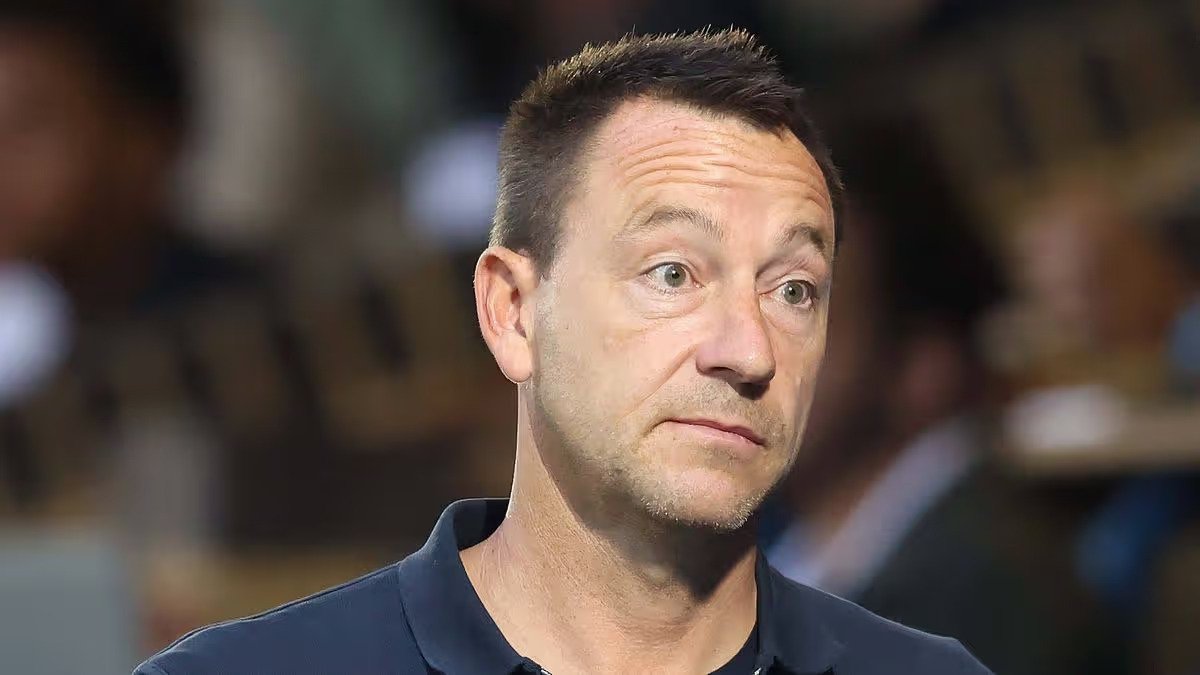
Former England captain John Terry has become the subject of intense public debate following criticism from columnist Jonathan Liew over his engagement with politically charged social media content, including posts linked to far-right rhetoric and immigration policy discussions. The controversy has reignited wider conversations about the political influence of former footballers, the role of social media in shaping public perception, and the blurred lines between personal expression and public responsibility in modern sport.
The discussion was triggered after Terry was reported to have interacted positively with an Instagram post shared by political figure Rupert Lowe, associated with Restore Britain, which included strongly worded views on immigration and welfare policy. According to commentary cited in the debate, Terry responded in support of parts of the post, prompting criticism from journalists and public commentators who argue that such engagements carry significant symbolic weight given his status as a former national team captain.
Columnist Jonathan Liew’s widely circulated opinion piece framed the situation as part of a broader trend of former elite athletes becoming increasingly visible in political discourse online. In his commentary, Liew suggested that Terry’s recent online activity reflects a growing pattern among retired footballers who transition from highly structured professional environments into the unpredictable and often polarised world of social media debate. The piece used strong rhetorical framing to question whether such developments are isolated incidents or part of a wider cultural shift.

The article also referenced other former players, including Matt Le Tissier, Joey Barton, and others who have previously attracted attention for outspoken views on political or social issues. Liew’s argument suggested that retired athletes, once removed from the structured environment of professional sport, may become more vulnerable to adopting or amplifying controversial narratives through digital platforms, where engagement is often driven by visibility rather than institutional accountability.
Supporters of Terry, however, argue that the reaction has been exaggerated and that public figures retain the right to express personal opinions, even when those views are contentious. They point out that social media interactions are often brief and lack full context, warning against overinterpreting isolated online responses as evidence of broader ideological alignment. Some commentators have also noted that high-profile athletes frequently become focal points for cultural and political debates that extend far beyond their original intent or expertise.
The controversy has also revived discussion about Terry’s post-playing career and his efforts to transition into coaching and football management. Since retiring, he has taken on various roles, including coaching positions within club academies and consultancy work. Despite expressing ambitions to become a head coach at senior level, he has yet to secure a top managerial appointment, a situation that has contributed to ongoing scrutiny of his public profile and professional trajectory.
In earlier interviews, Terry has expressed frustration at limited senior coaching opportunities, arguing that his experience and leadership credentials should place him among leading candidates for managerial roles. However, clubs have largely opted for coaches with different developmental profiles, leaving him in a supporting rather than central leadership role within football structures. This professional context has added another layer to the current debate, with some analysts suggesting that former elite players often struggle to redefine their identity after retirement.
The broader issue highlighted by the controversy is the growing intersection between sport, politics, and digital communication. In recent years, several former footballers have become increasingly active on social media platforms, engaging in debates ranging from public health policy to national identity and governance. While some have used their platforms to advocate for charitable causes or community initiatives, others have drawn criticism for promoting unverified claims or politically divisive viewpoints.
This trend has raised questions within the football community about whether governing bodies should offer greater support to players transitioning out of professional sport, particularly in managing public communication and media literacy. Experts in sports psychology suggest that retirement from elite competition can create a significant identity gap, leaving some athletes searching for new forms of recognition and engagement that social media readily provides.
At the same time, commentators caution against generalising the behaviour of a small number of individuals to the wider community of retired players. Many former professionals successfully transition into coaching, punditry, business, or charitable work without becoming involved in political controversy. Nevertheless, high-profile cases tend to attract disproportionate attention, shaping public perception of the group as a whole.
The current debate also reflects a broader cultural shift in how public figures are held accountable for online activity. In the past, statements would typically be filtered through traditional media or formal interviews, whereas today, direct engagement on social platforms creates immediate and often unmediated visibility. This environment increases both the speed and intensity of public reaction, particularly when comments intersect with sensitive political issues.

As the discussion continues, there has been no official response from Terry addressing the specific criticism raised in the commentary. His social media presence remains active, and he continues to share content related to football, training, and personal interests. Whether the controversy will have any long-term impact on his professional opportunities or public image remains uncertain.
What is clear, however, is that the intersection of sport, identity, and political expression is becoming increasingly complex in the digital era. The reaction to Terry’s online activity underscores how former athletes, once celebrated primarily for their sporting achievements, are now navigating a far more complicated public landscape in which every digital interaction can carry broader cultural significance.
As football continues to evolve beyond the pitch, the debate over where to draw the line between personal expression and public responsibility is likely to intensify, with former players like Terry remaining at the centre of that ongoing conversation.
Related News:
 Kezia Dugdale Warns of Possible Reversal of Equal Rights Gains
 NHS Safety Fears as Nurses Cover Doctor Gaps
 Reform UK funding: mystery billionaire revealed
 Farke’s Leeds revival: from pressure to FA Cup glory chase
 UK may ban protests amid rising antisemitism fears
 Labour Members Turn Against Starmer Leadership
 Farage and Reform UK Reshape British Politics
 Starmer Leadership Under Pressure After Setbacks
 UK Nations Brace for Potential Breakup Amid Reform Surge
 Three-Quarters of England’s Riverbanks Still Off Limits
 Burnham unveils £65m drought aid for farmers
 Green Party Surges Past Labour in Latest UK Poll
 Trump’s UK Ambassador Urges North Sea Drilling to Strengthen US Ties
 Granit Xhaka Rescue Earns Everton Draw at Sunderland
 French Taxi Driver Cleared in David Lammy Theft Case After Fare Dispute
 Millionaires group urge Reeves to introduce wealth tax to ‘lift kids out of poverty’
 Starmer Faces Growing Dissent as Labour MPs Weigh Leadership Challenge
 Reeves rejects £1bn plea for NHS redundancy payouts
 PM Condemns Leaks, Vows Loyalty to Ministers and Stability
 Major Rent Reform Ends No-Fault Evictions in England
 Peers Flood Assisted Dying Bill with 942 Amendments
 Former Lion Heskey Warns of Shortage of England Strikers
 Most Tories Expect to Support a Farage-Led Government
 Starmer Says Labour’s Economic Plan Needs Years to Deliver
 Labour Blocks Burnham as Party Rift Deepens Ahead of Polls
 Huge mistake: Labour blocks Burnham from byelection bid
 Artificial intelligence will cost jobs, admits Liz Kendall
 Labour targets Greens on drugs in Gorton Denton byelection
 Greens nominate Hannah Spencer for Gorton and Denton byelection
 Mandelson Faces Police Inquiry Over Epstein Leak
 Labour Thinktank Row Deepens Over Journalist Probe Claims
 Morgan McSweeney downfall shocks Labour leadership
 Cabinet Secretary Shake-Up Triggers Due Diligence Warning
 Starmer Faces Inquiry Calls Over Thinktank Probe
 UK shelves £110m border project amid trade strain
 Farage Unveils Reform UK Frontbench Team
 BBC World Cup Presenting Duties Shared Among Trio
 California Democrats Vow Trump Reckoning
 Wales Approves Assisted Dying Bill Consent
 UK EU Trade Reset Gains Public Backing
 Green Party Stuns Labour in Gorton and Denton Byelection
 Corbyn Leads Your Party in Coordinated Left-Flank Strategy
 Labour Together scandal sparks clean break vow
 Asylum Seekers to Work After Year-Long Wait
 Starmer Row as Greens Demand Apology
 Proposed Law Leaves Gap for Children of Convicted Paedophiles
 Gordon Brown urges court for crimes against children
 Inquiry into HMRC child benefit errors launched by NAO
 NHS Plans to Cut Overseas Workers Labeled Overambitious
 Farage Faces Backlash Over Crypto Cameo Endorsements
 Rising Costs Force Families to Rethink Days Out
 Relationship with Trump may be beyond repair, Starmer warned
 Unions Raise Concerns Over Doctors’ Pay Dispute
 UK Government Poised to Revive Stalled Hillsborough Law
 UK Stands Firm on Falklands Amid US Rift
 Welsh Labour Faces Potential Historic Election Defeat
 Starmer Survives Mandelson Rebellion
 Greens Face Internal Row Over Antisemitism Claims
 Labour Members Doubt Starmer Future as Burnham Leads Poll
 Reform UK Faces Crisis as Newly Elected Councillors Resign
 Farage Faces New Questions Over Private Helicopter Use
 NHS Drug Deal Faces Legal Threat Over US Trade Agreement
 The Battle for Wembley Sparking Unprecedented Legal Warfare
 Green Party Makerfield Candidate Resigns Over Posts
 Tuchel Defends Tough England Squad Decisions
 Secret Role of UK Security Services in Troubles Amnesty Law
 The Hidden Crisis Eroding Trust in British Communities
 Deepfake Abuse on X Sparks Safety Concerns for Dissidents
 UK Ministers Lobby Trump Over Under-16s Social Media Ban
 Starmer Resolves to Fight Burnham in Leadership Battle
 Hollie Ridley to Step Down as Labour General Secretary
 Trump’s Mount Rushmore Speech: A Divisive Anniversary
 Jarvis Urges Burnham to Secure 3.5% Defence Spending
 Trump’s Red-Card Intervention Hurts the US World Cup
 Farage Warns Sky News Following Financial Inquiry
 Reform UK Finances Face Deep NCA Probe
 Ann Widdecombe, Formidable Political Figure, Dies at 78
 UK Schools Struggle as Classrooms Top 40C
 London Tube Heat Reaches Dangerous Levels
 Westminster Council Threatens Charing Cross Soup Kitchen