Published: 30 April 2026. The English Chronicle Desk. The English Chronicle Online
As the sun sets over the Caribbean coast, the lights of Santa Marta, Colombia, flicker into life, illuminating a city that has suddenly become the world’s most significant laboratory for the “Big Energy Shift.” This week, the historic port city played host to the First Conference on Transitioning Away from Fossil Fuels, a landmark summit co-convened by Colombia and the Netherlands. But while world leaders debated the “inevitable” end of the fossil fuel era, the streets of Santa Marta told a more complicated story of a community caught between its industrial past and a green future.

For Santa Marta, the debate isn’t an abstract policy paper; it is a lived reality. The city sits adjacent to one of the world’s largest coal export terminals, a vital economic engine that now finds itself in the crosshairs of the very conference it is powering.
The summit, dubbed by former Irish President Mary Robinson as a “coalition of the doers,” was born out of frustration with the perceived slow pace of traditional UN climate conferences (COPs).
The Santa Marta Declaration: Over 60 nations gathered to create a concrete roadmap for phasing out fossil fuel subsidies. The Netherlands, the birthplace of oil giant Shell, joined forces with Colombia to advocate for moving billions in gasoline and diesel subsidies directly into renewable battery technology.
A New Diplomatic Axis: The conference signaled a shift in global power, moving the energy debate away from the “consensus-based” roadblocks of larger summits and into a solutions-focused forum.
The 1.5°C Warning: Scientists at the event, including Johan Rockström, warned that the world will “inevitably” breach the 1.5°C warming limit within the decade, making the Santa Marta discussions a matter of “survival, not choice.”
While the delegates inside the luxury hotels discussed “just transitions,” the local population remains deeply divided.
The Economic Anchor: South and east of the city lie massive coal mines and the port infrastructure that provides jobs for thousands of families. For these workers, “transition” is often a code word for “unemployment.”
The Environmental Toll: Conversely, Santa Marta’s tourism and fishing industries have long suffered from the dust and pollution of the coal trade. Local activists view the shift as a long-overdue rescue for the city’s natural beauty and public health.
The Employment Gap: A key theme of the conference was finding “new employment opportunities” for fossil fuel workers—a promise that many in Santa Marta view with healthy skepticism as the Iran-related oil shock continues to destabilize global markets.
Santa Marta’s struggle is being mirrored in cities across the globe, as reported in today’s briefings:
Germany’s Hesitation: In Berlin, the government is facing internal strife, with Green MP Michael Kellner warning that Germany’s absence from the Santa Marta summit risks “leaving the country behind” in the global green race.
The California Debate: In the U.S., gubernatorial candidates are currently locked in a “free-wheeling” debate over whether to keep oil refineries open to combat skyrocketing gas prices or to accelerate electrification.
The C40 Commitment: A coalition of global mayors, including those from Warsaw, Bogotá, and Nairobi, issued a joint statement alongside the Santa Marta summit, pledging to halve fossil fuel use by 2030.

The irony of the Santa Marta summit was not lost on observers: the conference took place as Brent Crude hit $118 a barrel due to the blockade in the Strait of Hormuz. While leaders in Colombia plotted a world without oil, the current global economy is screaming for more of it to stabilize prices.
As the delegates head home—and the next conference is announced for the sinking island nation of Tuvalu—Santa Marta remains a city in transition. It is a place where the air smells of sea salt and coal dust in equal measure, serving as a permanent reminder that shifting the world’s energy source is as much about human lives as it is about carbon parts-per-million.
Related News:
 Trump to Deploy “God Squad” Over Gulf Wildlife Protections
 Capitalism ‘Suicidal’, Warns Petro at Climate Summit
 Modi’s London Visit Seals Historic UK-India Trade Pact Amid Global Tensions
 Rubio Calls Russian Oil Imports a Strain on India-US Relations
 Rachel Reeves to lead UK trade push in Saudi Arabia amid rights debate
 Canada Passes Carney’s First Budget in Tight Parliamentary Vote
 India’s Labour Law Overhaul Sparks Fierce Debate
 Carney’s Alberta Pipeline Deal Sparks Immediate Pushback
 Austrian Airlines Halts Tehran Flights Amid Political Unrest
 Trump Administration Probe of Fed’s Powell Draws Pushback
 Mark Carney Walks Diplomatic Tightrope on China Visit
 Guterres Warns Global Cooperation Under Threat at UN’s 80th Year
 ‘Repatriate the Gold’: Germany Debates Bringing Reserves Home
 Japan Braces as Takaichi Begins New Term with Huge Mandate for Low‑Tax, Ultra‑Conservative Agenda
 US Trade Deficit Hits Fresh High Despite Trump’s Tariffs
 What Now for Asia After Trump’s Tariffs Were Struck Down?
 Energy Firms Keep Fuel Price Hike ‘Under Scrutiny’
 US Eases Sanctions on Russian Oil Sales to India During Iran Conflict
 Gulf Oil Shock Sends Global Economic Ripples
 Iran Rejects Ceasefire, Warns Trump With Chilling Message
 US Says 16 Iranian Mine Ships Destroyed in Hormuz
 Russia Seeks Gains as Iran War Reshapes Global Politics
 The Truth Behind Rising Energy Costs and Fossil Fuel Myths
 Millions Left Without Power as Grid Fails
 Trump Faces New Warning Signs as Iran War Hits Home
 PM Seeks to Reassure Australians Over Fuel Supply
 Reeves to Join Emergency G7 Meeting as Oil Hits $116
 Zelensky Looks to Gulf to Protect Him from Putin
 Iran Strikes Kuwaiti Desalination Plant, Killing Worker as ‘Water War’ Escalates
 The ‘Islamabad Initiative’: How Pakistan Won Over Trump as a Key Mediator
 Epic Fury: The Strategic Logic and Uncertain Horizon of the 2026 Iran War
 UK-Led 35-Nation Summit Seeks to Break the Hormuz Deadlock
 “Region Will Burn”: Iran Issues Defiant Retaliation Warning After Trump’s Expletive-Laced Deadline
 The “Citrus” Shift: Marmalade to be Legally Rebranded in Post-Brexit Food Realignment
 Oil and Diplomacy: Russian Refineries Burn as Zelenskyy Secures Middle East Shield
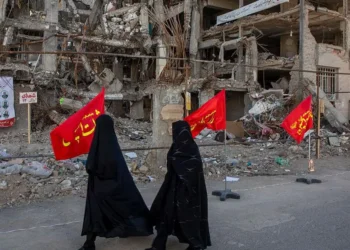 “A Perfect Storm”: UK Small Businesses Face Doubling Energy Bills as Iran War Rattles Markets
 The $100 Billion Peace: Trump’s ‘Grand Bargain’ Ends Iran Conflict at a Staggering Cost
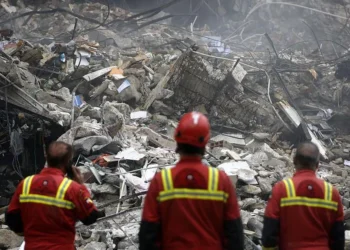 ‘A Double-Sided Ceasefire’: Inside the 14-Day Truce Between the US and Iran
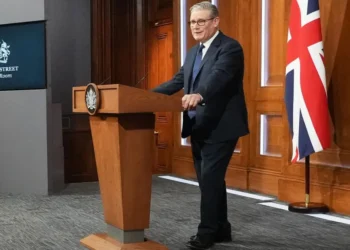 Diplomatic Sprint: Starmer Heads to the Gulf as 14-Day Truce Holds
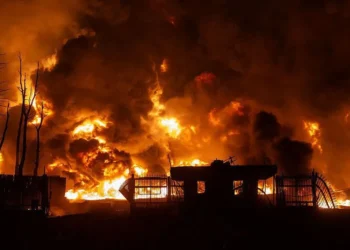 The Horns of Dilemma: Why the 2026 Iran War Ignited and Where It Goes Next
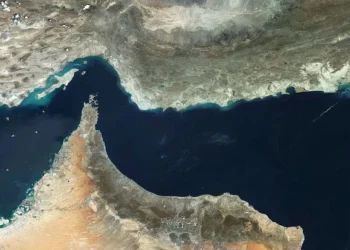 The Great Chokehold: Why the Strait of Hormuz is the Epicenter of the 2026 Crisis
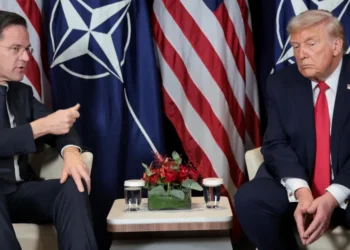 Tectonic Tension: Trump Blasts NATO Costs as Rutte Admits to ‘Very Frank’ Exchange
 Global Commerce Crisis: Cooper Demands Immediate, Toll-Free Access to Hormuz
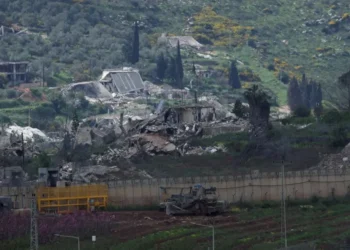 Midnight Fire: Israel and Hezbollah Exchange Strikes as Trump Lashes Out at Tehran
 The Prediction Prohibition: White House Staff Barred from Betting on Political Markets
 Market Shock: Oil Surges Past $100 as US Initiates Naval Blockade
 The Vance Verdict: How the Vice President Navigated the Islamabad “Pressure Cooker”
 The Blockade Gambit: Trump’s High-Stakes Threat Leaves Middle East Predicaments Unchanged
 Relief at the Pump: Irish PM Unveils €505m Package to Stem Fuel Crisis
 The Liberal Gamble: Carney’s Majority Quest Hits the ‘Poilievre Wall’
 The Atlantic Rift: Starmer Pledges UK Neutrality in Iran Port Blockade
 The Budapest Ripple: Katya Adler on Hungary’s ‘Jubilation’ and the Cold Shoulder from Moscow
 Diplomatic Deadlock: Lebanon Enters High-Stakes Border Talks with ‘No Cards to Play’
 Trump Slams UK Ties and Threatens To Rewrite Trade Deal
 Calm Amidst the Clouds: Albanese Reassures Nation as Geelong Refinery Smolders
 ‘Never’: Senior Lawmaker Vows Tehran Will Maintain Grip on Strait of Hormuz
 The Empty Express: India’s $100 Billion Metro Gamble Faces a Ridership Crisis
 The Fog of War and the Ticker Tape: Suspicious Trades Rile Washington
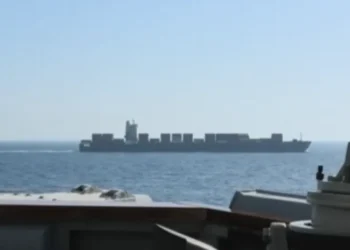 High-Seas Seizure: US Navy Intercepts Iranian Cargo Ship in Gulf of Oman
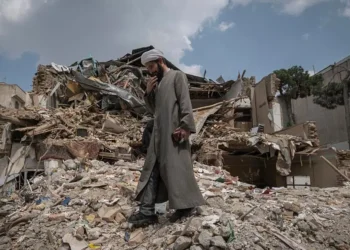 ‘Table of Surrender’: Tehran Vows ‘New Cards’ as Islamabad Peace Talks Teeter on Brink
 Brinkmanship in Islamabad: Tehran Vows ‘New Battlefield Cards’ as Ceasefire Wanes
 ‘I Get it in Writing’: Trump Extends Iran Ceasefire Amid Frantic Islamabad Push
 Resilience and Rupture: Why the Middle East Crisis is Succeeding Where Trade Wars Failed
 Standoff at the Strait: Iran Rejects Reopening Amid “Flagrant” Ceasefire Breaches
 Red Lines in Ottawa: PM Carney Insists US “Won’t Dictate Terms” of Trade Review
 The Digital Iron Curtain: Steve Rosenberg on the Kremlin’s Battle for the Russian Web
 Stalemate at the Serac: 100-Foot Ice Block Paralyzes Everest Climbing Season
 “Industrial-Scale Extraction”: White House Memo Accuses China of Mass AI Theft
 Athens Mayor Moves to Tackle Overtourism Crisis
 The “King of Drones”: Ukraine’s Unmanned Commander Targets the Arteries of the Russian War Machine
 Return of the “Skiffs”: Threat Level Raised as Somali Pirates Seize Second Vessel in a Week
 The “Long Tail” of War: Minister Warns Economic Scarring Could Last Eight Months Post-Conflict
 Market Deadlock: Oil Prices Surge as US-Iran Peace Talks Unravel in Pakistan
 The Sinking Ledger: How Climate Change Is Dismantling the Pacific’s Economic Backbone
 Southeast Asia Turns to Russia Amid Energy Crisis
 US Calls Australia Media Law “Foreign Extortion”
 Crude Surge: Oil Hits Four-Year High as Trump Weighs “New Options” for Iran
 Oil Prices Surge Above $120 Amid Iran Blockade Fears
 “The Art of the Withdrawal”: Trump Targets Germany Troops as Iran Row Boils Over
 “Grounded”: Beijing Implements Total Ban on Drone Sales Citing Capital Security