Published: 30 April 2026. The English Chronicle Desk. The English Chronicle Online.
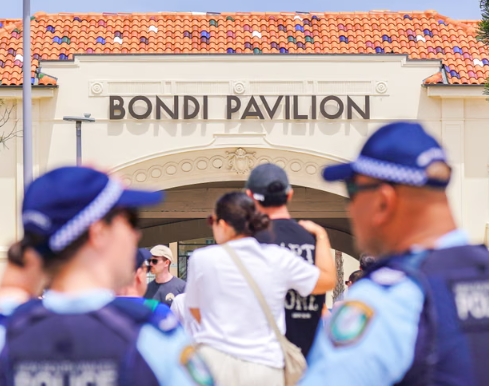
The interim report from the royal commission has finally reached the public hands this week. It offers a chilling look into the events surrounding the devastating Bondi terror attack last December. While the document spans over one hundred and fifty pages, it raises many haunting new questions. Many details about the massacre remain hidden behind a thick veil of necessary government secrecy today. More than a third of the recommendations provided by the commissioner are currently classified as confidential. The Albanese government has pledged to implement every single suggestion to prevent such future tragedies occurring. We now have a much clearer shape of the failures that led to this day. Understanding the motivations of the alleged attackers requires looking at many different and disturbing life events. Naveed and Sajid Akram reportedly targeted the innocent crowds at the Chanukah by the Sea festival. Fifteen people lost their lives during that horrific afternoon while celebrating a beautiful religious holiday event.
One major strand of the investigation traces back to the year two thousand and nineteen period. Naveed had allegedly been linked to radical Islamic extremism for many years before the tragic attack. Despite these red flags, Sajid managed to obtain a legal gun licence and six high-powered firearms. The pair also travelled to a dangerous region in the Philippines just one month before acting. This area is well known globally for being a hotspot for various violent extremist group activities. In October of last year, police say the brothers visited a farm for intensive combat training. They reportedly filmed videos on their mobile phones declaring their personal allegiance to the Islamic State. Only two days before the festival, they were spotted at Archer Park near the Bondi site. CCTV footage captured them walking across a footbridge in what looks like a planned reconnaissance visit. These small details paint a picture of a very calculated and cold-blooded plan for mass murder.

The commissioner, Virginia Bell, has carefully weighed these facts while discarding other less relevant theories now. An entire chapter of her report remains locked away from the eyes of the general public. This section deals specifically with the activities of state and federal intelligence and law enforcement agencies. These details will stay secret until all criminal proceedings against the suspects have reached their conclusion. There is a strong public interest in eventually knowing exactly what the government knew back then. National security requirements must be balanced against the need for transparency in a free and open society. No agency has claimed that existing laws prevented them from stopping this specific terror attack last year. However, the report suggests that a failure to act on intelligence cannot be fully discounted yet. Many of these difficult questions are likely to be answered behind closed doors in the future.
There are also serious concerns regarding the funding of national intelligence agencies in the recent years. People wonder if agencies were properly resourced to handle the rising terror threat levels since October. Bell noted that counter-terrorism funding declined significantly between the years of twenty-twenty and twenty-twenty-five today. This financial strain did not seem to affect the federal police or the local New South Wales. Local police however face questions about their communication with the Jewish community security group during that time. This group had repeatedly warned officials about specific antisemitic threats during the many various Hanukah celebrations. Bell found that police failed to complete a comprehensive written risk assessment for the Bondi event. This occurred despite the security group explicitly telling officers that the gathering was a very high risk. Such a lapse in paperwork and protocol may have contributed to the lack of onsite security.
The path toward creating a national firearms registry also remains frustratingly slow for many Australian citizens. Bell described the progress on this vital safety database as being almost unduly leisurely in her report. Four confidential recommendations were made regarding how the Australian Border Force monitors international travel for known risks. These systems could have flagged the brothers when they returned from a known global terror hotspot recently. Better sharing of classified information between different departments is also a major focus of the commission findings. Amidst these complex bureaucratic questions, the report also highlights the sheer scale of the human tragedy. It provides small details that help to capture the gargantuan horror of that dark December afternoon. Two local surf life saving clubs were hosting their own end of year parties when gunfire began. The volunteers did not hesitate for a single second before rushing toward the sounds of the shots.

A total of eighty-five volunteer lifesavers were present on the scene to provide vital first aid care. The sheer volume of medical supplies they used illustrates the intense violence the victims suffered that day. They went through one thousand gauze swabs and three hundred bandages while trying to save dying people. Six tourniquets were applied to stop heavy bleeding as the sirens of ambulances echoed through the streets. Sixty inhalers of emergency pain relief were distributed to those who were wounded and in deep shock. Perhaps most heartbreaking of all was the use of ten oxygen masks specifically designed for young children. These brave volunteers faced a scene of absolute carnage that will stay with them for a lifetime. Their quick actions undoubtedly saved many lives while the police worked to secure the surrounding beach area. The report serves as a somber reminder of both human cruelty and the strength of community.
The public hearings for the commission are scheduled to begin this coming Monday in a formal setting. These sessions will focus heavily on the personal experiences of antisemitism within the wider Australian community today. It is a necessary step toward healing a nation that was deeply scarred by this sudden violence. Families of the fifteen victims are still searching for a sense of peace and some real justice. The government must work hard to ensure that such a failure of security never happens again here. Every confidential recommendation must be treated with the utmost urgency by the current administration and the police. We owe it to the survivors to be honest about what went wrong in our systems. As the sun sets over Bondi today, the flowers at the memorial remind us of the lost. The upcoming hearings will hopefully bring more light to the shadows left by this terrible crime scene. Justice may be a long process, but the quest for the truth has only just begun.
Related News:
 Shock US Raid: Maduro Pleads Not Guilty in Manhattan Court
 UK and France Agree Troop Deployment Plan for Ukraine
 EU Weakens as Trump Targets Venezuela and Greenland
 Venezuela Oil Deal Opens Tensions with US Control
 US Citizens Warned to Venezuela Flee Amid Paramilitary Threats
 Gulf states warn Trump Iran strikes risk wider Middle East war
 Machado Trump medal gesture reshapes Venezuela power struggle
 Greenland defence seen as shared Nato duty amid troop arrivals
 Gulf states warn Trump Iran strikes risk wider Middle East war
 Trump Receives Machado’s Nobel Medal in White House Meeting
 Iran unrest slows under brutal crackdown and global tensions
 Syria President Declares Victory as Ceasefire Reached with SDF
 US Considers Asylum for British Jews Amid Rising Antisemitism
 Russia Strikes Kyiv and Kharkiv as Peace Talks Enter Day Two
 Thousands Protest ICE Operations in Nationwide US Day of Action
 Epstein Files Reveal Trump Officials’ Emails with Financier
 Thousands Protest ICE in New York Against Trump Deportation Campaign
 Christchurch Shooter Seeks to Overturn Guilty Plea in Appeals Court
 Sydney Protest Pepper Spray Clash During Herzog Visit
 Cuba Kills Exiles in Speedboat Attack from US Waters
 Yvette Cooper: UK Must Follow Principles, Not US Pressure
 Saudi Arabia Urging US to Keep Up Iran Attacks
 Washington Enlists Musk to Battle Global Hostility Online
 Teen Girl Charged After Alleged Melbourne Hate Crime Spree
 Macron Urges Stability as Trump Jolts Nato and Iran
 Trump Address Sparks Global Backlash Over Iran War Tactics
 Macron Rebukes Trump Following Mockery of His Marriage
 Trump Sets Tuesday Deadline for Iran to Reopen Vital Strait
 Tragic End to Outback Search as Floods Claim a Life
 Ben Roberts-Smith Arrested Over Alleged War Crimes
 Bondi Nanny Adriana Rivas to Face Extradition to Chile
 Trump and Tehran Find Common Ground in Landmark Ceasefire
 Netanyahu Vows Continued Lebanon Strikes Amid Peace Talks
 Trump Predicts Rapid Return to Peace Talks in Pakistan
 Reeves Slams Trump Over Iran War Lack Of Exit Plan
 US and Iran Pursue Extension of Ceasefire via Pakistan
 Pope Leo Calls for Global Unity Following Trump Criticism
 Trump Brokers Ten Day Ceasefire to Halt Lebanon Conflict
 Mexico, Spain and Brazil call for Cuba dialogue amid crisis
 Tensions Flare as Iran Rejects New Peace Talks with US
 Ukraine Urges UK to Seize Russian Oil Tankers
 US Calls Australia Media Law “Foreign Extortion”
 Oil Prices Surge Above $120 Amid Iran Blockade Fears
 Tragic End to Search for Missing Girl in Alice Springs
 BBC to Apologise Over Edited Trump Speech Amid Backlash
 Greene Pushes Epstein Files Amid Trump Fallout
 Zelenskyy Signs Fighter Jet Deal Amid Russian Drone Attacks
 Shadow Fleet at Sea: Europe’s Battle Against Illicit Oil Shipping
 US Suspends Afghan Immigration After White House Shooting
 ‘Extinct’ Antelope Returns to Sahara, Bringing Hope
 Facebook Slow to Remove Bondi Attack Praise, Anti-Hate Group Claims
 Saudi Officials Report Zubaidi Flee Before Yemen Peace Talks
 US Clears Nvidia AI Chip Sales to China in Policy Shift
 US Senate rejects resolution limiting Trump military powers
 Sydney Shark Attack Surge Shocks Australia Beaches
 Shinzo Abe’s killer receives life sentence in Japan
 EU Says US Ties Have Suffered ‘Big Blow’ After Greenland Crisis
 China General Under Investigation Amid Leadership Purge
 UK New Car Discounts Near £6,000 as Prices Are Slashed
 Portugal Election Delivers Socialist Win as Far Right Surges
 Australian Families Leave Syrian Camp for Home
 Drugs, Denial, Stigma: Fiji’s HIV Crisis Hits Children
 Hilary Knight speaks out on Trump’s recent hockey remarks
 Penny Wong silent on Australian crew in sub strike
 Trump Pressures Congress Over Save America Act
 Goma Drone Attack Kills Three as Conflict Escalates
 Queensland Protest Laws Spark Free Speech Backlash
 Trump Nato threats expose Iran strategy vacuum
 Trump Facing Backlash from Epstein Survivors Over Files
 Chain of Fire: US Bunker Busters Strike Major Iranian Ammo Depot in Isfahan
 ‘The Cost of Living’: Asia’s Migrant Workers Debate if Gulf Jobs are Worth the Risk of War
 Russia: The Unforeseen Winner of the Iran Conflict
 Spain Faces Backlash Over Xenophobic Chants in Egypt Draw
 Report Says Pezzullo Acted ‘Recklessly’ in Dealings
 Reform UK Pledges To Halt Visas Over Reparations Demands
 Starmer visits Gulf as US and Iran agree ceasefire
 Tragedy Strikes Outside Melbourne Comic Con
 “I was fighting two wars”: Ukraine soldiers’ addiction crisis
 Pakistan’s Ambitious Bid for Middle East Peace
 Prominent Voices Challenge Palestine Action Ban