Published: 7 May 2026. The English Chronicle Desk. The English Chronicle Online
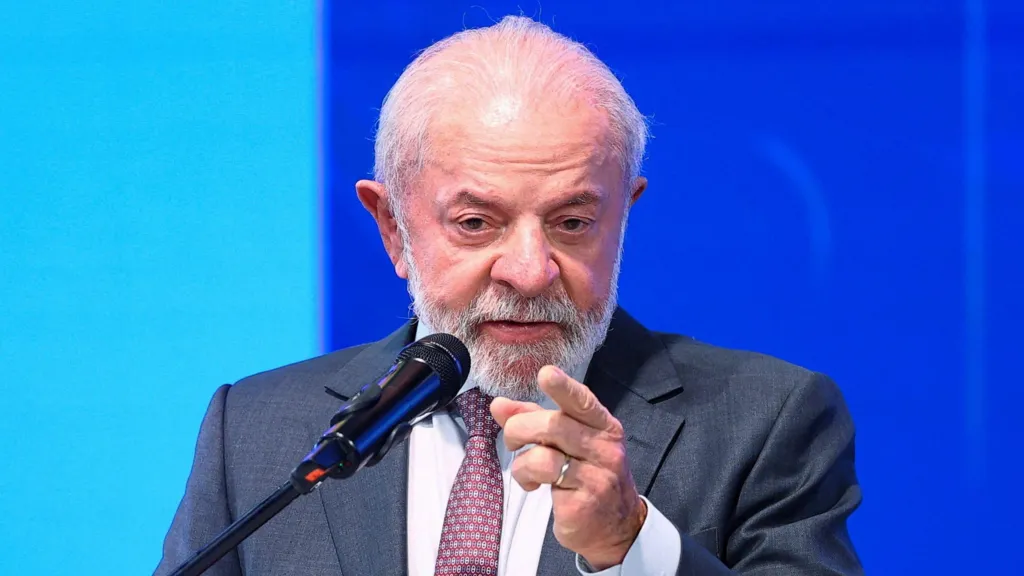
In a “clinical” and high-stakes “milestone” for Western Hemispheric diplomacy, President Donald Trump is hosting his Brazilian counterpart, Luiz Inácio Lula da Silva, at the White House today. The meeting—only the second face-to-face encounter between the ideological opposites—is being framed as a “national security emergency” for the Americas’ two largest economies, as they attempt to bypass a “bottleneck” of trade tariffs, regional wars, and “nasty and mischievous” political tensions.

While the “golden tone” of the visit suggests a “recalibration” of ties, the “asymmetric” relationship remains strained by Trump’s vocal support for the imprisoned Jair Bolsonaro and Lula’s outspoken criticism of the US-led offensive in Iran.
The “clinical” heart of the meeting involves a “human-machine” scramble for the future of tech.
The Rare Earths Race: Trump is expected to push for “milestone” investment access to Brazil’s vast reserves of lithium and rare earth minerals—the second largest in the world—to bypass the “bottleneck” of Chinese supply.
The “Accountability” Trade: Finance Minister Dario Durigan has emphasized that while foreign investment is welcome, Brazil seeks a “sacred” commitment to domestic industrialization rather than just resource extraction.
The Tariff “Recalibration”: Lula is seeking a “clinical” end to the remains of the 40% tariffs Trump imposed last year, which were justified as an “economic emergency” linked to the prosecution of Bolsonaro.
Security remains the primary concern for Brazilian voters as the nation approaches a “160 MPH clip” toward the October elections.
The Cartel Crackdown: Brazil is eager to expand “human-machine coordination” in sharing X-ray data and intelligence to combat the PCC and Comando Vermelho gangs.
The “Terrorist” Label Bottleneck: A major “asymmetric” hurdle is the threat of Washington designating these Brazilian gangs as Foreign Terrorist Organizations—a move Lula’s government fears would lead to a “resilience deficit” regarding national sovereignty.
The “Bolsonaro” Factor: In a “nasty and mischievous” twist, Lula is currently tied in polls with Bolsonaro’s eldest son, Flávio. Lula’s “speechless determination” at the White House is aimed at “strengthening personal rapport” with Trump to discourage any US interference in the upcoming vote.
The meeting faces a “resilience deficit” regarding the “national security emergency” in the Middle East.
The Iran “Caveat”: Lula has publicly slammed the US war against Iran, creating a “clinical silence” in the Oval Office when the topic arises.
The “Maduro” Fallout: Relations remain “divergent” following the US-led removal of Nicolás Maduro in Venezuela, an action Lula previously condemned as a breach of “humanitarian” norms.

The “Sacred” Diplomacy: Observers note that Lula is walking a “sacred” tightrope, attempting to emulate the pragmatic rapport established by Colombia’s Petro despite the “accountability rot” of previous insults.
As the RHS Wisley wisteria reaches its peak and the Southbank Centre celebrates 75 years of progress, the “Trump-Lula” summit is a “clinical” test of pragmatism over personality.
“Brazil thrives in the in-between, but the ‘bottleneck’ of current global politics is getting narrower,” noted one international relations professor. With the King’s Speech on May 13 likely to reference “Strategic Partnerships in the Global South,” the outcome of today’s White House visit will be a “milestone” for whether the Americas can bypass their “resilience deficit” or if the “accountability rot” of the past will lead to a “160 MPH clip” into further isolation.
Related News:
 Shock US Raid: Maduro Pleads Not Guilty in Manhattan Court
 Israel Dossier Sparks Australian Political Interference Concern
 Trump Says US Will Act on Greenland ‘Whether They Like It or Not’
 Machado Trump medal gesture reshapes Venezuela power struggle
 Trump Receives Machado’s Nobel Medal in White House Meeting
 Iran unrest slows under brutal crackdown and global tensions
 US Considers Asylum for British Jews Amid Rising Antisemitism
 Russia Strikes Kyiv and Kharkiv as Peace Talks Enter Day Two
 Emails Show Epstein Funded Mandelson’s Husband After Jail
 Thousands Protest ICE Operations in Nationwide US Day of Action
 Epstein Files Reveal Trump Officials’ Emails with Financier
 Thousands Protest ICE in New York Against Trump Deportation Campaign
 US Must Be Prudent When Supplying Arms to Taiwan, Xi Tells Trump
 Fears of New Arms Race as US-Russia Nuclear Weapons Treaty Expires
 Britain’s Reliance on China Makes Us ‘Weak Link in the West’, Warn MPs
 UK Has Not Given US Permission to Use RAF Bases for Iran Strikes
 Blackouts and Emergency Aid: Why the Cuban Revolution Faces Its Biggest Threat Yet
 UK Will Allow US to Use Bases to Strike Iranian Missile Sites, PM Says
 Cooper: Joining US Strikes on Iran ‘Not in Britain’s Interest’
 Trump’s Iran Endgame Unclear After Mixed Messaging on War Aims
 Israel Launches Fresh Strikes on Tehran & Beirut; US Warns “Hardest Hits” Ahead
 Global Order Is ‘Breaking Down’, Carney Tells Australian Parliament
 Spain’s Sánchez Hits Back at Trump Threat to Sever Trade, Says ‘No to War’
 Ukraine Accuses Hungary of Taking Seven Bank Workers Hostage in Budapest
 Yvette Cooper: UK Must Follow Principles, Not US Pressure
 Wary Allies Signal No Easy Path in Iran Crisis
 Israel Announces ‘Limited’ Ground Operations in Lebanon
 Trump Seeks to Delay Meeting With Xi
 US Calls Australia Media Law “Foreign Extortion”
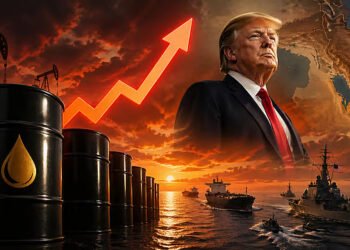 Oil Prices Surge Above $120 Amid Iran Blockade Fears
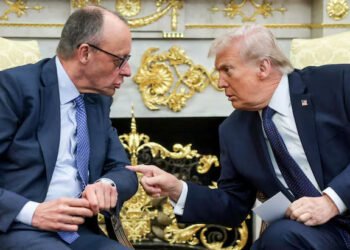 Trump orders US troop pullout from Germany
 Activists allege abuse after Gaza flotilla seizure
 Global order shifts amid Trump-era turmoil
 Australia pushes Pacific security pact amid China tension
 Indiana Republicans Defy Trump in Key Vote Test
 Middle East Crisis Escalates as Oil Routes Shake Markets
 “The Pakistan Paradox”: Trump’s Peace Hopes Clouded by Blockades and ‘Red Line’ Caveats
 “The 14-Point Ultimatum”: Iran Reviews US Peace Proposal as Trump Predicts War Will Be ‘Over Quickly’
 UK Must Act with Courage and Clarity on Israel-Palestine Conflict, Says Foreign Affairs Committee Report
 Radioactive Leak at UK’s Nuclear Warhead Base Sparks Outcry Over Safety and Secrecy
 Hong Kong Summons UK and Australian Envoys Following Asylum Grants to Democracy Activists
 Is the UK Ready to Put Boots on the Ground in Ukraine? Assessing Military Capacity and Challenges
 Yvette Cooper Signals Global Momentum Towards Gaza Peace Deal Amid Humanitarian Crisis
 Russia’s Latest Push to Win US Favors Shows Deep Desperation
 BBC to Apologise Over Edited Trump Speech Amid Backlash
 Greene Pushes Epstein Files Amid Trump Fallout
 Shadow Fleet at Sea: Europe’s Battle Against Illicit Oil Shipping
 US Senate rejects resolution limiting Trump military powers
 Gulf states warn Trump Iran strikes risk wider Middle East war
 Shinzo Abe’s killer receives life sentence in Japan
 EU Says US Ties Have Suffered ‘Big Blow’ After Greenland Crisis
 Australian Families Leave Syrian Camp for Home
 Starmer Weighs Fast-Tracking Defence Boost
 Ukraine Negotiator Reveals What It Feels Like Facing Russia
 Drugs, Denial, Stigma: Fiji’s HIV Crisis Hits Children
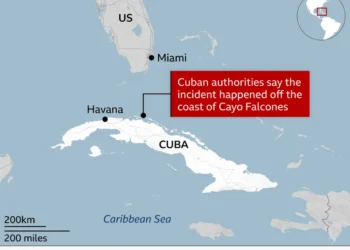 American Citizen Killed in Cuba Boat Shooting, U.S. Officials Say
 Iran’s Regime Still Intact — Coming Days Will Test Its Survival
 Finland Plans to Lift Decades‑Old Ban on Hosting Nuclear Weapons
 Trump Pressures Congress Over Save America Act
 Iran War Puts Trump at Political Risk Amid Rising Prices
 Queensland Protest Laws Spark Free Speech Backlash
 Trump Nato threats expose Iran strategy vacuum
 Trump Facing Backlash from Epstein Survivors Over Files
 UK Forces Ready to Seize Russian Shadow Fleet Vessels
 Trump Considers Military Operation to Seize Iran’s Uranium
 Report Says Pezzullo Acted ‘Recklessly’ in Dealings
 Hungary Claims Plot to Target Gas Pipeline Pre-Vote
 Oil and Diplomacy: Russian Refineries Burn as Zelenskyy Secures Middle East Shield
 The Moral Crisis Looming Within the American Chain of Command
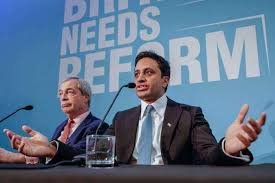 Reform UK Pledges To Halt Visas Over Reparations Demands
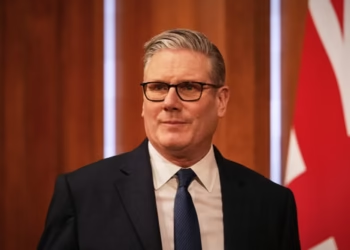 Starmer visits Gulf as US and Iran agree ceasefire
 The Great Chokehold: Why the Strait of Hormuz is the Epicenter of the 2026 Crisis
 Moldova River Crisis Exposes War’s Hidden Cost
 The Frozen Frontier: Why Frostbite is the Least of Concerns for Canada’s Arctic Forces
 Diplomatic Deadlock: Lebanon Enters High-Stakes Border Talks with ‘No Cards to Play’
 The Fog of War and the Ticker Tape: Suspicious Trades Rile Washington
 Judicial Whiplash: Virginia Court Pauses Redistricting 24 Hours After Public Vote
 “Industrial-Scale Extraction”: White House Memo Accuses China of Mass AI Theft
 “An Endurance Test for the Mind”: British Couple Sentenced to 10 Years in Tehran
 “The Pivot to Pakistan”: Trump Pauses ‘Project Freedom’ in Hormuz Amid Iran Deal Hopes