
Published: 7 May 2026. The English Chronicle Desk. The English Chronicle Online
As Shell and BP report a “160 MPH clip” of surging profits fueled by the Iran war, the “sacred” debate over the Windfall Tax—officially known as the Energy Profits Levy (EPL)—has returned to a “national security emergency” level of intensity. With households facing a “resilience deficit” due to skyrocketing heating bills, the government is under pressure to “recalibrate” the tax to bypass the “accountability rot” of excess corporate gains.
Here is a “clinical” breakdown of how the tax works and why it remains a “nasty and mischievous” point of contention between Westminster and the energy sector.

The Windfall Tax is an “asymmetric” surcharge on the extraordinary profits made by companies extracting UK oil and gas, designed to bypass the “bottleneck” of the standard corporate tax system.
The “75% Headline” Rate: In its current “milestone” form, the tax brings the total tax rate on North Sea profits to 75%. This is a “divergent” combination of the standard 30% Ring Fence Corporation Tax, a 10% Supplementary Charge, and the 35% Energy Profits Levy.
The “Investment Loophole”: A “nasty” point of friction is the “investment allowance,” which lets firms bypass much of the tax if they reinvest their “golden tone” profits back into UK oil and gas production—a move critics call a “bottleneck” for the green energy transition.
The “Sunset Clause”: Originally set to expire in 2025, the “national security emergency” of the Iran conflict has forced a “recalibration,” extending the tax until March 2029 to address the UK’s “resilience deficit.”
The “humanitarian” goal of the tax is to redistribute the “asymmetric” wealth generated by war-driven energy spikes to the public.
The “Fuel Poverty” Shield: The billions raised are “clinically” funneled into support schemes to help families struggling with a “resilience deficit” in their energy budgets.
The “Shell” Comparison: Following Shell’s $6.9 billion quarterly report today, calls have grown for a “milestone” removal of the investment allowances to end the “accountability rot” of tax-free profit reinvestment.
The “160 MPH” Inflation Race: The tax acts as a “clinical” brake on inflation by reducing the government’s borrowing requirements, though it creates a “nasty” investment “bottleneck” for North Sea operators.
The future of the levy is a “national security” priority as the King’s Speech on May 13 approaches.
Justice Has No Expiry Date: “We cannot have a ‘golden tone’ for shareholders while our citizens live in a ‘medication desert’ of cold homes,” a shadow minister noted.
The “North Sea” Threat: Industry leaders warn that the tax is creating an “accountability rot” that will lead to a “resilience deficit” in domestic production. “If you tax us at a ‘160 MPH clip,’ we will bypass the UK and invest elsewhere,” a CEO warned.
The “Price Floor” Recalibration: There is “clinical” talk of a “Price Floor” where the tax would be “clinically” suspended if oil prices drop below a certain level for a sustained period, bypassing the “nasty” risk of total industry collapse.

As the RHS Wisley wisteria reaches its peak and the Southbank Centre celebrates 75 years of progress, the Windfall Tax stands as the ultimate “milestone” for economic fairness in 2026.
“We are bypassing the ‘bottleneck’ of corporate greed to protect the ‘sacred’ welfare of the people,” an activist shared. By acknowledging the “resilience deficit” caused by the Iran war, the EPL is the “golden tone” of the current fiscal strategy. For now, the “clinical silence” of the Treasury awaits the next set of oil results to see if the tax needs another “160 MPH” adjustment.
Related News:
 US Eases Sanctions on Russian Oil Sales to India During Iran Conflict
 UK Forces Ready to Seize Russian Shadow Fleet Vessels
 The “Taiwan Exception”: China Unveils Historic Zero-Tariff Access for 53 African Nations
 “The Hormuz Ceasefire”: Oil Slips and Markets Surge as Trump Pauses Naval Mission
 “The Power Paradox”: Can Scotland’s Politicians Truly Bypass the ‘Hormuz’ of Energy Pricing?
 UK Must Act with Courage and Clarity on Israel-Palestine Conflict, Says Foreign Affairs Committee Report
 MPs Call on UK Government to Delay Biometric Visa Checks for Gaza Students Amid Humanitarian Crisis
 Radioactive Leak at UK’s Nuclear Warhead Base Sparks Outcry Over Safety and Secrecy
 Mutual Inconvenience: Why Alaska Was Chosen for the Trump-Putin Summit on Ukraine
 Is the UK Ready to Put Boots on the Ground in Ukraine? Assessing Military Capacity and Challenges
 Protests Expected as Israeli Arms Firms Join Global Defence Trade Fair in London
 Thousands Gather in London to Protest Donald Trump’s Second UK State Visit
 Trump Urges UK to “Call Out the Military” to Secure Borders Amid State Visit
Trump’s UN Speech Criticises London and UK Policies, Draws Far-Right Attention
Trump Urges UK to “Call Out the Military” to Secure Borders Amid State Visit
Trump’s UN Speech Criticises London and UK Policies, Draws Far-Right Attention
 UK Fighter Jet Purchase Could Breach Nuclear Treaty, Warns CND
 A Third of EU Citizens in UK Report Discrimination by Public Bodies Post-Brexit
 Jailed Georgian Opposition Leaders Warn UK of Iranian Links to Ruling Party
 Russia repeatedly targets UK military satellites, warns Space Command chief
 Public Trust in SNP Hits Historic Low Amid NHS Concerns
 Johnson Suggests Mandelson Linked to China Spy Controversy
 Witness statements reveal the CPS China spy row collapse in the UK
 Rachel Reeves signals welfare reform ahead of key budget
 Kosovo agrees to host Britain’s refused asylum seekers
 British Woman in Iran ‘Losing Hope’ Amid Ongoing Detention
 Johnson Approved China’s London ‘Super-Embassy’ in 2018
 BBC Journalist Held and Interrogated in Vietnam
 New review urges UK to repatriate Shamima Begum, others from Syria
 Rama Rebukes Mahmood for Targeting Albanian Families
 US Africa aid remarks spark anger after leaked State email
 Starmer China visit raises human rights pressure on Beijing
 Emails Show Epstein Funded Mandelson’s Husband After Jail
 Starmer Weighs Fast-Tracking Defence Boost
 Trump and Chagos Deal Rift Over Iran Strikes
 How Much Could Andrew’s Arrest Hurt the Royal Family?
 Andrew Mountbatten-Windsor Arrest After FBI Radar
 UK Has Not Given US Permission to Use RAF Bases for Iran Strikes
 Australian PM Says Former Prince Andrew Has Suffered ‘Extraordinary Fall’ but That Won’t Prompt Republic Referendum
 Farage Chagos Islands Row Sparks Fury
 Tories Would Scrap ‘Debt Trap’ of High‑Interest Student Loans, Says Kemi Badenoch
 Trump Tariffs Threat Spark UK and EU Alarm
 New Zealand Backs Removing Andrew From Royal Line of Succession
 MPs Backed by Phillipson as She Defends Student Loan Change; Average Repayments to Rise by £8 a Month
 Starmer Speaks to Trump After UK Joins Defensive Operation
 UK Will Allow US to Use Bases to Strike Iranian Missile Sites, PM Says
 Sarwar Rejects Father’s Tribute to Iran’s Supreme Leader
 Trump Rebukes Starmer Over Iran Strikes Row
 Manchester Students Mourn Ayatollah Amid Protest
 Fuel and Remittances: How Iran Conflict Hits India At Home
 Minister Meets Crews Who Will ‘Take Out’ Iranian Drones
 UK Prepares Aircraft Carrier for Middle East Crisis
 UK–US Tensions Ease as Starmer and Trump Hold First Call Since Iran Row
 Iran War Puts Trump at Political Risk Amid Rising Prices
 Gulf Oil Shock Sends Global Economic Ripples
 Iran Rejects Ceasefire, Warns Trump With Chilling Message
 UK Fuel Tax Hike Plan to Be Kept Under Review Over Iran Conflict
 Yvette Cooper: UK Must Follow Principles, Not US Pressure
 UK Wage Growth Slows as Jobs Market Holds Firm
 Philippines energy emergency sparks coal power surge
 UK Forecast to See Biggest Growth Hit from Iran War
 ‘No Surprise’: Ramaphosa Downplays South Africa’s Exclusion from Emergency G7 Summit
 ‘Eye in the Sky’ Blinded: Photos Reveal Destroyed US Radar Jet at Saudi Base
 ‘Pigs Don’t Get Fatter by Being Weighed’: Teachers Vote to Boycott New Year 8 Reading Test
 Trump Signals US Exit From Iran as Tehran Eyes Peace
 Markets Shaken as Trump Vows to Hit Iran ‘Extremely Hard’
 Hungary Claims Plot to Target Gas Pipeline Pre-Vote
 Global Commerce Crisis: Cooper Demands Immediate, Toll-Free Access to Hormuz
 Border Breakthrough: UK and France Finalize New £662m Small Boats Deal
 Charles Faces Trump Test in High-Stakes US Visit
 The “Charles Charm” Offensive: Did the Royals Find Their Mojo in D.C.?
 “The Art of the Withdrawal”: Trump Targets Germany Troops as Iran Row Boils Over
 The $126 Spike: Oil Hits Four-Year High as Trump Weighs “Powerful” New Iran Strikes
 “An Endurance Test for the Mind”: British Couple Sentenced to 10 Years in Tehran
 “A Medicine Desert”: Why the Battle for Basic Prescriptions is About to Intensify
 BBC News Faces Deep Cuts in 2,000 Job Plan
 “Lotus Blooms in the East”: BJP Scripts History with Landslide Victory in West Bengal
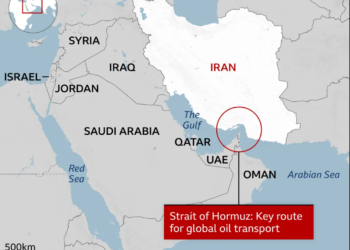 “The Pivot to Pakistan”: Trump Pauses ‘Project Freedom’ in Hormuz Amid Iran Deal Hopes
 “The Strait Scramble”: Inside Trump’s ‘Project Freedom’ and the Hormuz Naval Escort
 “Community Shield”: Met Police Deploy Specialist 100-Officer Team to Guard London’s Jewish Postcodes
 “The Cost of Conviction”: Palestine Action Activists Found Guilty Over ‘Clinical’ Factory Damage
 “The Local Gavel”: Polls Open Across Hampshire and Isle of Wight in Delayed ‘Milestone’ Vote