Published: 08 May 2026. The English Chronicle Desk. The English Chronicle Online.
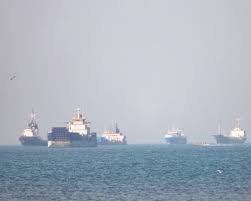
The fragile peace between Washington and Tehran faced its most grueling test late on Thursday evening. A month of relative calm shattered when heavy fire erupted across the vital Strait of Hormuz waterway. Both nations confirmed a significant exchange of military strikes that threatened to derail a delicate ceasefire. This sudden escalation began when American warships moved through the strategic passage under the cover of night. Iranian forces allegedly launched a coordinated assault using drones and several small tactical maneuvering boats. The United States military responded with overwhelming force to protect its naval assets in the region.
Pentagon officials described the move as a necessary act of self-defense against unprovoked hostile actions. Iranian state media painted a vastly different picture of the events unfolding near their coastal waters. They accused the American military of violating the standing agreement by targeting two commercial vessels first. Tehran claimed that US strikes hit civilian areas along the southern coast of the Iranian mainland. These conflicting reports have sparked deep concern among international observers and global energy market analysts alike. The Strait of Hormuz remains the world’s most important transit point for global oil supplies today.

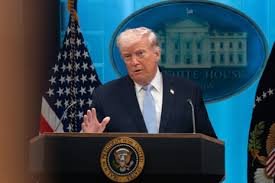
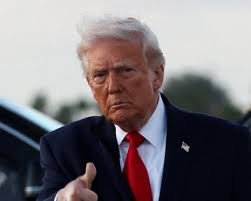
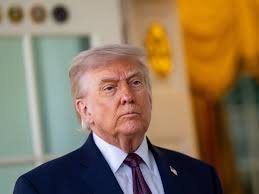
President Donald Trump addressed the nation shortly after the reports of the heavy skirmish surfaced publicly. He appeared at the Reflecting Pool in Washington to discuss the situation with the waiting press. The President struck a characteristically defiant and confident tone regarding the recent military engagement in Asia. He famously described the retaliatory American strikes as nothing more than a simple and firm love tap. Trump insisted that the ceasefire remained intact despite the heavy exchange of missiles and high-tech drones. He noted that the Iranian forces had trifled with the United States Navy on Thursday evening.
The President claimed that the American military had effectively blown the attacking forces away quite easily. He suggested that Iran desires a permanent peace deal much more than the United States does currently. Despite his bold rhetoric, the President admitted that a final negotiated settlement might not actually happen. However, he also teased that a breakthrough could arrive any day if Tehran chooses to cooperate. The uncertainty of his remarks reflects the volatile nature of modern diplomacy between these two rivals. Many experts believe that this latest clash could either force a deal or trigger war.
United States Central Command issued a formal statement detailing the specifics of the naval engagement tonight. They confirmed that three American destroyers were navigating the international sea passage during the incident occurred. The USS Truxtun and two other modern warships were targeted by multiple incoming Iranian flight assets. Centcom reported that no American personnel were injured and no naval assets sustained any physical damage. The military response targeted specific locations responsible for launching the initial attacks on the three ships. These targets included command centers and intelligence nodes located deep within the Iranian military infrastructure network.
American commanders emphasized that they do not seek a broader escalation of the current regional conflict. They maintained that the naval task force remains ready to protect all American interests and allies. Meanwhile, the Iranian military spokesperson issued a blistering condemnation of what they called American pirate tactics. They alleged that the United States broke the ceasefire by attacking a large Iranian oil tanker. The spokesperson claimed that the American strikes hit residential zones near the bustling port of Bandar Khamir. They insisted that their response inflicted significant damage on the American vessels during the brief battle.
Regional dynamics have become increasingly complicated as other nations reportedly assisted the recent American military strikes. Iran suggested that certain neighboring countries provided logistical support for the aerial attacks on their coastal cities. This accusation adds a dangerous layer of complexity to an already combustible situation in the Middle East. The United States has been pressuring Iran to keep the strait open for global commerce. A naval blockade of major Iranian ports has been a central part of recent strategy. This campaign, titled Project Freedom, aims to guide stranded tankers through the contested narrow waterway safely.
Just hours before the strikes, officials in Pakistan had expressed great optimism about a peace deal. They suggested that both countries were incredibly close to signing a temporary agreement to halt hostilities. Islamabad has acted as a key mediator during these tense weeks of high-stakes international shuttle diplomacy. They claimed that a basic interim deal could be finalized as early as this coming weekend. These hopes now seem much more distant following the violent events in the Strait of Hormuz. The gap between diplomatic aspirations and the reality on the ground remains wide and very dangerous.
President Trump took to social media to praise the bravery of the American sailors involved tonight. He lauded the crews for their professionalism while navigating through a literal gauntlet of hostile enemy fire. The President reiterated that the Iranian attackers were completely destroyed along with their numerous small attack boats. He used the moment to rail against the leadership in Tehran during his late-night digital posts. Trump argued that the attack proves Iran is not acting like a normal civilized country today. He warned that the United States would respond much more violently if diplomacy fails to work.

The existing ceasefire was originally brokered last month following a very intense period of direct military combat. That two-week conditional agreement included provisions for the temporary reopening of the vital Strait of Hormuz passage. Pakistan led the diplomatic intervention that prevented a full-scale regional war from erupting just a month ago. However, the lack of a permanent treaty has allowed old animosities to fester and eventually explode. The international community is now watching closely to see if the ceasefire can survive this blow. Oil prices have already begun to react to the news of renewed fighting in the gulf.
European leaders have called for immediate restraint from both sides to prevent further loss of human life. They fear that a single miscalculation could ignite a conflict that engulfs the entire Middle East region. The British Foreign Office is reportedly in close contact with its allies to assess the current situation. Stability in the strait is essential for the economic security of the United Kingdom and Europe. Shipping companies have been advised to exercise extreme caution when navigating near the coast of southern Iran. The next forty-eight hours will likely determine the fate of the regional peace process moving forward.
As the sun rises over the Persian Gulf, the world waits for the next move from Tehran. If the Iranian government chooses to retaliate further, the ceasefire will likely be declared officially dead. If they accept the American love tap, there may still be a narrow path toward peace. The citizens of coastal cities like Qeshm are reportedly returning to their normal daily routines for now. However, the shadows of warships on the horizon serve as a constant reminder of the tension. Diplomacy is a slow process, but modern warfare happens in the blink of an eye today. Both nations now stand at a critical crossroads that will define the coming decade’s history.
Related News:
 Capitol Attack Anniversary Sparks Deep Political Divide
 Saudi Officials Report Zubaidi Flee Before Yemen Peace Talks
 UK Targets in New York Bomb Threat Hoax: Man Jailed
 Gambia Supreme Court Hears Case to Overturn FGM Ban
 Trump targets Iran trade with 25% tariff warning
 US Senate rejects resolution limiting Trump military powers
 Gulf states warn Trump Iran strikes risk wider Middle East war
 Machado Trump medal gesture reshapes Venezuela power struggle
 Greenland defence seen as shared Nato duty amid troop arrivals
 Geopolitical football: Iran, Trump and the World Cup clash
 Canada-China trade gains momentum in new strategic partnership
 Trump Receives Machado’s Nobel Medal in White House Meeting
 Syria President Declares Victory as Ceasefire Reached with SDF
 US Considers Asylum for British Jews Amid Rising Antisemitism
 Trump slams UK ‘stupidity’ over Chagos Islands, eyes Greenland takeover
 Shinzo Abe’s killer receives life sentence in Japan
 China General Under Investigation Amid Leadership Purge
 Philippines ferry disaster leaves 15 dead, dozens missing
 Cambridge Faces Scrutiny Over Arms Investment Transparency
 Epstein UAE Emails Shake British Royal Andrew’s Legacy
 Christchurch gunman seeks to vacate guilty plea
 Infantino Faces Russia Threat and Trump Concerns at Uefa Congress
 Concerns rise for Canberra boy amid Iran detention fears
 Ukraine Sends Drone Experts to Defend US Bases in Jordan
 Abramovich Chelsea Sale Cash Faces Jersey Probe
 Yvette Cooper: UK Must Follow Principles, Not US Pressure
 Slovenia Election: A Nation at a Crossroads
 Jury Rules Meta and YouTube Liable for Addictive Design
 Saudi Arabia Urging US to Keep Up Iran Attacks
 Trump Softens Cuba Oil Stance as Russian Tanker Nears
 The Woman Guarding Earth From the Threat of Asteroids
 IMF Predicts Global Economic Crisis Due to Gulf Unrest
 California Defies Trump With Strict New AI Standards
 Germany Grapples With AI Abuse Following TV Star Scandal
 Exiled Tycoon Warns of New Russian Attacks on UK Soil
 Labor Under Fire Over Stalled University Fee Reform
 LA 2028: Millions of Affordable Olympic Tickets Announced
 Trump Slams Europe as Transatlantic Tensions Boil Over
 Inside the Deceptive Machine: A Former Producer Speaks Out
 Italy Faces Third Successive World Cup Absence After Loss
 Starmer Urges Ambitious EU Ties Amid Middle East Conflict
 Spain Faces Backlash Over Xenophobic Chants in Egypt Draw
 A Global Voice For Justice: Stephen Lewis Dies At Age 88
 Trump Issues Stark Warning After Strike On Iran’s Largest Bridge
 Hope and Fear as Iranians Flee Across the Turkish Border
 Tragic End to Outback Search as Floods Claim a Life
 Ben Roberts-Smith Arrested Over Alleged War Crimes
 Reform UK Pledges To Halt Visas Over Reparations Demands
 US and Iran Agree to Two-Week Provisional Ceasefire
 Starmer visits Gulf as US and Iran agree ceasefire
 Gaza Child Arrives in UK for Life-Changing Care
 Israel Defies Ceasefire as Lebanon Operations Persist
 Pakistan Brokers Historic Peace Deal Amid Rising Tensions
 UK Holds Firm on Strait of Hormuz Amid Trump Pressure
 Rory McIlroy Eyes New Horizons After Masters Defence
 Trump Signals Hope for New Iran Talks as Ceasefire Fades
 Reeves Slams Trump Over Iran War Lack Of Exit Plan
 US and Iran Pursue Extension of Ceasefire via Pakistan
 Trump’s Islamabad Gamble: The High Stakes of a New Iran Deal
 Wall Street Hits Historic High Amid Hopes for Iranian Peace
 Ian Katz to Step Down as Channel 4 Content Chief
 The General’s Gambit: Pakistan’s New Role in Global Peace
 Mexico, Spain and Brazil call for Cuba dialogue amid crisis
 Pakistan’s Ambitious Bid for Middle East Peace
 Trump Starts $166bn Tariff Refund Process
 Israeli Soldiers Jailed Over Vandalism of Lebanese Statue
 Trump Weighs Sending Afghan Allies to the Congo
 Timor-Leste Faces Tough Questions Over Resort Proposal
 Pentagon Shakes Up Navy Leadership Amid Hormuz Blockade
 Trump Threatens UK With Big Tariff Over Tech Tax
 Prominent Voices Challenge Palestine Action Ban
 Security Scrutiny After Washington Shooting Incident
 Merz Criticises US Approach in Iran Conflict
 UK Envoy Sparks Controversy Over Special Relationship Claims
 Ukraine Urges UK to Seize Russian Oil Tankers
 US Calls Australia Media Law “Foreign Extortion”
 The Billionaire’s Secretary and the £1m Fraud
 Questions Remain Over The Tragic Bondi Massacre
 Ukraine strikes Tuapse as oil disaster worsens
 Brewing Tension: Taiwan Baristas Rebrand for World Stage