Published: 08 May 2026. The English Chronicle Desk. The English Chronicle Online.
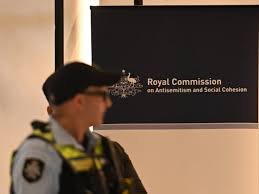
The tragic events of last December continue to cast a very long shadow over Australia. This week the royal commission into antisemitism announced a critical new phase of public hearings. These upcoming sessions will focus on the conduct of security agencies before the Bondi massacre. Legal experts and victims alike are seeking answers regarding what the authorities knew back then. The inquiry aims to discover if the horrific attack could have been prevented by police. Public interest remains high as the nation grapples with the memory of that dark Sunday. The commission has promised a thorough investigation into every piece of intelligence gathered by agencies. This process is vital for ensuring such a tragedy never happens on these shores again. Justice Virginia Bell will oversee the testimony from key intelligence officers and local police leaders.
On the evening of Sunday 14 December 2025, the peaceful atmosphere was shattered forever. Two gunmen allegedly inspired by Islamic State launched a brutal attack on a public park. The site was hosting a Hanukah by the Sea celebration behind the iconic Bondi Beach. Families had gathered to enjoy the festive lights and the warm summer evening in Sydney. The attackers opened fire without warning, causing immediate chaos among the many innocent holiday crowds. Fifteen people lost their lives in the hail of bullets during the terrifying evening assault. Forty other individuals suffered various injuries as they tried to flee the scene of violence. One of the gunmen, Sajid Akram, was killed by responding officers at the bloody scene. His son, Naveed Akram, survived the encounter and was taken into heavy police custody quickly. He now faces fifty-nine serious criminal charges including fifteen counts of intentional and brutal murder.
The royal commission issued a formal statement on Friday detailing the next steps of inquiry. This second block of hearings will interrogate the specific circumstances surrounding the Bondi beach atrocity. Investigators will look closely at the information known about the shooters before the attack occurred. They want to know why intelligence was not used to stop the pair earlier. The security arrangements for the Hanukah by the Sea event will also be under scrutiny. There are serious questions about how the gunmen obtained the firearms used in the killing. The commission will probe how intelligence is shared between various state and federal security agencies. Experts suggest that a lack of communication might have created gaps in the safety net. These hearings will also consider the broader terrorism threat level during that specific winter period. The government resourcing for counter-terrorism work will be a major point of political discussion.
An interim report released last month has already raised some very troubling and significant points. It revealed that Sydney’s Jewish community had specifically warned police about a likely terrorist attack. The Community Security Group sent an email in November describing a high level of vilification. They warned that a terrorist event against the NSW Jewish community was now highly likely. Despite this clear warning, the report found that police lacked a comprehensive risk assessment plan. No written safety strategy was provided for the Hanukah by the Sea event in 2025. This finding has caused a great deal of anger and frustration among the grieving families. They feel that their concerns were ignored by the very people sworn to protect them. The failure to document risks suggests a lack of urgency within the police command structure. This will be a primary focus for the commission as they call witnesses forward.
The NSW police commissioner, Mal Lanyon, has responded to these findings with a public apology. He acknowledged the report but insisted that a policing presence was at the park. Lanyon stated that his officers had worked with the Community Security Group during the planning. He emphasized his commitment to learning every possible lesson from this devastating and violent incident. The commissioner promised to implement any changes recommended by the commission to improve public safety. However, critics argue that a mere presence was not enough to deter the determined attackers. They suggest that a more proactive approach to intelligence might have saved fifteen innocent lives. The upcoming hearings will provide a platform to test these differing and conflicting perspectives. The community is waiting to see if accountability will follow these admissions of organizational failure.
In addition to security conduct, the commission is looking at broader societal and legislative issues. The interim report recommended that governments prioritize the creation of much tougher and uniform gun laws. It suggested a gun buy-back scheme similar to the one following the Port Arthur massacre. The report noted that efforts toward reforming firearms legislation have been far too slow lately. Safety should be the vital imperative that drives every single decision made by our lawmakers. The current laws are described as unduly leisurely given the rising threats in the country. Many believe that removing high-powered weapons from the streets is a necessary step for peace. The commission will hear from policy experts on how to best implement these restrictive measures. These recommendations could reshape the landscape of Australian gun ownership for the next several decades.
The first week of hearings has already provided a heartbreaking look at contemporary antisemitic experiences. Witnesses described facing abuse in public places, schools, and even their own professional workplaces. Many Jewish Australians told the commission that their identity is unfairly conflated with foreign conflicts. They spoke of the deep emotional toll that constant vilification takes on their daily lives. One anonymous witness, known as ABJ, shared a particularly moving story of her personal struggle. She had spent thirteen years volunteering for a national crisis counselling hotline for those in distress. However, she was forced to quit because of a surge in vitriolic antisemitic phone calls. She told the commission she was devastated to leave a role that she truly loved. It was a big part of her life that was taken away by hatred.
ABJ explained that the nature of her work changed drastically after the October 7 attacks. Before that date, she only encountered a handful of callers expressing hateful or antisemitic views. Following the military offensive in Gaza, she was suddenly inundated by waves of extreme verbal abuse. Every single shift involved at least one caller shouting conspiracies about Jewish control of media. Callers claimed that Jewish people have their tentacles everywhere in government and in global business. These interactions left her feeling incredibly anxious and unsafe even within her own volunteer office. She eventually decided she could no longer return to the hotline for her own wellbeing. The organization reportedly never reached out to her after she resigned from her long-term position. This lack of support highlighted a broader sense of isolation felt by many in the community.
During her testimony, ABJ expressed a fear that antisemitism has become endemic in Australian society. She lamented that a small section of society is ruining the harmony for everyone else. She expressed doubt about whether the genie of hatred can ever be put back inside. However, she also shared a glimmer of hope regarding the kindness of her local neighbours. After they learned her nephew was murdered at Bondi, they sent flowers and offered support. They even suggested installing security cameras to help her feel more secure in her home. This contrast between public hatred and private kindness was a powerful moment in the hearing. ABJ asked only that people no longer stay quiet when they see instances of antisemitism. She urged everyone to talk up whenever they witness any form of prejudice or hate.
The royal commission will continue to listen to these stories over the coming several weeks. Each testimony adds a piece to the puzzle of why the Bondi attack happened then. The focus on security agencies will likely be the most contentious part of the inquiry. There is a delicate balance between intelligence gathering and the privacy of individual citizens today. However, the primary goal remains the protection of all people from violent and hateful extremism. The findings of this commission will likely influence security policy in the UK and elsewhere. International observers are watching closely to see how Australia handles this moment of national reckoning. The victims of the Bondi massacre deserve a transparent and honest accounting of the facts. Only through the truth can the community begin the long and difficult process of healing.
Related News:
 Gambia Supreme Court Hears Case to Overturn FGM Ban
 Iran Death Toll Crisis Exposed: Bodies, Mass Graves, and Concealment
 Files Link Andrew to Epstein Dinner After Prison Release
 Thousands Protest ICE in New York Against Trump Deportation Campaign
 Concerns rise for Canberra boy amid Iran detention fears
 Brazilian Politician Brothers Sentenced for Marielle Murder
 Anthony Albanese Must Uphold Rights for All Australians
 Woman Executed in Somalia Sparks Debate on Justice System
 Uganda Crackdown: Two Women Arrested for Public Kissing
 Slovenia Election: A Nation at a Crossroads
 Police Seek Immunity in Indigenous Custody Death Case
 Manila Transport Crisis: Fuel Costs Hit Breaking Point
 UN Warns Israeli Death Penalty Bill Could Be a War Crime
 Spain Faces Backlash Over Xenophobic Chants in Egypt Draw
 A Global Voice For Justice: Stephen Lewis Dies At Age 88
 Artist Sues in Paris Over Israeli Strike Killing Parents
 Canadian Mother and Daughter Released From ICE Detention
 Bondi Nanny Adriana Rivas to Face Extradition to Chile
 Queensland Youth Justice Debate: The Data Behind the Law
 Gaza Child Arrives in UK for Life-Changing Care
 Brisbane Rideshare Driver Faces Serious Assault Charges
 Tragedy in the Channel as Four Lives Lost in Boat Sinking
 Kyiv and Odesa Mourn After Deadly Wave of Russian Strikes
 France Urges Release of Elderly Widow Held by ICE
 Trump Weighs Sending Afghan Allies to the Congo
 Prominent Voices Challenge Palestine Action Ban
 Standoff Over Syria: Australia Defies Trump Repatriation Plea
 Desperation in Odisha: A Brother’s Grim Bank Protest
 Activists allege abuse after Gaza flotilla seizure
 Australia Faces Rising Tide of Modern Antisemitism
 Mexico’s Missing: State Complicity in a Growing Crisis
 Nobel Laureates Demand Release of Activist Narges Mohammadi
 Plea for Mercy: The Battle to Bring Ahmed al-Doush Home
 Court Upholds Landmark Win for Transgender Rights
 Taliban Codifies Strict New Marriage and Divorce Legislation
 Israeli Strikes in Lebanon Kill 10 Amid Ceasefire Strain
 US judge dismisses Kilmar Abrego Garcia indictment
 Former ICC prosecutor condemns US sanctions
 Trump Faces Legal Blow Over Global Tariffs
 Silenced Stitches: The Cost of Memory in Hong Kong
 Vision Lost Amid the Rubble of Modern Conflict
 Controversial London Property Show Sparks Legal Fury
 US Supreme Court Rejects Trump Attack on Birthright Law
 Gaza Doctor Unrecognisable After Brutal Israeli Detention
 UK Charity Funds Illegal Hebron Settlement Expansion
 Taliban global ties grow as rights fears mount
 Friedman Uninvited From 2024 Adelaide Writers’ Week
 Spoof “Make America Go Away” Caps Rally Denmark Over Greenland
 New Zealand Covid Response Praised Despite Lingering Scars
 Diplomacy on the Brink: Pakistan’s Risky Peace Mission
 Teenage Titan: Sooryavanshi Smashes IPL Records
 Reform UK Pledges To Halt Visas Over Reparations Demands
 US and Iran Agree to Two-Week Provisional Ceasefire
 Israel Defies Ceasefire as Lebanon Operations Persist
 Islamabad Hosts Historic Peace Talks Between Iran and USA
 Security Alert Near Israeli Embassy as Police Investigate
 US-Iran Standoff: Will Trump Deploy Ground Troops?
 Investigation Into Anti-Trump Motives After Gala Shooting
 Putin Signals War End as Russian Momentum Stalls
 Romania’s Judicial Crisis: A System Under Siege
 Scepticism and tight security as Beijing braces for Trump
 Philippine Senator Flees After Days Under Senate Siege
 Secrecy Down Under: Albanese Faces FoI Scandal
 Tony Abbott Returns as New Liberal Party President
 Discontent grows around Putin amid war strain
 Teaching Machines Right From Wrong in the Digital Age
 Oman Defies US Pressure Over Strategic Strait of Hormuz
 Ex-CIA Agent Accused of $40m Gold Theft and Fake Spy Unit
 Aukus Deal Facing Fierce Backing and Historic Criticism
 Tragic Loss of Australian Sprinter Jemma Stapleton
 Trump Urged to Condemn UFC Fighter Over Obama Slurs
 Russian Tanker Captain Remanded in UK Court After Channel Seizure
 US Military Pacific Boat Strike Kills Three People
 Trump’s Mount Rushmore Speech: A Divisive Anniversary
 Trump Swaps Planes Amid Iran Tensions
 Rotterdam Museum Honours Artist With Peanut Butter Floor
 Bangkok Nightclub Blaze Claims 30 Lives Amid Negligence Probe
 Yemen Accuses Iran of Violating National Sovereignty
 Florida Executes One of Its Oldest Death Row Prisoners
 Houthis Strike Saudi Arabia as Middle East Tensions Rise