Published: 11 May 2026. The English Chronicle Desk. The English Chronicle Online.
The global energy landscape is currently facing one of its most challenging periods in modern history. Saudi Aramco has managed to navigate these turbulent waters with remarkable financial success and strategic foresight. The state-owned oil giant recently reported a staggering twenty-six percent jump in its first-quarter profits. This significant financial increase comes at a time when the Middle East faces intense geopolitical conflict. Many analysts wondered how the company would fare given the immense pressure on regional shipping routes. Saudi Aramco proved its resilience by posting a total profit of thirty-three billion dollars recently. This figure represents a vital lifeline for the Saudi economy during these very uncertain times. Revenue for the company also saw a healthy rise of nearly seven percent this year. Total revenue reached over one hundred and fifteen billion dollars in the first three months alone. These figures are particularly impressive when considering the physical risks facing the energy infrastructure today.
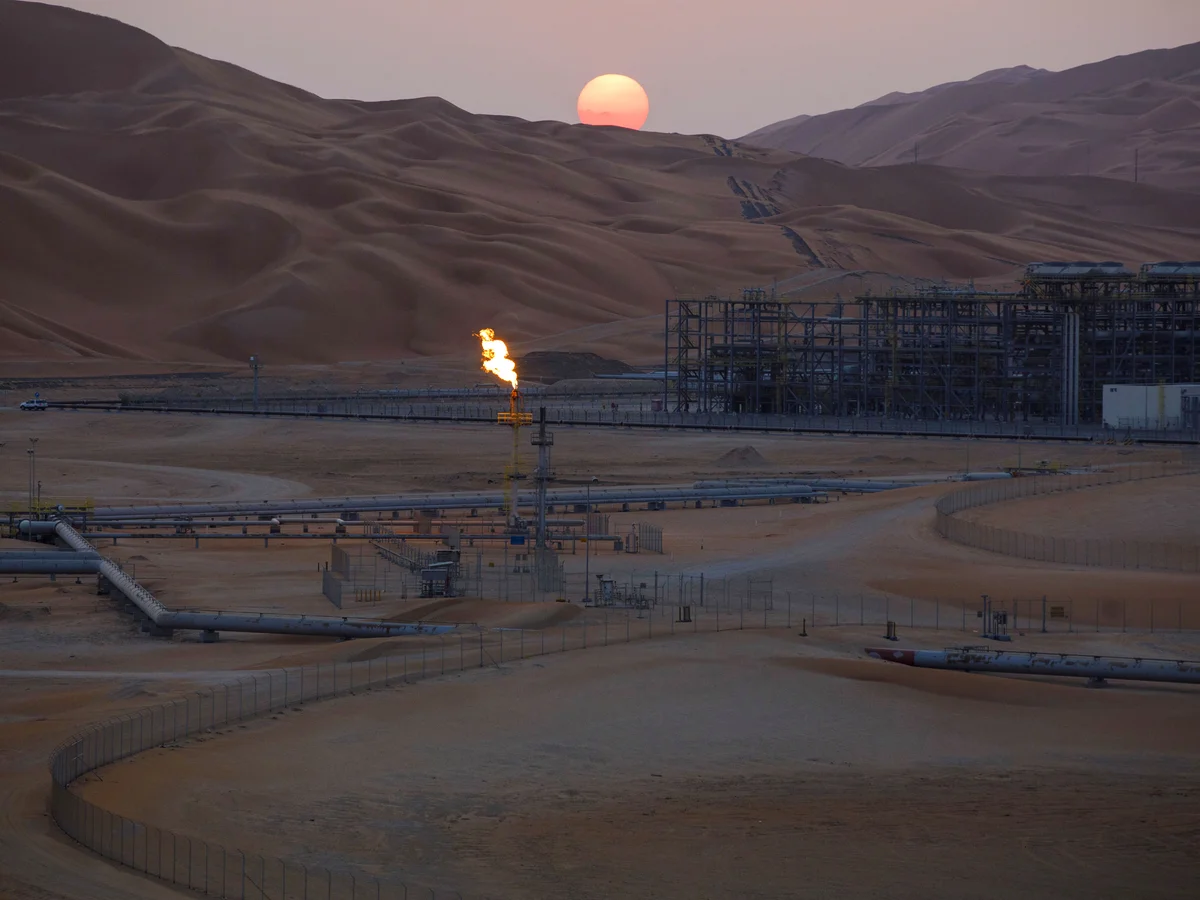
The primary driver behind this success is the strategic use of the East-West pipeline system. This massive infrastructure project allows the company to bypass the increasingly dangerous Strait of Hormuz. Currently, the strait remains effectively closed due to the ongoing conflict between the United States and Iran. Approximately one-fifth of the world’s total oil and gas supply typically passes through that route. With the strait blocked, many global energy suppliers have struggled to reach their primary markets. Saudi Aramco utilized its inland pipeline to ship millions of barrels toward the Red Sea. This move ensured that global customers continued to receive their essential energy supplies without delay. The pipeline reached its maximum capacity of seven million barrels of oil every single day. This achievement highlight’s the company’s ability to adapt quickly to sudden and violent shifts.

Amin Nasser serves as the president and chief executive officer of this massive global enterprise. He recently praised the pipeline for acting as a critical artery for the world economy. Nasser noted that the infrastructure helped mitigate the impact of a severe global energy shock. Without this alternative route, the energy crisis could have been much worse for international consumers. The pipeline delivers crude oil directly to the busy port of Yanbu on the coast. From there, tankers can safely access European and Western markets without entering the Persian Gulf. This strategic advantage has allowed Saudi Arabia to maintain its role as a stable provider. Many other producers in the region do not have access to such advanced bypass systems. Consequently, Saudi Aramco has gained a significant competitive edge during this particular period of crisis.
The conflict in the region has caused a dramatic spike in international crude oil prices. Brent crude is currently trading at approximately one hundred dollars per barrel on global markets. This price point is forty percent higher than the levels seen before the recent fighting. While high prices generally benefit oil producers, they also create immense volatility and economic risk. Amin Nasser previously warned that a continued blockade would lead to a total global catastrophe. He believes the market will take many months to return to a balanced state. Even if the shipping lanes reopened today, the backlog of demand would remain high. Nasser shared these insights in a detailed statement provided to major international news outlets. He anticipates that supply disruptions might persist well into the next calendar year of 2027. This long-term outlook suggests that energy prices may remain elevated for the foreseeable future.
The geopolitical situation remains extremely fluid as the world watches for any signs of peace. The United States is currently awaiting a formal response from Iran regarding an interim deal. This proposed agreement aims to end the hostilities and restore safety to the shipping lanes. However, fighting has continued in and around the strait over the last several days. A naval mission intended to open the waterway was recently announced and then quickly paused. This uncertainty has kept traders on edge and contributed to the sustained high oil prices. Saudi Aramco must continue to operate under the constant threat of attacks on its infrastructure. Despite these physical dangers, the company has maintained its commitment to its many global shareholders. The quarterly dividend remains steady at nearly twenty-two billion dollars for the current period.
The Saudi Arabian government relies heavily on these dividends to fund its various domestic projects. The state directly owns more than eighty percent of the shares in Saudi Aramco today. Another sixteen percent is held by the Public Investment Fund, the nation’s sovereign wealth vehicle. These funds are essential for the kingdom’s ambitious plans to diversify its national economy. Without the massive profits from oil, many social and infrastructure programs would likely face cuts. This financial dependency explains why the safety of Aramco’s operations is a top national priority. The company employs over seventy-six thousand people across its various global offices and production sites. Headquartered in Dhahran, it remains one of the largest and most influential businesses ever created. Its ability to generate profit during wartime demonstrates its unique position in the world.

Investors have reacted with cautious optimism to the latest financial results from the energy giant. While the profits are high, the underlying cause is a deeply concerning regional military conflict. Analysts at major London banks are watching the Red Sea shipping lanes very closely now. Any disruption at the port of Yanbu could potentially sever the company’s last remaining exit. For now, the East-West pipeline is performing exactly as its original designers had intended. It serves as a shield against the volatility that often defines the Middle Eastern region. The company’s technical expertise has allowed it to keep the oil flowing under pressure. This operational success provides a sense of stability to a very nervous global market. Many nations are looking to Saudi Arabia to help prevent a total economic collapse.
As the summer months approach, the demand for energy is expected to rise even further. If the Strait of Hormuz remains closed, the pressure on the pipeline will grow. Saudi Aramco may need to explore further expansions to meet this growing international demand. The current crisis has proven that energy security is often tied to geographic flexibility. The company’s foresight in building inland infrastructure is now paying off in a major way. It has transformed a potential disaster into a period of record-breaking financial performance and growth. Whether this trend continues will depend largely on the outcome of the peace talks. Until then, the world remains dependent on the narrow corridors of the East-West line. Saudi Aramco continues to stand as a titan in an industry defined by chaos. Its latest report is a testament to the power of strategic planning and resilience. Readers should expect continued volatility as the diplomatic process unfolds slowly in Washington. The English Chronicle will continue to monitor this developing story for our valued readers.
Related News:
 Reeves Faces Setback as Labour May Miss Homes Target
 Virgin Trains Moves Closer to Challenging Eurostar Monopoly
 Trump’s UK Ambassador Urges North Sea Drilling to Strengthen US Ties
 Ryanair Chief UK Economy ‘Doomed’ Under Labour
 M&S Profits More Than Halve After Cyber-Attack
 Earl of Yarmouth Faces £1.3m Legal Bill Over Family Estate
 Millionaires group urge Reeves to introduce wealth tax to ‘lift kids out of poverty’
 From Lego to Pokémon: How Adults Are Driving UK Toy Market Growth
 Canada Passes Carney’s First Budget in Tight Parliamentary Vote
 Starmer Says Labour’s Economic Plan Needs Years to Deliver
 Virgin Media Fined £23.8m Over Telecare Safety Failures
 Starmer Faces Parliamentary Battles Over UK-EU ‘Reset’ Plan
 Reeves Pub Business Rates U-Turn Calms Labour Revolt
 ScottishPower Tops List of Worst UK Energy Suppliers
 Markets Slide As Gold Rally Signals Risk From Trump Greenland Tariff Plan
 UK Eyes Global Investment with Visa Fee Refunds
 City & Guilds pay surge sparks backlash amid £22m cuts
 UK Inflation Hits 3.4% in December, Ending Five-Month Decline
 Trump Fed bid heads to Supreme Court
 ‘Black Tax’: Burden, Pride and Survival for African Workers
 AI job losses UK: Britain faces sharper employment shock
 India-EU Free Trade Deal Marks Historic Economic Shift
 EU Signals Open Mind on UK Customs Union Talks
 Telstra AI jobs cuts as automation drive expands
 BT Names New Openreach Chief Amid Major Fibre Expansion
 UK Banks Plot Payment Backup Amid Trump Fears
 UK Unemployment Rate Climbs to 5.2% Peak
 UK shelves £110m border project amid trade strain
 Aston Martin Cuts 20% Jobs Amid £363m Loss
 Switching Energy Deal Can Save £200 as Price Cap Falls
 Rachel Reeves Faces Middle East Conflict Test
 Grocery Inflation Rises Amid War Fears
 BrewDog sold Highland estate for knockdown price after abandoning reforestation plans
 UK Energy Reform Could Cut Bills by £200
 Rising Costs Force Families to Rethink Days Out
 Oil Slides, Stocks Jump on Trump Peace Signals
 UK inflation held at 3% before global energy price hit
 Ticketmaster Fees Rise Despite Recent US Junk Fee Crackdown
 M&S Demands Urgent Action on Rising Violent Retail Crime
 New Era for Sick Pay as Millions Gain Critical Rights
 Oil Prices Surge as Trump Issues New Deadline to Iran
 US and Iran Agree to Two-Week Provisional Ceasefire
 Stefano Gabbana Resigns as Chair of Italian Luxury Giant
 Rolls-Royce SMR Secures £600m Boost for Nuclear Future
 Aegon Sells Historic UK Arm to Standard Life for £2bn
 Central Bank Chiefs Hold Crisis Simulation in Washington
 UK Staycations Rise as Travel Fears Grow
 Former Brexit Chief Calls for Rejoining the EU
 Albanese Rejects Gas Export Tax Push
 Oil Prices Surge Above $120 Amid Iran Blockade Fears
 Silent Tracks: Rail Line Without Passengers
 Trump approval plunges amid Iran war fears
 Tough Fiscal Realities Await Next Scottish Government
 DeepMind Staff Vote to Unionize Over US Military Contract
 Global Conflict Hits Home As Bullock Warns Of Economic Pain
 STV Election Coverage Disrupted Amid Bitter Pay Dispute
 Big Tobacco Under Fire Over Controversial New Ad Campaign
 High Street Crisis: Fears Grow Over Post Office Closures
 UK Firms Freeze Spending as Iran Conflict Bites
 Summer Shock: British Energy Bills Set for Grim July Hike
 Reeves to Fast-Track Clean Energy Amid Iran Crisis
 Oil Markets Face ‘Red Zone’ Threat Amid Iran Crisis
 Belfast Approves Pilot Extension of Sunday Trading Hours
 Albanese Defends Tax Reforms Amid Emotional Speech
 Tube Strike Brings Capital to a Standstill Over Shift Disputes
 BP Stands Firm on Amanda Blanc Amid Boardroom Storm
 UK House Prices Drop For Third Month Due To War Fears
 Top Chefs Back Andy Burnham to Save UK Hospitality Sector
 GSK Secures Landmark $10.6bn Deal for Nuvalent
 UK Economy Suffers a Sharp Downturn as Iran Conflict Bites
 AI Scams Push UK Investment Fraud Past £220m
 Rethinking the Blueprint for Youth Employment in Britain
 Sainsbury’s Boss Optimistic As Grocery Inflation Eases
 UK Households Suffer Squeeze As Disposable Incomes Drop
 Creditors Eye Thames Water Even Under Nationalisation
 Record £28m Fine for Virgin Media Over Cancellation Woes
 Jet2 Sees Summer Surge Despite Global Tensions
 Ukraine Creates Long-Range Strike Command
 BBC Faces Real Jeopardy as Licence Fee Income Declines
 Thames Water Future Remains Uncertain Amid Funding Crunch