Published: 11 May 2026. The English Chronicle Desk. The English Chronicle Online.
The global football community is currently grappling with a significant and unexpected financial challenge. Many national football associations have expressed deep shock over the rising costs of tournament tickets. These tickets are specifically intended for the families and guests of the participating players. Recent reports suggest that several governing bodies are struggling to manage these soaring expenses. The primary cause for this sudden increase is the new adaptive pricing model used. Fifa has implemented this system to manage the high demand for the upcoming tournament. This model allows ticket prices to fluctuate based on real market trends and timing. National associations were initially given a specific window to purchase their required ticket batches.

This six-week period followed the official tournament draw that took place back in December. During that time prices remained fixed to help teams plan their budgets effectively. However any requests made after the end of January faced the new pricing rules. Consequently the cost of attending matches has risen sharply for many international delegations. One executive from a prominent national association shared their frustration regarding the recent bills. They noted that their latest request for hundreds of tickets was surprisingly expensive. Another official claimed that average costs have reached about three thousand dollars per ticket. This amount translates to roughly two thousand two hundred pounds for each individual guest. Such high costs are expected to drain the vital funding meant for teams. Smaller nations are particularly worried about how these prices will impact their limited resources. Fifa sources have been quick to defend the current ticketing structure and strategy. They insist that the average cost for national associations is actually much lower. The governing body explains that the ticketing process was divided into four distinct phases. These sales windows occurred in October and December as well as January and April. An additional last minute window was also created to satisfy the immense global demand. The most important opportunity for fixed pricing ended shortly after the Washington draw event. Since that deadline passed the cost for additional tickets has climbed for most games. A small number of tickets were reserved for teams qualifying through the March playoffs. All qualifying nations also received a set of free tickets for their official guests. Despite these provisions many football associations remain unhappy with the current financial situation. They feel that the price hikes were more aggressive than they had originally anticipated. Internal sources at Fifa maintain that all terms and conditions were clearly stated early. They argue that associations who met the deadlines did not face any price increases. The English Football Association reportedly avoided these extra costs by buying early in December. This proactive approach has shielded the England camp from the current pricing controversy elsewhere. However there is a growing fear for countries with much smaller operational budgets. These nations may find it difficult to support the families of their star players. To mitigate some financial pressure Fifa recently increased the preparation money for all teams. The minimum payment for each national association rose from ten million to twelve million. An additional sixteen million dollars will be shared to help cover various travel costs. Despite this extra support many large associations still expect to record a significant loss. The sheer scale of the tournament makes it a very expensive venture for everyone. President Gianni Infantino recently addressed the global demand during a major football congress meeting. He revealed that there have been over five hundred million requests for tournament tickets. Almost all available inventory has already been sold to fans around the entire world. This incredible demand represents about ninety percent of the total tickets created for matches. Fifa has also launched its own official resale marketplace to help manage the flow. Interestingly prices on this resale platform are sometimes lower than the primary sales site. For example a top category ticket for the opening American match is quite expensive. This specific seat against Paraguay in Los Angeles is listed at over two thousand. Meanwhile similar category tickets on the resale site were found for thirteen hundred dollars. Both buyers and sellers must pay a fifteen percent commission fee for these transactions. This commission goes directly to Fifa to cover the costs of the resale platform. Outside of the official Fifa channels ticket prices seem to be falling slightly. Data from independent tracking websites shows a downward trend for most of the matches. Prices for eighty seven out of ninety one games have dropped recently in America. This trend suggests that the initial peak of the market may be cooling down. Nevertheless the official pricing policy remains a subject of intense debate among football fans. Even political leaders have weighed in on the high costs of the modern game. United States President Donald Trump commented that he would not pay such high prices. He made these remarks when asked about the cost of the first American game. Fifa has continued to defend its pricing as being fair for premium events. They believe the prices are consistent with other major sporting spectacles in the States. This stance received support from Andrew Giuliani who leads the American World Cup taskforce. He told reporters that their team does not believe in implementing strict price controls. They prefer to let the market determine the value of these highly coveted seats. This philosophy has created a difficult environment for some of the visiting international teams.
 Associations must now decide how much they can afford to subsidize for their players. Some players may have to cover the costs for their own families and friends. This situation adds a layer of stress to the preparations for the world stage. The disparity between wealthy and developing football nations is becoming more apparent through this. While the English FA sits comfortably others are searching for ways to save money. The financial landscape of international football is changing rapidly under these new digital models. Fans and officials alike are watching to see if prices will stabilize soon. For now the focus remains on the pitch despite the noise regarding ticket bills. Everyone hopes that the magic of the tournament will eventually overshadow these financial concerns. The upcoming weeks will be crucial for associations trying to finalize their guest lists. It remains to be seen if Fifa will offer any further concessions to teams. The world is waiting for the greatest show on earth to finally begin. Business and sport have always been linked but the stakes feel higher now. Every goal and every match will be played under the shadow of this economy. The passion of the fans will likely ensure that every stadium remains full. Whether the families of the players are there depends on the final invoices. This story continues to develop as the opening whistle draws closer for all nations. The English Chronicle will keep providing updates on this evolving story for our readers. We aim to bring you the most accurate news from the heart of football. Stick with us for more coverage on the World Cup and its impact.
Related News:
 Captain in the Spotlight: The Future of England Cricket
 Morocco Beat Dutch in Wild World Cup Penalty Drama
 The Last Stand of English Cricket’s Greatest Partners
 Sarr Double Sinks Young Liverpool in Carabao Cup
 Salah & Gravenberch Lead Liverpool to Win Against Villa
 Dyche Criticises Corner Decision as Forest Draw with United
 Granit Xhaka Rescue Earns Everton Draw at Sunderland
 Burn and Joelinton Head Newcastle to Victory Over Bilbao
 Tension and Turmoil at Aston Villa v Maccabi Match
 Bellingham has ‘the edge’ among England No 10s
 Man City Masterclass on Guardiola’s Milestone Day Exposes Liverpool Woes
 Lando Norris Dominates Brazil GP to Strengthen F1 Title Bid
 VAR Must Rein Its Neck In to Save Football’s Spirit
 Trescothick Hints Pope Will Keep Number Three Spot
 Mary Earps’s Manchester United Return Faces Mixed Reception
 Sam Kerr Stars in Chelsea Return with Champions League Double
 This kid is something else: Alex Scott’s rise to England call-up
 Former Lion Heskey Warns of Shortage of England Strikers
 Moyes Defends Gueye After Dramatic Everton Bust-Up
 Jac Morgan to Miss Six Nations Start After Surgery
 Alexander Isak ends drought as Liverpool stop rot with win at West Ham
 Stokes urges empathy for England players amid Ashes struggles
 British skier killed in La Plagne avalanche tragedy
 UK Presses On With Chagos Handover Despite Trump Criticism
 Arsenal vs Man Utd LIVE: Jesus Starts as Carrick Stays Loyal
 Newcastle fans face bleak reality under Saudi ambitions
 Sydney Protest Pepper Spray Clash During Herzog Visit
 Infantino Faces Russia Threat and Trump Concerns at Uefa Congress
 BBC World Cup Presenting Duties Shared Among Trio
 UK suspends study visas for four nations to curb asylum
 Jordanian Arrested in Philippines Over Bondi Beach Terror Links
 Ukraine war briefing: Zelenskyy offers help to Saudi Crown prince on combatting Iranian drones
 Abramovich Chelsea Sale Cash Faces Jersey Probe
 Starmer Praised for Stance on Trump and Iran Conflict
 African World Cup Fans Face $15,000 Entry Bond Fee
 Teenage Titan: Sooryavanshi Smashes IPL Records
 Sam Konstas Dropped as Australia Unveils New Contract List
 Trump Facing Backlash Over Firing of Cabinet Women
 Melania Trump Denies Ties to Epstein and Ghislaine Maxwell
 Trump Starts $166bn Tariff Refund Process
 Prominent Voices Challenge Palestine Action Ban
 John Terry Faces Backlash Over Political Posts
 Scott Parker Leaves Burnley After Premier League Drop
 Foden Commits Future to Man City Until 2030
 RFU Backs Borthwick Despite England’s Poor Six Nations
 FIFA Confirms Global Ban for Benfica Star Prestianni
 The Global Battle for Control Over the Women’s Game
 Southampton Face Misconduct Charge Amid Spying Claims
 Ancelotti Sets High Bar for Neymar Ahead of World Cup
 Chaos at Valdebebas: Florentino Pérez Calls for Elections
 Tragedy in the Maldives: Inside the Deep Sea Rescue
 US Ebola Case Sparks Urgent Global Screening Measures
 De Zerbi Rallies Spurs To Fight Relegation Threat
 The Battle for Wembley Sparking Unprecedented Legal Warfare
 Uefa Transforms Men’s Major Tournament Qualification
 Tuchel Defends Tough England Squad Decisions
 Guardiola to Leave Man City After Historic Era
 Farewell to an Icon: Pep Guardiola to Exit Manchester City
 UK Urged to Build EU Rejoin Consensus, Says Miliband
 Teaching Machines Right From Wrong in the Digital Age
 Steel Tensions Rise Between United Kingdom and European Union
 Tragedy in Pakistan Sparks Fury
 Russian Tanker Captain Remanded in UK Court After Channel Seizure
 Controversial London Property Show Sparks Legal Fury
 Kremlin-Backed Saboteurs Target UK Capital and State Democracy
 Iran Files Official Fifa Complaint Over World Cup Travel
 Historic Victory for Canada as They Defeat Nine-Man Qatar
 Heartbreak for Canada as Koné Suffers Horrific Injury
 What Burnham in Number 10 Means for the Future of Britain
 Scouts Introduce Badges For AI And Digital Skills
 Paraguay Shock Germany in Historic Penalty Shootout
 Ben Stokes Retires: The End of an Extraordinary Era
 France Dominate Sweden as Deschamps’ New Era Takes Shape
 Haaland Heroics Send Norway Into Historic Last 16 Knockout
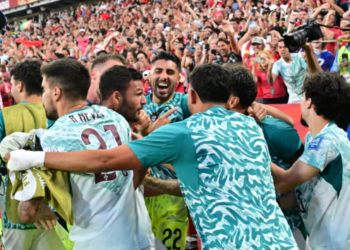 Ramos Sends Portugal into the Last 16
 Spanish Late Winner Sends Ronaldo Into Final Sunset
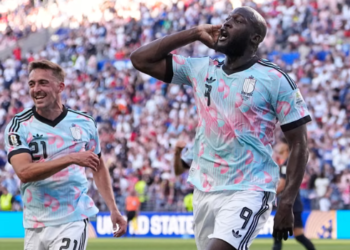 Belgium Thrashes USA After Red Card Controversy
 Heartbreak After Surrogacy Sperm Mix-Up
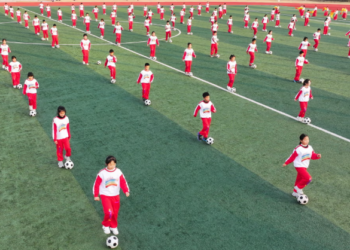 China’s Football Dream: Can Amateur Leagues Spark Change?
 Belgium Draws Global Support Before Spain Showdown