Published: 14 May 2026. The English Chronicle Desk. The English Chronicle Online.
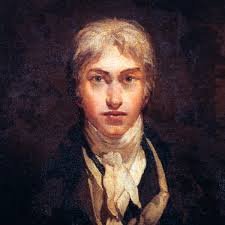
The British art world has been shaken by a claim that challenges one of its most cherished icons. For years, the face of JMW Turner has looked out from the twenty-pound note with a sense of romantic intensity. This image is widely accepted as a self-portrait of the great English master from his youthful years. However, a prominent expert now suggests that this famous painting is not the work of Turner at all. Dr James Hamilton, a respected biographer of the artist, has put forward a compelling case for a different creator. He believes that the portrait was actually painted by John Opie, a contemporary of the famous landscapist. This revelation has sparked a deep debate among historians and curators across the United Kingdom. If true, it means that the banknote carries a misattributed piece of British history.
The painting in question has been a cornerstone of the Tate Britain collection for a very long time. It shows a young man with direct eyes and a mop of dark, untidy hair. The work is dated to approximately seventeen ninety-nine, when Turner was only twenty-four years old. At that time, Turner was already making a name for himself as a brilliant artistic force. Dr Hamilton argues that the style of the portrait does not match Turner’s known methods. He points out that there is nothing else quite like it in the vast body of Turner’s work. In his early biography of the artist, Hamilton admits he used the image without questioning its true origin. Now, after years of study, he feels he failed to think hard enough about the painting’s history. He believes the error began shortly after the death of the artist in eighteen fifty-one.
When Turner passed away, he left behind a massive collection of thirty thousand sketches and watercolours. This collection, known as the Turner Bequest, also included nearly three hundred finished oil paintings. The legal battle over his will was a long and very tortuous affair for his family. Eventually, a judge decided that the nation should receive every single work found within his studio. This included many pieces that were hanging in total disarray in his home on Queen Anne Street. It is likely that the portrait was simply lumped in with the rest of the collection. Early records do not even list the work as a self-portrait by the artist himself. Instead, the documents described the piece more generally as a portrait of Turner by an unknown hand. Over many decades, the assumption that it was a self-portrait gradually became an accepted fact.
Dr Hamilton suggests that the painting shows a level of dexterity typical of a master portraitist. He believes that John Opie is the most likely candidate for the true authorship of the work. Opie was known for depicting his sitters with light emerging dramatically from a dark, moody background. This specific technique is a hallmark of the portrait that now appears on our national currency. Hamilton has compared the piece to other works by Opie found in galleries across the world. He specifically points to a portrait of an unidentified man held in San Diego. Both paintings share a similar full-face directness and a very energetic use of shadow-play. They also both show a curious interest in the messy hair of the young male subjects. These stylistic links make a very strong case for Opie being the actual artist.
John Opie was a well-known figure who often painted his fellow artists during that period. He is known to have admired the talent of Turner as they both rose to fame. It is possible that Opie gifted the portrait to Turner as a token of friendship. At the time, such a painting would have had very little commercial value to its creator. This would explain why the portrait remained in Turner’s house until the day he finally died. The research has been published this week in the latest issue of Turner Society News. Hamilton argues that the Tate should now take the steps to reattribute the work to Opie. He notes that without this striking image, Turner might not have been chosen for the banknote. We may owe a debt of gratitude to Opie for providing such a powerful likeness.
The Turner Society has acknowledged that Hamilton has made a very plausible case for his theory. Dr Pieter van der Merwe, the chair of the society, found the documentary evidence quite strong. He noted that no one had tackled this specific problem so thoroughly in the past. However, he also warned that the Tate might be reluctant to change the official record. There is a complex legal point regarding the nature of the original Turner Bequest. The bequest is strictly meant to comprise works that were created by Turner’s own hand. If a piece is proven to be by another artist, it creates a restitution issue. This could lead to a legal headache that the museum would likely prefer to avoid. The ownership of the painting could be called into question by the descendants of the artist.
The descendants of Turner have long been critical of how the bequest is currently handled. Turner specifically requested in his will that his works be kept together in one gallery. Instead, the collection is split between the National Gallery and the halls of Tate Britain. Some scholars, like Dr Selby Whittingham, remain unconvinced by the new claims regarding the portrait. Whittingham believes the light tonality of the work is actually quite characteristic of Turner’s style. He argues that the attribution to Turner should remain as it has been for years. The debate highlights the difficulties in identifying works from a period with few written records. It also shows how much our modern perception of a historical figure relies on art. The image of the young, brooding Turner is now firmly fixed in the public mind.
A spokesperson for the Tate has stated that they always welcome new ideas and interpretations. They have expressed an interest in exploring the research of Dr Hamilton much further in time. For now, the painting remains labeled as a self-portrait by the great master of light. Visitors to the gallery will continue to see it as the definitive face of Turner. Yet, the seed of doubt has been planted by one of the world’s experts. It reminds us that history is never fully settled and can always be rewritten. Art history is a living field where new discoveries can change how we see the past. Whether it is a self-portrait or a gift from a friend, the power remains. The gaze of the young man continues to captivate everyone who looks upon it.
The story of JMW Turner is one of constant evolution and great artistic brilliance. He was a man who changed the way we perceive the natural world through paint. To think that his most famous likeness might be a mistake is truly fascinating. It adds a layer of mystery to a man who was already quite enigmatic. If the Tate does decide to change the label, it will be a historic moment. It would mark a significant shift in how the National Collection is managed and understood. For the public, the man on the twenty-pound note will remain a hero. Whether painted by his own hand or by a friend, his legacy is secure. The English Chronicle will continue to follow this story as more experts weigh in. For now, the mystery of the Turner portrait remains a topic of great interest.
Related News:
 Exhibition Revisits Life of 18th-Century Black Court Figure
 Unveiling Hidden Masters: Female Artists Take Centre Stage
 The Burning Lens: An Iranian Artist’s Visual Resistance
 Opera Singer Hails Surgery For Restoring Her Hearing
 Lee Lai Makes History with Landmark Stella Prize Victory
 Whistler’s Mother and why its fame frustrated artist
 Sycamore Gap Artwork Chosen After Public Vote
 Cannes filmmakers split over AI’s role in cinema
 The Obamalisk: Inside the Controversial $850m Presidential Center
 Angela Merkel’s Portrait Unveiled: A Quiet Berlin Story
 Rotterdam Museum Honours Artist With Peanut Butter Floor
 Dreyfus Statue Finally Gets Permanent Paris Home
 Sydney Arts Venue Faces Eviction After Religious Protests
 Reeves Faces Setback as Labour May Miss Homes Target
 Kate Winslet to Narrate Film Highlighting King’s Environmental Mission
 Trump’s UK Ambassador Urges North Sea Drilling to Strengthen US Ties
 UK Bans Fake Numbers: Scammers Lose Their Trick
 Vibe coding’ named Collins dictionary’s word of the year
BBC to Apologise Over Edited Trump Speech Amid Backlash
Vibe coding’ named Collins dictionary’s word of the year
BBC to Apologise Over Edited Trump Speech Amid Backlash
 Millionaires group urge Reeves to introduce wealth tax to ‘lift kids out of poverty’
 Reeves rejects £1bn plea for NHS redundancy payouts
 PM Condemns Leaks, Vows Loyalty to Ministers and Stability
 Phillipson Accused of Appeasing Unions by Diluting EBacc
 Saka Solidifies Role as Tuchel’s Key England Lieutenant
 Greene Pushes Epstein Files Amid Trump Fallout
 Zelenskyy Signs Fighter Jet Deal Amid Russian Drone Attacks
 Sundar Pichai Cautions on AI Hype and Market Risks
 Shadow Fleet at Sea: Europe’s Battle Against Illicit Oil Shipping
 Snow and Ice Cause Travel Chaos in North Yorkshire
 Director Michael Caton-Jones Reflects on Career and Beginnings
 Inside the Helpline Protecting Missing Children in the UK
 PlayStation PS5 Deals Hit Lowest Prices Ahead of Black Friday
 US Suspends Afghan Immigration After White House Shooting
 Five-Year-Old Dies After Rare Tonsil Surgery Complication
 Starmer Says Labour’s Economic Plan Needs Years to Deliver
 ‘Extinct’ Antelope Returns to Sahara, Bringing Hope
 IndiGo Cancels Hundreds of Flights Amid Pilot Shortages
 Young Britons Face Heaviest Burden from Ageing Population, Lords Warn
 U‑Turn on Farmers’ Inheritance Tax Sparks Political Firestorm
 Aston Villa Remain Arsenal’s Key Obstacle in Title Pursuit
 US and Iran Agree to Two-Week Provisional Ceasefire
 Battle of Britain Tower to House Tourists and Bats
 The Challenger: Will Péter Magyar End the Orbán Era?
 UK Government Poised to Revive Stalled Hillsborough Law
 Democrats Move to Impeach Defense Secretary Pete Hegseth
 Security Alert Near Israeli Embassy as Police Investigate
 Ben Roberts-Smith Denies War Crime Allegations in First Statement
 Home Office Faces Legal Risks Over Asylum Hotel Living
 US-Iran Standoff: Will Trump Deploy Ground Troops?
 Crisis in NHS Surgery Scheduling Hits Patients Hard
 Investigation Into Anti-Trump Motives After Gala Shooting
 Dubai Assets Linked to Sudan’s RSF Militia Exposed
 Blue Badge Abuse: The Rising Tide of Public Hostility
 Tragedy Strikes at Parafield Airport
 Scott Parker Leaves Burnley After Premier League Drop
 Silent Tracks: Rail Line Without Passengers
 Arteta urges Arsenal to step up in Atlético semi-final
 RFU Backs Borthwick Despite England’s Poor Six Nations
 Major test for Labour as polls open in Great Britain
 High-Profile Murder Trial Begins for Ian Watkins Death
 Trump Rejects Tehran Peace Plan as Regional Truce Crumbles
 Wes Streeting faces narrow road to Labour members’ favour
 Keir Starmer Struggles to Secure His Grip on Downing Street
 Trump and Xi Convene in Beijing for Historic High-Stakes Summit
 Tensions Flare as Israeli Nationalists March in Jerusalem
 UK Firms Freeze Spending as Iran Conflict Bites
 UK Job Market Squeezed as Iran War Drives Jobless Rate to 5%
 Reeves to Fast-Track Clean Energy Amid Iran Crisis
 The Battle for Wembley Sparking Unprecedented Legal Warfare
 Tony Abbott Returns as New Liberal Party President
 Pope Meets Families in Italy Toxic Waste Zone
 Royal Ascot Allegation Sparks Wider Police Inquiry
 Secret Role of UK Security Services in Troubles Amnesty Law
 Tube Strike Brings Capital to a Standstill Over Shift Disputes
 Teaching Machines Right From Wrong in the Digital Age
 Is Ollie Robinson the Chaos English Cricket Needs Today?
 The Hidden Crisis Eroding Trust in British Communities
 Saving the Scalloped Hammerhead: The Pacific Battle
 Stolen Mobiles Could Soon Become Useless Bricks
 Clean Air Initiatives Spark Major Fall in London Hospital Admissions