
Published: 19 May 2026. The English Chronicle Desk. The English Chronicle Online
In a powerful, “asymmetric” cultural movement gaining traction across the United Kingdom, a new generation of independent bands is aggressively utilizing the raw, unfiltered medium of youth music to challenge the persistent, archaic stereotypes that continue to shadow Britain’s diverse urban communities. Moving at a frantic “160 MPH clip,” these grassroots ensembles are bypassing the traditional, sanitized “bottleneck” of mainstream corporate music production, instead cultivating vibrant, digital-first fanbases through community-led festivals, DIY warehouse shows, and highly authentic social media narratives. By blending genre-defying sonic textures—ranging from grime-infused punk to electronic-folk fusion—with deeply personal lyrics about migration, identity, and the “nasty” reality of modern systemic biases, these musicians are effectively forcing a national, clinical conversation about the structural “resilience deficit” in how young British people of color are perceived by the public and portrayed in legacy media.

The phenomenon is perhaps most visibly illustrated by the rapid rise of the South London-based collective The Unified Resonance, whose breakout anthem, Static on the Line, has recently topped the independent charts. The track serves as a blistering, direct assault on the “accountability rot” found in narratives that paint working-class youth solely as agents of chaos or social instability. During a recent interview with The English Chronicle, the band’s lead vocalist, 21-year-old Amara Okafor, noted that the group’s songwriting is driven by the “speechless determination” to present a fully rounded, human portrait of their generation. “We aren’t just here to entertain,” Okafor stated. “We are here to rewrite the script that has been written for us by people who have never stepped foot in our neighborhoods. Every chord we play is an attempt to dismantle the box they want to keep us in.”
This movement represents a calculated, proactive attempt to reclaim the narrative from the clutches of algorithm-driven polarization. While traditional media discourse often lingers on the “nasty” aspects of urban life—focusing on crime stats or localized tensions—these bands are choosing to highlight the profound, collaborative spirit that defines their daily lives. By organizing community music workshops in local youth centers, the artists are intentionally bridging the generational “resilience deficit,” ensuring that the wisdom of elder activists is passed down to the creative energy of the teenagers who flock to their shows. This intergenerational mentorship loop is creating a self-sustaining ecosystem of cultural resistance, where music serves as the primary language for building community, fostering empathy, and creating a safe, inclusive space for young people to articulate their frustrations with the political status quo.
The impact of this cultural shift is now beginning to register on a legislative level. Local councils in Birmingham, Manchester, and Glasgow, recognizing the positive, “asymmetric” impact these music collectives are having on social cohesion, have begun to offer redirected funding to support the development of low-cost, independent rehearsal spaces and youth-led event platforms. This represents a significant, long-overdue recalibration of urban planning; local leaders are finally acknowledging that when the city provides infrastructure for creative expression, the resulting social dividends are massive. By empowering young people to define their own cultural identity through song, the state is effectively neutralizing the “bottleneck” of alienation that often acts as a precursor to social fragmentation, ensuring that the next generation has the tools to build their own inclusive, representative futures.
However, the path forward is not without its systemic hazards. These bands continue to navigate an industry that is still heavily skewed toward a narrow, commercialized definition of success, often requiring them to fight tooth and nail for mainstream recognition without compromising their hard-won integrity. The digital platforms they use to broadcast their message are frequently subjected to “shadow-banning” or restrictive content policies that disproportionately penalize politically charged art from marginalized creators. This institutional friction serves as a constant, “nasty” reminder that the fight against stereotype is a long-term, structural campaign rather than a temporary trend. Yet, the sheer volume of high-quality, genre-busting music currently emerging from this scene suggests that this is far from a passing fad.

Ultimately, the surge of bands using their platforms to challenge stereotypes proves that music remains the most potent tool for social recalibration. As these collectives continue to pack out independent venues and build massive, loyal followings, they are effectively turning the volume up on a national debate about equality, representation, and the necessity of hearing the voices of those living on the margins. Whether through the rhythm of a drum kit, the sharpness of a poetic lyric, or the collaborative energy of a neighborhood music workshop, these young artists are proving that when you give a generation the chance to define itself, they will inevitably create a sound that is too loud, too authentic, and too important to be ignored.
Related News:
 The Planet Rock Sunset: Hip-Hop Architect Afrika Bambaataa Dies Aged 68
 “Recalibrating, Not Retiring”: Dolly Parton Cancels Las Vegas Residency Amid Health Battle
 “From Tile to Vinyl”: How a Viral Kitchen Serenade Landed One TikToker in a Top LA Studio
 ‘Fabled Knights of Old’: The True Story of Japan’s Mysterious Samurai
 Battle to Save the Crumbling Palace of General Gordon’s Last Stand
 Lunar New Year 2026: Celebrations Around the World
 ‘There Is a Feeling of the Greatest Outrage’: The Mystery of Stolen Champion Racehorse Shergar
 ‘Simple but Harmonious’: Eight Iconic Nordic Homes Throughout History
 Dolma: The Stuffed Dish the World Fell in Love With
 Tourism Is Booming in 2026 — Just Not Where You Think
 China Shows Off Nunchuck‑Wielding Humanoid Robots for Lunar New Year
 Singapore Offers to Set Up Single Americans with ‘Epic’ First Dates – There’s Just One Catch
 Revealed: The Billions Given to Charity by Ordinary Indians Every Year
 Germany’s Fairy Tale Route: The Real Places Behind the Grimm Stories
 Toddlers in Finland Lead the Fight to Save Sámi Language
 ‘She Loved Painting Life Out Loud’: The Story of Beryl Cook’s Saucy Art
 Karen Gillan Reveals What She Misses Most About Scotland’s Food and People
 Why Alan Carr Bought a Castle in Kent
 ‘We Pray for Peace’: Indian Filmmaker From Troubled State Who Won a BAFTA
 BBC Apologises After Racial Slur Aired at BAFTAs by Guest With Tourette’s
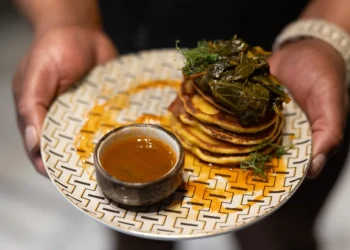 Inside Atlanta’s Soul Food Revolution
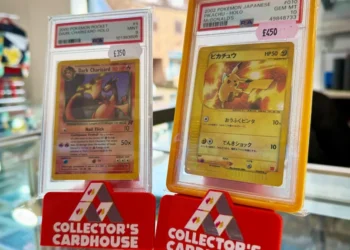 Man discovers £18k trading card stash in his loft
 Thailand Outsiders Face Patronage Wall
 Louvre Museum Director Resigns Months After High‑Profile Heist
 Security Threat Linked to Chinese Dance Group Triggers Bomb Scare for Australian PM
 Rose Wylie: The 91‑Year‑Old Art World Rebel in Her Prime
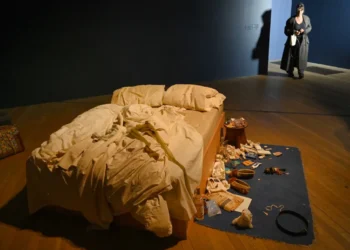 Tracey Emin Says My Bed Would Be ‘Tidy, Clean and Boring’ If Made Today
 Actor Awards: The Winners and Nominations in Full
 After Decades of Decline, Why Welsh Male Voice Choirs Are Back
 Rembrandt Painting Worth Millions Rediscovered After 65 Years
 Souped‑Up Warhol Exhibition Pops Into City With New Works
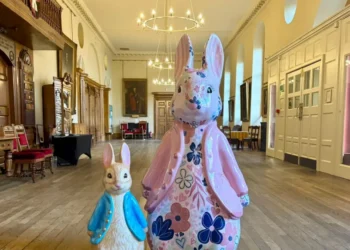 Peter Rabbit Chosen as Design for New Public Sculpture Trail
 Artist’s Work Features on 10 Rose‑Themed Stamps Issued by Royal Mail
 ‘No Gain’ for Notorious Prisoner From Artwork Sale After Auction
 The Little Town Making Nearly All of China’s Lanterns
 ‘The Bride!’ Review: Maggie Gyllenhaal’s Bride of Frankenstein Riff Is Exhilarating and Unforgettable
 Why Every Culture Has a Healing Broth
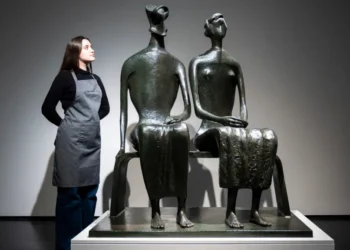 Henry Moore sculpture sells for £26m at auction
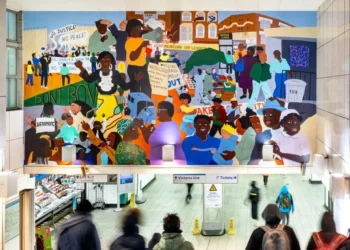 London Underground’s public art celebrated
 Broadchurch Writer Supports ‘Next Generation’ of Talent
 Uzbekistan’s Natural Landscapes Take Centre Stage
 ‘The Show Must Go On’: Megan Thee Stallion Hospitalized Mid-Performance in Broadway Debut
 National Treasure: Raja Ravi Varma Masterpiece Smashes Indian Art Record with $17.9m Sale
 National Icon Returned: Ancient Golden Helmet Recovered 14 Months After Dutch Heist
 Pepsi Drops UK Festival Sponsorship After Backlash
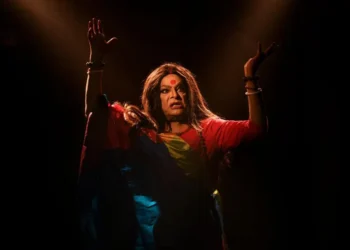 The Man Who Became One of India’s Greatest Stage Queens
 The Mosaic of 1926: Newly Released Census Shatters “Monocultural” Myth of Early Irish Free State
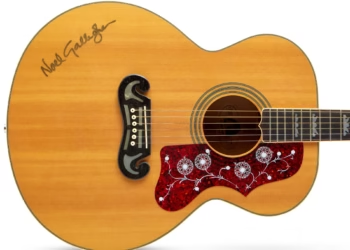 ‘Some Might Pay’: The Guitar That Built ‘(What’s the Story) Morning Glory?’ Heads to Auction
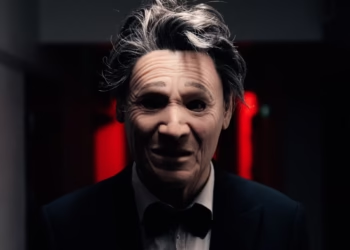 The Suffocating Silhouette: Why Metal’s Mask Trend is Turning Deadly
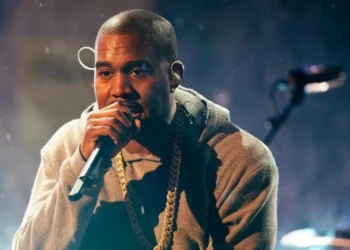 Chaos for Concertgoers: Wireless Festival Cancelled Amid Kanye West Entry Row
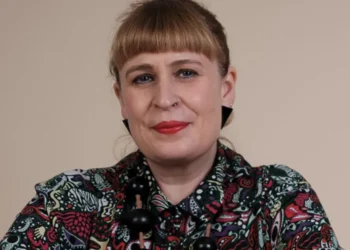 The Lough’s Lament: Can Fiction Spark a ‘Seismic’ Rescue for Lough Neagh?
 Exhibition Revisits Life of 18th-Century Black Court Figure
 Heartbreak on the Rails: World-Renowned Violinist, 79, Pleas for Return of Stolen Instrument
 Arraignment and Allegations: Singer D4vd Pleads Not Guilty to First-Degree Murder of 14-Year-Old
 The ‘Machli’ Manifesto: Why Indian Politicians are Trading Rallies for Fish Markets
 Shaken, Stirred, and Syncopated: 2026 BBC Proms Unveils Boldest Lineup Yet
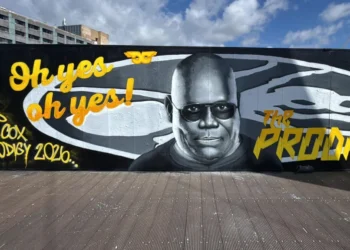 ‘The Kings of the Rave’: Carl Cox ‘Humbled’ by Towering Mural Marking Prodigy Tour
 ‘The K-Pop Fugitive’: Interpol Red Notice Looming for Billionaire BTS Founder
 Live and Unfiltered: Ringo Starr on Learning the Drums, Making Mistakes, and the “Long Long Road” Ahead
 The $111 Billion Handshake: Warner Bros. Shareholders Greenlight Paramount Merger
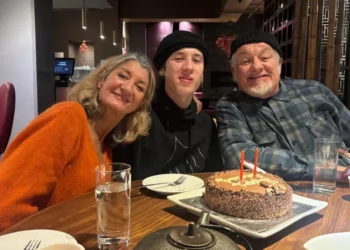 “A Magnet for People”: Hundreds Gather as Madness Star Sings at Primrose Hill Vigil
 A Century of Crust: The Family Pie Firm Celebrating 100 Years of Northern Soul
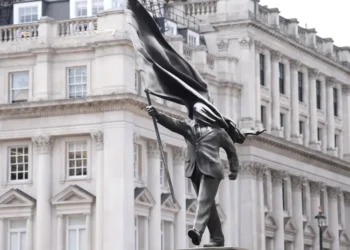 The “Invisible” Masterpiece: Banksy-Signed Statue Stuns London Commuters
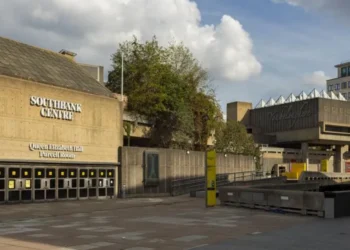 “A Tonic for the Nation” Reimagined: Southbank Centre Marks 75 Years of Artistic Rebellion
 “Unfair and Uninformed”: Met Commissioner Backs Officers Following Polanski’s Knife Attack Critique
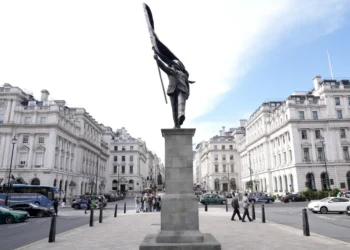 “Stealth and Scaffolding”: The Midnight Logistics Behind Banksy’s Latest London Plinth
 “The Garden of Time”: Surrealist Sculptures and Living Flora Dominate the 2026 Met Gala
 “No Longer Invisible”: Lea Salonga Reflects on the 2026 Diversity Milestone and Her Fight Against Broadway’s “Clinical Silence”
 “Wet Reckless”: Britney Spears Avoids Jail Time with Plea Deal in Ventura County
 “PCD Maybe Never”: Pussycat Dolls Ax North American Tour Amid Sluggish Ticket Sales
 The Burning Lens: An Iranian Artist’s Visual Resistance
 “Gigs on the Go”: The 2026 Rise of the Horsebox Music Stage
 “The Saffron and the Silk”: Decoding the Symbolic Wardrobe of Kim Ju Ae
 “The Oakland Showdown”: OpenAI President Testifies Musk Physically Threatened Him in 2017
 “The Harmony Tax”: Choir Leader ‘Baffled’ as Council Imposes High-Stakes Fees for Park Rehearsals
 Opera Singer Hails Surgery For Restoring Her Hearing
 “A Canvas of Spring”: Readers Capture Scotland’s Golden Hour and New Life
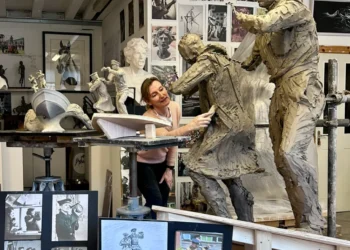 “The Sacred Bronze”: Guernsey Liberation Hero Peter Porteous Honoured in ‘Clinical’ New Sculpture
 Lee Lai Makes History with Landmark Stella Prize Victory
 The Face of Turner: Is the Famous Portrait a Fake?